УРЛАГ
ГОО САЙХАН БА ЭРҮҮЛ МЭНД
ГАРААР ХИЙСЭН
СОЁЛ БА ТҮҮХ
ҮЗВЭР НААДАМ
БАЙГАЛЬ ОРЧИН
ХООЛ БА УНДАА
УРВУУ ИНЖЕНЕРЧЛЭЛ
ШИНЖЛЭХ УХААН
СПОРТ
ТЕХНОЛОГИ
ӨМСДӨГ ХЭРЭГСЭЛ
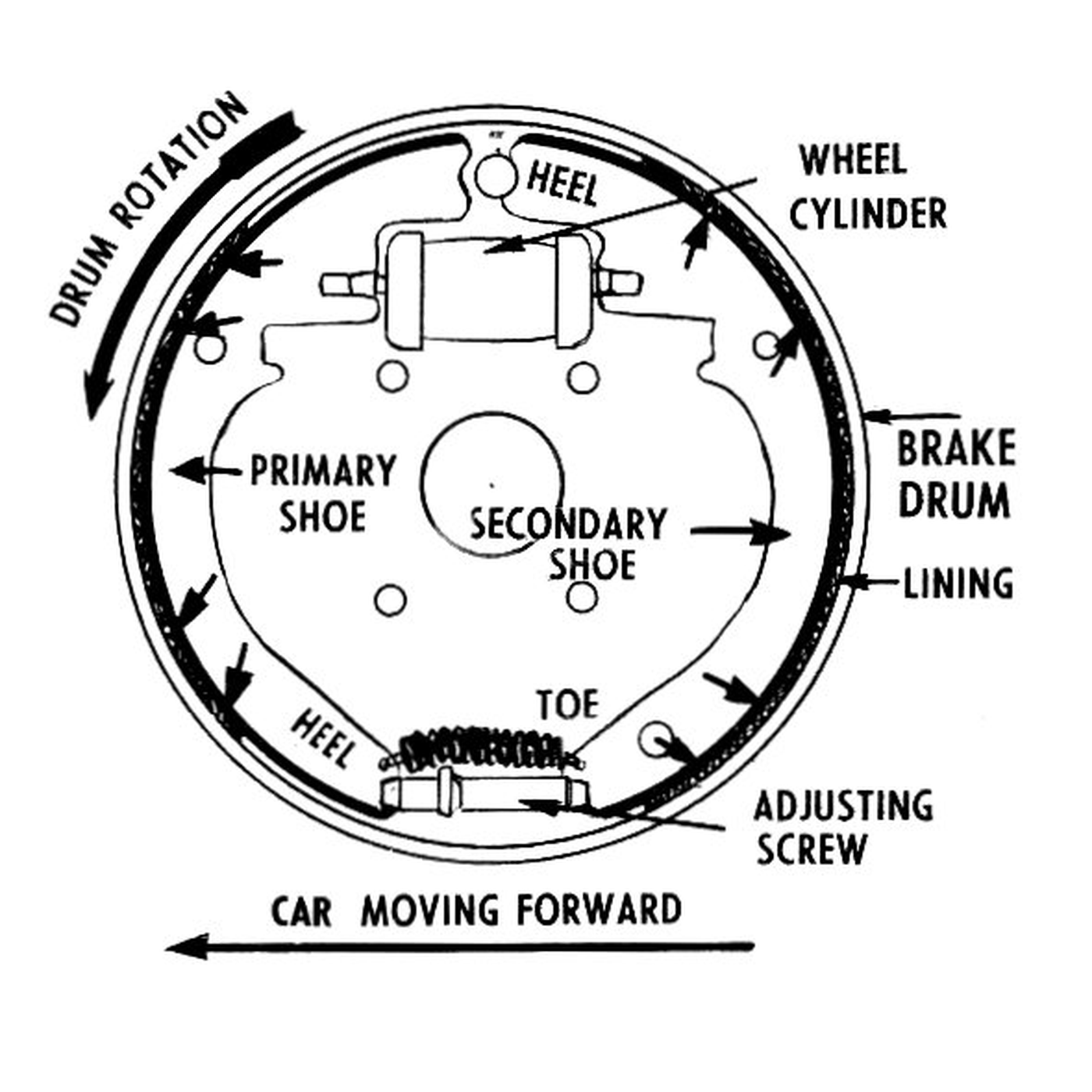

The Drum Brake: Shoes That Push Themselves Harder
Early cars stopped with blocks pressed on the tyres or with a band tightened round a drum on the outside. In 1902 Louis Renault put the friction INSIDE the drum: two curved shoes pivoted on a fixed plate, pushed outward against the drum's inner surface. The drum keeps dirt and water off the linings, and one of the shoes is dragged by the drum's own rotation into firmer contact — it helps to apply itself.
That self-servo gives a lot of braking for a small push. It also makes the brake sensitive to the friction of its linings, which is why drum brakes fade when hot.
This rung works out leading and trailing shoe torques and builds a plywood drum with one shoe to measure the difference by spinning it each way.
Дунд шат
About 4 hours
Зааварчилгаа
1
1
Leading and trailing shoes
Leading and trailing shoes
Jupyter дэвтэр ачаалж байна…
2
2
Build a drum and one shoe
Build a drum and one shoe
Make a drum: a plywood disc 200 mm across with a 30 mm rim of cardboard strip glued round it, on a bolt axle through a plywood backplate. Line the inside of the rim with sandpaper, rough side in, as a repeatable friction surface for the drum.
Make one shoe: a plywood arc that fits inside the drum, pivoted near one end on the backplate, with a piece of brake-pad friction material glued on its face. At the free end, hang the spring scale to pull the shoe out against the drum with a fixed force.
Wrap string round the drum's hub, hang a weight on it, and find the smallest weight that turns the drum against the shoe — with the drum turning towards the pivot (trailing), then away (leading). The leading direction needs far more weight.
Энэ алхмын материал:
 Фанер хуудас1 хуудас
 Хөндлөвчтэй картон хавтан1 баглаа
 Тоормосны дэвсгэр1 багц
 Машины шураг4 ширхэг
Шаардлагатай багаж:
 Утасгүй өрөм
 Өрмийн үзүүрийн иж бүрдэл
 Хүч хэмжигч (пүрштэй жин)
 Шугам
Шугам Гялтгануур цаасны багц
3
3
History and context
History and context
**Louis Renault, 1902** — the internal expanding shoe brake. No patent number is asserted here. Mechanical rods and cables worked the shoes until hydraulic operation (Loughead, in this catalogue) spread in the 1920s; twin-leading-shoe drums put the self-servo on both shoes for stronger front brakes.
**Honest limits.** The self-servo makes the torque sensitive to lining friction, so a hot drum fades and a wet one grabs. The drum expands away from the shoes when hot, lengthening the pedal. And the enclosed drum sheds heat poorly — the reason disc brakes (the next rung) took over at the front of cars.
Материал
4- 1 хуудасТүр орлуулагч
- 1 баглааТүр орлуулагч
- 1 багцТүр орлуулагч
- 4 ширхэгТүр орлуулагч
Шаардлагатай багаж
5- 1 vendor sell this, none ship to you yetТүр орлуулагч
- Түр орлуулагч
- Түр орлуулагч
- Түр орлуулагч
- Түр орлуулагч
Холбоотой загварууд
Эдгээр загварууд мэдлэг хуваалцдаг — арга техник, материал эсвэл зарчим
Band Brake
Forge зохиосон
ТЕХНОЛОГИ
40
0
0
0
0
0
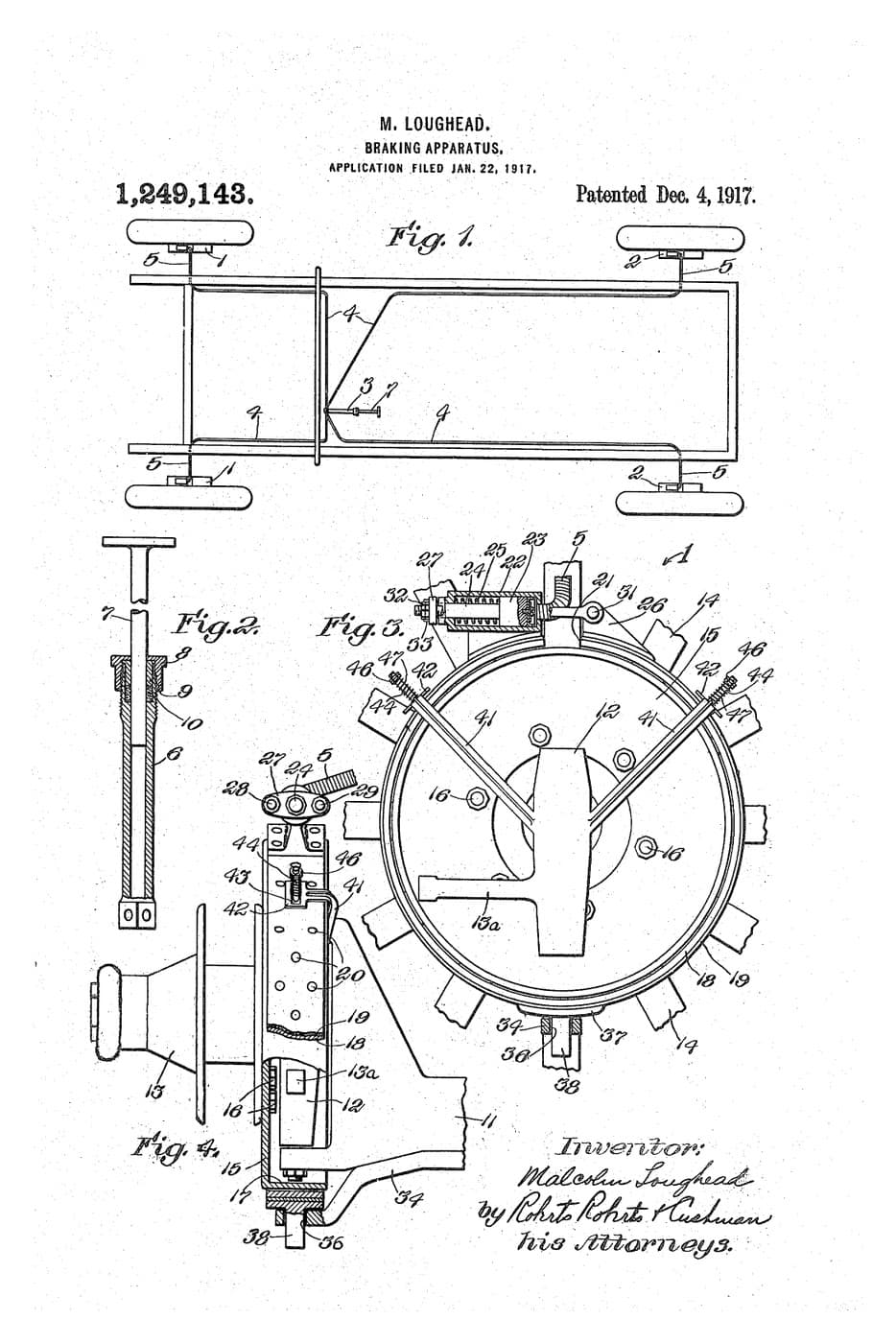
Hydraulic Brake
Emma зохиосон
ТЕХНОЛОГИ
43
0
0
0
0
0
Freewheel and Coaster Brake
Spartan зохиосон
Металл боловсруулалт
46
0
0
0
0
0
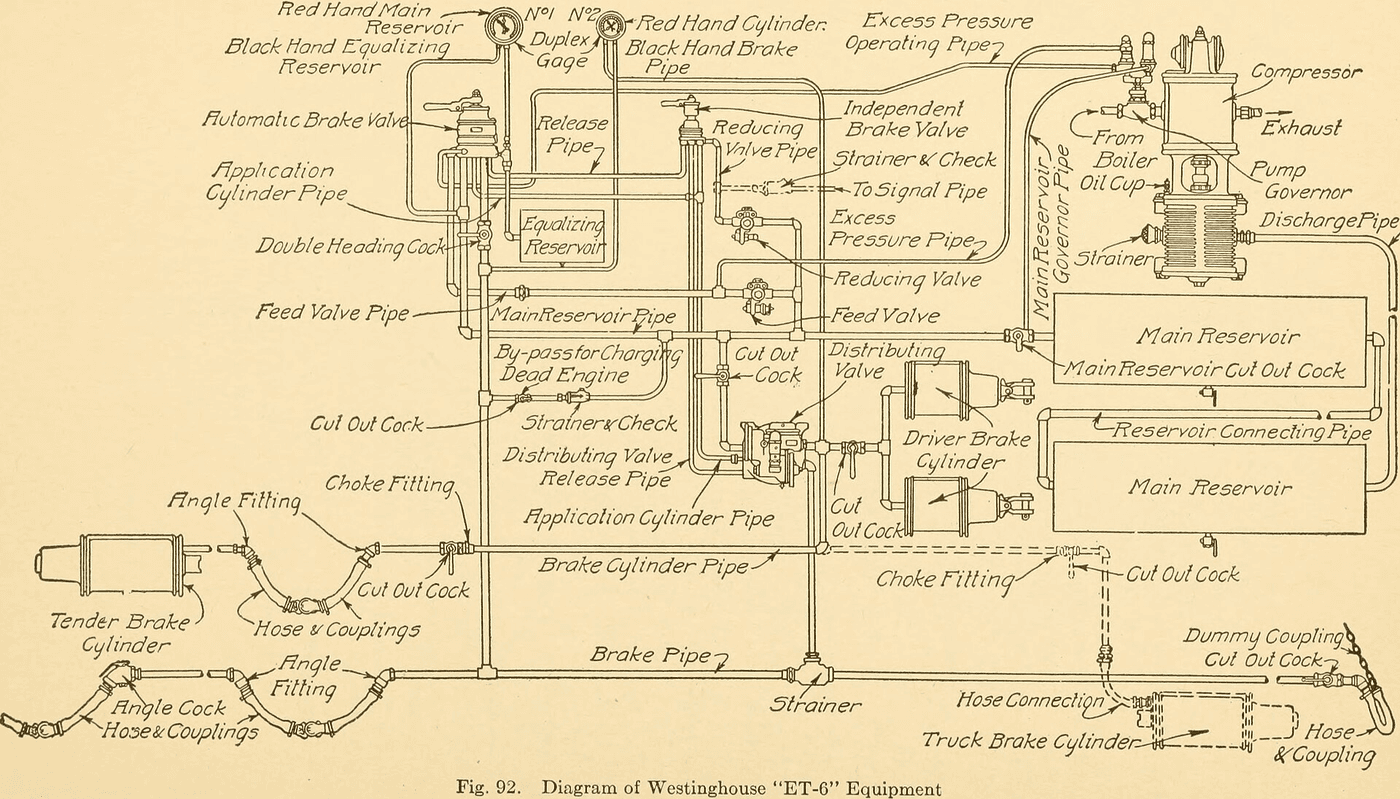
Westinghouse Air Brake
Penny зохиосон
ТЕХНОЛОГИ
65
0
0
0
1
0

The Sliding-Mesh Gearbox: Choosing a Ratio With the Engine Running
Martin зохиосон
Механик
37
0
0
0
0
0
CC0 Нийтийн домэйн
Энэ загвар CC0 дор гаргагдсан. Та зөвшөөрөл авахгүйгээр хуулах, өөрчлөх, түгээх, ашиглах боломжтой.
Загвараар дамжуулан бүтээгдэхүүн худалдаж авч Бүтээгчийг дэмжээрэй Бүтээгчийн шимтгэл Борлуулагчаар тогтоосон, эсвэл энэ загварын шинэ хувилбар үүсгэж орлогоо хуваахын тулд өөрийн загварт холбоос болгон оруулна уу.