УРЛАГ
ГОО САЙХАН БА ЭРҮҮЛ МЭНД
ГАРААР ХИЙСЭН
СОЁЛ БА ТҮҮХ
ҮЗВЭР НААДАМ
БАЙГАЛЬ ОРЧИН
ХООЛ БА УНДАА
УРВУУ ИНЖЕНЕРЧЛЭЛ
ШИНЖЛЭХ УХААН
СПОРТ
ТЕХНОЛОГИ
ӨМСДӨГ ХЭРЭГСЭЛ


The Dye Record: What to Write Down So the Colour Can Be Made Again
Natural dyeing has more variables than almost any other craft in the workshop: the fibre, its weight, the scour, the mordant, the dyestuff and its form, the water, the temperature, the time, the bath number, and what was done afterwards.
Change any one and the colour changes. Which means a colour that was not written down is a colour that will not happen again — and a dyer with a shelf of unrepeatable skeins is the normal outcome of a first year.
This rung is the record itself: what goes on the card, why each line is there, and how to store it so that it is still usable in ten years.
Анхан шат
2 hours
Зааварчилгаа
1
1
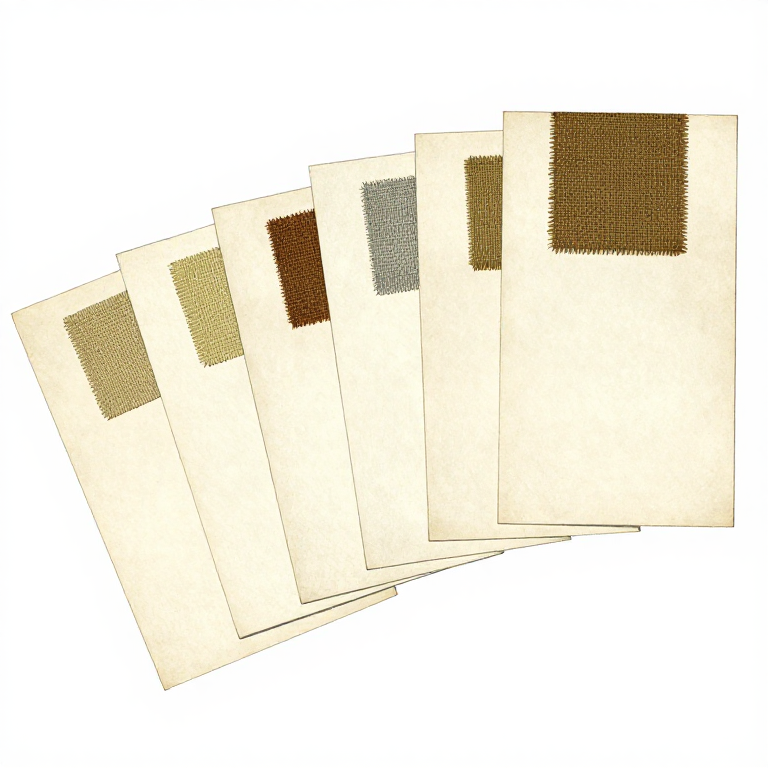
The card, and the sample stapled to it
The card, and the sample stapled to it
One index card per dye, with a piece of the actual fibre attached. The sample is the record; the writing explains it.
Staple or sew the sample on rather than gluing it. Glue yellows, and several adhesives shift the colour of the very thing being recorded.
Attach at least two pieces: one that stays on the card, and one that can be cut off and carried to a shop or held against a work in progress. A third, kept separately in the dark, is the control for any fastness test run later.
Write in pencil or in a pigment ink. Ordinary ballpoint and most dye-based inks fade faster than the dyes being recorded, which is a particular irony on a card about fastness.
Энэ алхмын материал:
 Будаагүй ноосон утас1 ээрмэл
Шаардлагатай багаж:
 Бүртгэлийн карт
 Хайч
Хайч Тэмдэглэлийн дэвтэр
2
2
The twelve lines that actually matter
The twelve lines that actually matter
**Fibre** — what it is, and where it came from. Two wools take dye differently.
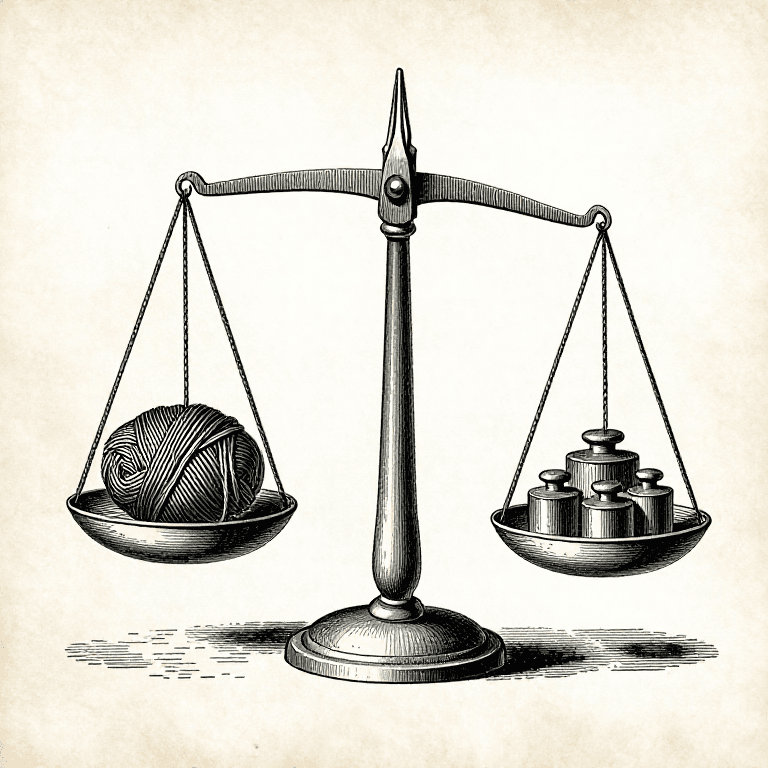
**Dry weight** — the WOF everything else is a percentage of.
**Scour** — what and how hot. "Not scoured" is also an entry.
**Mordant** — which, what percentage WOF, and hot or overnight.
**Assistants** — cream of tartar, soda, tannin, and their percentages.
**Dyestuff** — the species, and the FORM: fresh, dried, ground, extract.
**Dye percentage** — WOF, of that form.
**Liquor ratio** — litres per kilo.
**Temperature and time** — what it was held at and for how long.
**Bath number** — first, second, third. This one is forgotten most often and it explains more pale results than anything else.
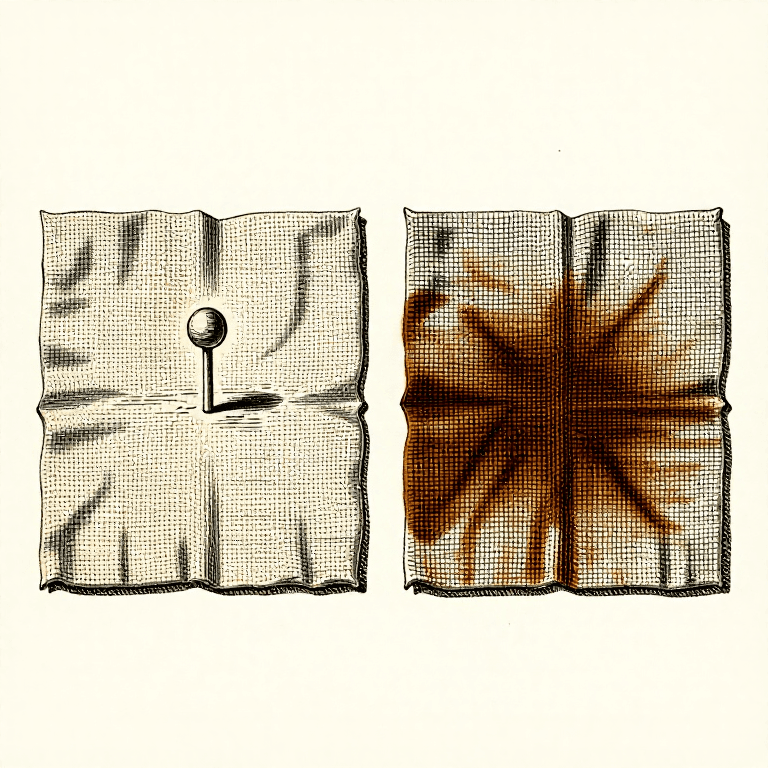
**Modifier** — iron, pH shift, and how long for.
**Date** — which dates the water, the season and the plant material at once.
That is a card in two minutes. Anything missing from it is a variable that cannot be reproduced.
Шаардлагатай багаж:
Бүртгэлийн картТэмдэглэлийн дэвтэр3
3
The two lines everyone leaves out
The two lines everyone leaves out
**The water.** Dye recipes assume the water is neutral and soft, and most tap water is neither. Hard water carries calcium and magnesium, which shift and dull several dyes, and it is why the same recipe gives different colours in two towns — a fact old dyeing centres were built on. Write the pH down; a strip costs nothing. If the water is very hard, rainwater or a little added acid is a real variable to record.
**The pot.** An iron or aluminium pot is a mordant that is in contact with the fibre for the whole dye day. An unlined iron pot saddens every colour in it, an aluminium pot adds a little alum, and stainless steel and enamel are the two that add nothing. A dyer who changes pots and not the recipe will still get a different colour and will not know why.
Both of these are invisible, permanent, and easy to record once and reuse.
Шаардлагатай багаж:
 pH цаасанБүртгэлийн карт
 Том тогооТэмдэглэлийн дэвтэр
4
4
Sorting the cards so they can be found
Sorting the cards so they can be found
A shoebox of cards in date order is a diary. It answers "what did I do in March" and not "how do I make this colour", which is the question that actually gets asked.
Sort by **dyestuff** first — every madder card together — and within that by mordant. Then the ladder of shades from one plant sits in one place and the range it covers is visible at a glance.
Keep a second, small set sorted by **colour**, made from the spare samples. This is the one to reach for when a project needs a particular green and the question is what could produce it.
**Store them in the dark.** A card set kept on a sunny shelf fades, and then the record is wrong in the one way that cannot be detected — every sample fades together, so nothing looks out of place.
Photographing the cards is worth doing as a backup, but a photograph is not a colour sample. Camera white balance, screen and print all shift it. The stapled scrap remains the record.
Шаардлагатай багаж:
Бүртгэлийн карт Тагтай шилэн савТэмдэглэлийн дэвтэр
 Ширээний компьютер
Материал
1- 1 ээрмэлТүр орлуулагч
Холбоотой загварууд
Эдгээр загварууд мэдлэг хуваалцдаг — арга техник, материал эсвэл зарчим

CC0 Нийтийн домэйн
Энэ загвар CC0 дор гаргагдсан. Та зөвшөөрөл авахгүйгээр хуулах, өөрчлөх, түгээх, ашиглах боломжтой.
Загвараар дамжуулан бүтээгдэхүүн худалдаж авч Бүтээгчийг дэмжээрэй Бүтээгчийн шимтгэл Борлуулагчаар тогтоосон, эсвэл энэ загварын шинэ хувилбар үүсгэж орлогоо хуваахын тулд өөрийн загварт холбоос болгон оруулна уу.