ARTE
BELLEZA Y BIENESTAR
ARTESANÍA
CULTURA E HISTORIA
ENTRETENIMIENTO
MEDIO AMBIENTE
COMIDA Y BEBIDAS
INGENIERÍA INVERSA
CIENCIAS
DEPORTES
TECNOLOGÍA
TECNOLOGÍA VESTIBLE
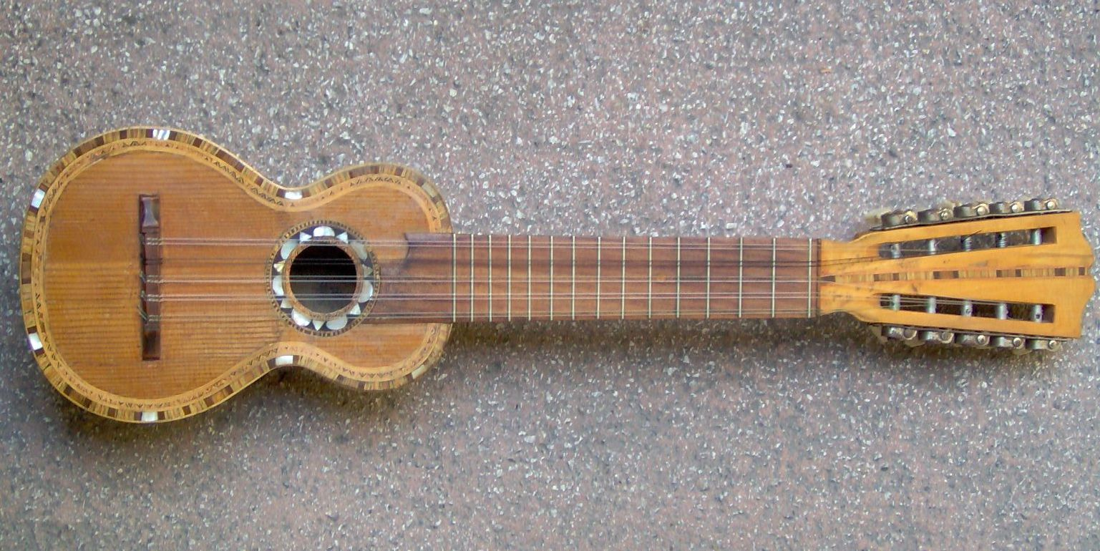
Wikimedia Commons contributor · Public Domain


Building a Charango — The Little High Lute of the Andes
Build a charango: a tiny, high-voiced Andean lute with ten strings in five doubled courses, once famously backed with an armadillo shell and now carved from wood. Build the deep little body, fit the fretted neck, tie the frets and string the five courses. A serious maker build in the fretted lute and why a small box sings high.
Intermedio
Several hours over several sessions
Instrucciones
1
1
A tiny lute that sings high
A tiny lute that sings high
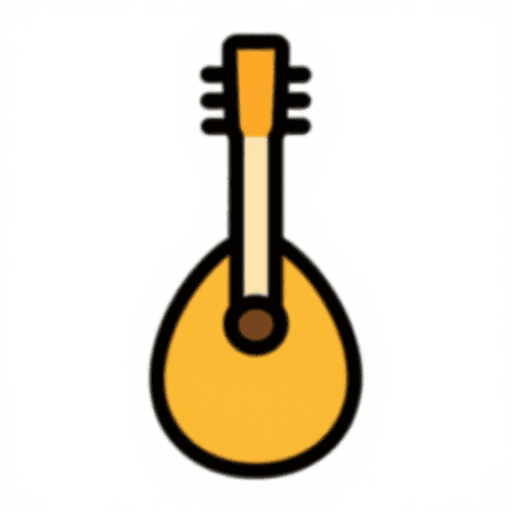
The charango is a small fretted lute with ten strings in five doubled courses. When the Spanish brought the lute-and-guitar family to the Andes, local makers shrank it and famously backed it with an armadillo shell — small body, short strings, a bright high voice.
2
2
Make the little body
Make the little body
Hollow or build a small, deep rounded soundbox — traditionally an armadillo shell, today carved from a block of wood. Keep it small: a little box is what gives the charango its bright, high sound.
Materiales para este paso:
 Tabla de madera dura1 pieza
 Cola blanca para madera (PVA)1 pieza
Herramientas necesarias:
 Cuchillo de talla sloyd
3
3
Fit the soundboard
Fit the soundboard
Glue a thin flat softwood soundboard over the open face and cut a round soundhole in it. This top is the speaker that radiates the strings' vibration.
Materiales para este paso:
 Tabla de madera blanda seca1 pieza
4
4
Fit the fretted neck
Fit the fretted neck
Fix a straight neck to the body and lay in the frets — little ridges across the neck. Pressing a string against a fret shortens its speaking length and so raises its note; the fret positions are what set the scale.
Materiales para este paso:
 Varilla de madera (tarugo)1 pieza
 Hilo de nailon para trastes1 pieza
5
5
String the five courses
String the five courses
Run ten strings in FIVE doubled courses (two strings side by side per course) from a bridge on the soundboard up over the frets to ten tuning pegs. The doubled strings ring together for the charango's shimmering chorus.
Materiales para este paso:
 Juego de cuerdas de guitarra (acústica, bronce fosforoso)1 pieza
 Clavijas de afinar10 piezas
6
6
Tune and strum
Tune and strum
Tune the five courses (the classic charango tuning is re-entrant, so it is not simply low-to-high), then strum and pluck. Press behind a fret to change a note, and let the doubled strings shimmer.
7
7
Compendium — the fretted lute, small and high
Compendium — the fretted lute, small and high
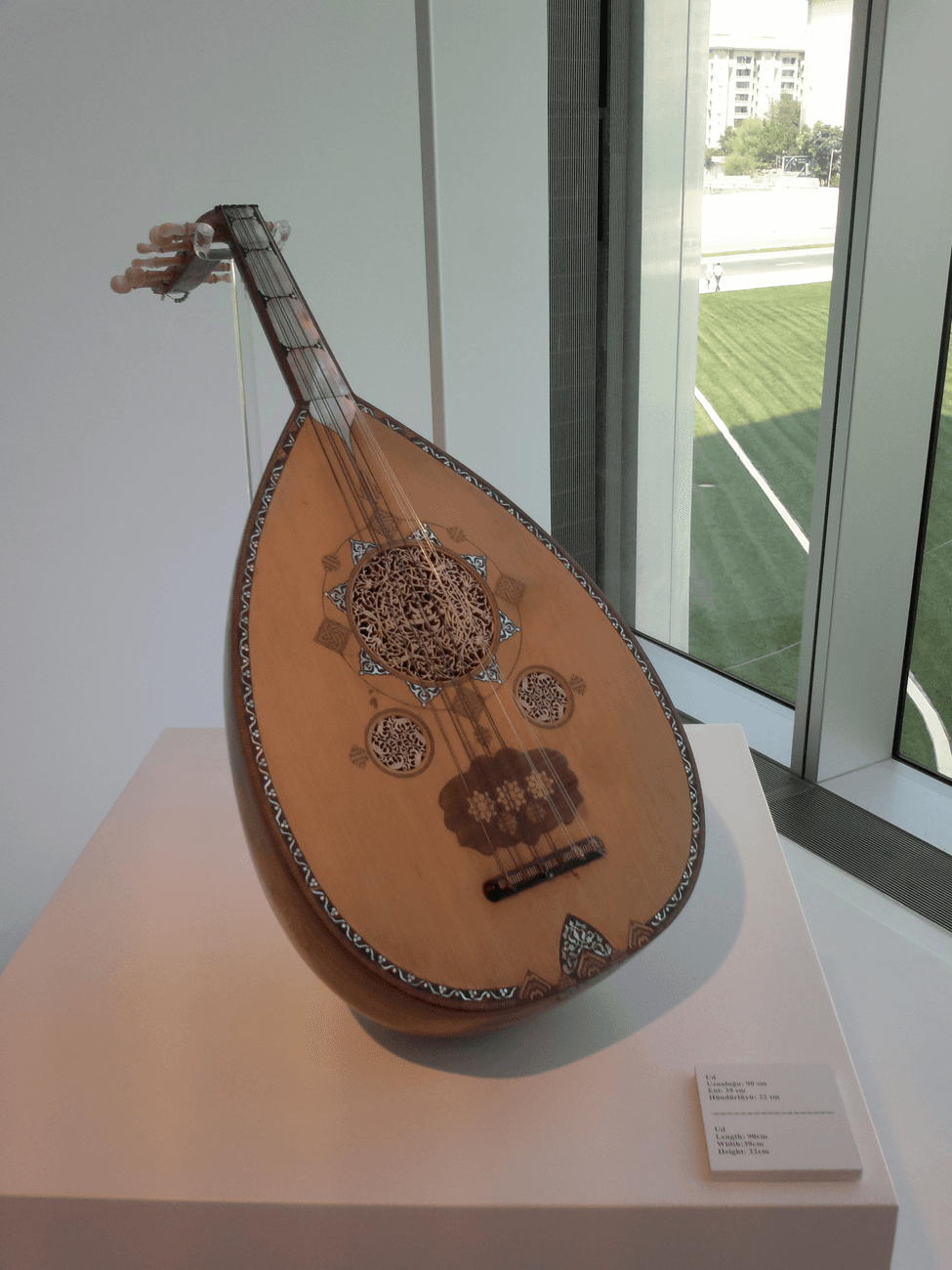
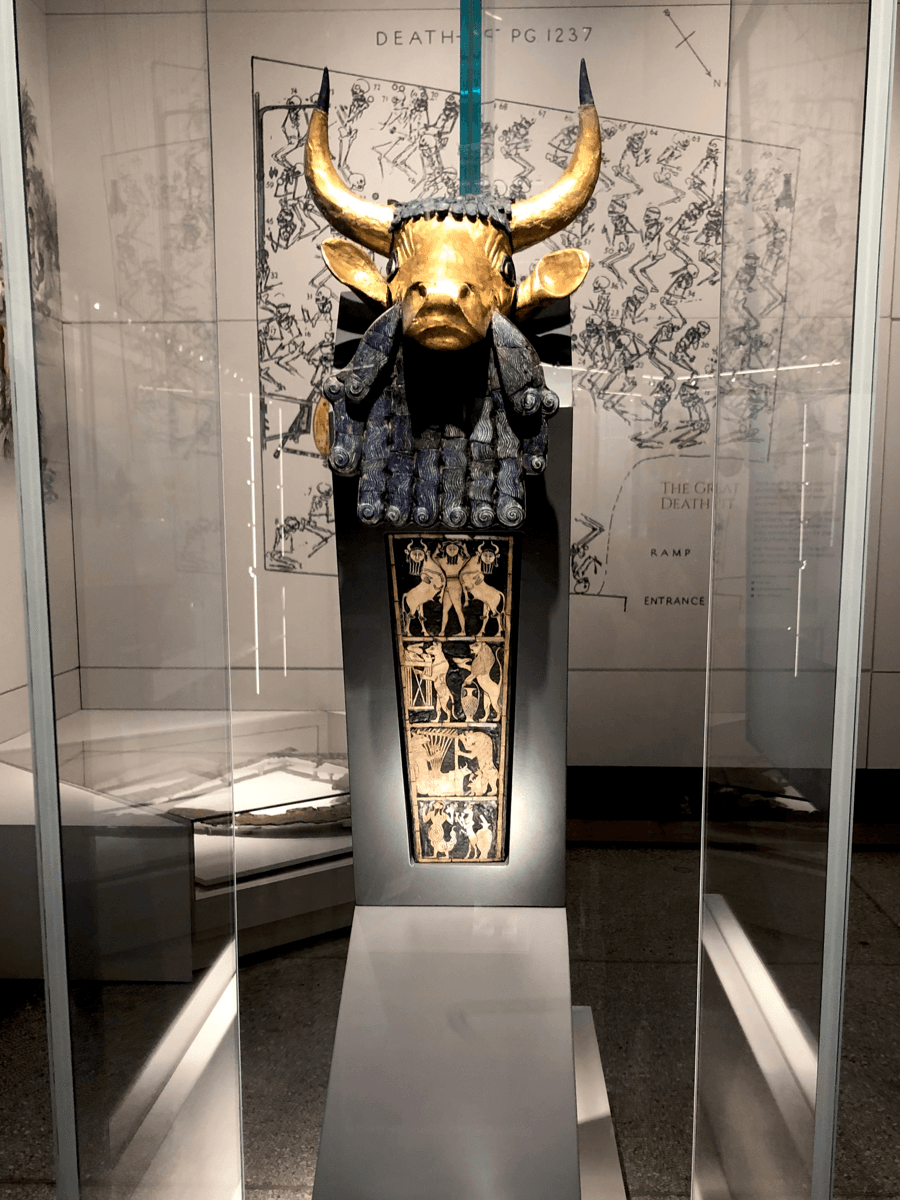
The charango is a lute: strings stretched over a soundbox and along a fretted neck, plucked or strummed. Three ideas make it work. First, pitch: a string sounds higher when it is shorter, tighter or lighter, so the player raises a note by pressing the string down onto a FRET, which shortens the part that can vibrate — the same trick as the oud and the guitar, and the reason the frets are spaced the way they are. Second, doubled COURSES: the charango pairs its strings two-by-two, and because no two strings are ever perfectly identical they beat gently against each other, giving that rich shimmering chorus (the same reason a twelve-string guitar or a mandolin sounds so full). Third, and most charango of all, SIZE: the soundbox and the strings are tiny, and small light strings on a short scale vibrate fast, so the whole instrument sits an octave or so above a guitar — bright, chirping, cutting through the thin high-altitude air of the Andes. It descends from the Spanish vihuela and baroque guitar carried across the Atlantic, themselves descendants of the Arabic oud, and it belongs with every soundbox-and-strings instrument from the lyre of Ur onward — the charango is simply that ancient idea shrunk to fit a poncho pocket.
Materiales
7- 1 piezaMarcador de posición
- Marcador de posición
- 1 piezaMarcador de posición
- 1 piezaMarcador de posición
- 1 piezaMarcador de posición
- Marcador de posición
- 10 piezasMarcador de posición
Herramientas requeridas
1- Marcador de posición
Este plano hace
Blueprints relacionados
Estos blueprints comparten conocimiento — técnicas, materiales o principios
CC0 Dominio público
Este Blueprint se publica bajo CC0. Eres libre de copiar, modificar, distribuir y usar este trabajo para cualquier propósito, sin pedir permiso.
Apoya al Maker comprando productos a través de su Blueprint, donde gana una Comisión del Maker establecida por los vendedores, o crea una nueva iteración de este Blueprint e inclúyela como conexión en tu propio Blueprint para compartir ingresos.