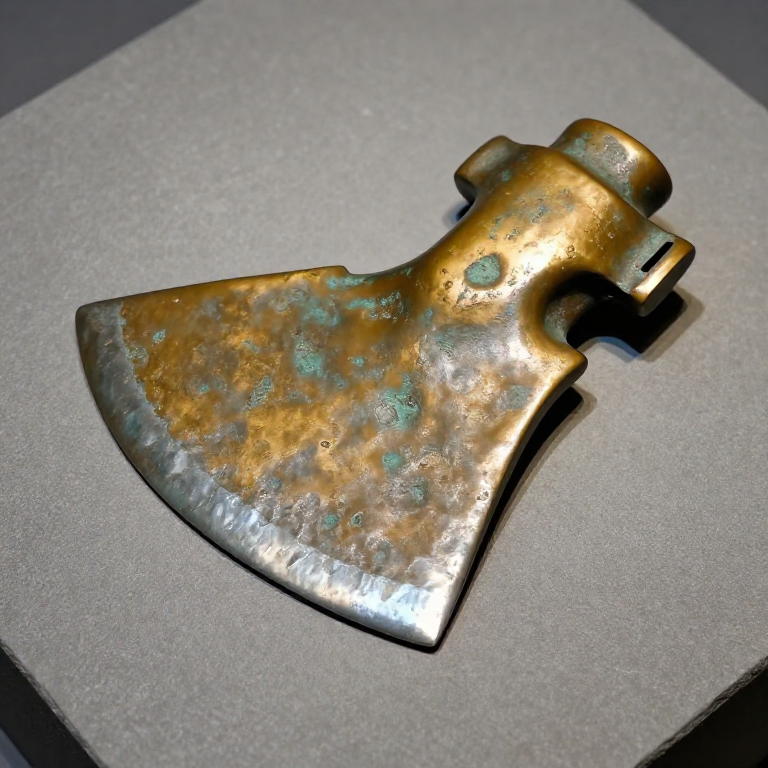


Casting a Bronze Flat Axe — The First Metal Cutting Tool
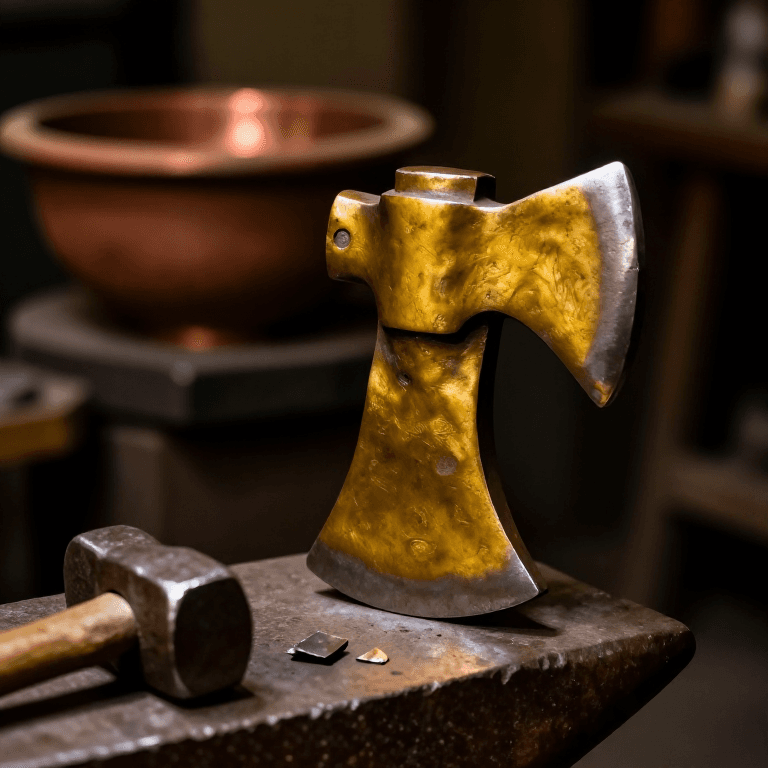
The flat axe was the first metal tool to surpass its stone predecessor in every way — sharper, more durable, and resharpened by simple hammering rather than knapping a new edge. Cast from bronze (roughly 90% copper, 10% tin), these axes appeared across Europe, the Near East, and East Asia from around 3300 BCE.
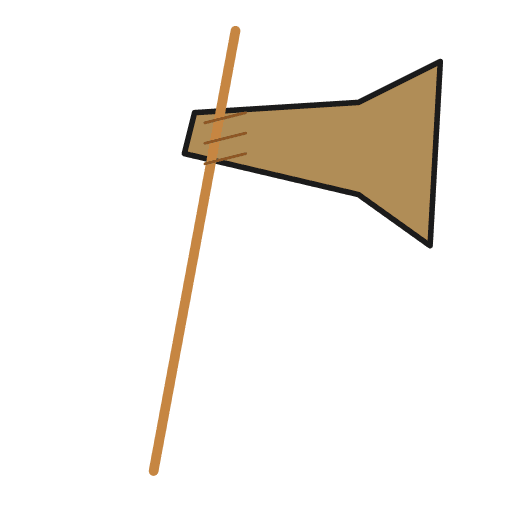
This blueprint uses an open-face stone mould — the simplest casting method. Molten bronze is poured into a carved soapstone cavity and allowed to cool. The resulting casting has one flat face (from the mould floor) and one slightly convex face (from the open top where the metal surface tensions). After demoulding, the axe is cold-hammered to harden the cutting edge, ground to shape, and hafted onto a wooden handle with rawhide lashing.
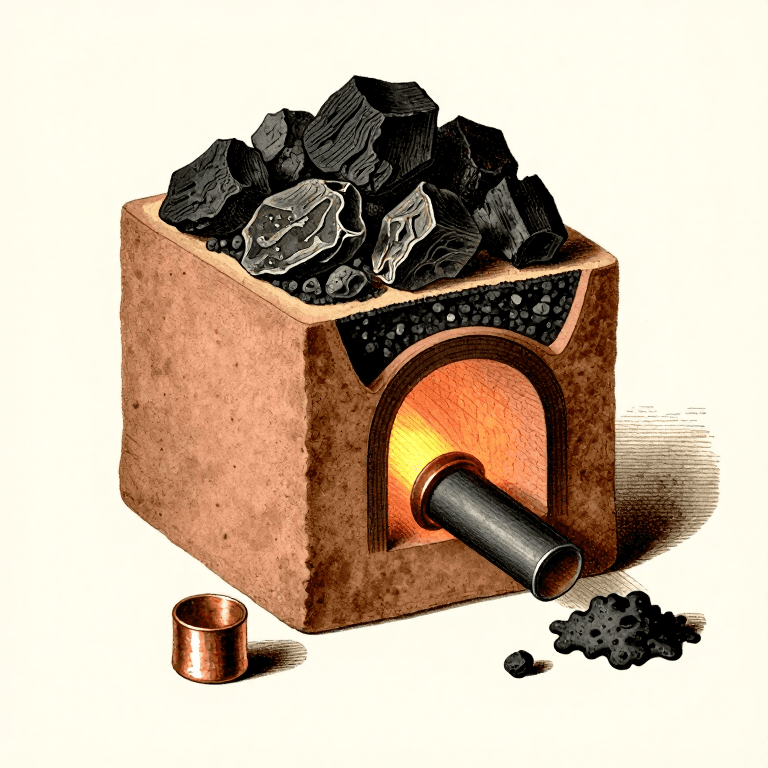
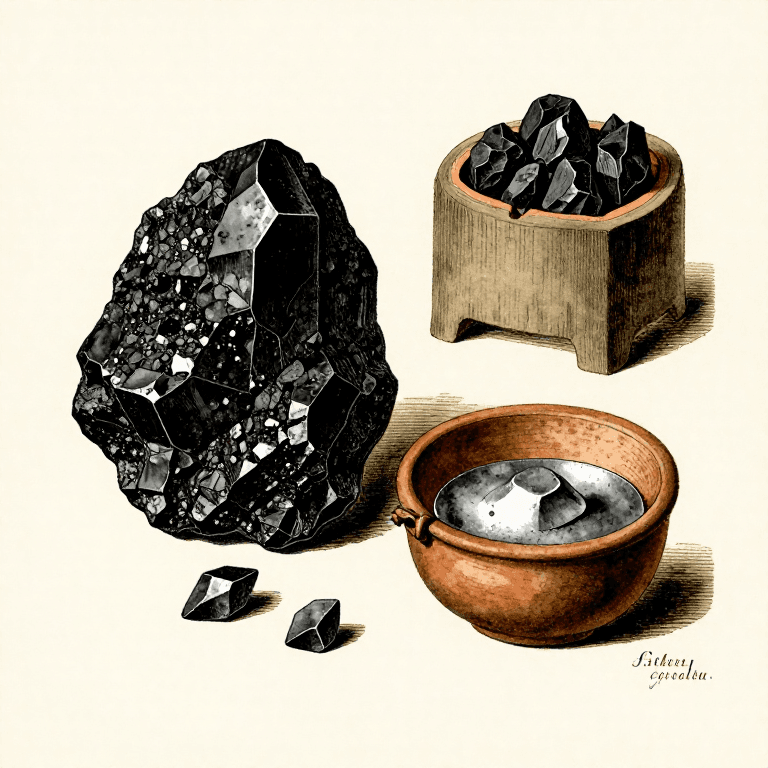
A single flat axe required the combined knowledge of mining, smelting, alloying, crucible-making, mould-carving, and woodworking — making it one of the most knowledge-intensive objects of its era.
Instrucciones
Prepare the mould
Prepare the mould
Materiales para este paso:
 Grasa animal (sebo)30 g
Charge the crucible with bronze
Charge the crucible with bronze
Materiales para este paso:
 Lámina de cobre270 g
Melt and alloy the bronze
Melt and alloy the bronze
Materiales para este paso:
 Carbón vegetal3 kg
Pour the bronze into the mould
Pour the bronze into the mould
Herramientas necesarias:
 Tenazas para crisol
Cool and demould
Cool and demould
Remove the pour channel and flash
Remove the pour channel and flash
Herramientas necesarias:
 Percutor de piedra
Cold-hammer the cutting edge
Cold-hammer the cutting edge
Herramientas necesarias:
 Losa de piedra plana
Grind and sharpen
Grind and sharpen
Herramientas necesarias:
 Piedra de afilar
 Arenisca (abrasiva)
Shape the haft
Shape the haft
Bind the axe head to the haft
Bind the axe head to the haft
Materiales para este paso:
 Tiras de cuero crudo2 m
Materiales
4- Marcador de posición
- 270 gMarcador de posición
- 3 kgMarcador de posición
- Marcador de posición
Herramientas requeridas
5- Marcador de posición
- Marcador de posición
- Marcador de posición
- Marcador de posición
- Marcador de posición
Materiales de Blueprints conectados
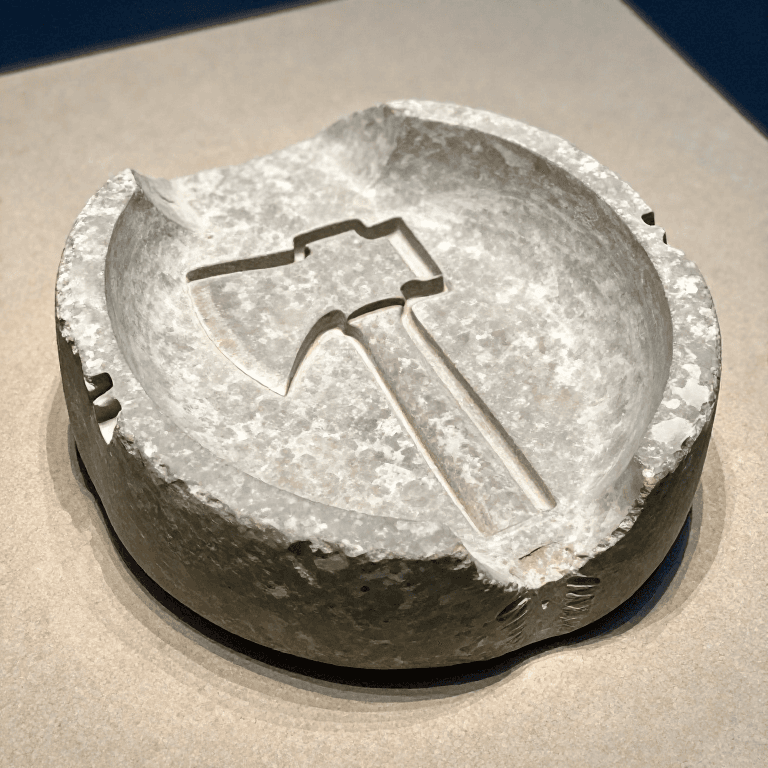
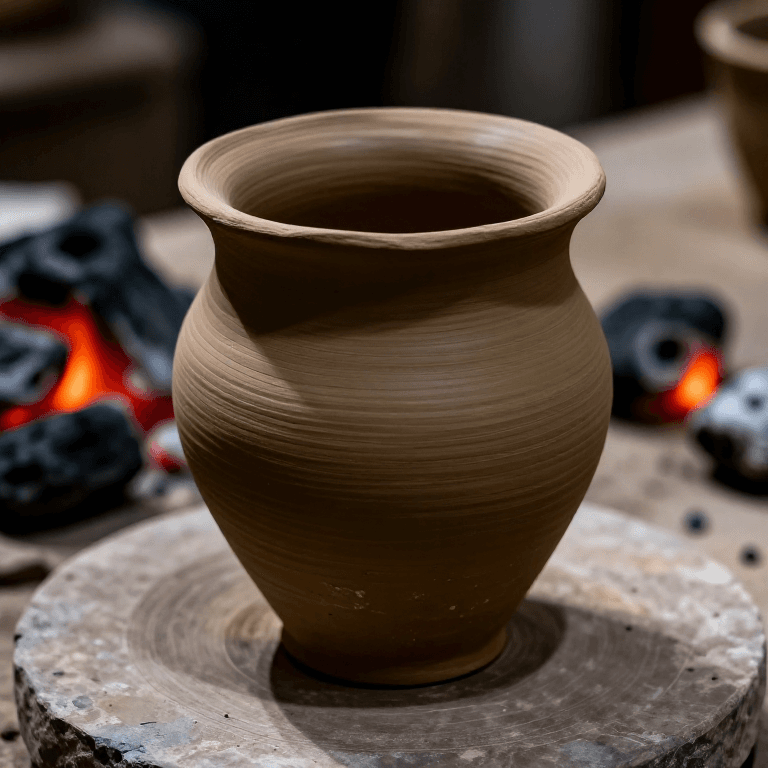
Este plano hace
Blueprints relacionados
Estos blueprints comparten conocimiento — técnicas, materiales o principios
CC0 Dominio público
Este Blueprint se publica bajo CC0. Eres libre de copiar, modificar, distribuir y usar este trabajo para cualquier propósito, sin pedir permiso.
Apoya al Maker comprando productos a través de su Blueprint, donde gana una Comisión del Maker establecida por los vendedores, o crea una nueva iteración de este Blueprint e inclúyela como conexión en tu propio Blueprint para compartir ingresos.