ARTE
BELLEZA Y BIENESTAR
ARTESANÍA
CULTURA E HISTORIA
ENTRETENIMIENTO
MEDIO AMBIENTE
COMIDA Y BEBIDAS
INGENIERÍA INVERSA
CIENCIAS
DEPORTES
TECNOLOGÍA
TECNOLOGÍA VESTIBLE

Butyl Rubber
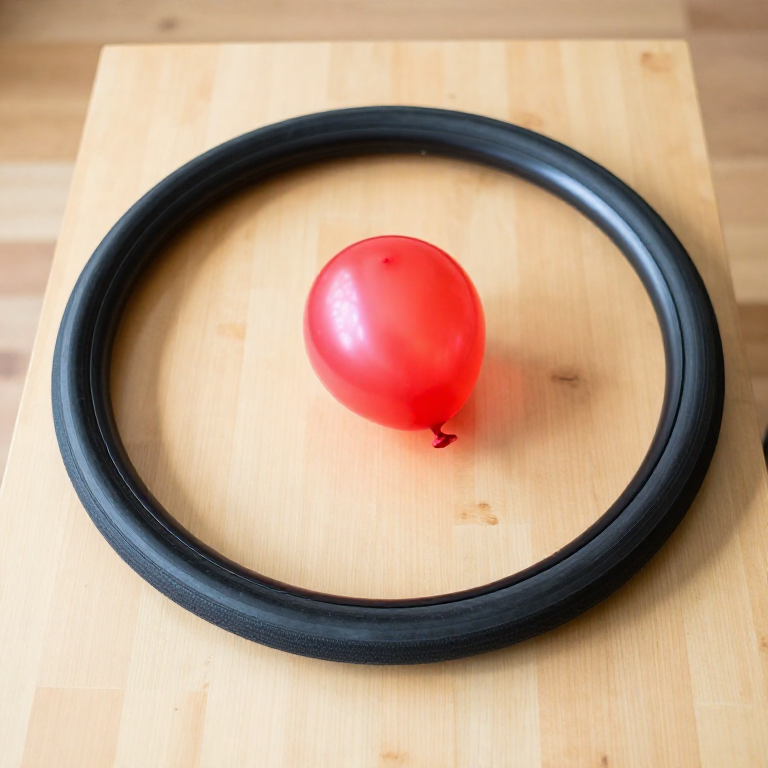
Polyisobutylene was a soft, sticky material that could not be vulcanised - it had no double bonds left for sulphur to bridge. At Standard Oil in 1937 William Sparks and Robert Thomas added a few percent of isoprene to the isobutylene, just enough double bonds to cure it, and polymerised the mix far below freezing. The result held air better than any rubber before it, and inner tubes have been made of it ever since.
**US 2,356,128**, "Mixed olefinic polymerization process and product", Thomas and Sparks, assigned to Jasco, filed 20. October 1939, granted 22. August 1944: an isoolefin with a small amount of diolefin, polymerised below 0 °C (down to about -160 °C) with aluminium chloride; it describes "a low, controlled, chemical unsaturation, capable of being cured with sulfur".
**You measure the two properties that made its name**: it barely bounces, and it barely leaks.
Principiante
1 hour plus a week of readings
Instrucciones
1
1
Make a butyl pad
Make a butyl pad
Cut 80 mm pieces from a bicycle inner tube and flatten them. Stack three (six walls) and tape the edges so it is about as thick as the natural rubber sheet.
Herramientas necesarias:
 Tijeras
 Cinta de carrocero
 Cámara de aire
2
2
Drop and watch
Drop and watch
Tape a metal ruler upright beside each pad on a solid floor. Drop the steel ball from 500 mm, five times per pad, and read the top of the first bounce. Filming at eye level makes it easier.
Materiales para este paso:
 Plancha de caucho natural1 pieza
Herramientas necesarias:
 Rodamiento de bolas de acero
 Regla
Regla3
3
Inflate the leak test
Inflate the leak test
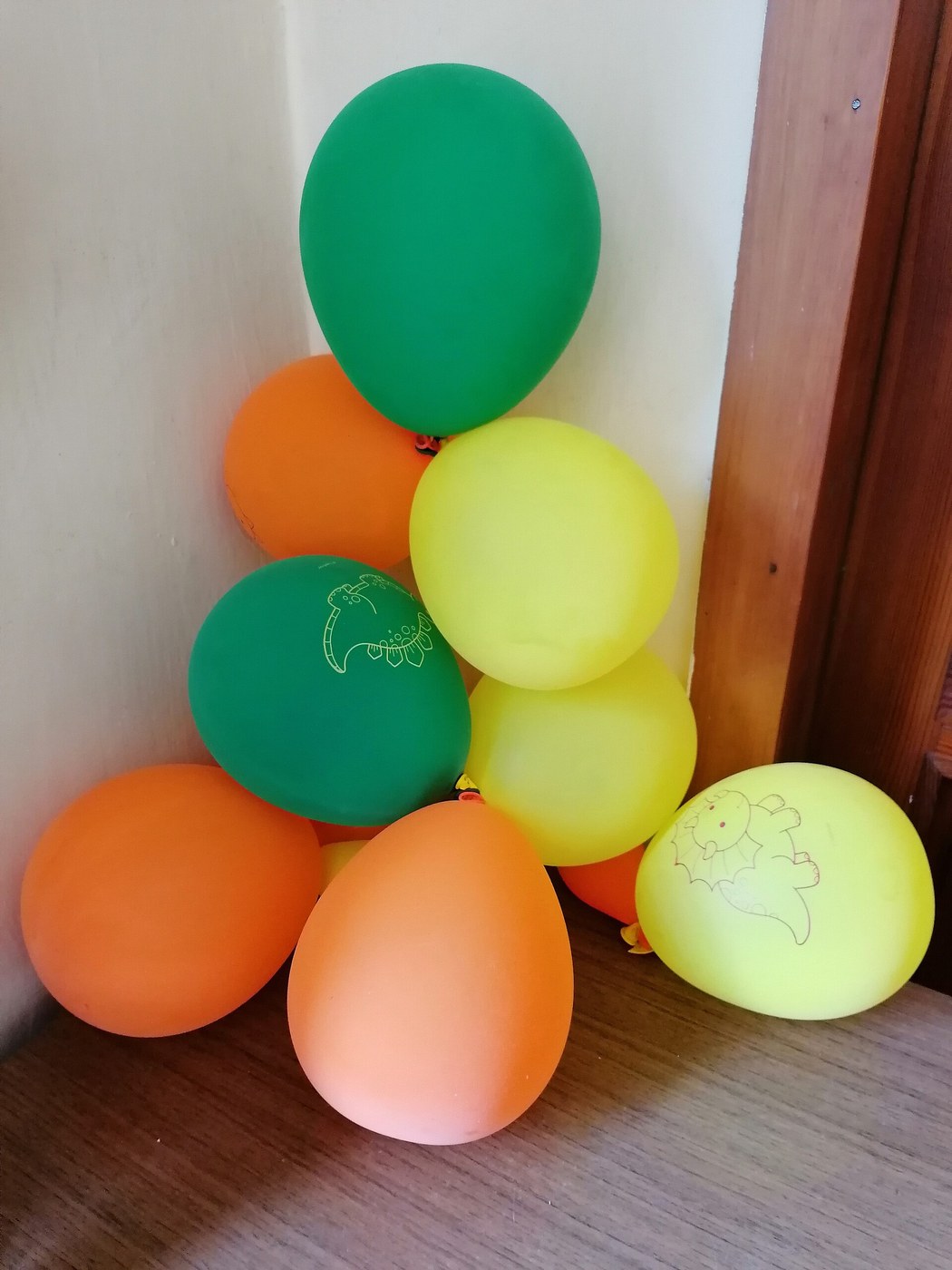
Pump the rest of the tube just until it is round - do not stretch it. Blow up a latex balloon to about the same firmness and tie it. Mark where you will measure each with tape.
Materiales para este paso:
 Globos1 paquete
Herramientas necesarias:
 Bomba de pie para bicicleta
4
4
Measure for a week
Measure for a week
Each day at the same time measure the balloon round its middle and the tube round its cross-section at the mark. Note the room temperature.
Herramientas necesarias:
 Cinta métrica
 Termómetro de ambiente
5
5
Bounce and leak
Bounce and leak
Cargando el cuaderno de Jupyter…
6
6
History & Context
History & Context
**What the patent specifies:** isobutylene with a little conjugated diolefin, polymerised below 0 °C with aluminium chloride in an alkyl halide, then sulphur-cured. **Modern build (derived):** a commercial butyl inner tube.
Butyl became a strategic wartime rubber, then the air-holding liner inside every tubeless tyre, plus pond liners, roof membranes and engine mounts. Its limits: it is slow to vulcanise, does not bond well to other rubbers, and swells in oil and petrol.
Materiales
2- 1 piezaMarcador de posición
- 1 paqueteMarcador de posición
Herramientas requeridas
8- Marcador de posición
- Marcador de posición
- Marcador de posición
- Marcador de posición
- Marcador de posición
- Marcador de posición
- 1 vendor sell this, none ship to you yetMarcador de posición
- Marcador de posición
Blueprints relacionados
Estos blueprints comparten conocimiento — técnicas, materiales o principios


CC0 Dominio público
Este Blueprint se publica bajo CC0. Eres libre de copiar, modificar, distribuir y usar este trabajo para cualquier propósito, sin pedir permiso.
Apoya al Maker comprando productos a través de su Blueprint, donde gana una Comisión del Maker establecida por los vendedores, o crea una nueva iteración de este Blueprint e inclúyela como conexión en tu propio Blueprint para compartir ingresos.