ARTE
BELLEZA Y BIENESTAR
ARTESANÍA
CULTURA E HISTORIA
ENTRETENIMIENTO
MEDIO AMBIENTE
COMIDA Y BEBIDAS
INGENIERÍA INVERSA
CIENCIAS
DEPORTES
TECNOLOGÍA
TECNOLOGÍA VESTIBLE
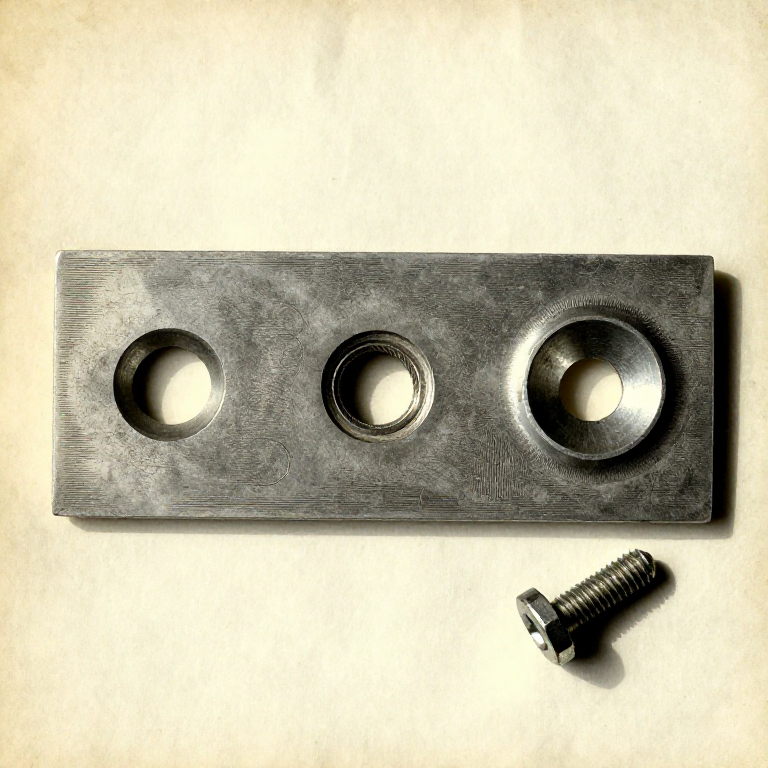


The Clearance Hole: Why the Bolt Should Not Touch the Top Part
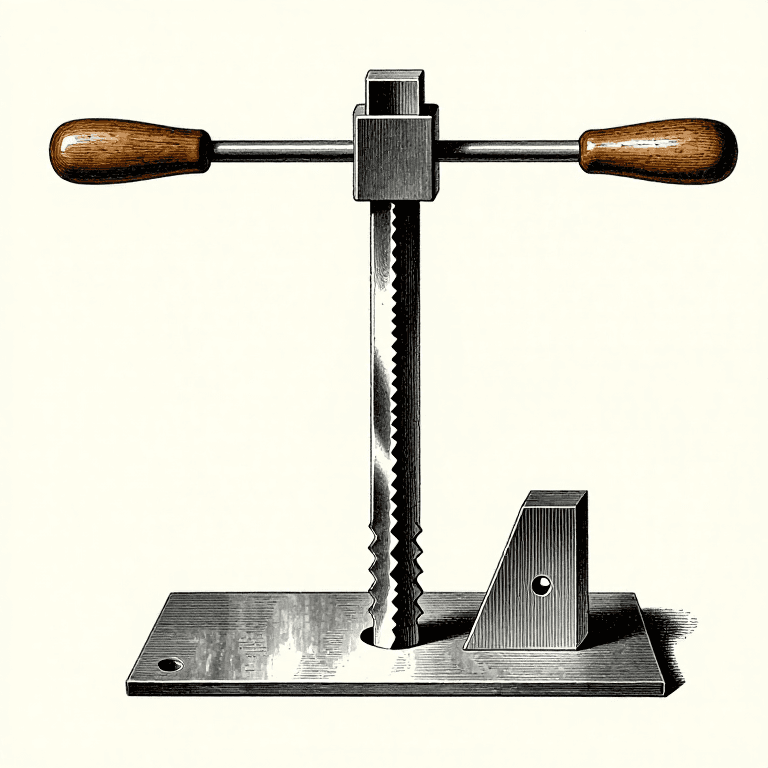
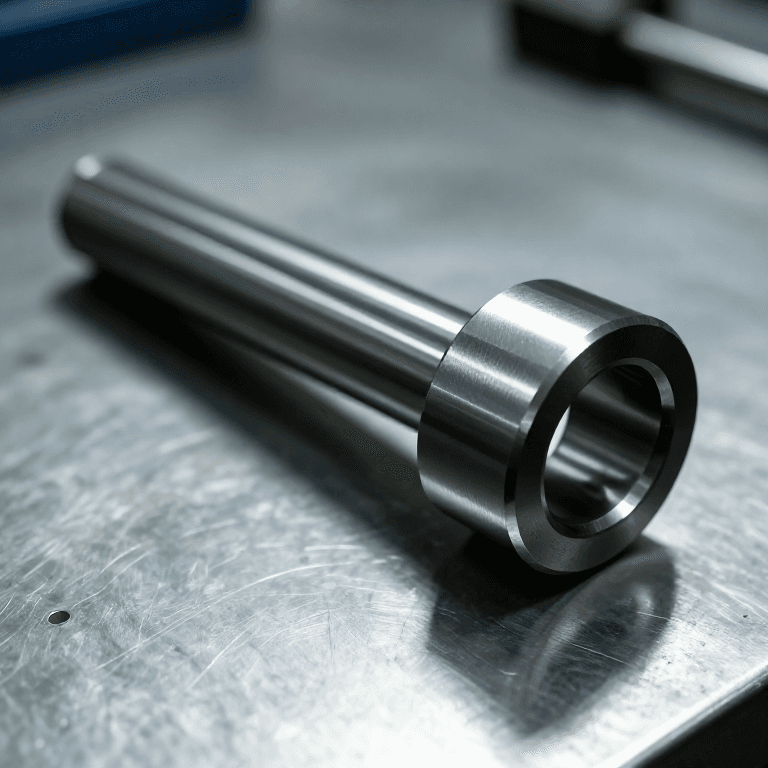
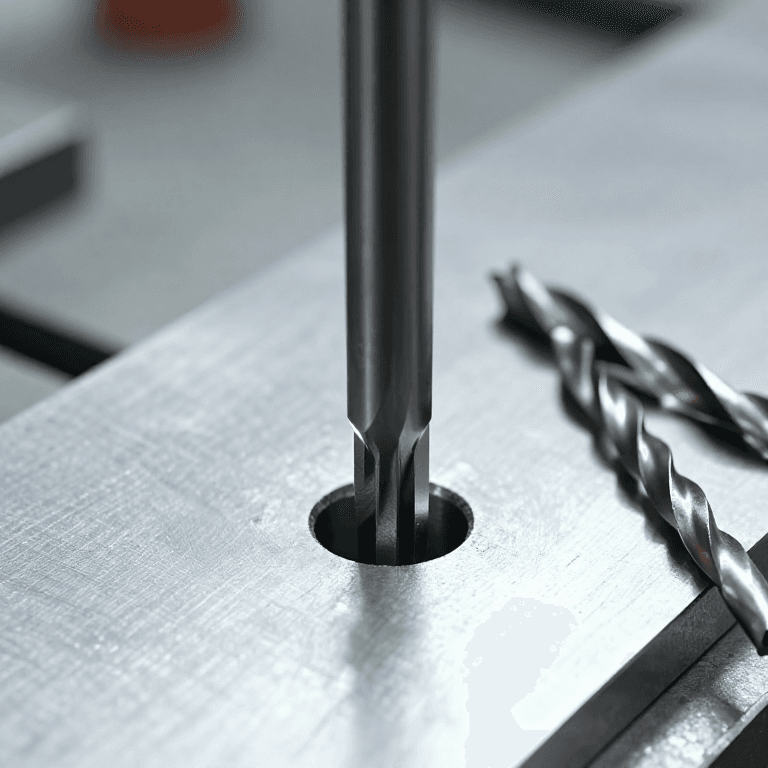
When a bolt clamps two parts together, only the far part should be threaded. The near part gets a CLEARANCE hole — a plain hole slightly bigger than the bolt, which the bolt passes through without touching.
This is the single most commonly skipped step in amateur assembly, and skipping it quietly destroys the joint. A bolt threaded into both parts cannot pull them together: it jacks against the top part's threads and the parts stay apart no matter how hard it is tightened.
The same logic runs through countersinking, counterboring and wood screws — the top part must always be free to be pulled down.
Intermedio
2 hours
Instrucciones
1
1
Why a bolt threaded into both parts cannot clamp
Why a bolt threaded into both parts cannot clamp
Picture two plates with a threaded hole through both, and a bolt wound into them. As the bolt turns it advances through BOTH sets of threads at the same rate. Nothing moves relative to anything: the gap between the plates never closes.
Clamping force comes from stretching the bolt between the head and the threads it is engaged in. That needs the top part to be able to slide along the shank, which it cannot do if it is threaded.
Test it once and it is unforgettable. Two plates, one threaded pair of holes, tighten hard, and they will still rattle. Drill the top one out to clearance and they lock together instantly with much less effort.
Materiales para este paso:
 Placa de acero dulce2 piezas
Herramientas necesarias:
 Juego de brocas
 Surtido de tornillos hexagonales
 Juego de llaves fijas
2
2
How much clearance, and the three standard fits
How much clearance, and the three standard fits
CLOSE fit is about 0.1 to 0.3 mm over the bolt — an M6 in a 6.4 mm hole. It locates the parts precisely and demands accurate hole positions.
NORMAL fit is around 0.5 mm over — M6 in 6.6 mm. This is the everyday default and absorbs ordinary marking-out error. LOOSE fit is a millimetre or more over, for assemblies where the holes cannot be positioned accurately or where thermal movement must be allowed for.
Choose deliberately, because the clearance hole is where you decide how much adjustment the assembly will have. Too tight and the parts fight you; too loose and nothing lines up where you intended.
Materiales para este paso:
Placa de acero dulce1 piezaHerramientas necesarias:
Juego de brocas Calibre vernierSurtido de tornillos hexagonales
3
3
Countersink, counterbore, and getting the depth right
Countersink, counterbore, and getting the depth right
Cargando el cuaderno de Jupyter…
Herramientas necesarias:
 Juego de brocas avellanadoras
 CalculadoraCalibre vernier
4
4
The same rule in wood: the shank hole
The same rule in wood: the shank hole
A wood screw needs two holes, not one: a PILOT hole in the lower piece that the thread bites into, and a SHANK hole in the upper piece that the thread passes through freely.
It is the identical principle. A screw whose thread grips the top piece jacks the two apart instead of pulling them together, and in wood this leaves a visible gap in the joint that no amount of driving will close. Modern screws with an unthreaded upper shank do the same job by being shaped for it.
In hardwood the pilot hole also stops the screw splitting the piece, and near an end grain edge it is not optional at all. Match the pilot to the screw's root diameter — not its outside diameter — and the thread has full material to bite.
Materiales para este paso:
 Tabla de madera dura2 piezas
Herramientas necesarias:
Juego de brocas Juego de destornilladoresJuego de brocas avellanadoras
Materiales
2- 2 piezasMarcador de posición
- 2 piezasMarcador de posición
Herramientas requeridas
7- Marcador de posición
- Marcador de posición
- Marcador de posición
- Marcador de posición
- Marcador de posición
- Marcador de posición
- Marcador de posición
Blueprints relacionados
Estos blueprints comparten conocimiento — técnicas, materiales o principios

CC0 Dominio público
Este Blueprint se publica bajo CC0. Eres libre de copiar, modificar, distribuir y usar este trabajo para cualquier propósito, sin pedir permiso.
Apoya al Maker comprando productos a través de su Blueprint, donde gana una Comisión del Maker establecida por los vendedores, o crea una nueva iteración de este Blueprint e inclúyela como conexión en tu propio Blueprint para compartir ingresos.