ARTE
BELLEZA Y BIENESTAR
ARTESANÍA
CULTURA E HISTORIA
ENTRETENIMIENTO
MEDIO AMBIENTE
COMIDA Y BEBIDAS
INGENIERÍA INVERSA
CIENCIAS
DEPORTES
TECNOLOGÍA
TECNOLOGÍA VESTIBLE
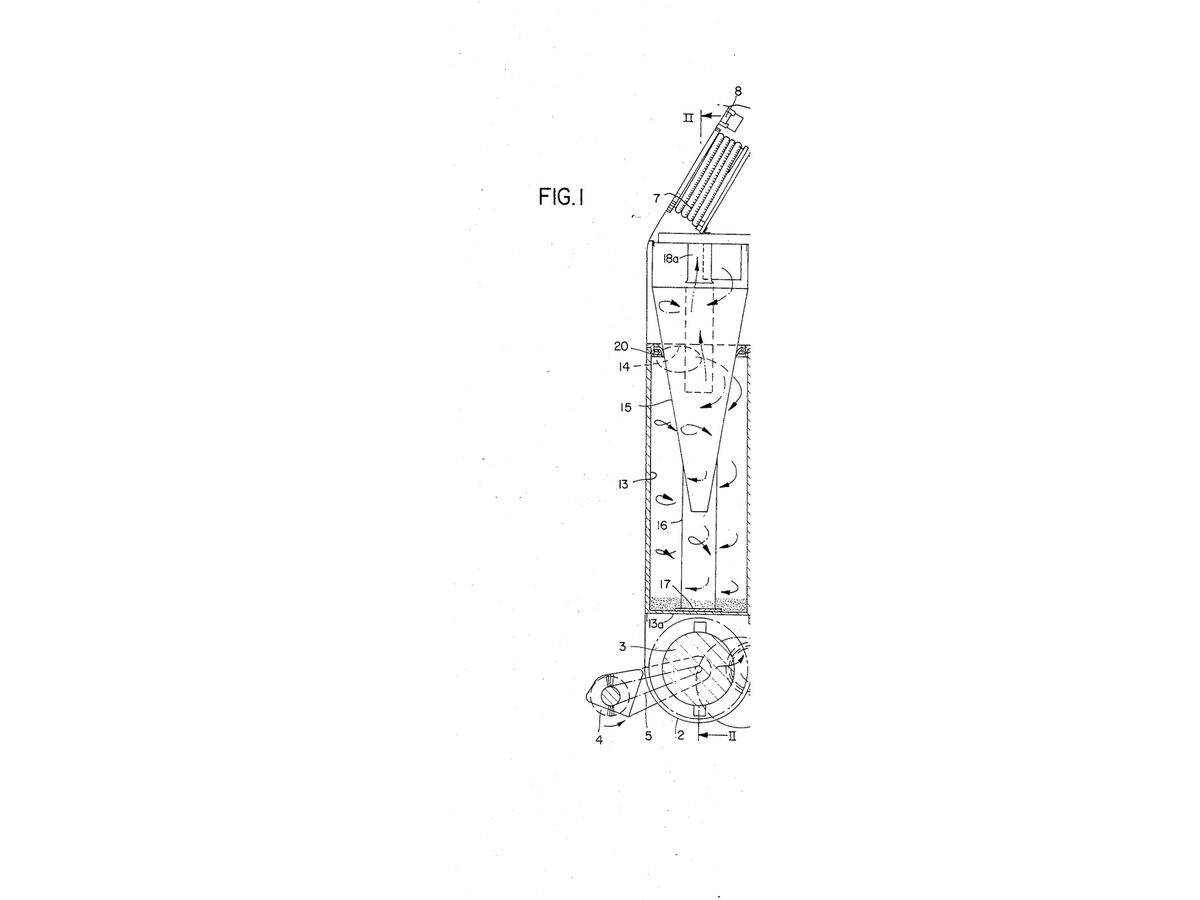


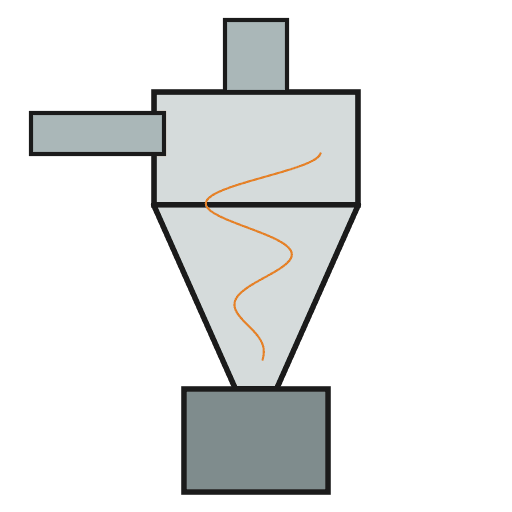
Cyclone Vacuum Separator
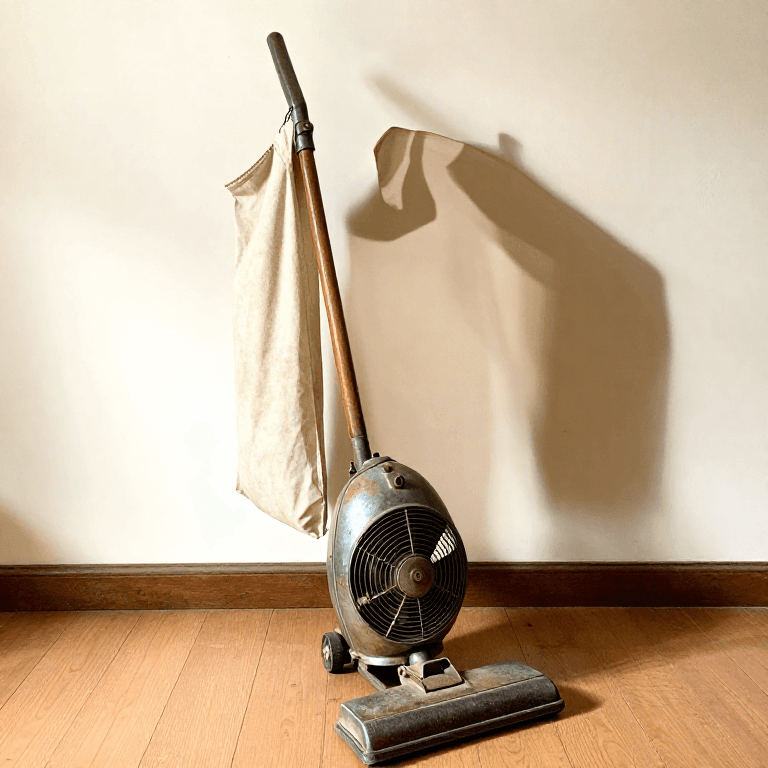
Spangler's cleaner, already published, pulls air through a bag: the bag is both the filter and the bin, so suction falls away as it fills. James Dyson, who had used industrial cyclones in a sawmill, put the same idea in a cleaner - and then a second, finer cyclone behind the first, so both grit and dust come out of the air before any filter.
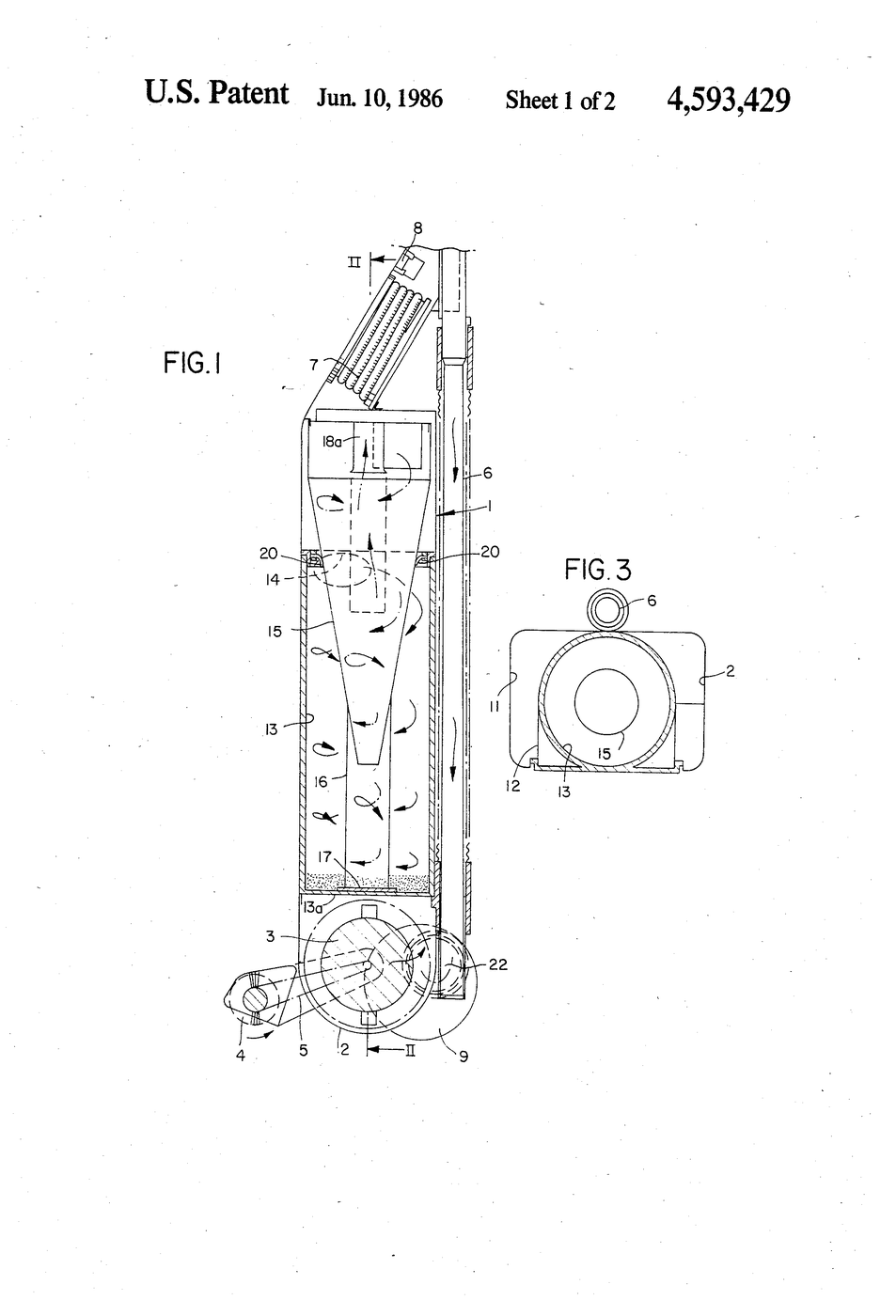
**US 4,593,429**, "Vacuum cleaning appliance", Dyson, filed 14. August 1984, granted 10. June 1986: a lower-efficiency outer cyclone and a high-efficiency inner cyclone in series, so "dust bags are not required".
**You build the outer cyclone** from a bottle and pipe on a workshop vacuum, and weigh what it separates - sawdust and flour - to find where it stops working, and how far a home-made cyclone falls short of the textbook.
Intermedio
3 hours
Instrucciones
1
1
Cut the body
Cut the body
Cut the bottom from a 2 litre bottle: that is the cone, open end down into a jar. The neck end carries the outlet.
Materiales para este paso:
 Botella de plástico para bebidas (2 L)1 pieza
 Tarro de vidrio1 pieza
Herramientas necesarias:
 Cúter de precisión
 Gafas de seguridad transparentes
2
2
Tangential inlet
Tangential inlet
Cut a 20 x 45 mm slot high on the bottle's side and glue in a short PVC pipe so the air enters along the wall, not towards the middle. This is what makes the air spin.
Materiales para este paso:
 Tubo de PVC1 pieza
 Sellador de silicona20 ml
Herramientas necesarias:
Cúter de precisión Regla
Regla3
3
Vortex finder
Vortex finder
Fit a pipe down the centre from the neck so it reaches just below the inlet slot: clean air leaves up this tube. Seal round it. Connect the vacuum to the tube and the inlet to the hose.
Materiales para este paso:
 Surtido de accesorios para tubo de PVC1 juego
 Tubo de vinilo transparente1 metro
Herramientas necesarias:
 Pistola de cola caliente
 Cinta de carrocero
4
4
A filter you can weigh
A filter you can weigh
Tape a weighed coffee filter paper over the vacuum's own inlet as a catch filter. Everything the cyclone misses lands there.
Materiales para este paso:
 Filtros de café / papel de filtro2 piezas
Herramientas necesarias:
 Báscula digital de precisión
5
5
Feed it two dusts
Feed it two dusts
Weigh 50 g of sawdust and feed it slowly into the hose with the vacuum running. Weigh what lands in the jar and what the stocking gained. Repeat with 50 g of flour, and once more with the cyclone bypassed.
Materiales para este paso:
 Serrín50 g
 Harina común50 g
Herramientas necesarias:
 Aspiradora de tallerBáscula digital de precisión
6
6
Cut size and your efficiency
Cut size and your efficiency
Cargando el cuaderno de Jupyter…
7
7
History & Context
History & Context
**What the patent specifies:** two cyclones in series - a coarse one and a fine one - so no dust bag is needed and the air leaving is substantially clean. **Modern build (derived):** the coarse stage alone, on a workshop vacuum, with a weighed filter behind it.
Cyclones were old in industry - sawmills and cement works had used them for a century - and the invention was bringing them, in series, into a domestic cleaner. Their limits: fine dust below the cut size still needs a filter, cyclones cost pressure drop, and a full bin upsets the flow.
Materiales
9- Marcador de posición
- 1 piezaMarcador de posición
- 1 piezaMarcador de posición
- 20 mlMarcador de posición
- Marcador de posición
- 1 metroMarcador de posición
- Marcador de posición
- 50 gMarcador de posición
- 50 gMarcador de posición
Herramientas requeridas
7- Marcador de posición
- Marcador de posición
- Marcador de posición
- Marcador de posición
- Marcador de posición
- Marcador de posición
- Marcador de posición
Este plano hace
Blueprints relacionados
Estos blueprints comparten conocimiento — técnicas, materiales o principios

CC0 Dominio público
Este Blueprint se publica bajo CC0. Eres libre de copiar, modificar, distribuir y usar este trabajo para cualquier propósito, sin pedir permiso.
Apoya al Maker comprando productos a través de su Blueprint, donde gana una Comisión del Maker establecida por los vendedores, o crea una nueva iteración de este Blueprint e inclúyela como conexión en tu propio Blueprint para compartir ingresos.