ARTE
BELLEZA Y BIENESTAR
ARTESANÍA
CULTURA E HISTORIA
ENTRETENIMIENTO
MEDIO AMBIENTE
COMIDA Y BEBIDAS
INGENIERÍA INVERSA
CIENCIAS
DEPORTES
TECNOLOGÍA
TECNOLOGÍA VESTIBLE
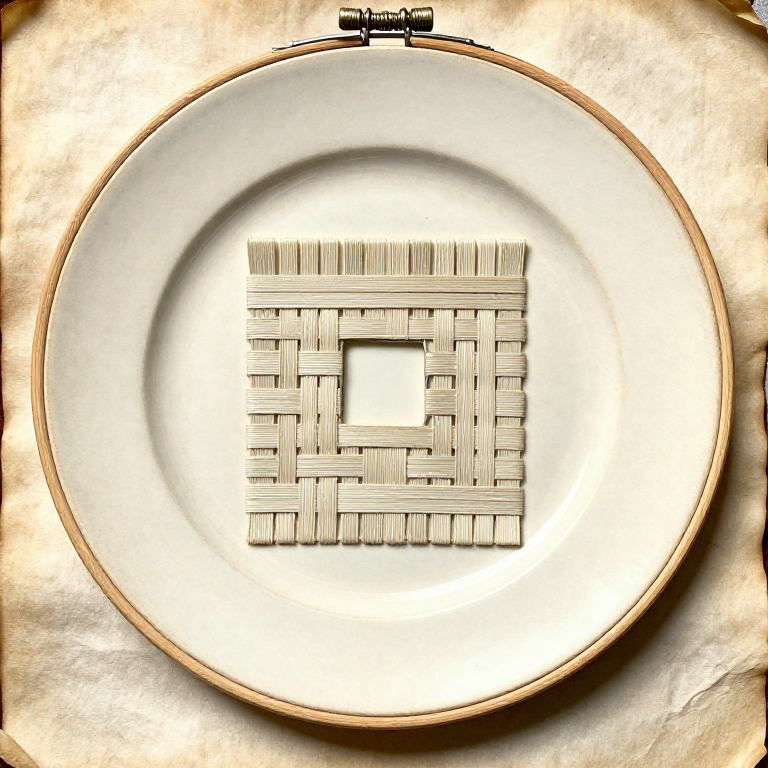


Darning and Patching: Repairing Cloth Instead of Replacing It
A hole in cloth is either filled with new thread or covered with new cloth. DARNING weaves a small patch of fabric in place across the hole; PATCHING puts a piece of material over or behind it.
Which to use depends on the size of the hole and what the cloth does. A darn is best on something that stretches and where bulk matters — a sock heel, a jumper elbow. A patch is better on a large hole and on woven cloth that takes strain.
Both are far quicker than people expect, and both are the difference between a garment lasting three years and lasting fifteen.
Intermedio
3 hours
Instrucciones
1
1
Stabilise the hole before doing anything else
Stabilise the hole before doing anything else
A hole grows. The threads around its edge are already weakened, and every wear cycle pulls more of them free — which is why a small hole becomes a big one surprisingly fast.
Work a ring of small running stitches around the hole, a centimetre or so out into sound fabric, before you start. That stops it spreading while you work and gives the repair something solid to attach to.
Trim away any loose or frayed threads at the edge, but do not cut into sound material to 'tidy' the hole. Every millimetre you cut is a millimetre the repair has to span.
Materiales para este paso:
 Tejido de lino1 pieza
 Hilo de coser1 pieza
Herramientas necesarias:
 Agujas de coser a mano
 Tijeras de sastre
 Bastidor de bordar
2
2
Darning: weave a new piece of cloth in the gap
Darning: weave a new piece of cloth in the gap
Stretch the area over a darning mushroom or an embroidery hoop so it is flat and under slight tension. Lay a set of parallel threads across the hole, anchored well into the sound fabric on each side.
Then weave a second set at right angles through the first — over, under, over, under — exactly as a loom does, reversing the alternation each row. What you are making is a small piece of woven cloth occupying the hole, and it behaves like cloth rather than like a lump of thread.
Keep it loose. A darn pulled tight puckers the surrounding fabric and then tears at its own edges, which is where a failed darn almost always goes.
Materiales para este paso:
Hilo de coser1 piezaTejido de lino1 piezaHerramientas necesarias:
Bastidor de bordarAgujas de coser a mano Dedal (metálico)
3
3
Patching: over the top or underneath
Patching: over the top or underneath
An applied patch sits on the outside and is sewn down around its edges. It is strong, quick, and visible — which is fine on workwear and is the whole aesthetic of sashiko and boro mending.
An inset patch goes BEHIND the hole, and the edges of the hole are turned under and stitched down onto it. It is far less visible and takes longer.
Match the patch to the garment: same fibre, similar weight, and pre-washed so it does not shrink differently on the first wash. And cut it on the same grain — a patch cut on the bias stretches differently from the cloth around it and ripples after a few wears.
Materiales para este paso:
Tejido de lino2 piezasHilo de coser1 piezaHerramientas necesarias:
Tijeras de sastre Alfileres de costura
 Plancha de ropa
4
4
Reinforce before it wears through
Reinforce before it wears through
The best repair is the one done before the hole. A thin patch of fabric sewn behind an elbow, a knee or a heel that is going shiny takes minutes and prevents the hole entirely.
Learn where things wear: elbows, knees, seat, heels and toes, cuff edges, collar folds, and wherever a strap or a pocket rubs. Those are the same few places on nearly every garment, and they are visible as thinning long before they open.
This is the textile version of the maintenance rung from sharpening: attend to it on a schedule rather than after a failure, and the object lasts several times as long for a fraction of the work.
Materiales para este paso:
Tejido de lino1 piezaHilo de coser1 piezaHerramientas necesarias:
Agujas de coser a manoAlfileres de costura Lupa de relojero
Materiales
2- 5 piezasMarcador de posición
- 4 piezasMarcador de posición
Herramientas requeridas
7- Marcador de posición
- Marcador de posición
- Marcador de posición
- Marcador de posición
- Marcador de posición
- Marcador de posición
- Marcador de posición
Este plano hace
Blueprints relacionados
Estos blueprints comparten conocimiento — técnicas, materiales o principios
CC0 Dominio público
Este Blueprint se publica bajo CC0. Eres libre de copiar, modificar, distribuir y usar este trabajo para cualquier propósito, sin pedir permiso.
Apoya al Maker comprando productos a través de su Blueprint, donde gana una Comisión del Maker establecida por los vendedores, o crea una nueva iteración de este Blueprint e inclúyela como conexión en tu propio Blueprint para compartir ingresos.