ARTE
BELLEZA Y BIENESTAR
ARTESANÍA
CULTURA E HISTORIA
ENTRETENIMIENTO
MEDIO AMBIENTE
COMIDA Y BEBIDAS
INGENIERÍA INVERSA
CIENCIAS
DEPORTES
TECNOLOGÍA
TECNOLOGÍA VESTIBLE
Youblob (generated from this blueprint's notebook) · CC0

Drying Grain for Storage: Warm Air That Carries the Water Away
Grain harvested damp heats, moulds and spoils in the bin. Left to dry in the field it shatters and is lost. Drying brings it down to a moisture at which it keeps — the figure storage guidance gives for the crop and the length of storage, commonly around 13–14 % (wet basis) for wheat — by blowing air through it, warmed so that it can carry more water.
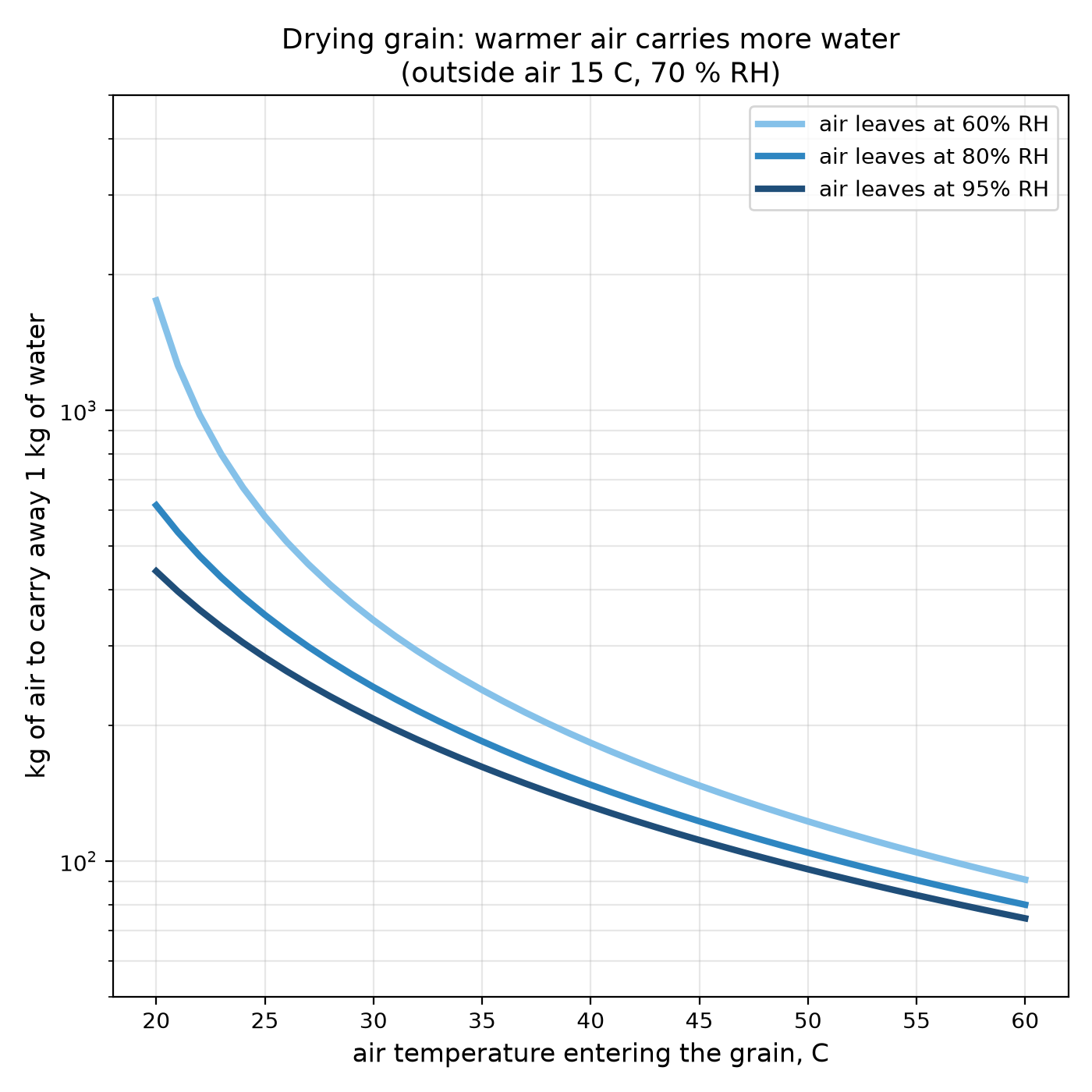
Everything about a dryer follows from two calculations: how much water must go, and how much it takes each kilogram of air to carry it. The air's temperature and humidity decide both how far the grain can dry and how much fuel it costs.
This rung works out the water to remove, the air and heat it needs, and dries a batch of wetted wheat on the bench, weighing it as it goes.
Intermedio
About 5 hours
Instrucciones
1
1
Water to remove, air and heat to remove it
Water to remove, air and heat to remove it
Cargando el cuaderno de Jupyter…
2
2
Measure the air first
Measure the air first
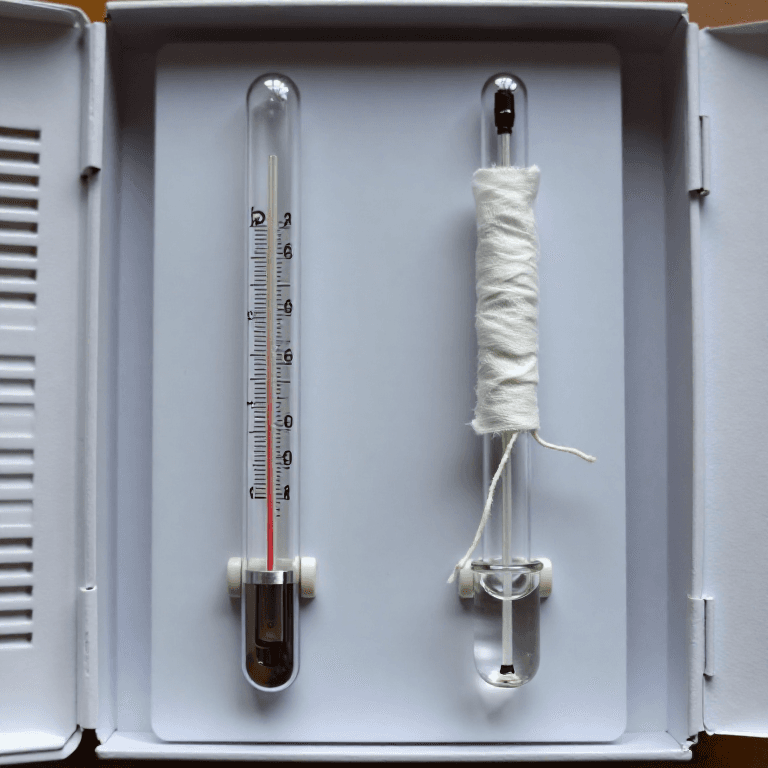
Drying depends on the air's temperature and humidity. The embedded blueprint builds the instrument that measures both; use it on the air going in and coming out.
3
3
Wet a batch of wheat to a known moisture
Wet a batch of wheat to a known moisture
Find the moisture of your wheat berries first: weigh 20 g into a dish, dry it in the oven at about 105 °C and reweigh every hour until the mass stops falling. The loss divided by the starting mass is its moisture, wet basis. (This is a simple reference, not an official grain-moisture method.)
Weigh 1 kg of the wheat into a jar. Work out the water to add to bring it to 20 % wet basis — the dry matter stays fixed, so the target wet mass is dry mass ÷ 0.80. Add the water, seal the jar, shake it, and leave it overnight so the kernels take it up.
Materiales para este paso:
 Granos de trigo2 kilogram
 Agua1 litro
Herramientas necesarias:
 Báscula digital de cocina
 Tarro de vidrio
 Cronómetro
4
4
Dry it and follow the curve
Dry it and follow the curve
Make a drying box: a plywood box open at the top, with a mesh screen floor 50 mm above its base and a side inlet below the mesh. Blow air in with the box fan through a cardboard duct, with the heat gun on its lowest setting aimed into the duct. Keep the air under the mesh below 50 °C — check with the thermometer — so the heat gun is never near the grain.
Spread the damp wheat on the mesh 50 mm deep. Weigh the whole box every 15 minutes. From the fixed dry matter, work out the moisture at each weighing and plot it against time. Read the psychrometer on the air entering and leaving: at first the outgoing air is cool and humid; as the grain nears dryness it leaves warmer and drier, and drying slows. Stop at 14 %.
Materiales para este paso:
 Malla metálica1 pieza
 Tablero contrachapado1 pieza
 Láminas de cartón corrugado1 pieza
Herramientas necesarias:
 Ventilador de caja (velocidad variable)
 Pistola de aire caliente
 Termómetro de cocina
 Anemómetro de manoBáscula digital de cocinaCronómetro
 Taladro inalámbrico
5
5
A drying batch that is not drying well
A drying batch that is not drying well
Grain drying problems and what they point to.
Flow
Loading...
6
6
Context and honest limits
Context and honest limits
Drying grain with forced air replaced drying it standing in stooks, and made combining possible in damp climates. On-farm bins with a perforated floor and a fan, with or without heat, and continuous-flow dryers work by the same balance.
**Honest limits.** The notebook assumes the air leaves at a fixed humidity; in a real bin it changes as the drying front moves. The safe storage moisture depends on the crop, the temperature and how long it is kept — use local guidance, not the notebook. Grain dryers carry a fire risk from dust and chaff; never leave a heated dryer unattended.
Materiales
5- 2 kilogramMarcador de posición
- 1 litroMarcador de posición
- 1 piezaMarcador de posición
- 1 piezaMarcador de posición
- 1 piezaMarcador de posición
Herramientas requeridas
8- Marcador de posición
- Marcador de posición
- Marcador de posición
- Marcador de posición
- 1 vendor sell this, none ship to you yetMarcador de posición
- Marcador de posición
- Marcador de posición
- 1 vendor sell this, none ship to you yetMarcador de posición
Blueprints relacionados
Estos blueprints comparten conocimiento — técnicas, materiales o principios
The Wet-and-Dry Bulb Psychrometer
por Penny
Termodinámica
46
0
0
0
0
0

Equilibrium Moisture Content: The Wood Is Always Chasing the Room
por Woody
Carpintería
40
0
0
0
0
0
Egyptian Grain Silo — Constructing a Beehive-Shaped Grain Silo
por Emma
Albañilería
111
0
0
0
0
0
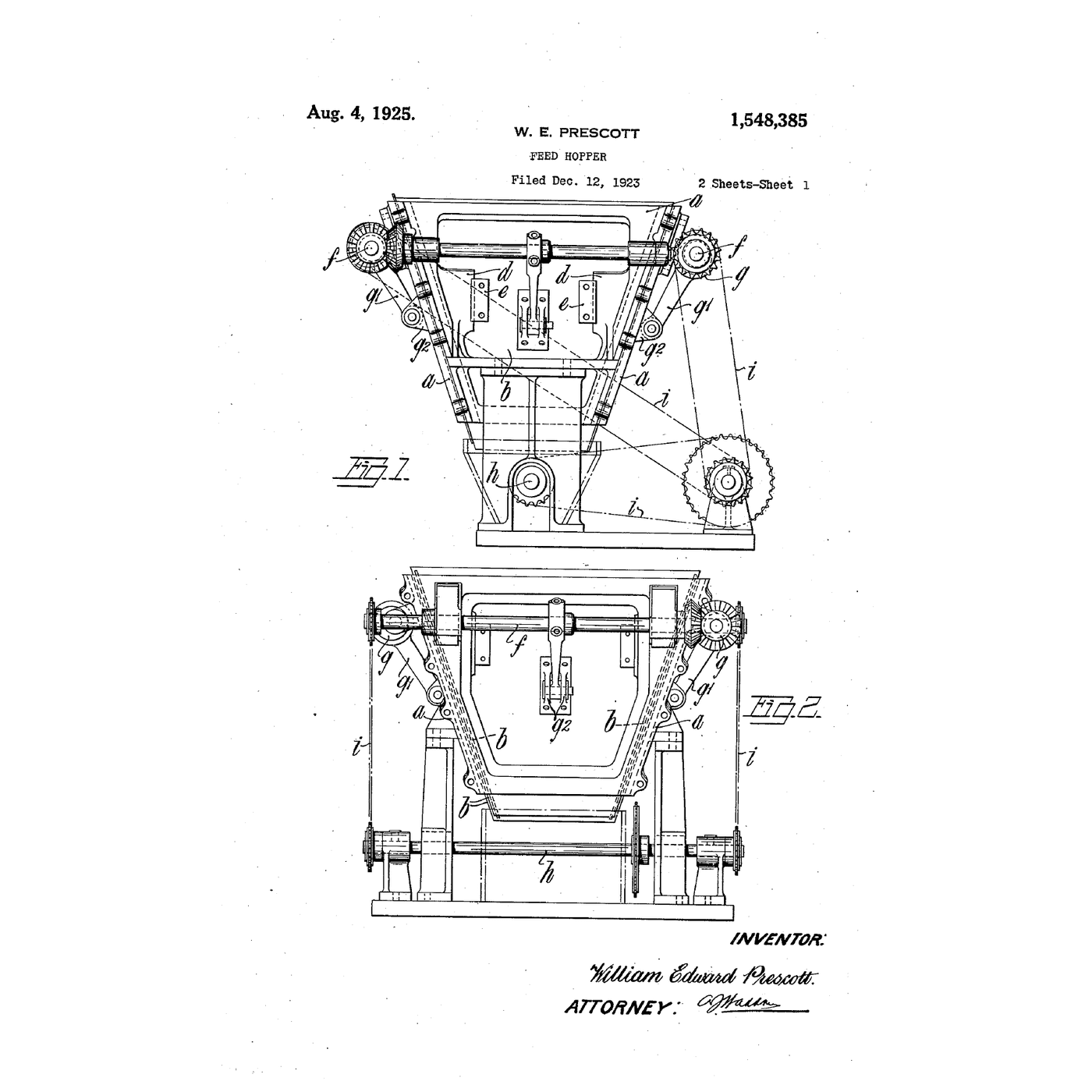
The Bin That Stops Flowing: Arching, Ratholing, and the Gate That Causes It
por Martin
Trabajo en Metal
43
0
0
0
0
0

The Sirocco Fan: Many Shallow Forward-Curved Blades
por Emma
Mecánica
36
0
0
0
0
0
CC0 Dominio público
Este Blueprint se publica bajo CC0. Eres libre de copiar, modificar, distribuir y usar este trabajo para cualquier propósito, sin pedir permiso.
Apoya al Maker comprando productos a través de su Blueprint, donde gana una Comisión del Maker establecida por los vendedores, o crea una nueva iteración de este Blueprint e inclúyela como conexión en tu propio Blueprint para compartir ingresos.