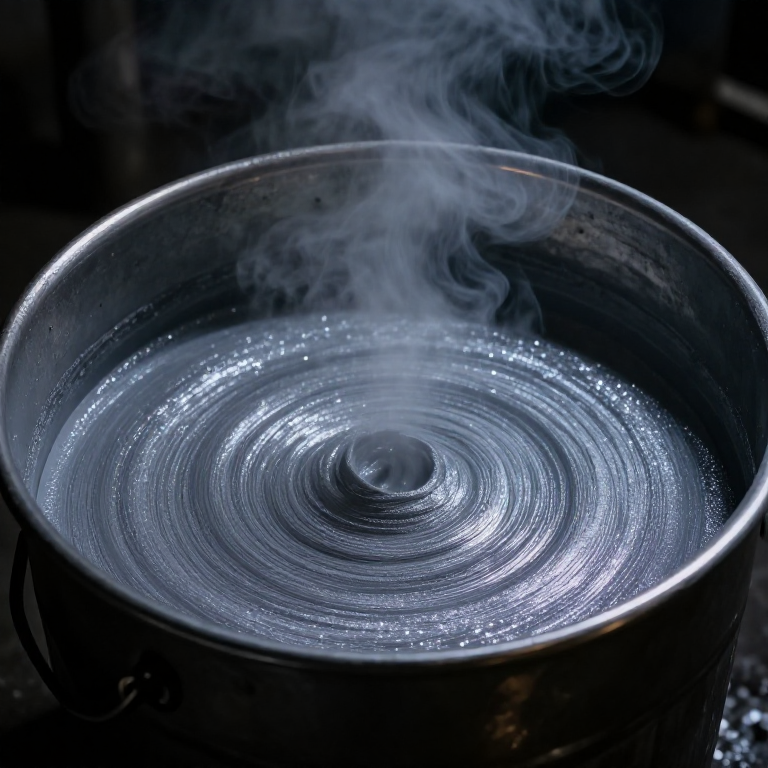


Galvanizing Iron with Zinc — A Coat That Rusts So the Iron Will Not
Iron's great weakness is rust. Left in the weather, an iron roof or bucket flakes away to nothing in a few years. In 1837 the French engineer Stanislas Sorel patented a cure that is still used on a vast scale today: dip the iron in a bath of molten zinc. The zinc bonds to the surface and shields the iron beneath, and galvanized iron suddenly lasted for decades outdoors.
The zinc protects in two ways at once. It is a barrier, sealing the iron from air and water — but more cleverly, it is a sacrifice. Zinc is more reactive than iron, so even where the coating is scratched and bare iron shows, the surrounding zinc corrodes first and spares the iron. The coating gives up itself to save the metal underneath.
Hot-dip galvanizing clad the Industrial Revolution's wire, nails, pipes, and the corrugated iron roofs that sheltered half the world. It is simple in principle — clean the iron, flux it, and dip it in molten zinc — but every step matters, because a missed patch of grease or rust leaves a hole in the armour.
Instrucciones
Understand galvanizing
Understand galvanizing
Degrease the iron
Degrease the iron
Materiales para este paso:
 Sosa cáustica (hidróxido de sodio)200 g
Pickle off the rust
Pickle off the rust
Materiales para este paso:
 Ácido sulfúrico2 litros
Herramientas necesarias:
 Cuba de ácido
Rinse and flux
Rinse and flux
Materiales para este paso:
 Cloruro de cinc y amonio300 g
Dry the fluxed part
Dry the fluxed part
Melt the zinc bath
Melt the zinc bath
Materiales para este paso:
 Lingote de zinc50 kg
Dip the iron
Dip the iron
Herramientas necesarias:
 Tenazas para crisol
Hold until soaked through
Hold until soaked through
Herramientas necesarias:
Tenazas para crisolWithdraw and drain
Withdraw and drain
Herramientas necesarias:
 Cesta de inmersión
Cool the coating
Cool the coating
Materiales para este paso:
 Agua20 litros
Inspect the coat
Inspect the coat
Herramientas necesarias:
 Calibre digital de 6 pulgadas
Understand sacrificial protection
Understand sacrificial protection
Materiales
5- Marcador de posición
- 2 litrosMarcador de posición
- Marcador de posición
- 50 kgMarcador de posición
- 20 litrosMarcador de posición
Herramientas requeridas
4- Marcador de posición
- Marcador de posición
- Marcador de posición
- Marcador de posición
Materiales de Blueprints conectados
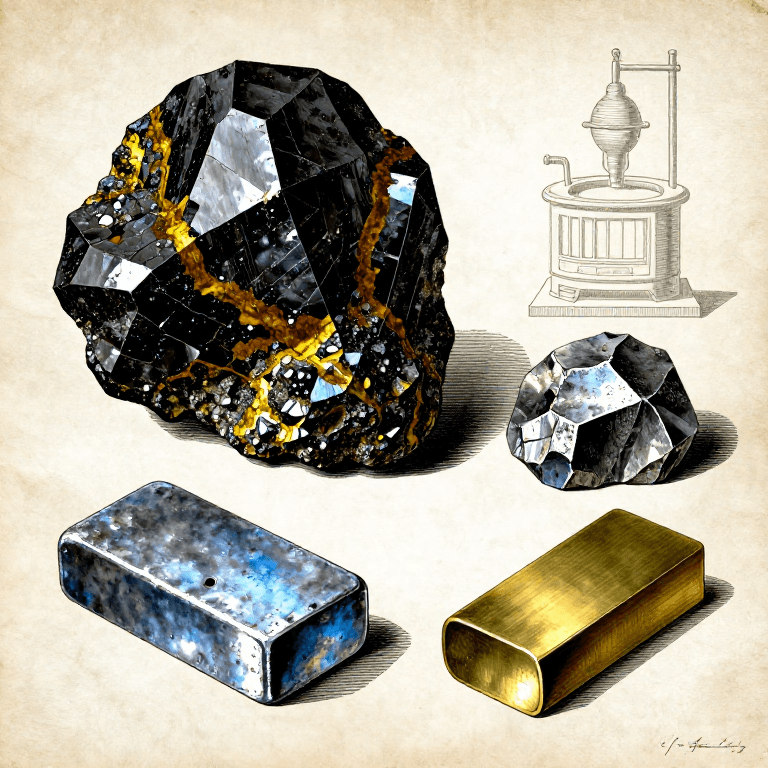


Este plano hace
Blueprints relacionados
Estos blueprints comparten conocimiento — técnicas, materiales o principios

CC0 Dominio público
Este Blueprint se publica bajo CC0. Eres libre de copiar, modificar, distribuir y usar este trabajo para cualquier propósito, sin pedir permiso.
Apoya al Maker comprando productos a través de su Blueprint, donde gana una Comisión del Maker establecida por los vendedores, o crea una nueva iteración de este Blueprint e inclúyela como conexión en tu propio Blueprint para compartir ingresos.