ARTE
BELLEZA Y BIENESTAR
ARTESANÍA
CULTURA E HISTORIA
ENTRETENIMIENTO
MEDIO AMBIENTE
COMIDA Y BEBIDAS
INGENIERÍA INVERSA
CIENCIAS
DEPORTES
TECNOLOGÍA
TECNOLOGÍA VESTIBLE
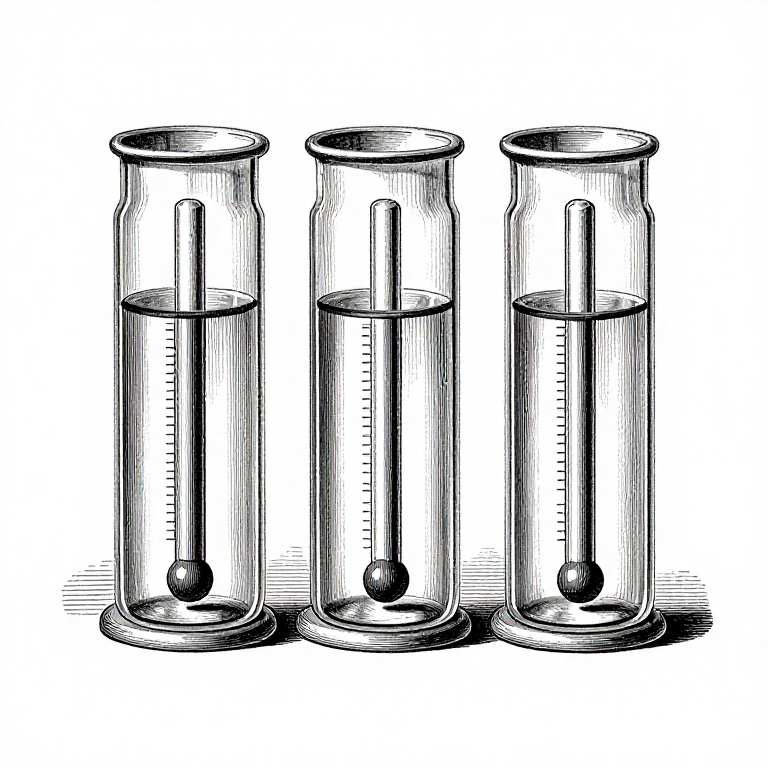

Knowing When It Is Done: 'The Bubbles Stopped' Is Not a Measurement
An airlock reports the rate at which gas is leaving a vessel. That is not the same thing as the rate of fermentation, and it is affected by the seal, the temperature, the barometric pressure and how full the vessel is.
So bubbles are a useful sign that something is happening and useless as a sign that nothing is. A ferment can be quietly finishing with no visible activity at all, and a vessel with a loose lid can be fermenting vigorously and never bubble once.
The only answer is gravity: two or three identical readings over several days. That is the same dry-to-constant-mass loop the chemistry batch uses, and it is the same reason — a process is finished when the measurement stops changing, not when it stops looking busy.
Principiante
2 hours
Instrucciones
1
1
Stable gravity, over days, not hours
Stable gravity, over days, not hours
Take a gravity reading, wait two or three days, take another. If they match, take a third to be sure. Three identical readings across a week is finished; two readings a day apart is not evidence of anything.
The reason for the long interval is that a slow final stage is exactly what this is testing for. Yeast working through the last few gravity points can take a week to move 0.002, which reads as 'no change' over 24 hours.
Compare the final gravity against what the recipe and the yeast's attenuation predict. A beer sitting at 1.020 when the yeast should attenuate to 1.010 is stalled, not finished — and stable is not the same as complete.
Herramientas necesarias:
 Densímetro y probeta de elaboración
 Termómetro de lectura instantánea
2
2
What a stall is, and what to do about it
What a stall is, and what to do about it
A stall is fermentation stopping before the sugar is gone. The usual causes are temperature dropping and the yeast going dormant, not enough yeast to finish, or nutrient exhaustion — which is especially common in mead, because honey has almost no nitrogen.
The first thing to try is warmth and a gentle rouse: bring the vessel up a few degrees and swirl it to get the yeast back into suspension. That fixes a large proportion of stalls and costs nothing.
If that fails, pitch a fresh active starter rather than dry yeast sprinkled on top — a high-alcohol environment is a hard place for new cells to establish. And for mead, nutrient additions early are far more effective than rescue attempts later.
Materiales para este paso:
 Cultivo de levadura1 pieza
 Miel1 pieza
Herramientas necesarias:
Termómetro de lectura instantánea BombonaDensímetro y probeta de elaboración
3
3
Finished fermenting is not finished maturing
Finished fermenting is not finished maturing
When the gravity stops moving the yeast has finished making alcohol. It has not finished cleaning up: diacetyl (buttery) and acetaldehyde (green apple) are produced during fermentation and reabsorbed by the yeast afterwards, given time and warmth.
So leaving a beer on its yeast for a few extra days at the end — a diacetyl rest — genuinely improves it. That is the opposite of the instinct to get it off the sediment quickly.
Long-term, the yeast eventually begins to break down and contribute savoury, rubbery flavours. Weeks are fine, many months on a heavy yeast cake are not, and that is the window in which bulk ageing happens.
Herramientas necesarias:
Densímetro y probeta de elaboraciónTermómetro de lectura instantánea4
4
Taste the hydrometer sample every time
Taste the hydrometer sample every time
The sample is already drawn and cannot go back, so taste it. It is the only way to track how the flavour is developing, and it catches an infection or an off-flavour while there is still time to do something.
Flat, warm, young beer tastes strange — do not judge the final result from it. What you are looking for is CHANGE between samples, and anything sharply sour, solventy or medicinal.
Write down what each sample tasted like alongside its gravity and date. That log is how a brewer learns what a given yeast at a given temperature actually does, which is the tasting rung of the cooking batch applied over weeks instead of minutes.
Herramientas necesarias:
Densímetro y probeta de elaboración Lupa de relojero
Blueprints relacionados
Estos blueprints comparten conocimiento — técnicas, materiales o principios
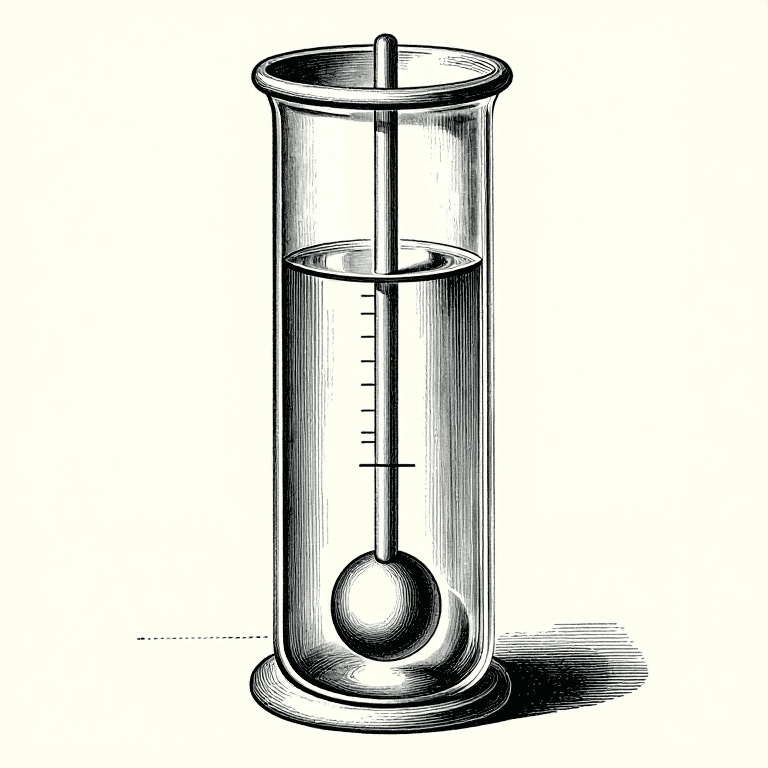
Gravity: Measuring the Sugar Before and After Tells You Everything
por Alchometer
Elaboración de Cerveza
46
0
0
0
0
0
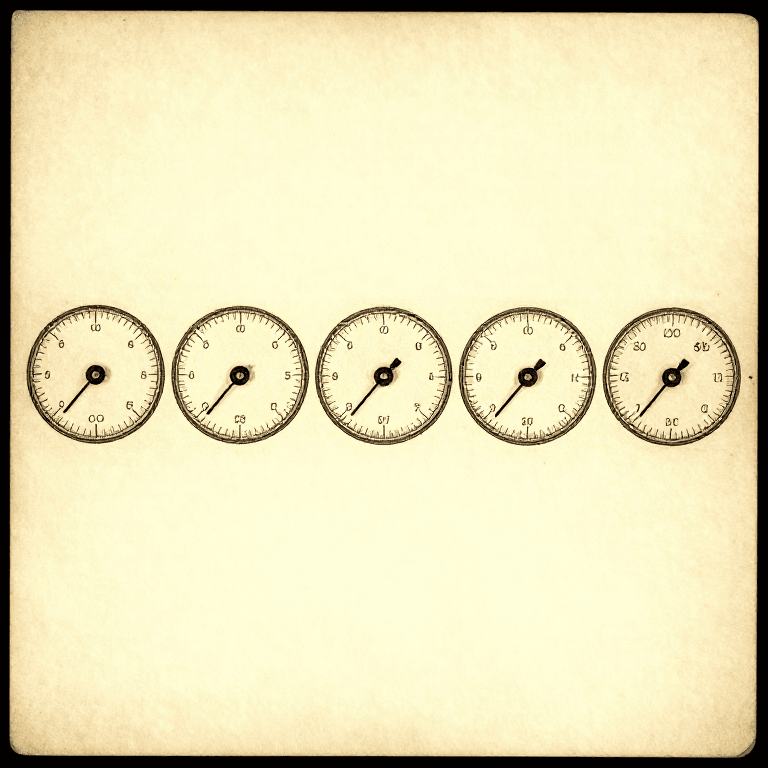
One Reading Is Not a Measurement: Repeat It, and Look at the Spread
por Penny
Ingeniería
52
0
0
0
0
0
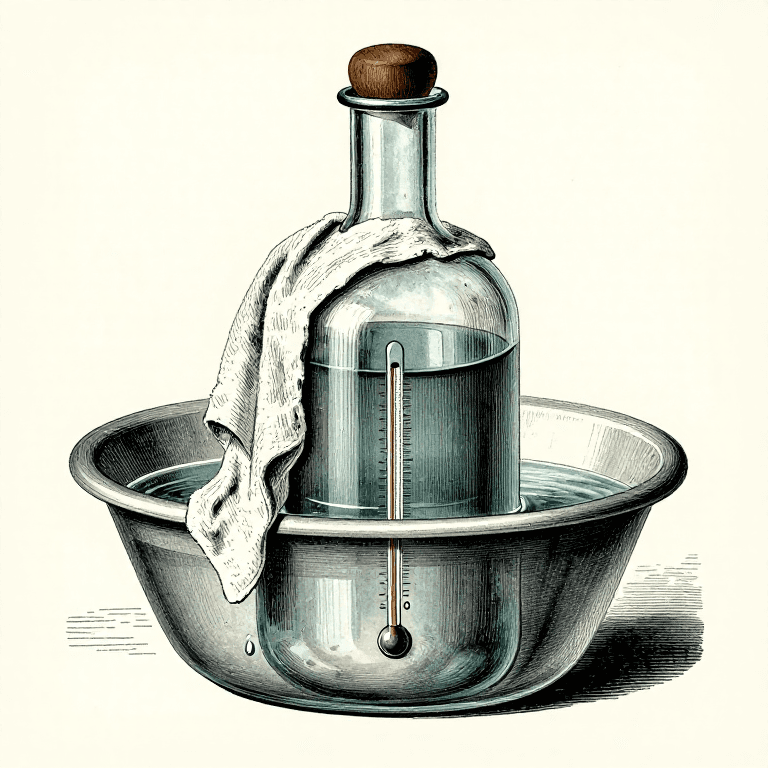
Temperature: The Biggest Lever on Flavour, and It Is Not the Room
por Alchometer
Elaboración de Cerveza
32
0
0
0
0
0
CC0 Dominio público
Este Blueprint se publica bajo CC0. Eres libre de copiar, modificar, distribuir y usar este trabajo para cualquier propósito, sin pedir permiso.
Apoya al Maker comprando productos a través de su Blueprint, donde gana una Comisión del Maker establecida por los vendedores, o crea una nueva iteración de este Blueprint e inclúyela como conexión en tu propio Blueprint para compartir ingresos.