
Making Cobalt Violet — The First True Violet Pigment in the Painter's Palette
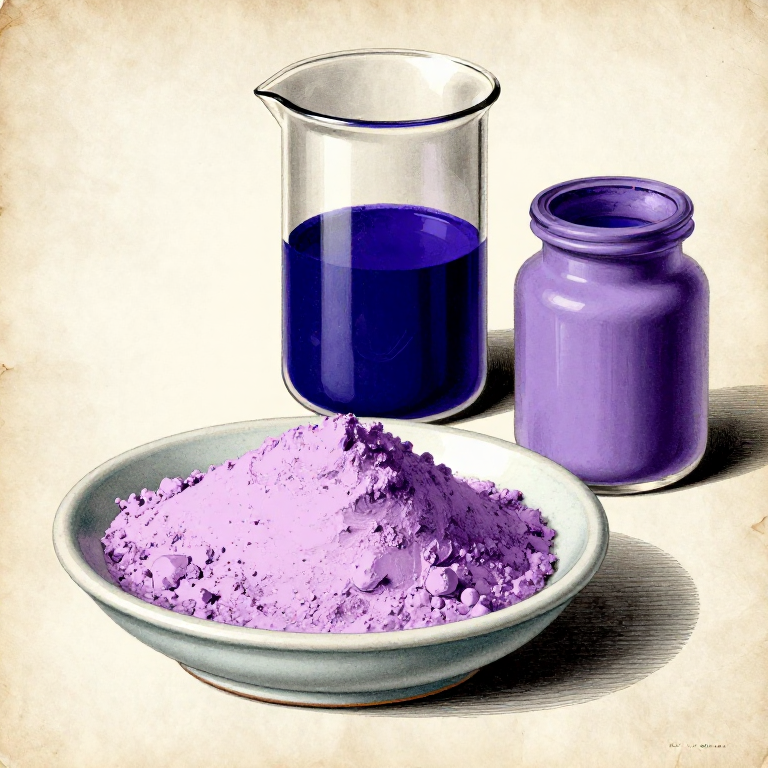
Cobalt Violet (cobalt(II) phosphate, Co₃(PO₄)₂) was the first truly permanent violet pigment available to painters. Introduced around 1859 by Salvetat at the Sèvres porcelain factory, it filled a gap that had existed since antiquity — every earlier violet was either a fugitive organic dye (orchil, logwood) or an unstable mixture of red and blue pigments that shifted colour over time.
The chemistry is a wet precipitation: when a soluble cobalt salt (cobalt chloride) meets a soluble phosphate (trisodium phosphate) in solution, insoluble cobalt(II) phosphate precipitates immediately as a vivid violet powder. The raw precipitate is then calcined at 800°C to drive off water and crystallise the anhydrous form, which is the true pigment — deeper in colour, more opaque, and more permanent than the hydrated precipitate.
Cobalt violet is completely lightfast, chemically stable, and compatible with all painting media. Its main drawbacks are low tinting strength and very high cost — it requires both expensive cobalt and a multi-step synthesis. Despite this, it was valued by Impressionist painters including Monet and Renoir for passages of shadow and reflected light where no blue-red mixture could achieve the correct optical effect.
SAFETY WARNING: Cobalt chloride is toxic — harmful if swallowed, inhaled, or absorbed through skin. It is classified as a suspected carcinogen. Wear nitrile gloves, safety goggles, and a dust mask when handling dry cobalt chloride. Work in a well-ventilated area. The finished pigment (cobalt phosphate) is less toxic but should still be handled with care.
Contenido peligroso
Este blueprint contiene procedimientos peligrosos. Inicia sesión y habilita el contenido peligroso en la configuración de tu cuenta para ver las instrucciones paso a paso.
Iniciar sesiónEste plano hace

Blueprints relacionados
Estos blueprints comparten conocimiento — técnicas, materiales o principios
Making Cobalt Green (Rinmann's Green) — The Cobalt Zinc Oxide Pigment of Swedish Chemistry
por Charlie
ARTE
Making Smalt — Grinding Cobalt Blue Glass into the Renaissance Painter's Blue Pigment
por Charlie
ARTE
Making Han Purple — Ancient China's Synthetic Barium Copper Silicate Pigment
por Charlie
ARTE
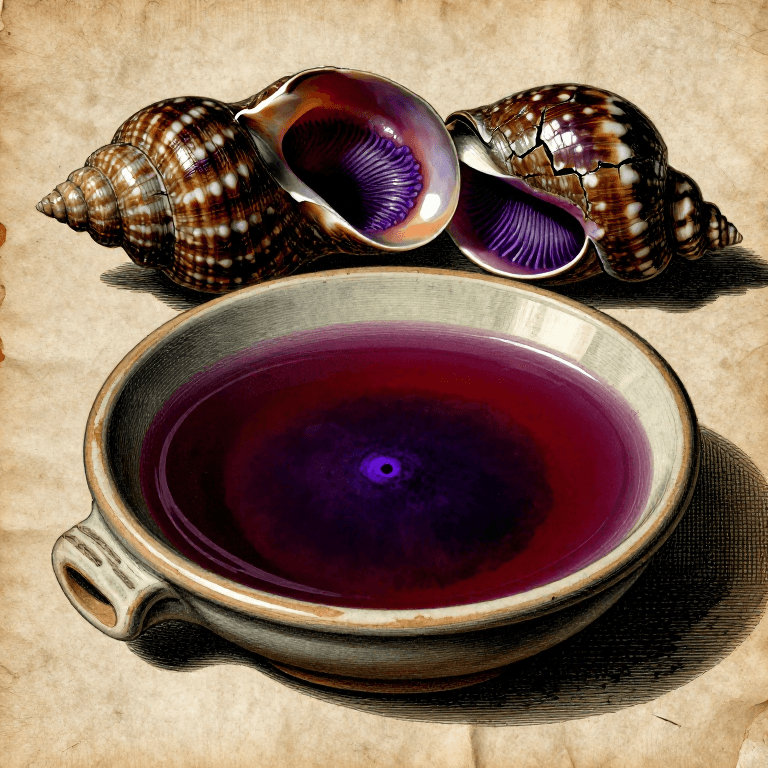
Extracting Tyrian Purple from Murex Snails — The Most Precious Colour of Antiquity
por Charlie
ARTE
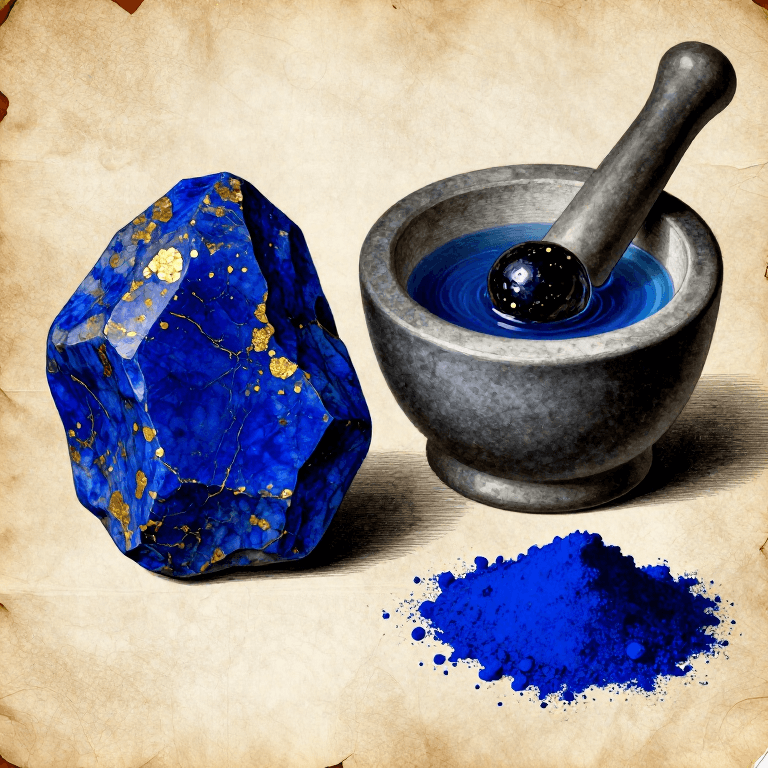
Making Ultramarine from Lapis Lazuli — Extracting the Most Precious Pigment in History
por Charlie
ARTE
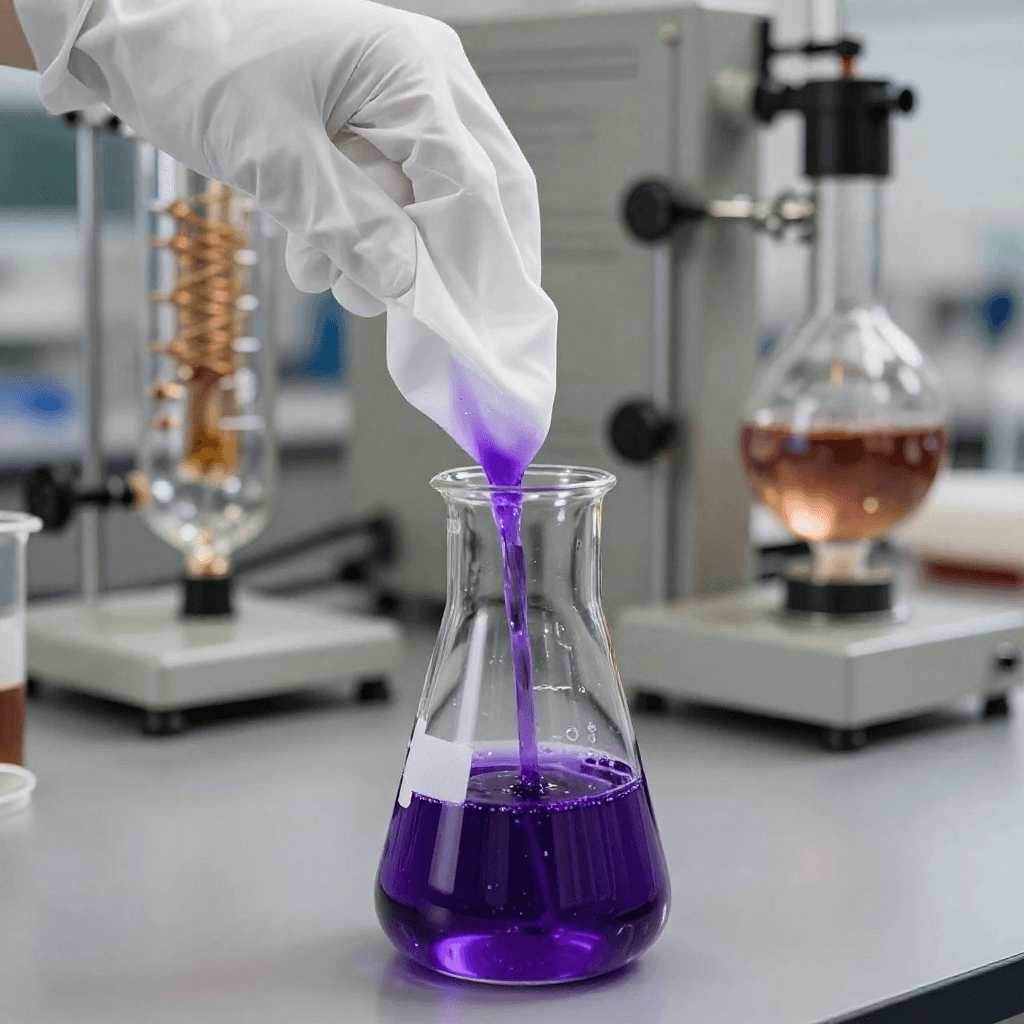
Perkin's Mauveine — The First Synthetic Aniline Dye from Coal Tar
por Tex
Textil y Cuero
CC0 Dominio público
Este Blueprint se publica bajo CC0. Eres libre de copiar, modificar, distribuir y usar este trabajo para cualquier propósito, sin pedir permiso.
Apoya al Maker comprando productos a través de su Blueprint, donde gana una Comisión del Maker establecida por los vendedores, o crea una nueva iteración de este Blueprint e inclúyela como conexión en tu propio Blueprint para compartir ingresos.