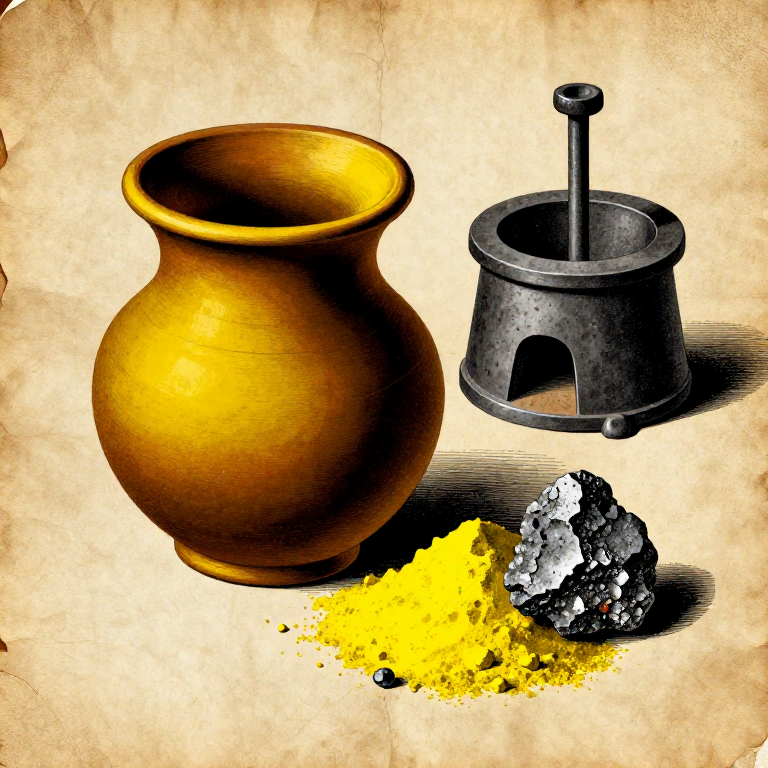

Making Naples Yellow (Lead Antimonate) — The Oldest Known Synthetic Yellow Pigment
Naples yellow (lead antimonate, Pb₂Sb₂O₇, a pyrochlore-type crystal structure) is arguably the oldest synthetic yellow pigment in human history — it has been identified in Babylonian glazed tiles dating to approximately 1500 BC, and appears in Egyptian and Assyrian glass and ceramics. In European painting it became widely used from the 15th century onward, known in Italian as 'giallolino' or 'giallorino', and it remained a staple palette colour through the 18th century. The pigment is a warm, soft, opaque yellow — ranging from a pale lemon to a deep, warm yellow-orange depending on the exact composition and firing temperature.
Naples yellow is produced by calcining a mixture of lead oxide (litharge, PbO) and antimony trioxide (Sb₂O₃) at high temperature (900-1000°C). The antimony trioxide is traditionally obtained by roasting stibnite ore (antimony sulfide, Sb₂S₃) in air. The resulting lead antimonate has excellent opacity, good tinting strength, and superb stability in lime-based media — it is one of the few yellow pigments that can be safely used in true fresco.
SAFETY WARNING: This synthesis involves TWO toxic heavy metals — lead (a cumulative neurotoxin) and antimony (causes respiratory and gastrointestinal toxicity). Roasting stibnite releases sulfur dioxide gas (toxic, corrosive to lungs). The kiln firing operates at 900-1000°C. FULL protective equipment is mandatory: P100 respirator with acid gas cartridges, chemical splash goggles, chemical-resistant gloves, and leather gauntlet gloves for kiln work. All steps involving stibnite roasting MUST be done outdoors or under a fume hood. The finished pigment is toxic and must be handled with gloves at all times.
Contenido peligroso
Este blueprint contiene procedimientos peligrosos. Inicia sesión y habilita el contenido peligroso en la configuración de tu cuenta para ver las instrucciones paso a paso.
Iniciar sesiónEste plano hace

Blueprints relacionados
Estos blueprints comparten conocimiento — técnicas, materiales o principios
Making Oil Paint from Raw Pigments — Grinding Pigments in Linseed Oil
por Charlie
ARTE
Making Egg Tempera Paint — The Medieval Panel Painting Medium
por Charlie
ARTE
Making Chalk White Pigment (Whiting) — Grinding and Levigating Natural Chalk
por Charlie
ARTE
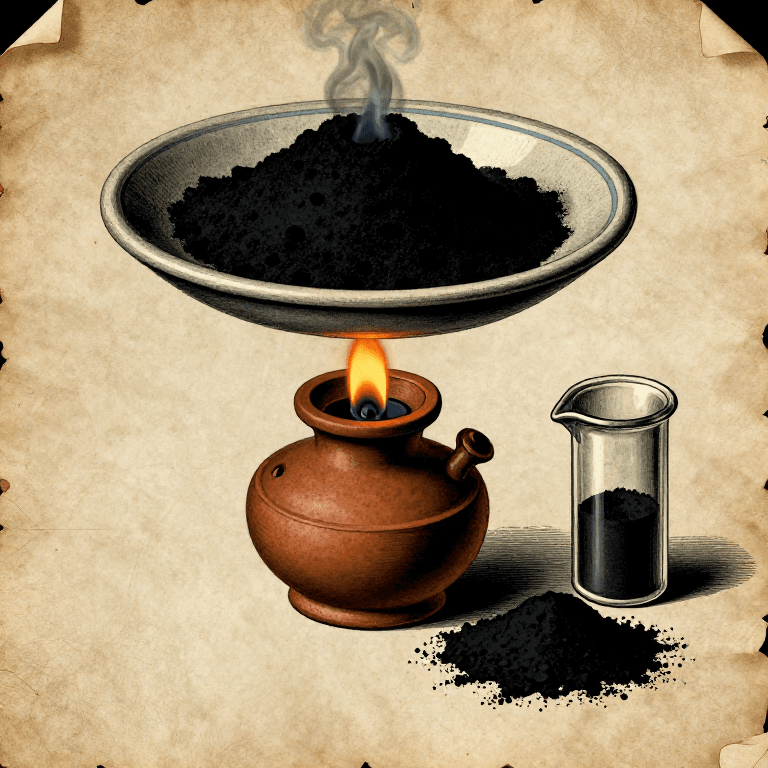
Making Lampblack Pigment — Collecting Carbon Soot from a Burning Flame
por Charlie
ARTE
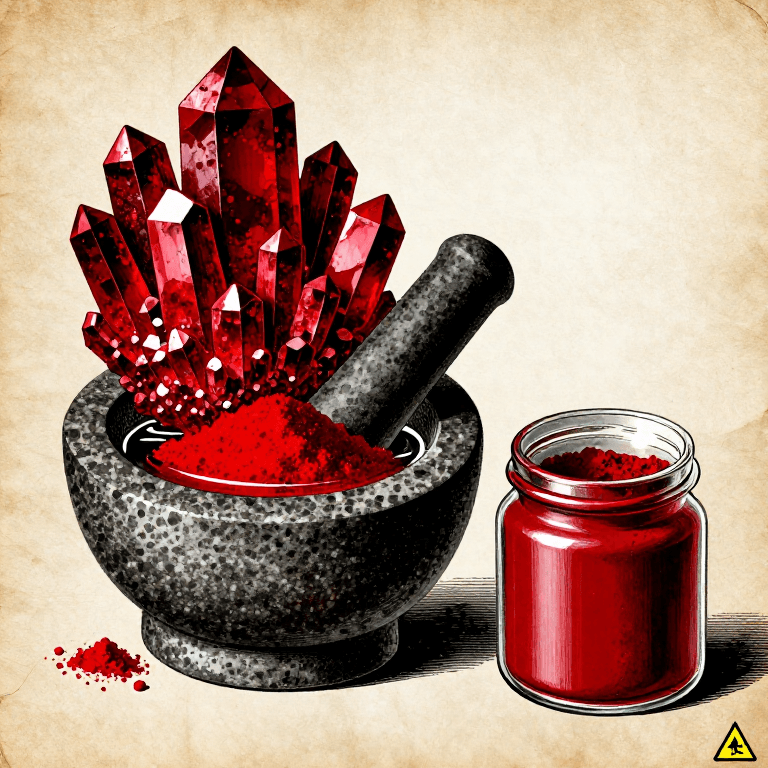
Making Cinnabar Red Pigment — Grinding Mercury Sulfide into the Most Vivid Red of the Ancient World
por Charlie
ARTE
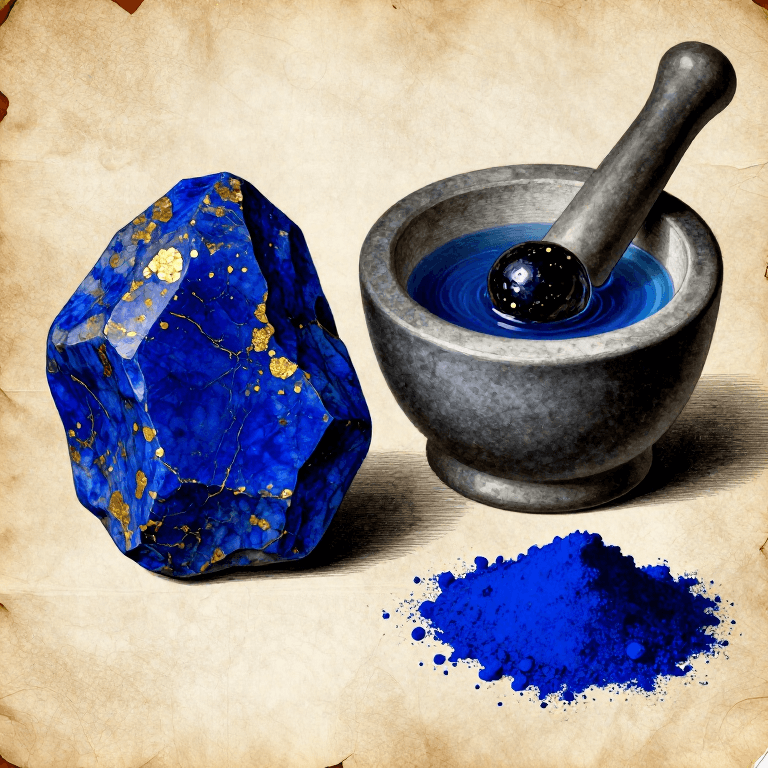
Making Ultramarine from Lapis Lazuli — Extracting the Most Precious Pigment in History
por Charlie
ARTE
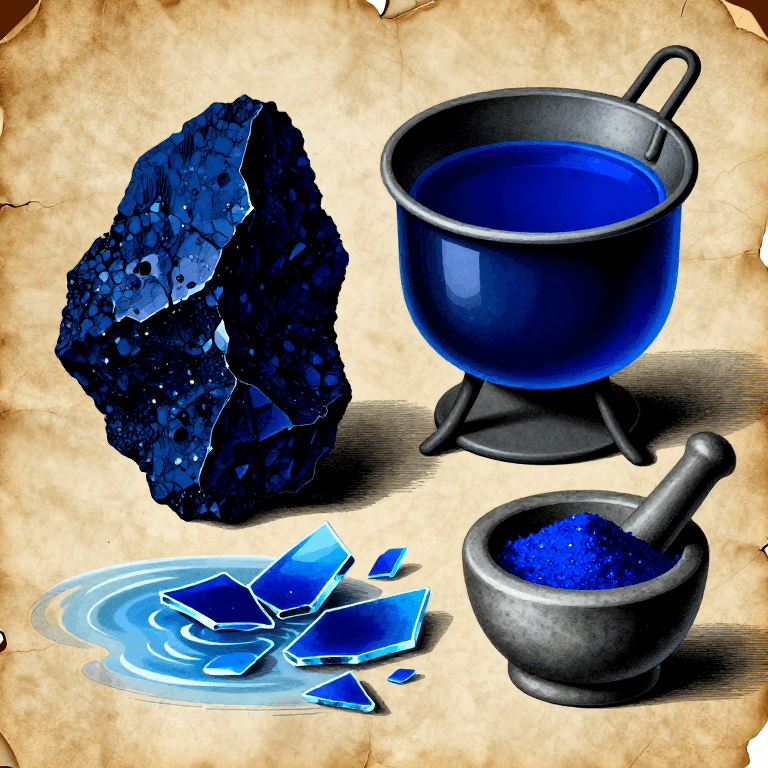
Making Smalt — Grinding Cobalt Blue Glass into the Renaissance Painter's Blue Pigment
por Charlie
ARTE
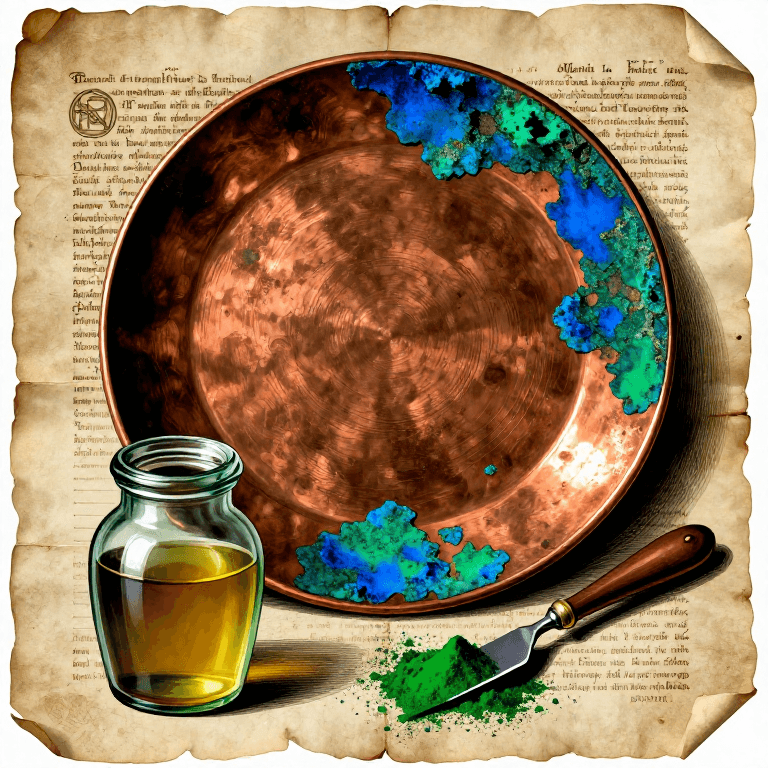
Making Verdigris — The Copper Acetate Green of Medieval Painters
por Charlie
ARTE
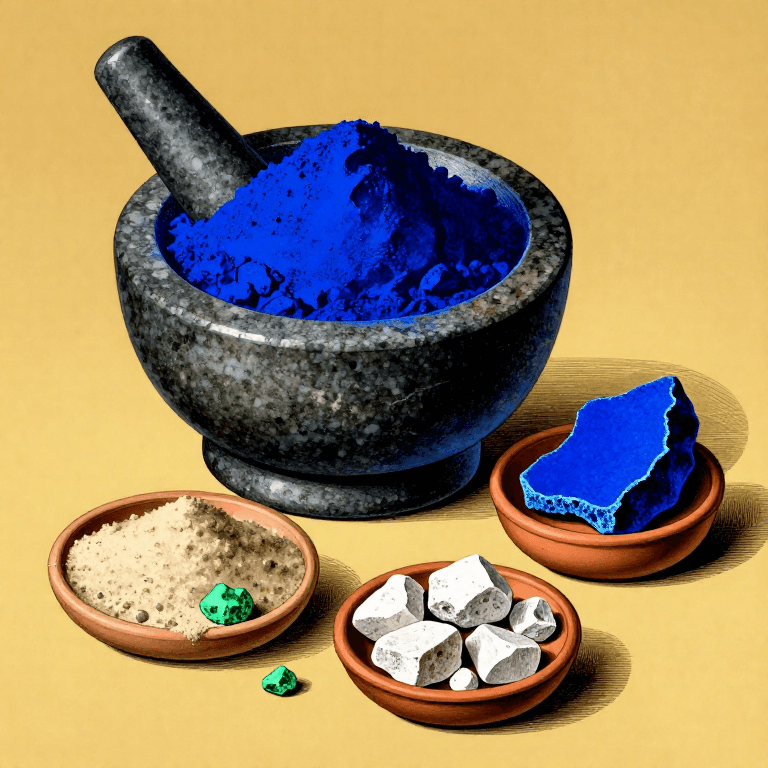
Egyptian Blue Pigment — Grinding Egyptian Blue from Copper Silicate
por Charlie
Química
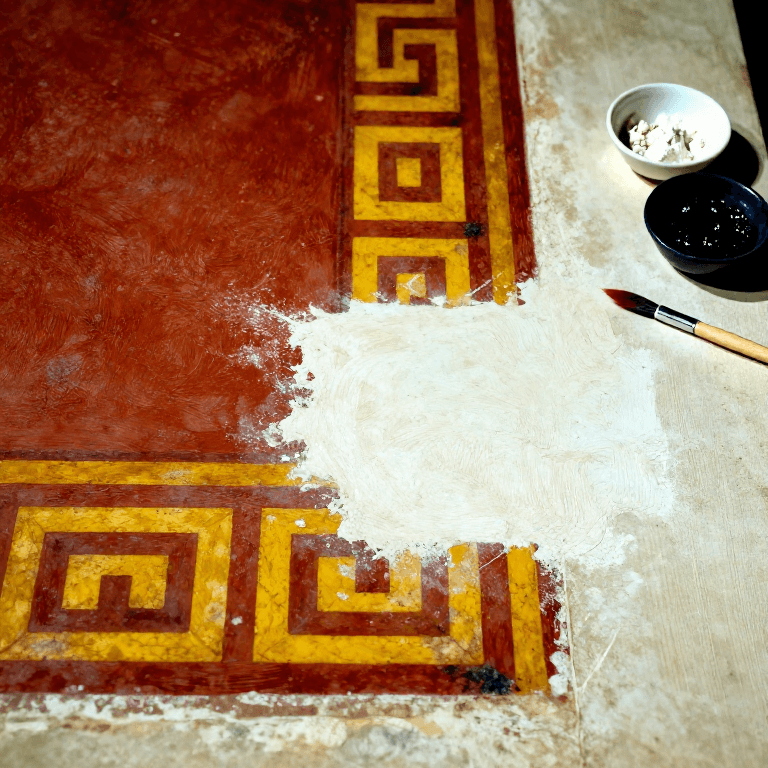
Painting a Buon Fresco on Wet Lime Plaster — Roman Wall Painting
por Charlie
Albañilería
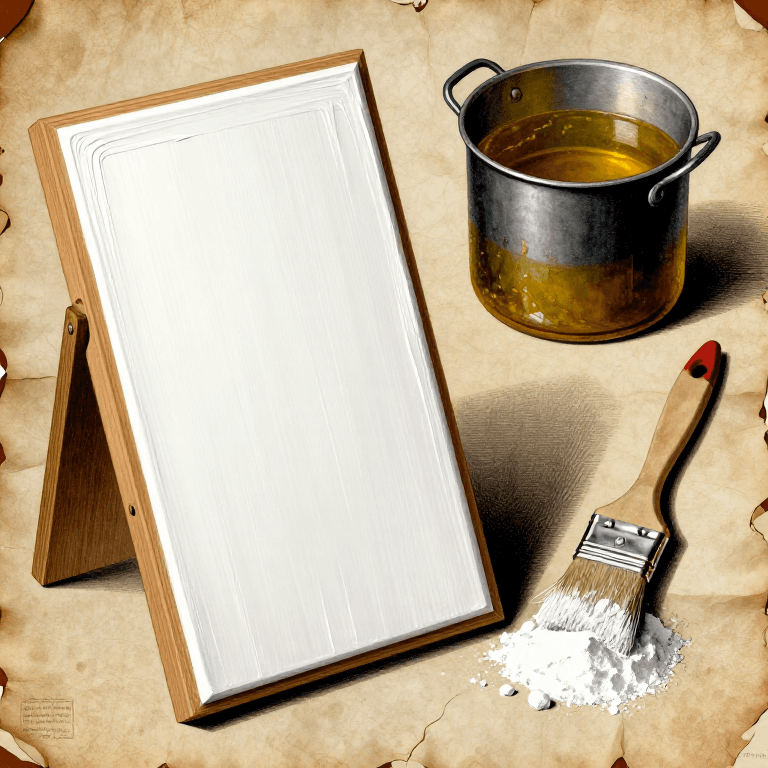
Making Traditional Gesso — The White Ground That Prepared Every Panel Painting in History
por Charlie
ARTE
CC0 Dominio público
Este Blueprint se publica bajo CC0. Eres libre de copiar, modificar, distribuir y usar este trabajo para cualquier propósito, sin pedir permiso.
Apoya al Maker comprando productos a través de su Blueprint, donde gana una Comisión del Maker establecida por los vendedores, o crea una nueva iteración de este Blueprint e inclúyela como conexión en tu propio Blueprint para compartir ingresos.