ARTE
BELLEZA Y BIENESTAR
ARTESANÍA
CULTURA E HISTORIA
ENTRETENIMIENTO
MEDIO AMBIENTE
COMIDA Y BEBIDAS
INGENIERÍA INVERSA
CIENCIAS
DEPORTES
TECNOLOGÍA
TECNOLOGÍA VESTIBLE
Traducido


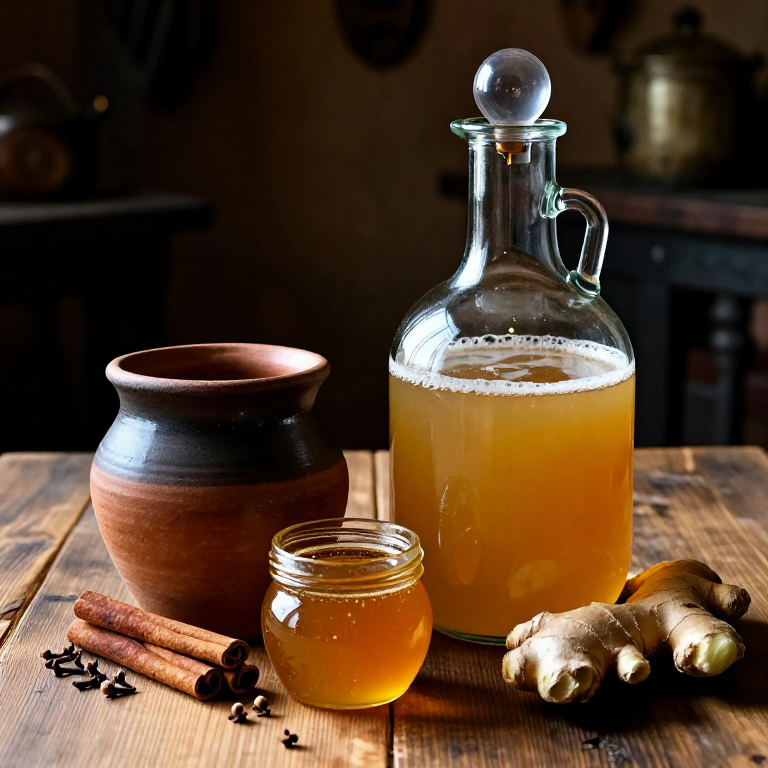
Elaboración de Metheglin Hidromiel Especiado — Vino de Miel Medieval
Metheglin es una variedad especiada de hidromiel (vino de miel) con raíces en la tradición galesa medieval — el nombre se deriva del galés meddyglyn, que significa bebida curativa. Se elaboraba fermentando miel y agua con hierbas y especias añadidas que se creían tenían propiedades medicinales. A diferencia del mulsum (miel mezclada en vino de uva), el hidromiel se fermenta completamente a partir de miel. Este blueprint cubre la elaboración de un metheglin tradicional con canela, clavo y jengibre.
Intermedio
120-180 minutos activos, 4-8 semanas de fermentación
Instrucciones
1
1
Preparar el Mosto
Preparar el Mosto
Calienta 2 litros de agua a aproximadamente 40 grados Celsius (templado pero no caliente — el calor excesivo destruye los aromáticos delicados de la miel y puede caramelizar los azúcares). Agrega la miel y revuelve hasta que se disuelva completamente. Añade los 2 litros restantes de agua fresca para llevar el volumen total a aproximadamente 4,5 litros. La mezcla resultante de agua y miel (mosto) debe tener una gravedad específica de aproximadamente 1.110-1.120, lo que producirá un hidromiel de aproximadamente 12-14 por ciento de alcohol después de la fermentación. Los fabricantes medievales de hidromiel no pasteurizaban su mosto — las levaduras silvestres en la miel cruda contribuían a la fermentación. Para mayor confiabilidad, la práctica moderna agrega levadura de vino cultivada, que supera a las cepas silvestres.
Materiales para este paso:
 Miel1.5 kg kg
 Agua4 litres litro
Herramientas necesarias:
 Olla grande
2
2
Agregar Especias
Agregar Especias
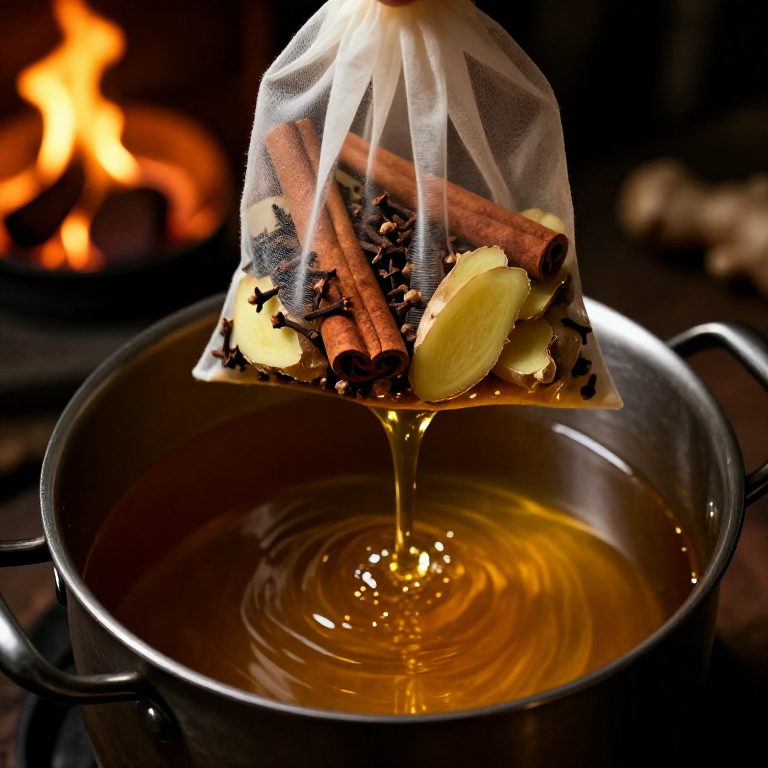
Coloca los palitos de canela, los clavos enteros y el jengibre en rodajas en una pequeña bolsa de muselina o bolsita de gasa atada con cordel (una bolsa de especias). Sumerge esto en el mosto. Las especias pueden agregarse directamente, pero una bolsa facilita la extracción cuando se alcanza la intensidad de sabor deseada. Las recetas medievales de metheglin variaban ampliamente — las Leyes de Hywel Dda del siglo XIV mencionan a los elaboradores de hidromiel como funcionarios de la corte valorados, y sus recetas eran celosamente guardadas. Las especias comunes de metheglin incluían canela, jengibre, clavo, nuez moscada, romero y varias hierbas medicinales. Comienza con cantidades modestas — los sabores de las especias se intensifican durante las semanas de fermentación y envejecimiento.
Materiales para este paso:
 Ramas de canela2 sticks pieza
 Clavo de olor4-6 cloves pieza
 Jengibre15-20 grams g
Herramientas necesarias:
 Paño (de colar)
3
3
Inocular Levadura y Comenzar la Fermentación
Inocular Levadura y Comenzar la Fermentación
Enfría el mosto a aproximadamente 20-22 grados Celsius. Transfiere a un recipiente de fermentación sanitizado. Agrega nutriente de levadura si lo usas (la miel es pobre en nutrientes en comparación con el jugo de uva, y la fermentación puede detenerse sin nitrógeno suplementario — los fabricantes medievales de hidromiel suministraban inadvertidamente nutrientes a través de impurezas en la miel cruda y adiciones como frutas o granos). Espolvorea la levadura en la superficie del mosto y coloca un cierre de aire. La fermentación debe comenzar dentro de 24 a 48 horas, visible como burbujas en el cierre de aire. El hidromiel fermenta más lentamente que la cerveza o el vino debido a la alta concentración de azúcar y bajo contenido de nutrientes — espera que la fermentación activa continúe durante 2 a 4 semanas.
Materiales para este paso:
 Levadura de vino1 packet (5g) packet
 Nutriente para levadura1 teaspoon tsp
Herramientas necesarias:
 Recipiente de fermentación (garrafa de vidrio)
 Desinfectante Star San
4
4
Trasegar y Extrae las Especias
Trasegar y Extrae las Especias
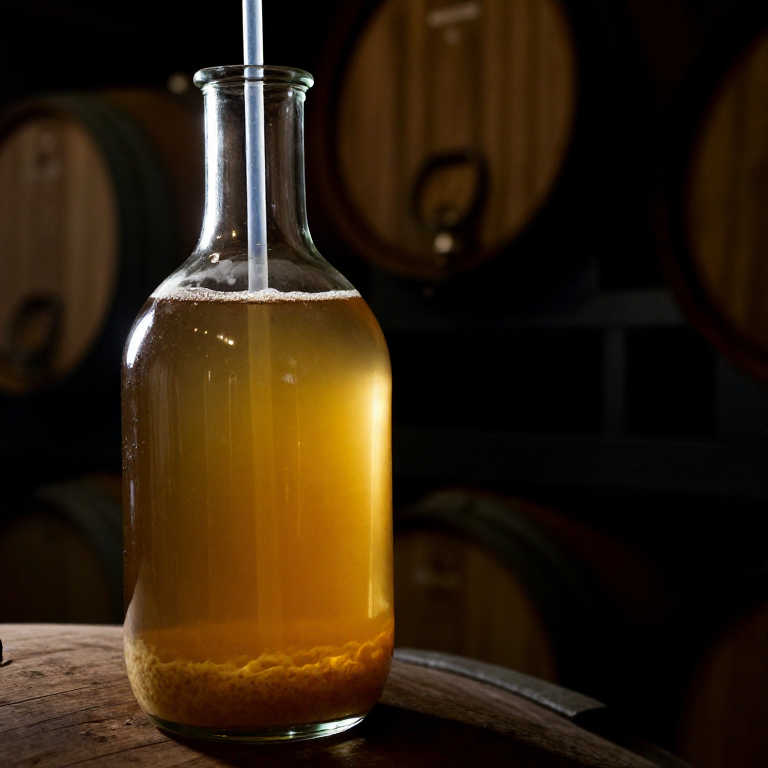
Después de 2 a 3 semanas, cuando el borboteo activo ha disminuido significativamente, prueba el hidromiel para evaluar el nivel de especias. Si la intensidad de especias es suficiente, extrae la bolsa de especias. Si necesita más tiempo, deja las especias durante otra semana. Trasega (sifona) el hidromiel claro del sedimento (depósitos) en el fondo del fermentador a un recipiente secundario limpio, dejando el sedimento de levadura. Este trasiega aclara el hidromiel y lo separa de las células de levadura muertas que pueden contribuir sabores desagradables. Vuelve a colocar el cierre de aire y permite que el hidromiel continúe acondicionándose en el recipiente secundario durante 4 a 8 semanas más, trasiega nuevamente si se acumula sedimento significativo.
Herramientas necesarias:
 Sifón automático
5
5
Embotellar y Envejecer
Embotellar y Envejecer
Cuando el hidromiel es claro y ya no produce burbujas, está listo para embotellar. Trasega en botellas limpias, dejando atrás cualquier sedimento restante. Corcha o tapa las botellas. Metheglin se beneficia enormemente del envejecimiento — aunque es bebible inmediatamente, los sabores se fusionan y suavizan en 3 a 6 meses, y el excelente metheglin continúa mejorando durante 1 a 2 años. Almacena las botellas en un lugar fresco y oscuro de lado (si está corchado). El metheglin terminado debe ser un líquido dorado-ámbar claro con un perfil de sabor complejo — la dulzura de la miel equilibrada por la calidez del jengibre, la profundidad de la canela y el mordisco aromático del clavo. Los médicos medievales prescribían metheglin para dolencias digestivas, resfriados y vitalidad general, y ocupaba un lugar de honor en las mesas de festines galesas e inglesas durante toda la Edad Media.
Herramientas necesarias:
 Botellas de cerveza ámbar
Materiales
9- 1.5 kg kgMarcador de posición
- 4 litres litroMarcador de posición
- 2 sticks piezaMarcador de posición
- 4-6 cloves piezaMarcador de posición
- 15-20 grams gMarcador de posición
- 1 packet (5g) packetMarcador de posición
- 1 teaspoon tspMarcador de posición
- 4-6 cloves piezaMarcador de posición
- 15-20 grams piezaMarcador de posición
Herramientas requeridas
10- Marcador de posición
- Marcador de posición
- Marcador de posición
- Marcador de posición
- Marcador de posición
- Marcador de posición
- Marcador de posición
- Marcador de posición
- Marcador de posición
- Marcador de posición
Este plano hace

CC0 Dominio público
Este Blueprint se publica bajo CC0. Eres libre de copiar, modificar, distribuir y usar este trabajo para cualquier propósito, sin pedir permiso.
Apoya al Maker comprando productos a través de su Blueprint, donde gana una Comisión del Maker establecida por los vendedores, o crea una nueva iteración de este Blueprint e inclúyela como conexión en tu propio Blueprint para compartir ingresos.