ARTE
BELLEZA Y BIENESTAR
ARTESANÍA
CULTURA E HISTORIA
ENTRETENIMIENTO
MEDIO AMBIENTE
COMIDA Y BEBIDAS
INGENIERÍA INVERSA
CIENCIAS
DEPORTES
TECNOLOGÍA
TECNOLOGÍA VESTIBLE
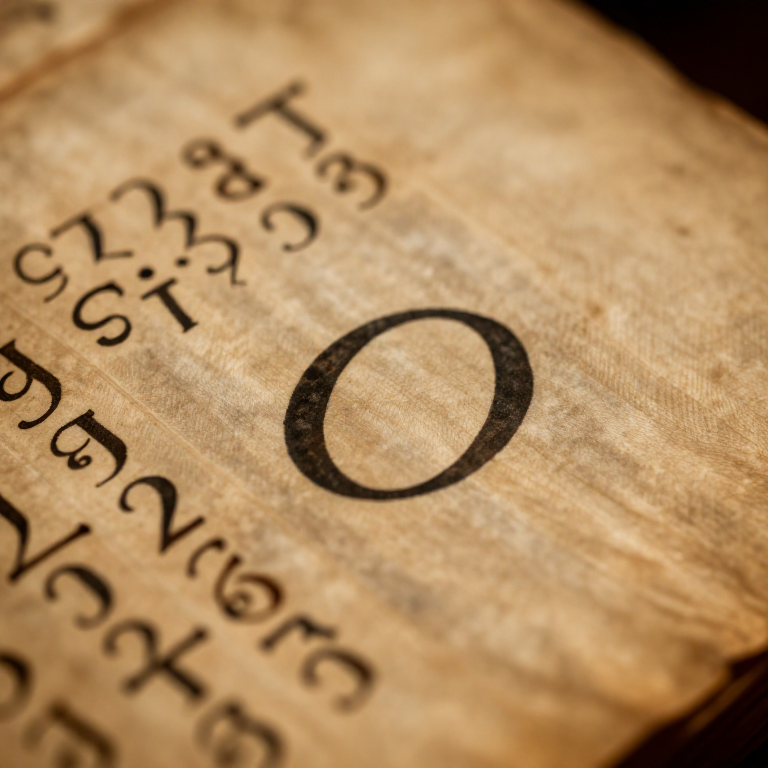


Zero and Place-Value — Build an Abacus and Count Like the World Does
A hands-on maths project: thread beads into a simple abacus and discover place-value -- how the position of a digit gives its size, and why zero (an empty column) changed the world. A Python cell shows the same idea in the binary of computers, and a compendium traces zero from India to your pocket.
Principiante
30 minutes
Instrucciones
1
1
The most important nothing
The most important nothing
For most of history there was no zero. Around 628 AD the Indian mathematician Brahmagupta made zero a real number and gave the decimal place-value system its rules. You will build a counting machine that shows how it works.
2
2
Make a bead abacus
Make a bead abacus
Make a small frame from card and thread three or four rows of beads across it (or just lay out rows of beads in columns on the table). Label the columns from the right: ones, tens, hundreds, thousands. Each column is worth ten times the one to its right.
Materiales para este paso:
 Cartulina1 pieza
 Cuentas de vidrio1 pieza
 Bramante de algodón para cocina1 pieza
Herramientas necesarias:
 Tijeras
3
3
Count in place-value
Count in place-value
Show the number 305: put 3 beads in the hundreds column, NONE in the tens, and 5 in the ones. The empty tens column is the job of zero -- without it, 35 and 305 would look the same. Practise a few numbers, sliding beads and reading them off. Try adding by sliding beads and 'carrying' to the next column when one fills up.
4
4
The same idea in binary
The same idea in binary
Cargando el cuaderno de Jupyter…
Herramientas necesarias:
 Ordenador de sobremesa
5
5
Compendium: how nothing changed everything
Compendium: how nothing changed everything
What your abacus teaches. (1) In a place-value system a digit's value depends on its COLUMN, each worth ten times the next -- so just ten symbols (0-9) can write any number, however large. (2) Zero does two jobs: it holds an empty column so the others line up, AND it is a number you can calculate with. (3) Roman numerals had neither, which is why calculating with them was so painful -- try multiplying MDCCC by anything. (4) The same positional trick, cut down to just 0 and 1, is how every computer on Earth counts; and zero went on to anchor algebra, coordinates and calculus. It is hard to name a more powerful nothing.
Materiales
4- 1 piezaMarcador de posición
- 1 piezaMarcador de posición
- Marcador de posición
- 1 hojaMarcador de posición
Herramientas requeridas
3- Marcador de posición
- Marcador de posición
- Marcador de posición
Blueprints relacionados
Estos blueprints comparten conocimiento — técnicas, materiales o principios

CC0 Dominio público
Este Blueprint se publica bajo CC0. Eres libre de copiar, modificar, distribuir y usar este trabajo para cualquier propósito, sin pedir permiso.
Apoya al Maker comprando productos a través de su Blueprint, donde gana una Comisión del Maker establecida por los vendedores, o crea una nueva iteración de este Blueprint e inclúyela como conexión en tu propio Blueprint para compartir ingresos.