ARTE
BELLEZA Y BIENESTAR
ARTESANÍA
CULTURA E HISTORIA
ENTRETENIMIENTO
MEDIO AMBIENTE
COMIDA Y BEBIDAS
INGENIERÍA INVERSA
CIENCIAS
DEPORTES
TECNOLOGÍA
TECNOLOGÍA VESTIBLE


The Air-Operated Double-Diaphragm Pump: It Stalls Instead of Bursting
Two flexible diaphragms, joined by a shaft, each closing a chamber of liquid. Compressed air pushes one diaphragm to empty its chamber while the shaft pulls the other back to fill its chamber; at the end of the stroke a small air valve switches sides. Four ball check valves make the flow go one way.
There is no motor, no rotating seal and no electricity at the pump. It runs dry without damage, primes itself, passes solids that would jam a gear or an impeller, and — the property that made it — when the outlet is blocked it simply stops, and starts again when the outlet is opened.
Jim Wilden is credited with the air-operated double-diaphragm pump in 1955; his original patent number could not be pinned from any reachable source, so none is asserted. This rung builds a single air-driven diaphragm chamber, demonstrates the stall, and works out the price of all that tolerance: the air it consumes.
Intermedio
About 5 hours
Instrucciones
1
1
One full cycle, as a sequence
One full cycle, as a sequence
Espacio de trabajo Blockly
Loading Blockly workspace...
2
2
Make the diaphragm chamber
Make the diaphragm chamber
Print two flanged dishes in PETG, 90 mm across the flange, each shaped as a shallow bowl 10 mm deep. One is the **liquid side**: give it two hose ports near the bottom, one for an inlet check valve and one for an outlet check valve, pointing opposite ways. The other is the **air side**: one port at the centre.
Cut a disc of rubber sheet for the diaphragm, or use a ready-made pump diaphragm of that size, and clamp it between the two flanges with eight machine screws tightened evenly in a star pattern. The diaphragm is the only seal between air and liquid: an uneven clamp leaks at the flange, and a crease in the rubber cracks early.
Put a light compression spring on the air side, behind the diaphragm, so it returns to the air side when the air is let out. That spring stands in for the second diaphragm and its shaft.
Materiales para este paso:
 Filamento PETG120 g
 Membrana de bomba1 pieza
 Tornillos de máquina8 piezas
 Surtido de muelles de compresión1 juego
 Válvula antirretorno2 piezas
Herramientas necesarias:
 Impresora 3D de filamento (FDM)
 Taladro inalámbrico
 Juego de brocas
 Juego de llaves Allen
 Calibre digital de 6 pulgadas
3
3
The four balls that make it pump — how a check valve works
The four balls that make it pump — how a check valve works
The diaphragms only change the chamber volumes; the four ball check valves decide which way the liquid goes. Each chamber has one that opens on suction and one that opens on discharge. The embedded blueprint covers how a check valve seats and why a ball held off its seat by debris makes a pump run fast and deliver nothing.
4
4
Drive it with air, and make it stall
Drive it with air, and make it stall
Connect the air side to the compressor through the regulator, set to **0.5 bar**, through a tee with a push-button or a finger over an open bleed hole as the air valve: finger on, air pushes; finger off, air escapes and the spring returns the diaphragm.
Put the inlet hose in a bucket of water and lead the outlet into a measuring jug. Pump twenty strokes and divide: that is your stroke volume.
Now the test. Tee the pressure gauge into the outlet hose and close the outlet with a ball valve. Press the air button and hold it. The diaphragm moves a little, then stops, and the outlet gauge settles at about the air pressure — 0.5 bar. Raise the regulator to 1 bar and the outlet gauge follows to about 1 bar. The pump is a pressure transformer of ratio one, and it cannot exceed its air supply.
Keep the air at 1 bar or below for this printed model, and wear safety glasses.
Materiales para este paso:
 Tubo de vinilo transparente2 metros
 Surtido de abrazaderas de manguera1 juego
 Válvula de bola de latón1 pieza
 Surtido de accesorios para tubo de PVC1 juego
 Agua10 litros
Herramientas necesarias:
 Compresor de aire
 Regulador reductor de presión
 Manómetro
 Jarra medidora
 Cubo
Cubo Gafas de seguridad transparentes
5
5
The stall, the flow and the air bill
The stall, the flow and the air bill
Cargando el cuaderno de Jupyter…
6
6
It stops, surges or leaks: find out why
It stops, surges or leaks: find out why
The faults behind an air-operated diaphragm pump that is not delivering, in the order to check them.
Flow
Loading...
7
7
History and context
History and context
Hand-operated diaphragm pumps — a rubber sheet moved by a lever, with two flap valves — were long used to drain trenches, bilges and excavations, because grit and mud pass through them. The air-operated double-diaphragm pump put two of them back to back on one shaft and let compressed air do the stroking, with a self-switching air valve. **Jim Wilden is credited with the invention in 1955**, and the company bearing his name still makes these pumps. His original patent number is not asserted here: it could not be read from a primary source, and the mechanism does not depend on it.
It filled a gap no motor-driven pump filled: a pump that can be left running into a line that may block, may run dry, may carry grit, and may sit in a place where an electric motor is a fire risk. Paint shops, mines, sewage works and chemical plants took it up for exactly those reasons.
**Honest limits.** It is costly to run: the notebook shows that at best a small part of the compressed air's energy reaches the liquid. The flow pulses, twice per cycle. The diaphragms are flexed on every stroke and are replaced as wear parts, and a burst diaphragm sends the liquid out of the air exhaust. And it can ice up: the expanding exhaust air is cold, and moist air can freeze in the air valve.
Materiales
10- 120 gMarcador de posición
- 1 piezaMarcador de posición
- 8 piezasMarcador de posición
- Marcador de posición
- 2 piezasMarcador de posición
- 2 metrosMarcador de posición
- Marcador de posición
- 1 piezaMarcador de posición
- Marcador de posición
- 10 litrosMarcador de posición
Herramientas requeridas
11- Marcador de posición
- 1 vendor sell this, none ship to you yetMarcador de posición
- Marcador de posición
- Marcador de posición
- Marcador de posición
- 1 vendor sell this, none ship to you yetMarcador de posición
- Marcador de posición
- Marcador de posición
- Marcador de posición
- Marcador de posición
- Marcador de posición
Blueprints relacionados
Estos blueprints comparten conocimiento — técnicas, materiales o principios
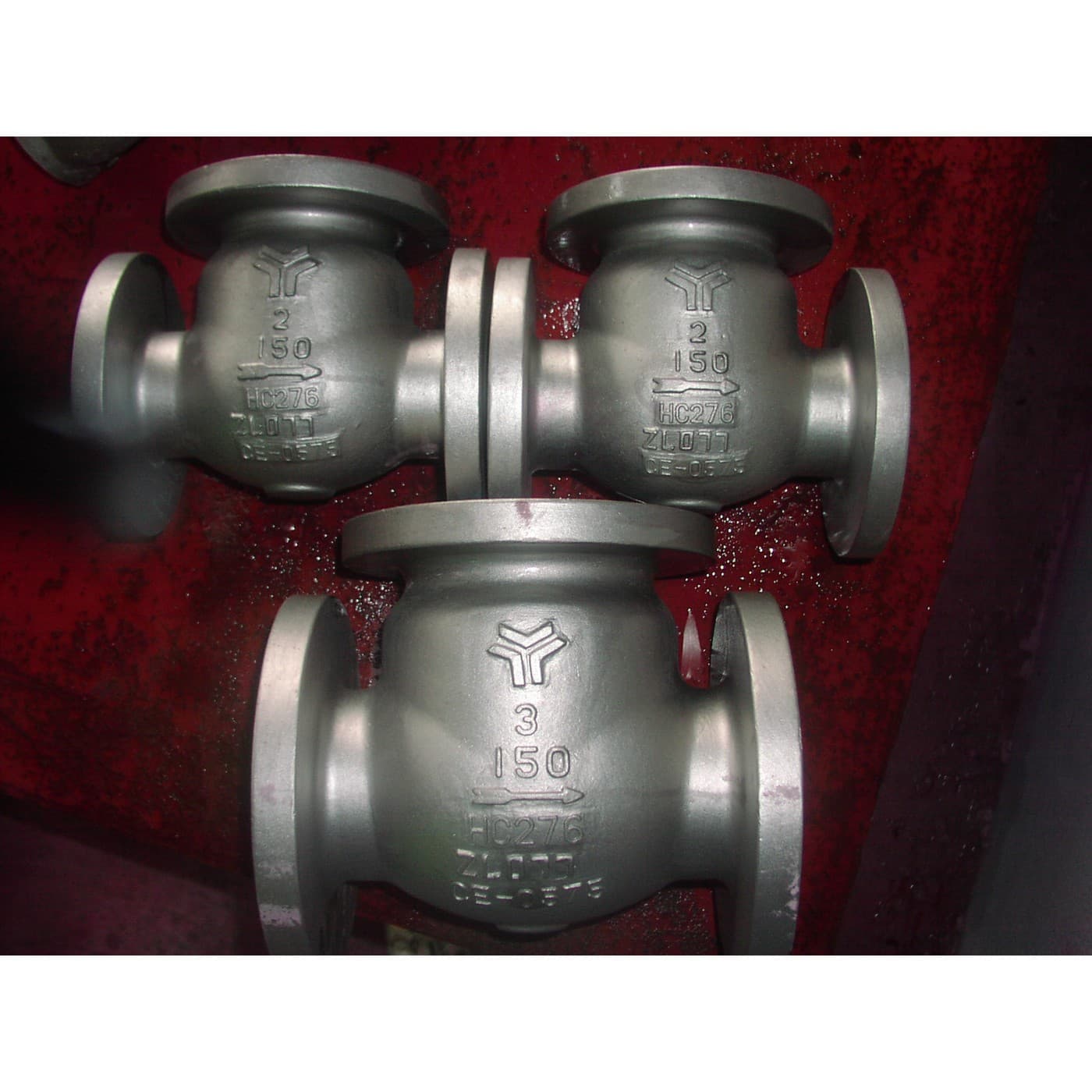
One Way Only: The Check Valve and the Bang It Makes
por Martin
Herramientas
40
0
0
0
0
0
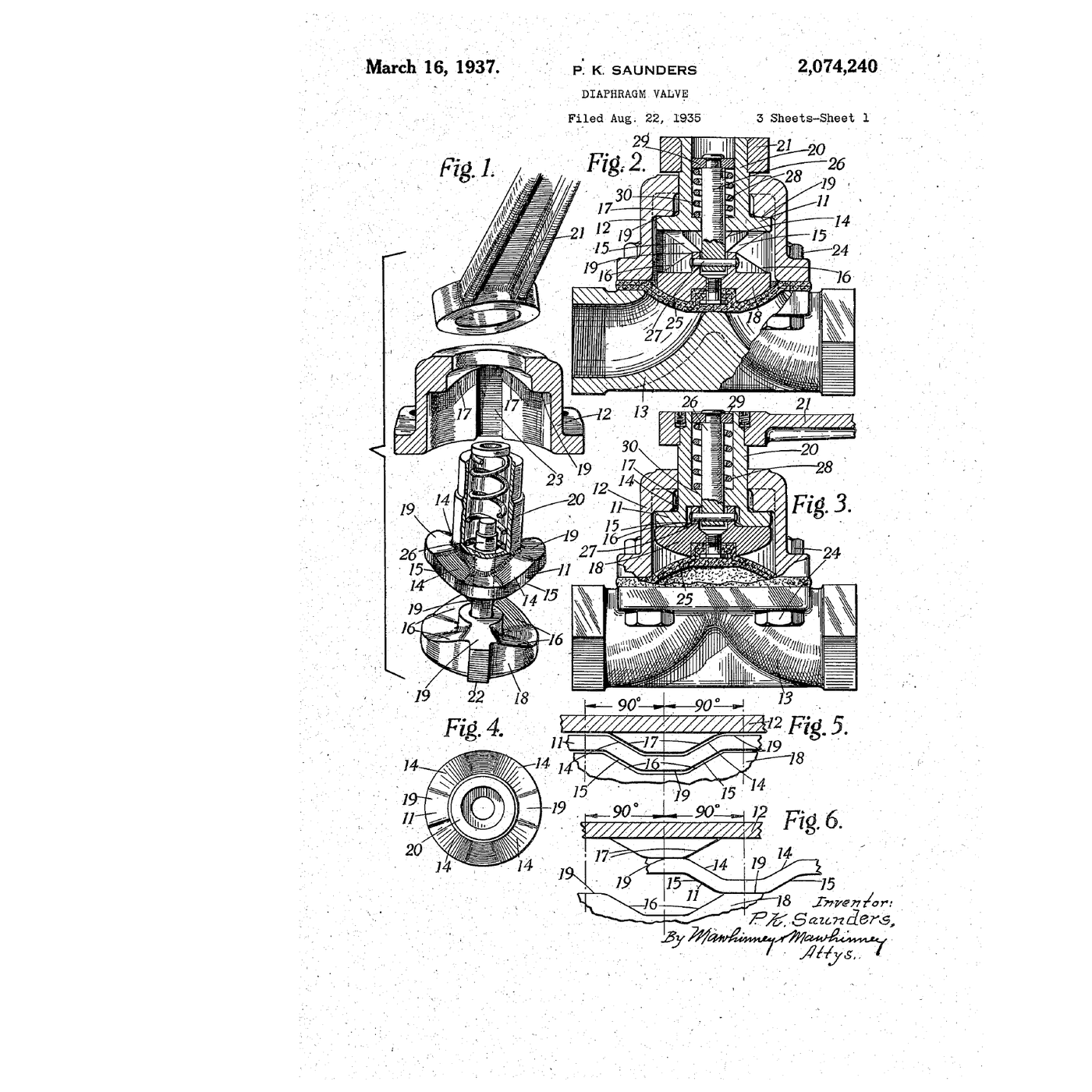
The Diaphragm Valve: Nothing Crosses the Wall
por Emma
Trabajo en Metal
40
0
0
0
0
0
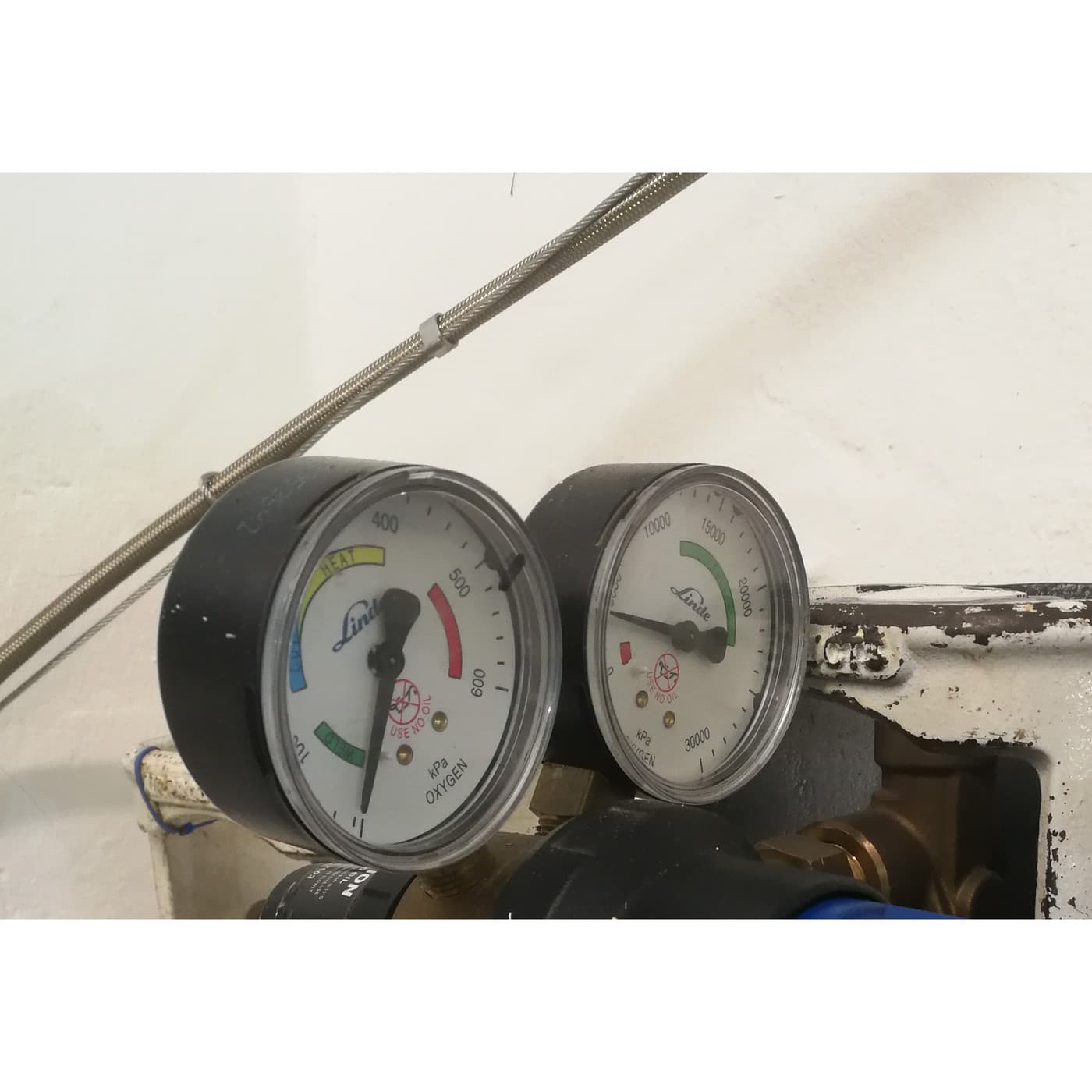
Holding a Pressure: The Reducing Regulator
por Martin
Mecánica
35
0
0
0
0
0
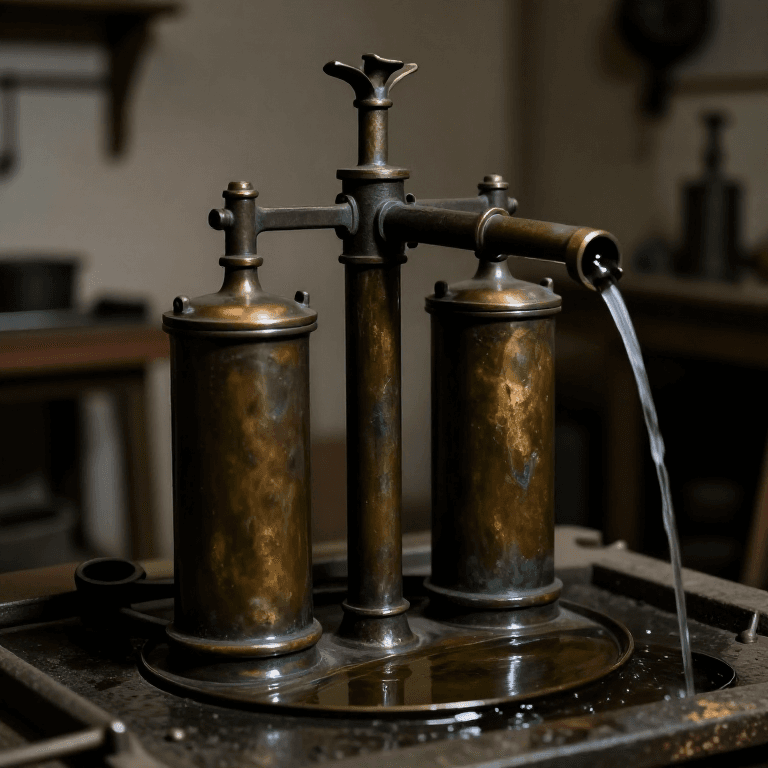
Building Ctesibius' Force Pump — The First Double-Acting Piston Pump
por Emma
Mecánica
150
0
0
0
3
0
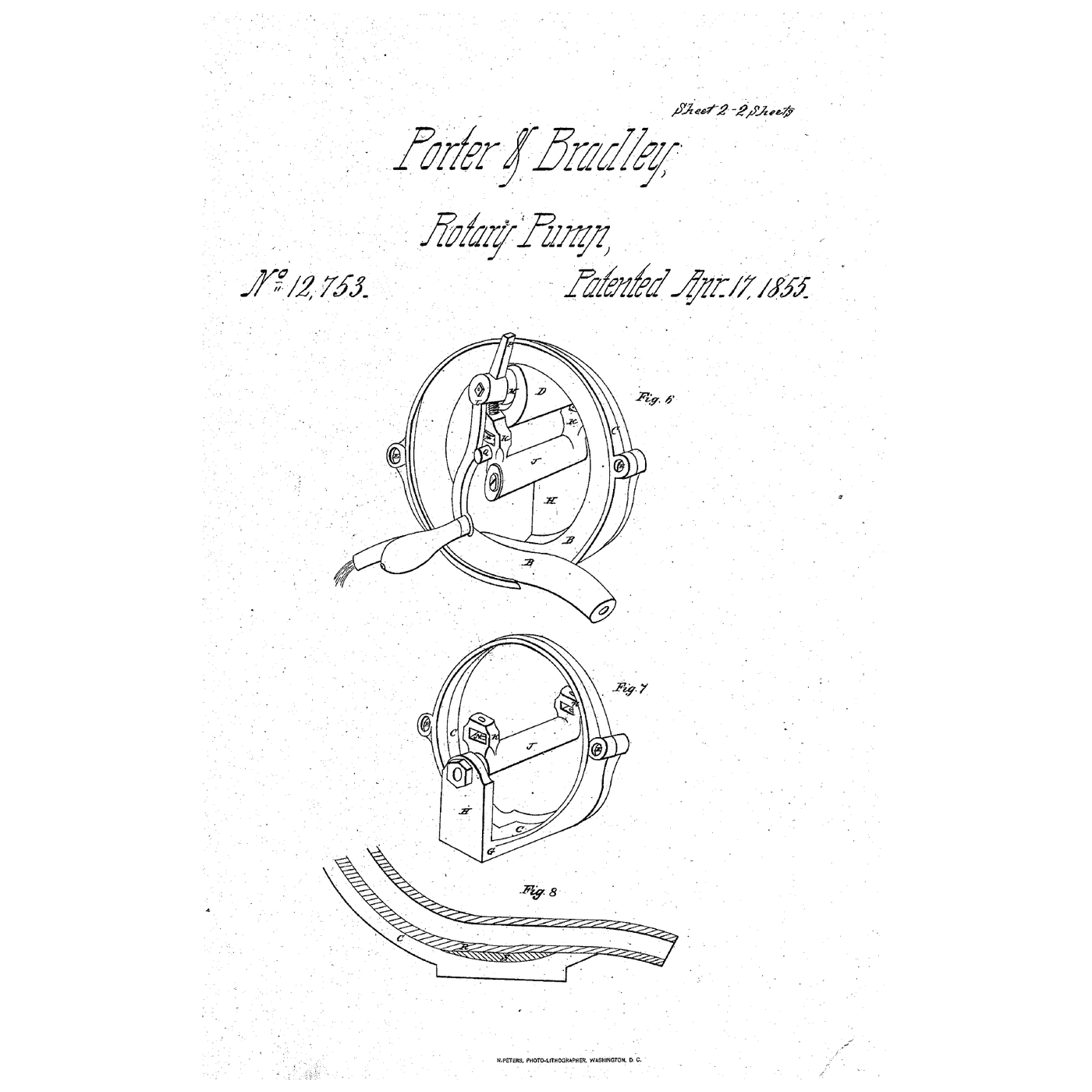
The Peristaltic Pump: Two Places Closed at Once, and No Valve Touches the Fluid
por Emma
Mecánica
94
0
0
0
0
0
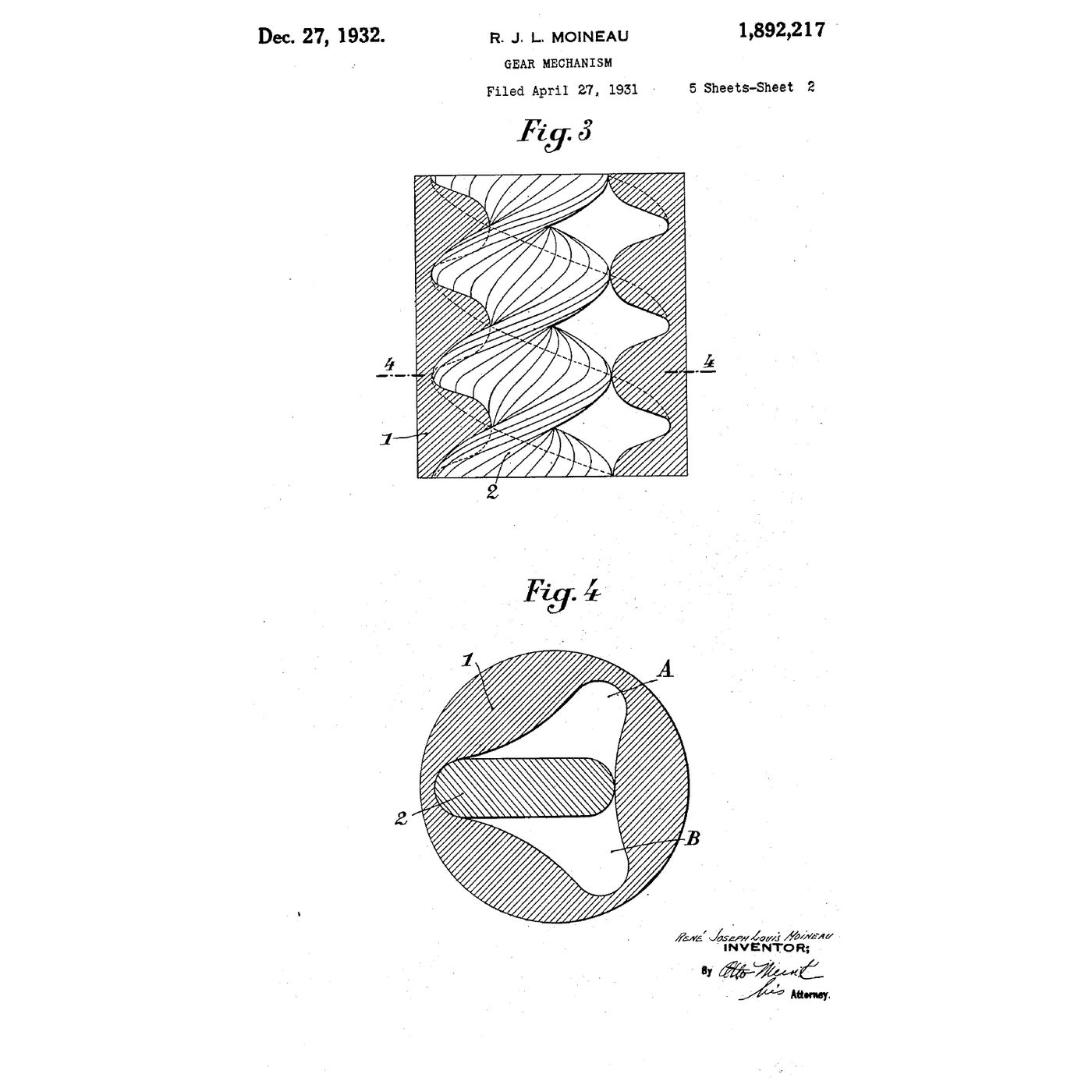
The Progressing-Cavity Pump: One Thread Fewer, and Nothing Is Squeezed
por Emma
Mecánica
37
0
0
0
0
0
CC0 Dominio público
Este Blueprint se publica bajo CC0. Eres libre de copiar, modificar, distribuir y usar este trabajo para cualquier propósito, sin pedir permiso.
Apoya al Maker comprando productos a través de su Blueprint, donde gana una Comisión del Maker establecida por los vendedores, o crea una nueva iteración de este Blueprint e inclúyela como conexión en tu propio Blueprint para compartir ingresos.