ARTE
BELLEZA Y BIENESTAR
ARTESANÍA
CULTURA E HISTORIA
ENTRETENIMIENTO
MEDIO AMBIENTE
COMIDA Y BEBIDAS
INGENIERÍA INVERSA
CIENCIAS
DEPORTES
TECNOLOGÍA
TECNOLOGÍA VESTIBLE
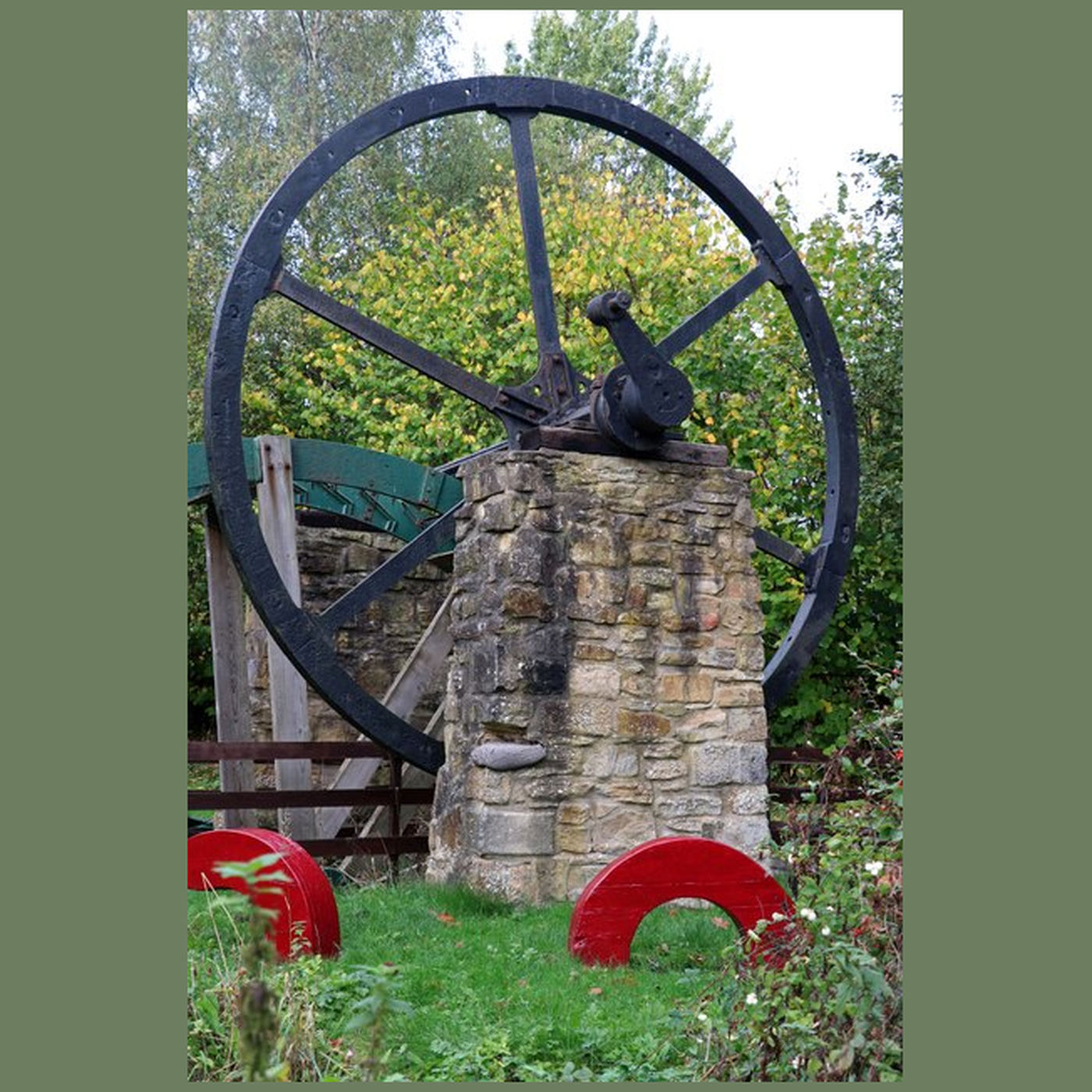


The Crank and the Flywheel: Smoothing One Bang in Two Turns
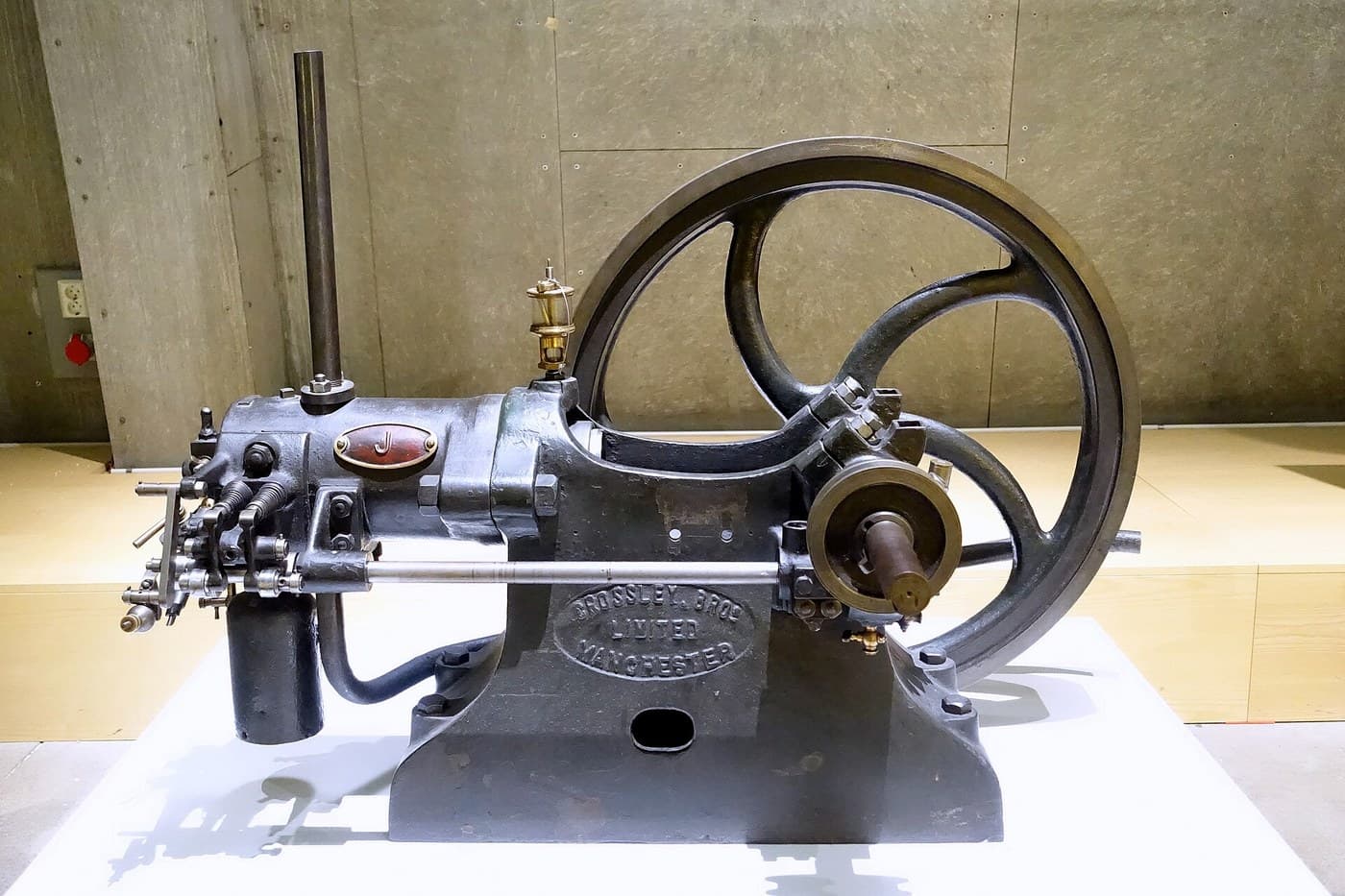
A four-stroke single-cylinder engine pushes on its crank for half a turn in every two. The rest of the time the crank must be carried round — through exhaust, intake and compression — by energy stored in a flywheel. How heavy that flywheel must be depends on how uneven the torque is and how steady the speed must stay.
This practice rung generates the torque curve of an idealised engine from the slider-crank geometry and an Otto-cycle pressure trace, sizes a flywheel from it, and builds a slider-crank model to check the piston motion by hand.
Intermedio
About 3 hours
Instrucciones
1
1
Torque round a cycle, and the flywheel it needs
Torque round a cycle, and the flywheel it needs
Cargando el cuaderno de Jupyter…
2
2
Build a slider-crank and check it by hand
Build a slider-crank and check it by hand
Cut a plywood base. Pivot a plywood crank disc on a bolt, with a crank pin 40 mm off centre. Cut a connecting rod 140 mm between hole centres, and a slider that runs in a slot or between two strips — the 'piston'. Glue a protractor under the crank disc.
Turn the crank in 30° steps and measure the piston's distance from the crank centre with the steel rule. Compare with the notebook's formula. Notice that the piston moves further during the half-turn near top dead centre than near bottom — the connecting rod's angle causes it, and it is why the torque trace is lopsided.
Materiales para este paso:
 Tablero contrachapado1 hoja
 Tornillos de máquina6 piezas
 Espigas de madera dura1 juego
Herramientas necesarias:
 Taladro inalámbrico
 Juego de brocas
 Transportador de ángulos
 Regla
Regla Calibre digital de 6 pulgadas
3
3
Context
Context
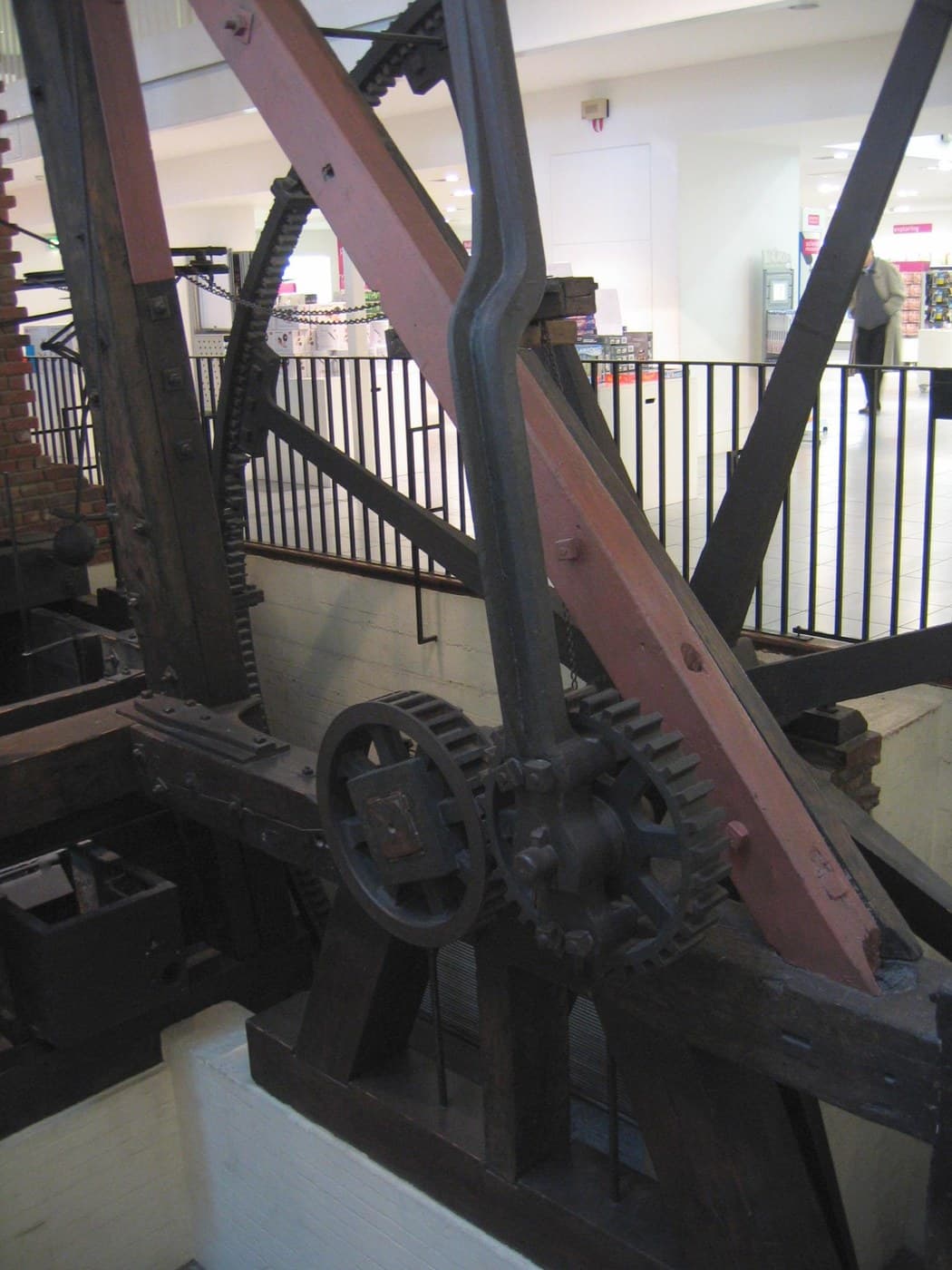
A practice rung: the slider-crank goes back to the rotative steam engine in this catalogue, and the flywheel to the potter's wheel and the spindle whorl. The torque trace is generated from an ideal cycle; a real engine's is less peaky because combustion takes time.
**Honest limits of the model.** No friction, no inertia of the piston itself (which matters at high speed), heat added instantly at top dead centre, and a single cylinder. Multi-cylinder engines are smoothed by overlapping power strokes; balance shafts deal with the shaking the piston's own motion causes.
Materiales
3- 1 hojaMarcador de posición
- 6 piezasMarcador de posición
- 1 juegoMarcador de posición
Herramientas requeridas
5- 1 vendor sell this, none ship to you yetMarcador de posición
- Marcador de posición
- Marcador de posición
- Marcador de posición
- Marcador de posición
Blueprints relacionados
Estos blueprints comparten conocimiento — técnicas, materiales o principios
CC0 Dominio público
Este Blueprint se publica bajo CC0. Eres libre de copiar, modificar, distribuir y usar este trabajo para cualquier propósito, sin pedir permiso.
Apoya al Maker comprando productos a través de su Blueprint, donde gana una Comisión del Maker establecida por los vendedores, o crea una nueva iteración de este Blueprint e inclúyela como conexión en tu propio Blueprint para compartir ingresos.