ARTE
BELLEZA Y BIENESTAR
ARTESANÍA
CULTURA E HISTORIA
ENTRETENIMIENTO
MEDIO AMBIENTE
COMIDA Y BEBIDAS
INGENIERÍA INVERSA
CIENCIAS
DEPORTES
TECNOLOGÍA
TECNOLOGÍA VESTIBLE


The Post-Hole Digger: Two Shovels on a Hinge and a Point Between Them
A fence post needs a hole as narrow as the post and as deep as a forearm. A spade makes a wide pit; a pair of shovels hinged together can take the earth out in plugs from a hole barely wider than the blades.
Jacob H. Lowry of Lenoir City, Tennessee, filed US 884,177 on 11 June 1907; it was granted on 7 April 1908. Two shovels with handles are hinged by lugs and a bolt, with studs that stop them when the handles are parallel. One shovel's head carries a sliding sleeve with a detachable digging point, so that either the shovels or the point can be pushed ahead — the point to loosen the earth in the centre of the hole.
This rung works out how many bites a hole takes and digs one.
Principiante
About 3 hours
Instrucciones
1
1
Volume, bites and lifts
Volume, bites and lifts
Cargando el cuaderno de Jupyter…
2
2
The first tool that made a hole
The first tool that made a hole
A pointed stick loosens earth; Lowry's central point does the same job. The embedded blueprint makes one.
3
3
Read US 884,177
Read US 884,177
Lowry's object is "to combine with one of the shovels which form the post hole, a sleeve which is connected to such shovel for vertical longitudinal movement and to which the handle is attached, and a point for digging up the earth at the center of the post hole".
Shovel 1 has a tubular head 2 in which a sleeve 3 slides; handle 4 bolts into the sleeve. The lower end of the head is curved inward to form concave cam surfaces 6. A wedge-shaped digging point 8 has a stem 9 held in the sleeve by a set screw and shoulders 10 that bear on the cam surfaces. Drawing the sleeve up lets the shovel reach below the point; "By forcing the sleeve downwardly, the point may be projected beyond and below the shovel and employed to loosen the earth at the center of the hole".
Shovels 1 and 12, with handles 4 and 13, have lugs 14 "pivotally connected together by a bolt 15, thereby effecting a hinge connection between the shovels", and studs 16 at their tops that meet when the handles are parallel.
4
4
Dig a post hole and count the lifts
Dig a post hole and count the lifts
Mark a spot and cut the turf with the digging shovel. Drive the post-hole digger in with its handles together, spread them to grip, and lift. Tip the plug onto a sheet and weigh it on the scale. Repeat to 60 cm, measuring the depth after every lift with the tape.
Compare your number of lifts and plug weights with the notebook, and note where the soil changes. Set a stake in the hole and backfill in layers, ramming each one.
Materiales para este paso:
 Cañas de bambú1 pieza
Herramientas necesarias:
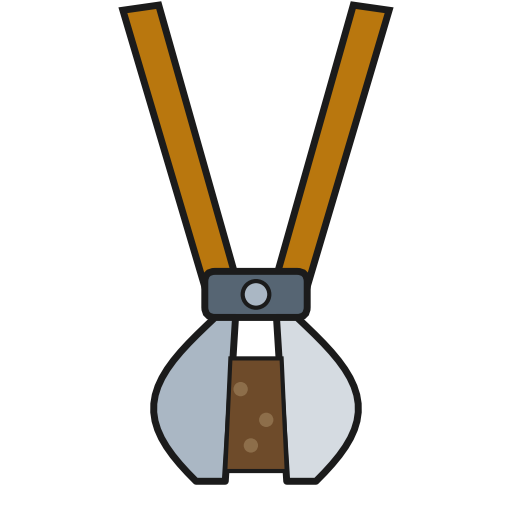 Cavahoyos
 Pala de cavar
 Cinta métrica
 Báscula
 Cubo
Cubo Guantes de trabajo de cuero
5
5
A post-hole digger that will not lift
A post-hole digger that will not lift
Post-hole digger troubleshooting.
Flow
Loading...
6
6
History and honest limits
History and honest limits
**Jacob H. Lowry** of Lenoir City, Tennessee, filed US 884,177 on 11 June 1907; it was granted on 7 April 1908. Its claims are for the shovel with the sliding sleeve and the digging point that can be projected at will.
**Honest limits.** Soil density, fill fraction and bite depth in the notebook are examples; real bites depend heavily on moisture and stones.
Materiales
1- 1 piezaMarcador de posición
Blueprints relacionados
Estos blueprints comparten conocimiento — técnicas, materiales o principios

Making a Fire-Hardened Digging Stick — The First Farming Tool
por Woody
Carpintería
64
0
0
0
0
0
Making a Stone Hoe — The First Agricultural Tool
por Mary
Trabajo en Piedra
68
0
0
0
0
0
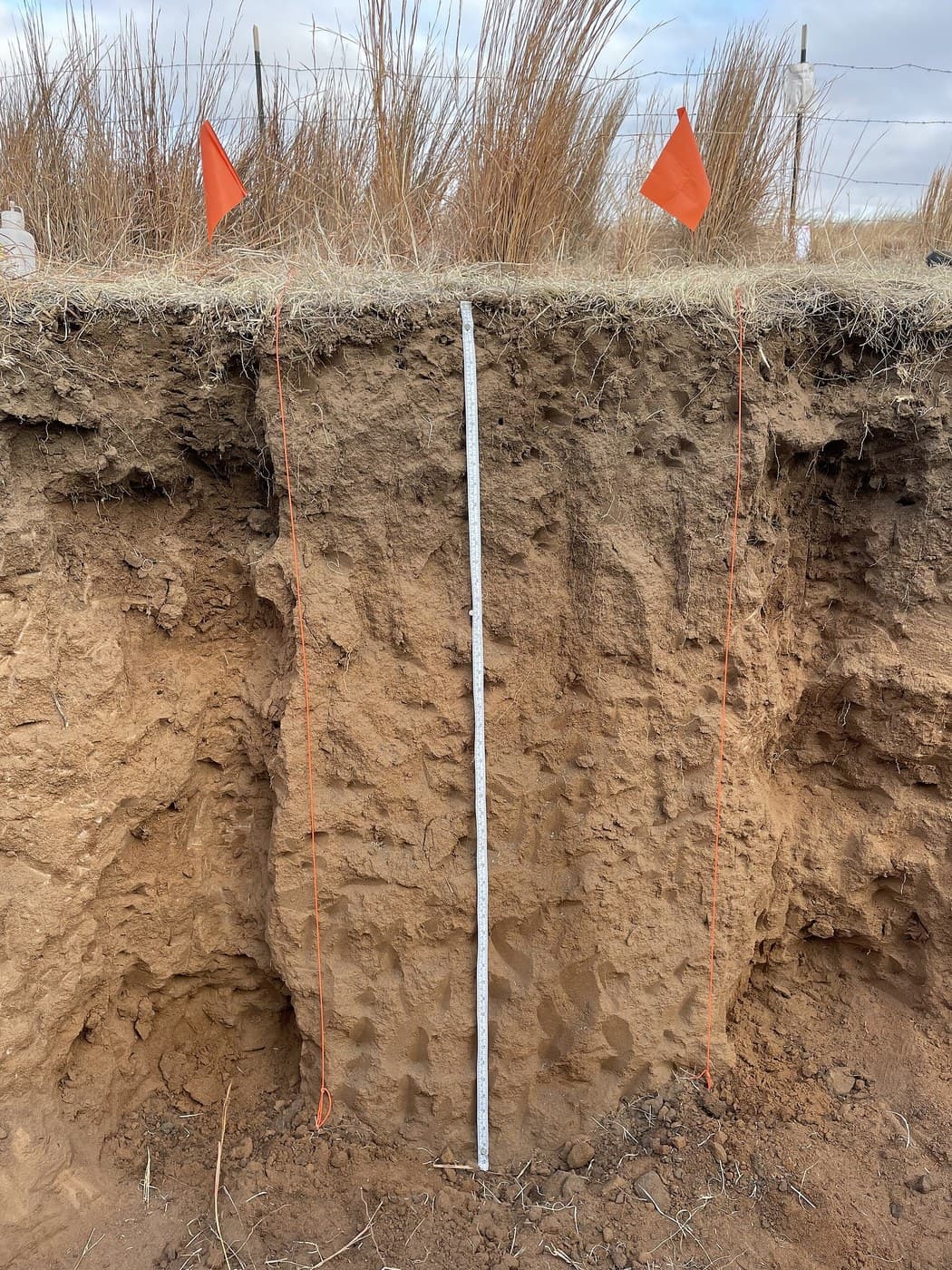
The Soil Pit: Texture, Structure and What It Will Grow
por Karen
Agricultura
47
0
0
0
0
0
Auger and Brace
por Emma
ARTESANÍA
47
0
0
0
0
0
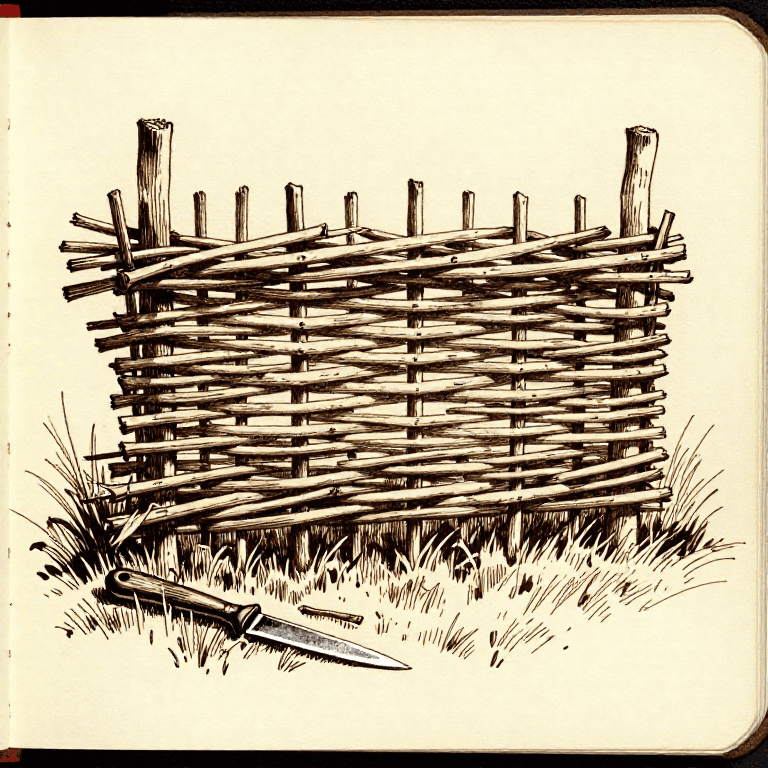
Building a Wattle Fence — Woven Wood Panel Construction
por Woody
Carpintería
112
0
0
0
2
0
CC0 Dominio público
Este Blueprint se publica bajo CC0. Eres libre de copiar, modificar, distribuir y usar este trabajo para cualquier propósito, sin pedir permiso.
Apoya al Maker comprando productos a través de su Blueprint, donde gana una Comisión del Maker establecida por los vendedores, o crea una nueva iteración de este Blueprint e inclúyela como conexión en tu propio Blueprint para compartir ingresos.