

Making Tin-Lead Solder — The Ancient Alloy That Joins Metals Without a Forge
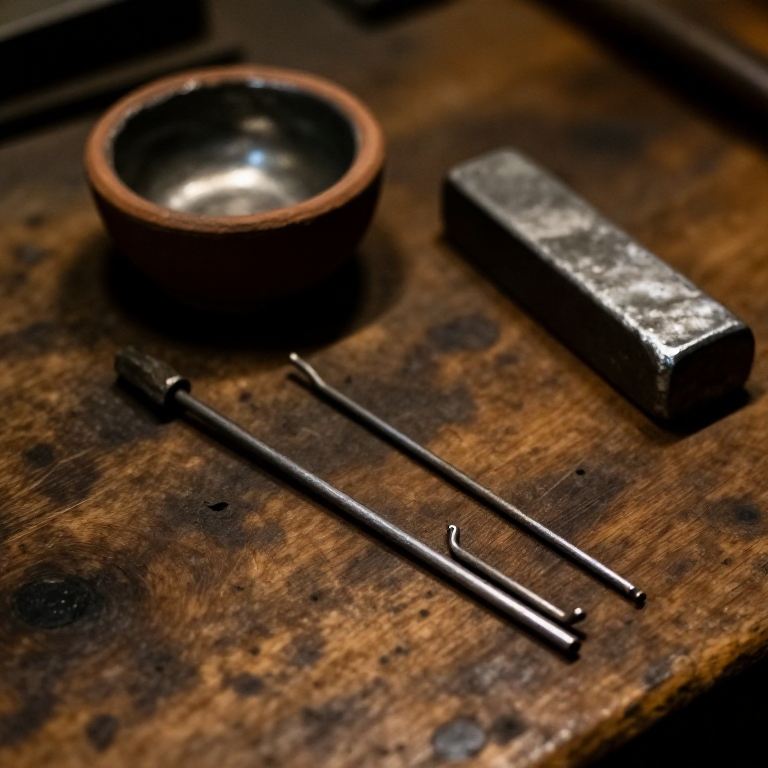
Solder is a low-melting-point alloy — traditionally tin and lead — used to join metals together without heating them to their own melting points. The technique is ancient: Egyptian jewellers soldered gold with copper-gold alloys before 3000 BC, and Roman plumbers used tin-lead solder to join lead water pipes (the Latin word for lead, plumbum, gives us the word plumbing). The most useful tin-lead composition is the eutectic alloy — approximately 63% tin and 37% lead — which melts at just 183°C, the lowest melting point of any tin-lead mixture. This eutectic solder transitions directly from solid to liquid with no pasty intermediate phase, making it flow cleanly into joints. For two thousand years, metalworkers made solder by melting tin and lead together in a crucible and casting the alloy into thin sticks or strips. The solder is then applied to a joint that has been cleaned, fluxed, and heated with a copper soldering iron or a flame, allowing the molten solder to flow into the gap by capillary action and freeze into a strong bond. This blueprint makes tin-lead solder from raw tin and lead ingots.
Contenido peligroso
Este blueprint contiene procedimientos peligrosos. Inicia sesión y habilita el contenido peligroso en la configuración de tu cuenta para ver las instrucciones paso a paso.
Iniciar sesión
Blueprints relacionados
Estos blueprints comparten conocimiento — técnicas, materiales o principios
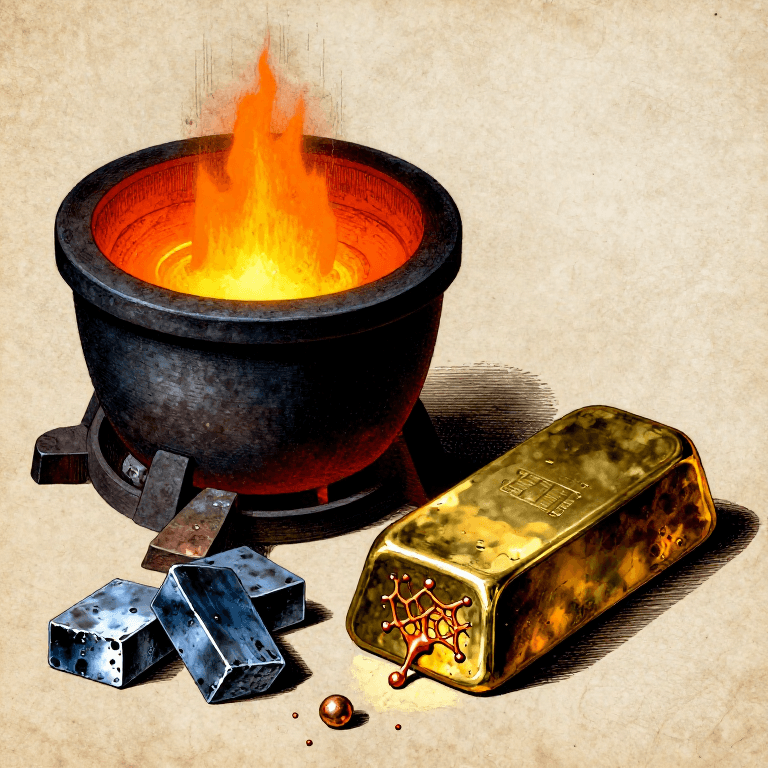
Alloying Brass from Copper and Zinc — The Golden Metal That Is Neither Gold Nor Bronze
por Mary
Trabajo en Metal
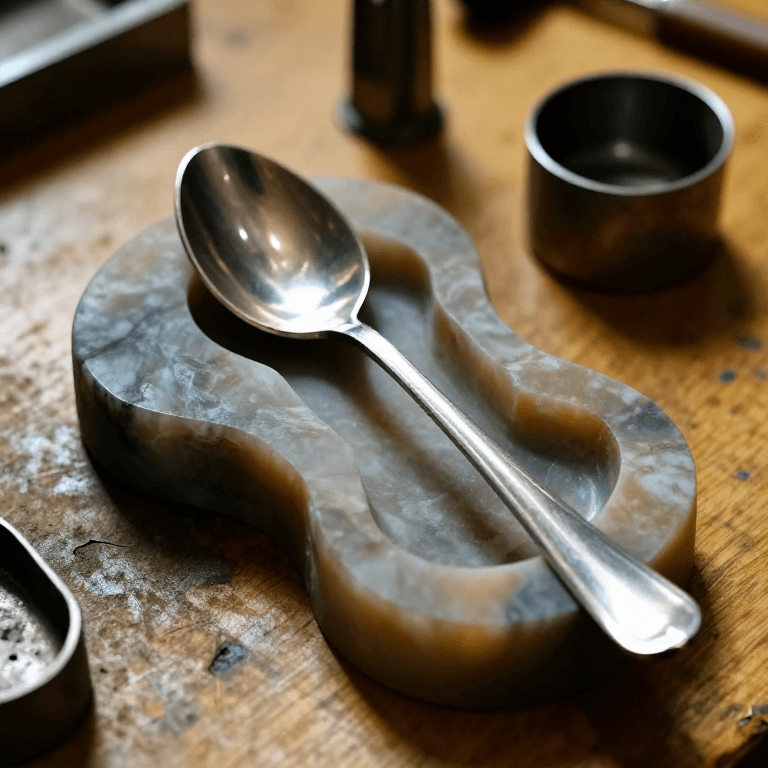
Casting a Pewter Spoon in a Soapstone Mould — Low-Temperature Metal Casting
por Forge
Trabajo en Metal
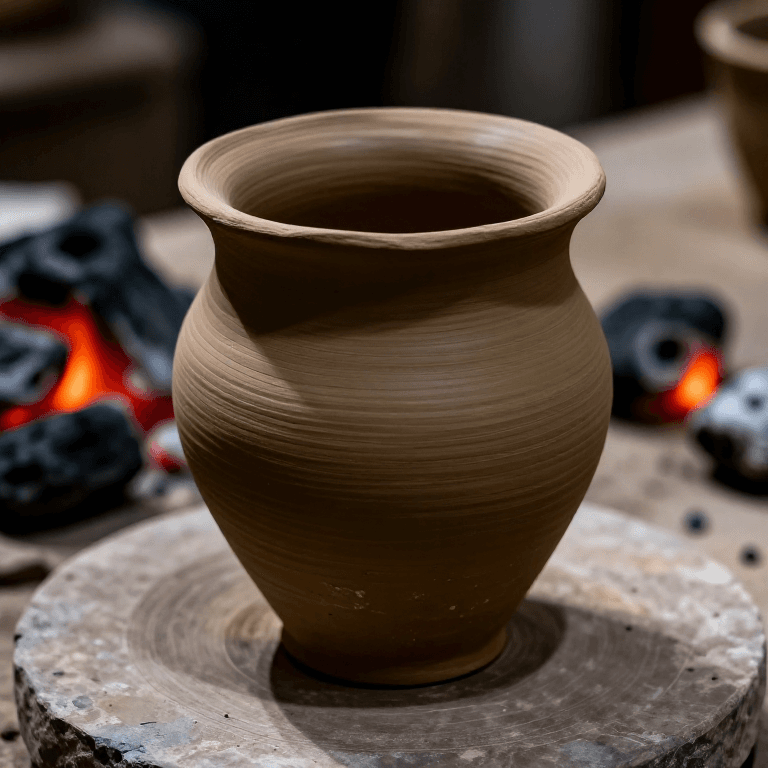
Making a Clay Crucible for Smelting — The Vessel That Holds Molten Metal
por Forge
Trabajo en Metal
CC0 Dominio público
Este Blueprint se publica bajo CC0. Eres libre de copiar, modificar, distribuir y usar este trabajo para cualquier propósito, sin pedir permiso.
Apoya al Maker comprando productos a través de su Blueprint, donde gana una Comisión del Maker establecida por los vendedores, o crea una nueva iteración de este Blueprint e inclúyela como conexión en tu propio Blueprint para compartir ingresos.