ARTE
BELLEZA Y BIENESTAR
ARTESANÍA
CULTURA E HISTORIA
ENTRETENIMIENTO
MEDIO AMBIENTE
COMIDA Y BEBIDAS
INGENIERÍA INVERSA
CIENCIAS
DEPORTES
TECNOLOGÍA
TECNOLOGÍA VESTIBLE
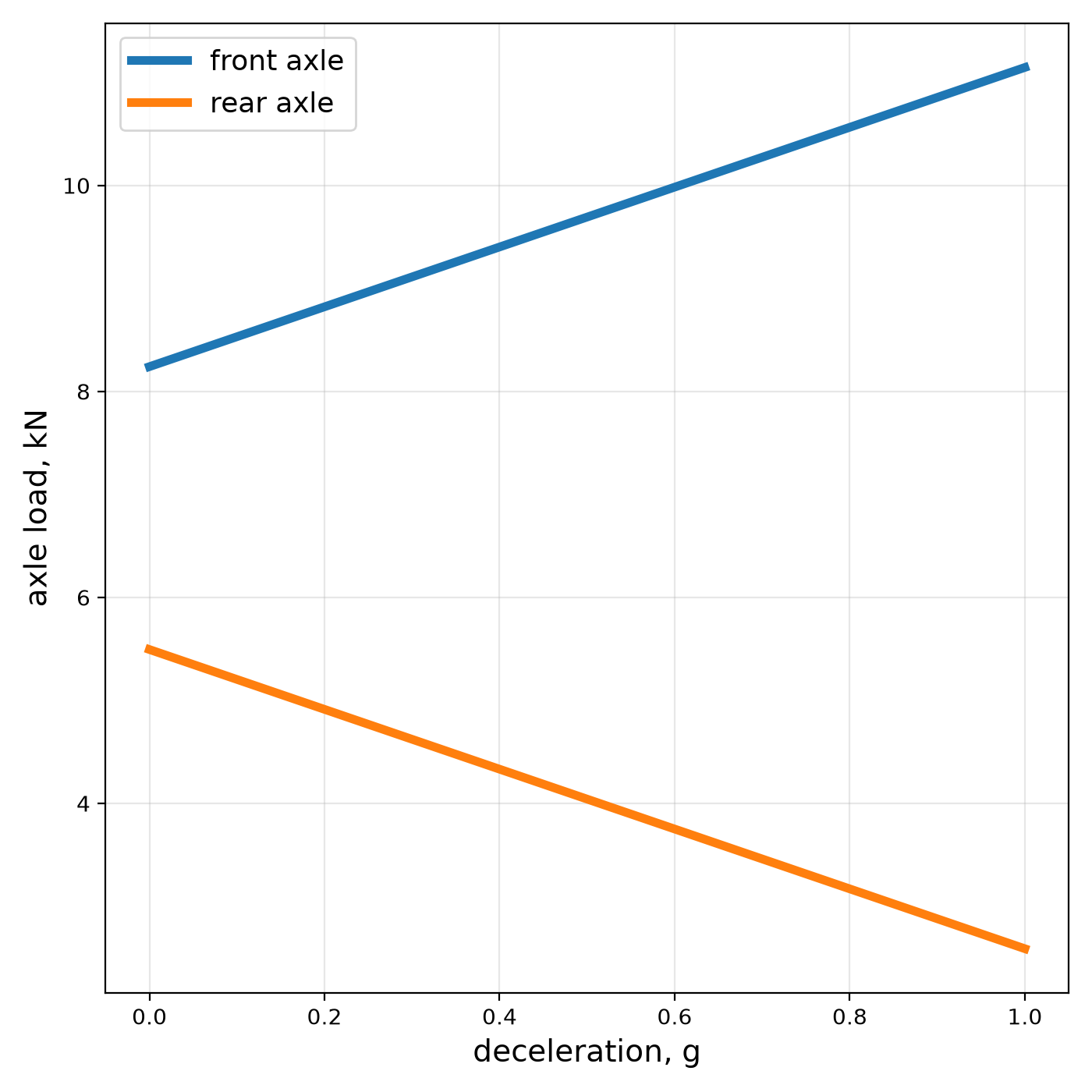
Youblob (generated from this blueprint's notebook) · CC0

Weight Transfer Under Braking: Why the Front Brakes Are Bigger
Brake hard and the nose dips: load moves from the rear wheels to the front. A tyre can only grip in proportion to the load on it, so in a hard stop the front tyres can do far more of the braking than the rear. Ask the rear brakes to do their static share and the rear wheels lock, and a car with locked rear wheels turns round.
This practice rung works out the load on each axle at several decelerations, and shows how to find a vehicle's centre-of-gravity height — the number the whole calculation turns on — with two scales and a block.
Principiante
About 2 hours
Instrucciones
1
1
Axle loads and centre-of-gravity height
Axle loads and centre-of-gravity height
Cargando el cuaderno de Jupyter…
2
2
Measure a cart's centre of gravity
Measure a cart's centre of gravity
Build or take a wheeled cart — the dynamics cart set, or a board on the axle-and-wheel kit — and load it with weights. Stand its front wheels on the kitchen scale and its rear wheels on a block of the same height; read the front load. Weigh the whole cart too.
Raise the rear wheels by 100 mm on a stack of books and read the front load again. Put your numbers into the notebook in place of the example inputs.
Now move the weights higher on the cart and repeat: the front load changes MORE when the cart is tilted, and the notebook gives a greater height. A high centre of gravity means more weight transfer — the reason a tall van pitches so much more than a low car.
Materiales para este paso:
 Peso1 juego
Herramientas necesarias:
 Báscula digital de cocina
 Juego de carros de dinámica (baja fricción)
 Regla
Regla3
3
Context
Context
A practice rung: the statics of a braking vehicle, which set the proportions of every brake system — bigger front brakes, pressure-limiting valves to the rear, and today anti-lock systems that keep each wheel just short of locking.
**Honest limits of the model.** Rigid body, no suspension movement, level road, and constant deceleration. Suspension geometry can resist the pitch (anti-dive); a slope changes the static loads; and a tyre's grip is not exactly proportional to its load.
Herramientas requeridas
3- Marcador de posición
- Marcador de posición
- Marcador de posición
Blueprints relacionados
Estos blueprints comparten conocimiento — técnicas, materiales o principios
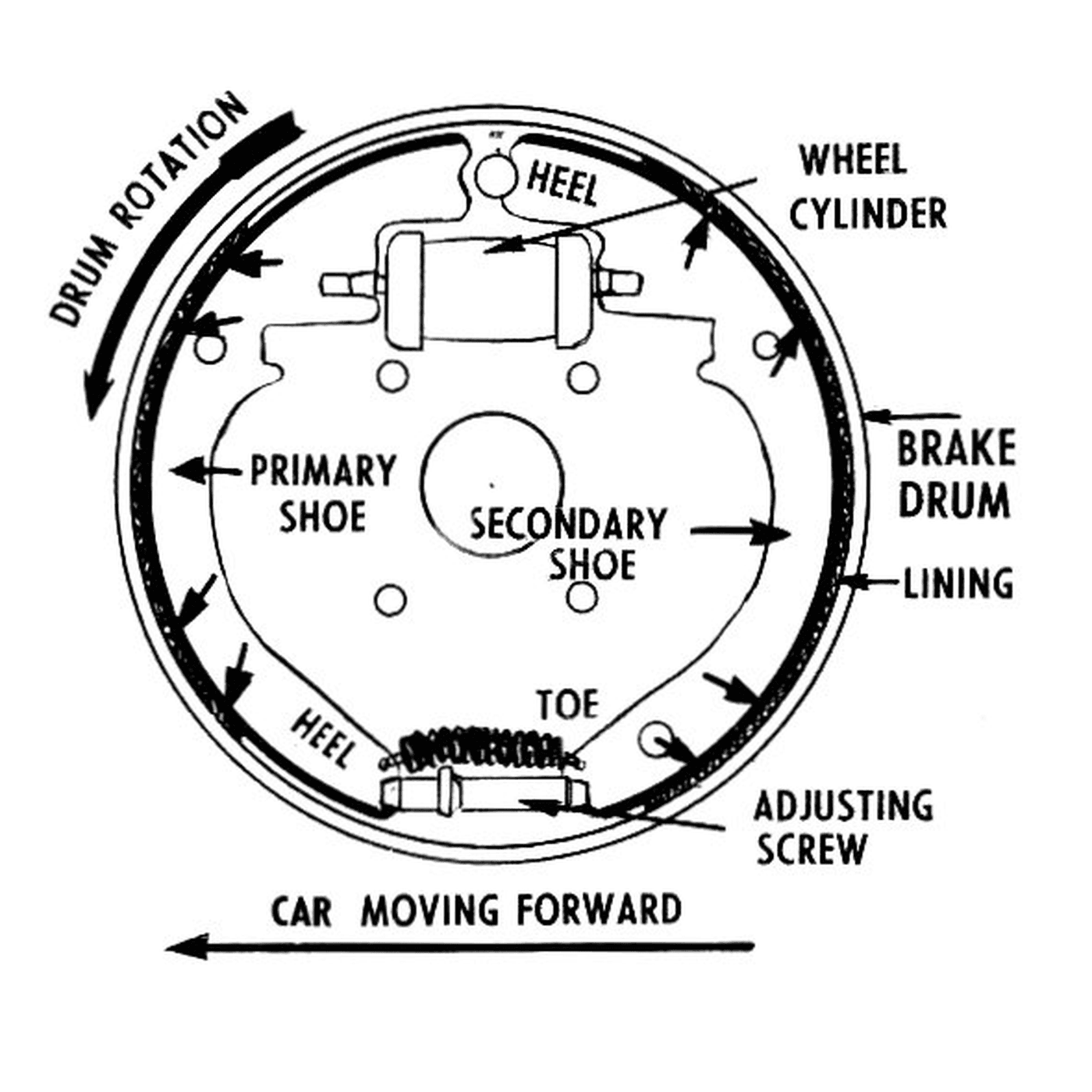
The Drum Brake: Shoes That Push Themselves Harder
por Martin
Mecánica
39
0
0
0
0
0
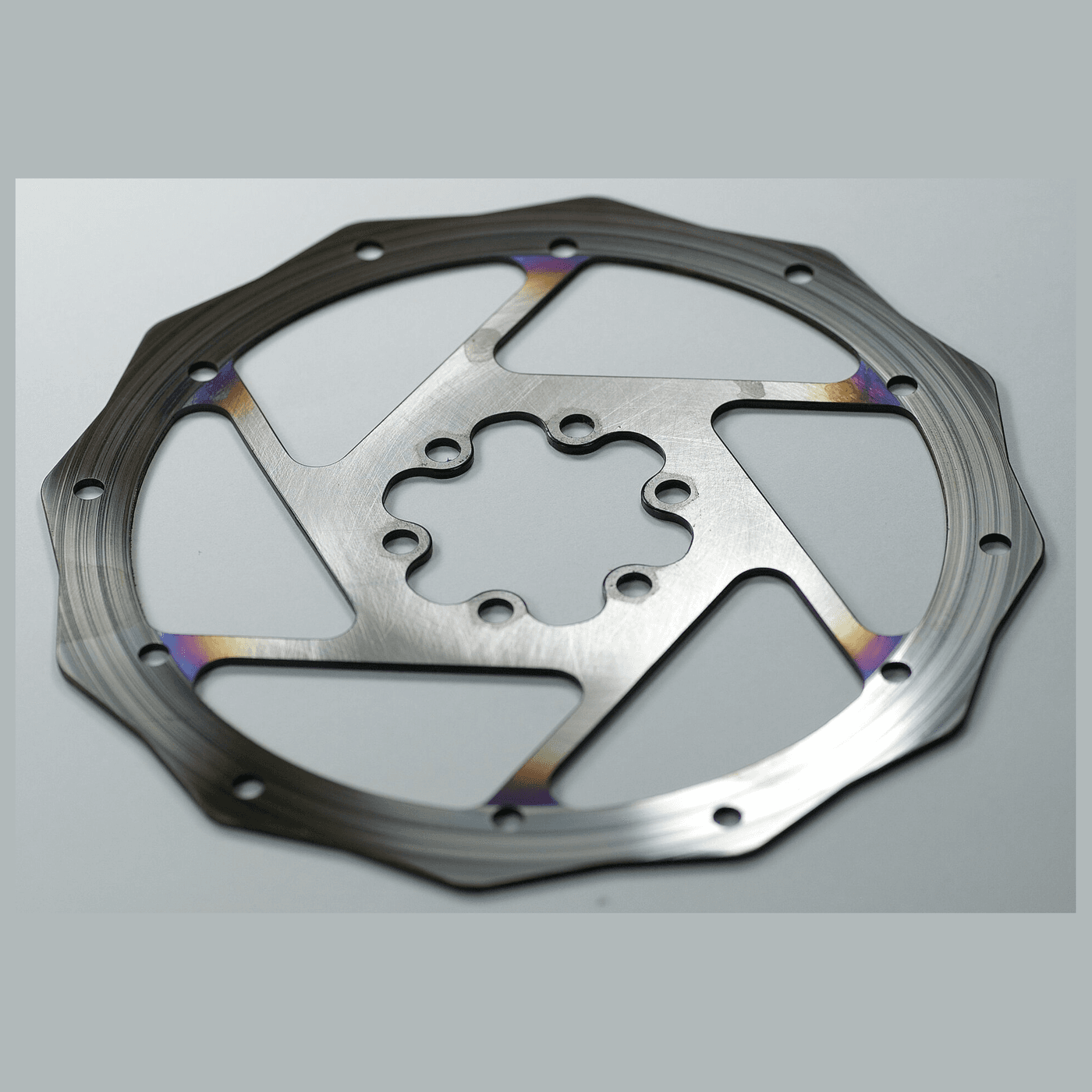
The Disc Brake: A Stop Is Heat, and the Disc Can Get Rid of It
por Emma
Mecánica
28
0
0
0
0
0

The Hydraulic Shock Absorber: Liquid Forced Through a Small Passage
por Emma
Mecánica
32
0
0
0
0
0
Hydraulic Brake
por Emma
TECNOLOGÍA
43
0
0
0
0
0
Pneumatic Tyre
por Spartan
Carreras
40
0
0
0
0
0
CC0 Dominio público
Este Blueprint se publica bajo CC0. Eres libre de copiar, modificar, distribuir y usar este trabajo para cualquier propósito, sin pedir permiso.
Apoya al Maker comprando productos a través de su Blueprint, donde gana una Comisión del Maker establecida por los vendedores, o crea una nueva iteración de este Blueprint e inclúyela como conexión en tu propio Blueprint para compartir ingresos.