ARTE
BELLEZA Y BIENESTAR
ARTESANÍA
CULTURA E HISTORIA
ENTRETENIMIENTO
MEDIO AMBIENTE
COMIDA Y BEBIDAS
INGENIERÍA INVERSA
CIENCIAS
DEPORTES
TECNOLOGÍA
TECNOLOGÍA VESTIBLE
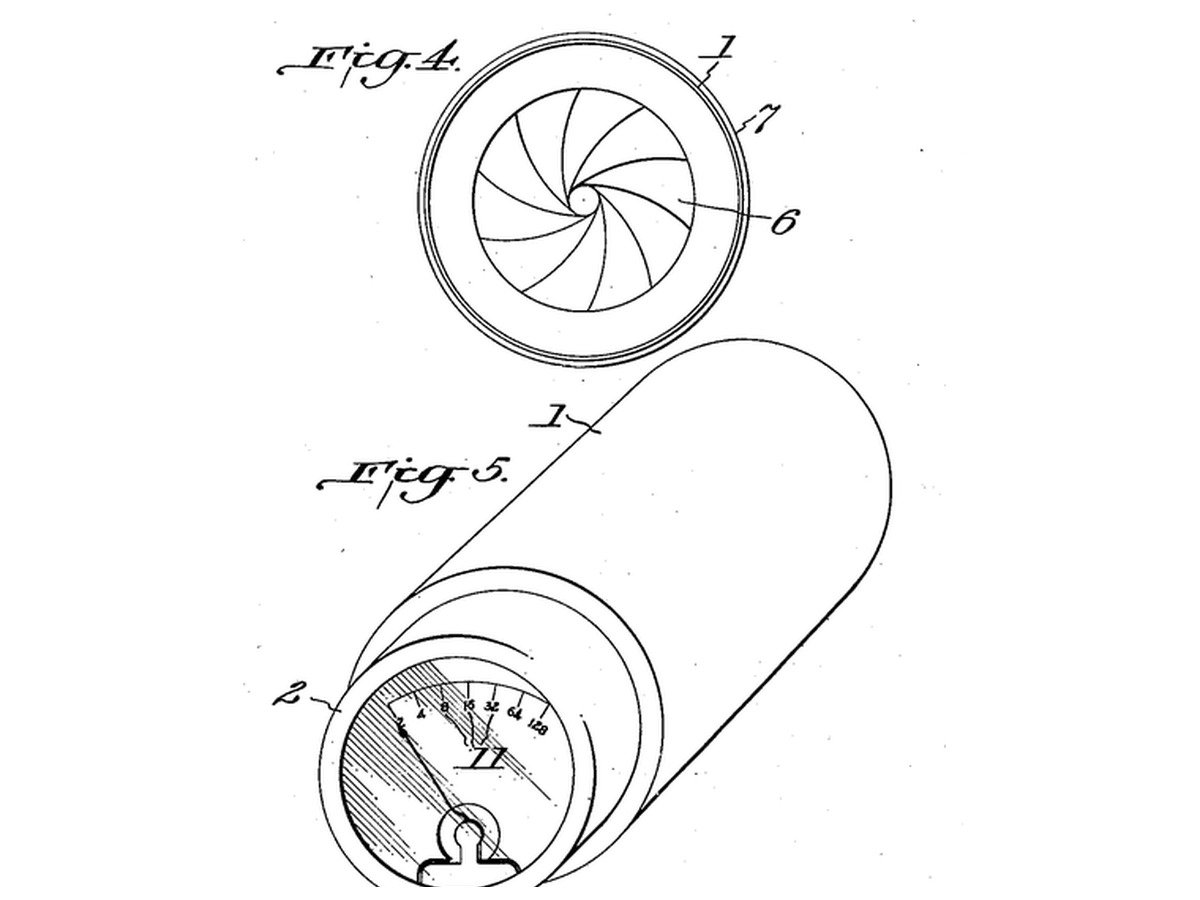

Photoelectric Exposure Meter
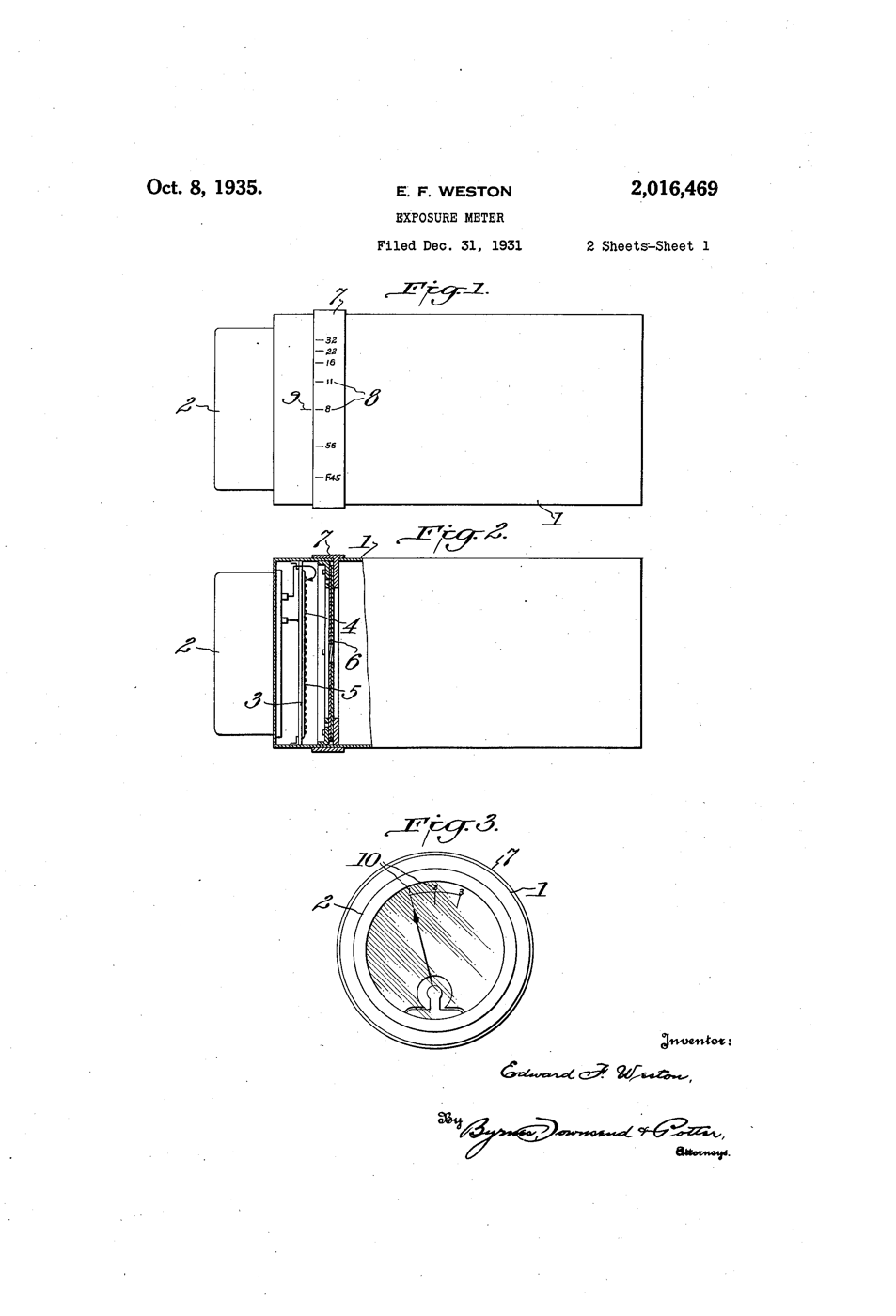
Photographers judged exposure by eye, by printed tables, or with extinction meters that asked them to read the dimmest visible number. Edward Weston (the instrument maker, not the photographer) used a photovoltaic cell that generates its own current in light and fed it straight into a sensitive meter marked in exposure terms. No battery, no judgement.
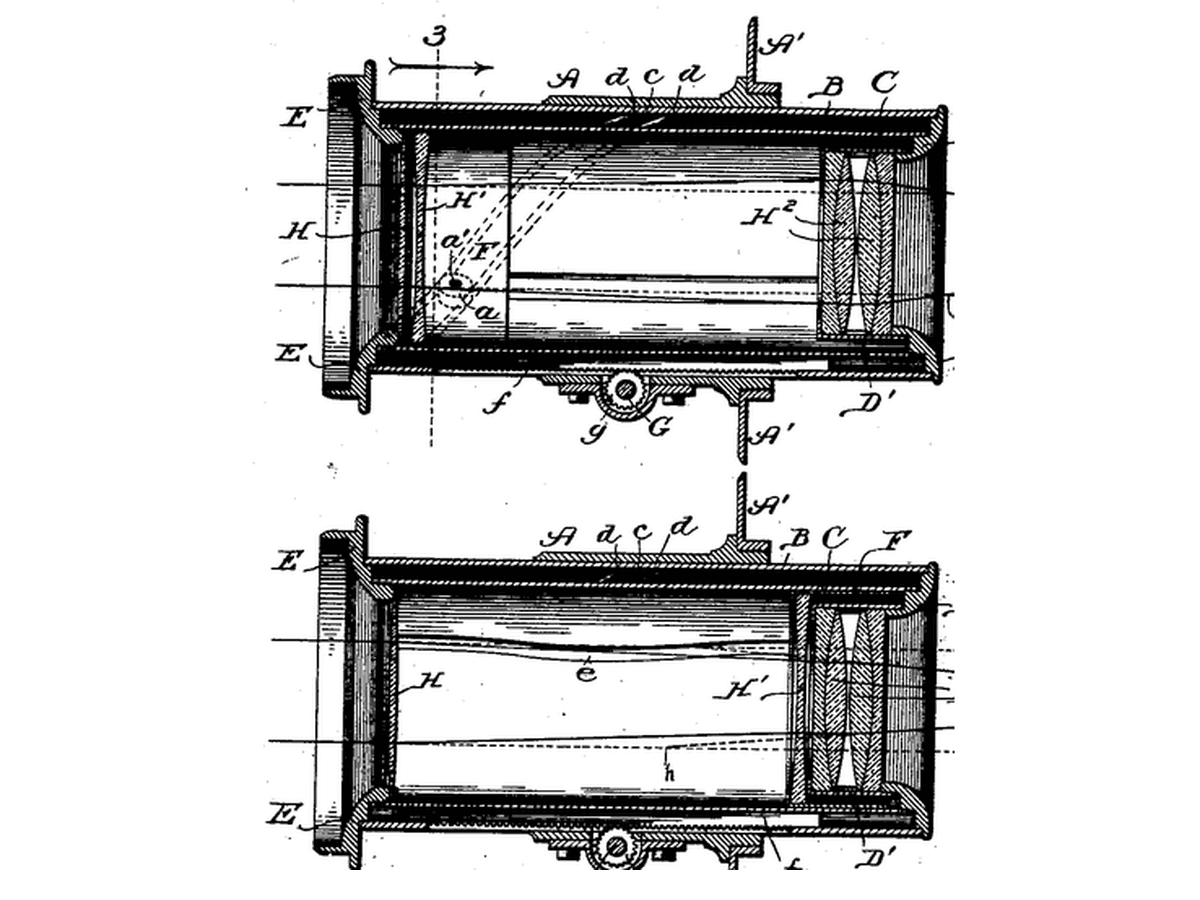
**US 2,016,469**, "Exposure meter", Weston, assigned to Weston Electrical Instrument, filed 31. December 1931, granted 8. October 1935: an instrument "for the direct determination of the correct exposure conditions", improving on earlier current-generating cell meters whose output was too small and whose construction was impractical.
**You build the same thing** from a small solar cell and a multimeter, calibrate it against a lux meter, and turn its readings into shutter speeds.
Principiante
90 minutes
Instrucciones
1
1
Cell and meter
Cell and meter
Clip the solar cell's two leads to the multimeter set to DC milliamps (or microamps). This short-circuits the cell through the meter - the current is what you read.
Materiales para este paso:
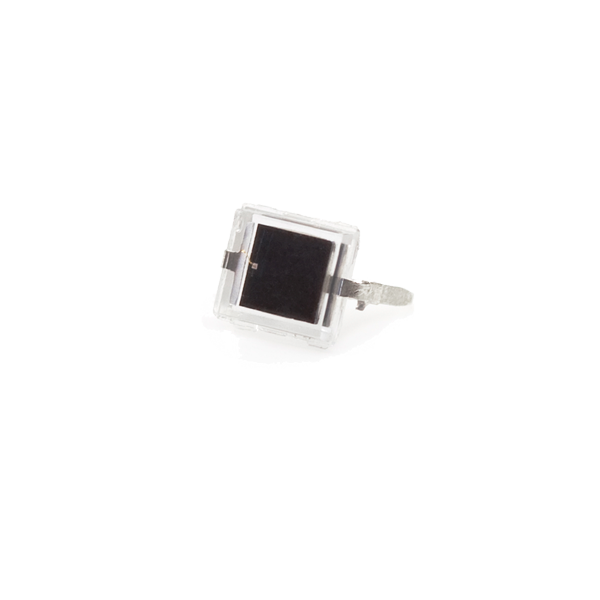 Solar Cell Mini - 350mV1 pieza
Herramientas necesarias:
 Multímetro
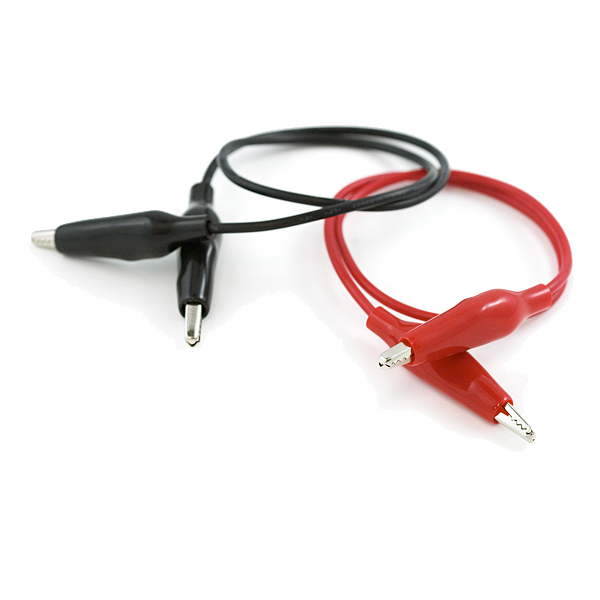 Alligator to Alligator Cables
2
2
A hood
A hood
Glue a black card tube 30 mm long around the cell so it sees only light from in front, as Weston's meter did.
Materiales para este paso:
 Cartulina negra1 hoja
Herramientas necesarias:
 Cúter de precisión
 Pistola de cola caliente
3
3
Calibrate
Calibrate
Hold the cell and the lux meter side by side, facing the same way, in four very different lights: a dim room, a lamp, a window, open shade outdoors. Note both readings each time.
Herramientas necesarias:
 Luxómetro
4
4
Current to exposure
Current to exposure
Cargando el cuaderno de Jupyter…
5
5
Use it
Use it
Stand at the subject, point the hood back towards the camera, read the current, and set the camera manually from the notebook's table. Compare with the camera's own meter.
Herramientas necesarias:
Multímetro6
6
History & Context
History & Context
**What the patent specifies:** a light-sensitive current-generating cell connected to a measuring instrument reading directly in exposure terms. **Modern build (derived):** a silicon solar cell and a multimeter.
Weston's selenium-cell meters, sold from 1932, made metering routine; cameras later built the cell in. Its limits: selenium cells lose sensitivity in dim light and age, and any meter averages the scene - a snowfield or a black cat still fools it.
Materiales
2- Solar Cell Mini - 350mV10% de comisión1 piezaMX$41.78
- 1 hojaMarcador de posición
Herramientas requeridas
5- Marcador de posición
- Alligator to Alligator Cables10% de comisiónMX$67.49
- Marcador de posición
- Marcador de posición
- Marcador de posición
Total estimado
Lo que compró quien lo hizo. Los materiales sin precio se consiguen donde tú los compres.
Este plano hace
Blueprints relacionados
Estos blueprints comparten conocimiento — técnicas, materiales o principios

CC0 Dominio público
Este Blueprint se publica bajo CC0. Eres libre de copiar, modificar, distribuir y usar este trabajo para cualquier propósito, sin pedir permiso.
Apoya al Maker comprando productos a través de su Blueprint, donde gana una Comisión del Maker establecida por los vendedores, o crea una nueva iteración de este Blueprint e inclúyela como conexión en tu propio Blueprint para compartir ingresos.