

Making Paper from Wood Pulp — The Groundwood Process That Made Paper Cheap
For nearly two thousand years, paper was made from rags — worn-out linen and cotton beaten to pulp. It was good paper, but rags were scarce, and as literacy spread the world simply ran out of them. The answer, found in the 1840s, was to make paper from the most abundant fibre on Earth: wood.
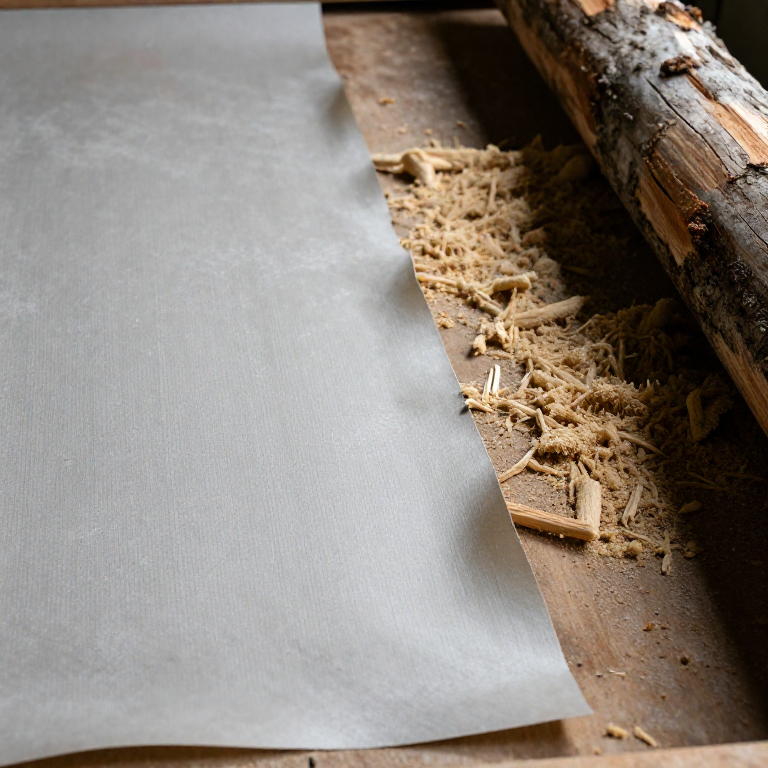
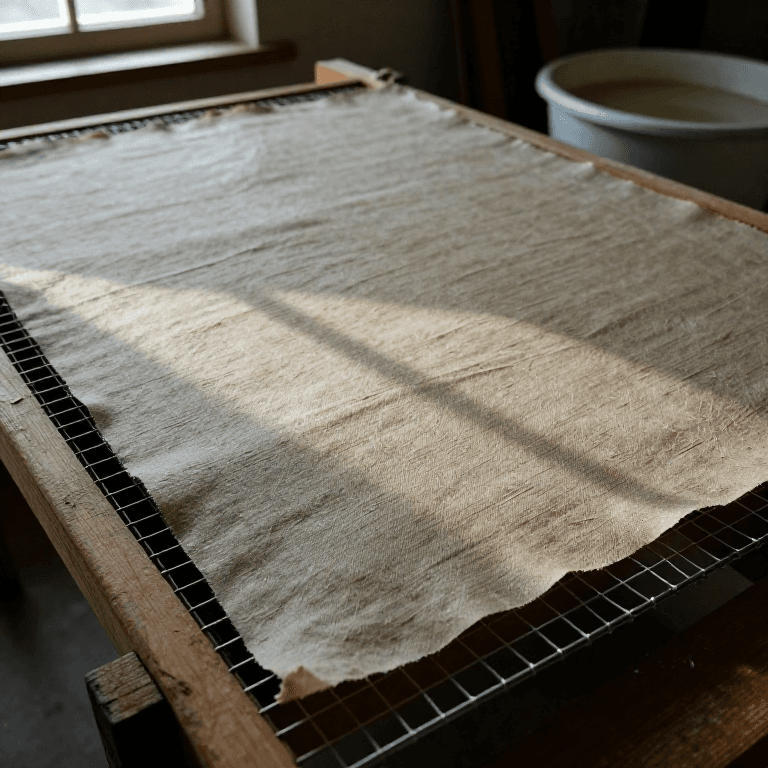
The simplest method is mechanical groundwood pulp. A log is pressed against a wet, spinning grindstone, which tears the wood into a slush of short fibres. Screened, refined, and matted on a wire, those fibres dry into paper. It is fast and cheap and turns a forest into newsprint — which is exactly what put a daily newspaper into every household.
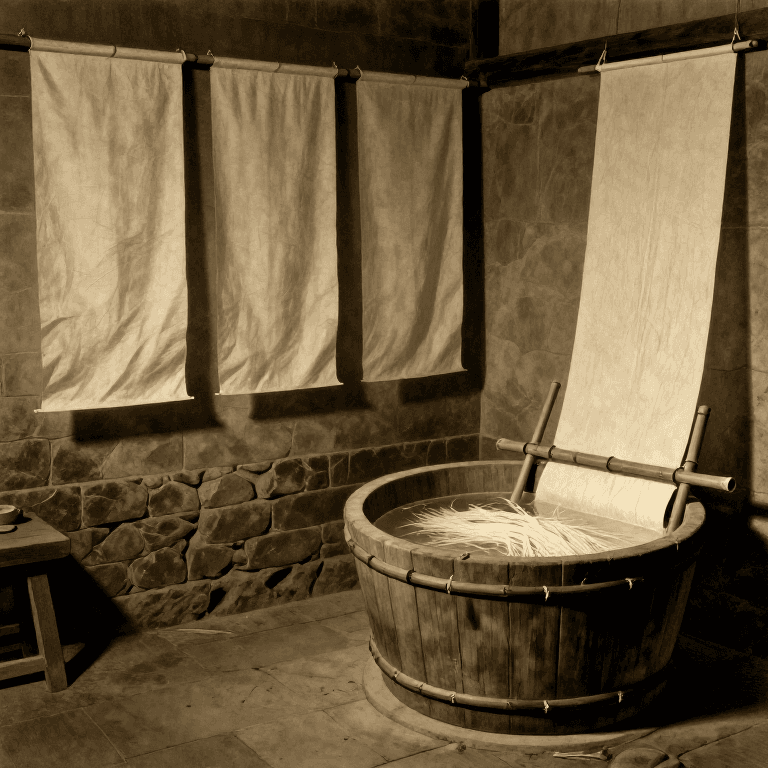
Groundwood pulp keeps the wood's lignin, so the paper is weak and yellows with age, as old newspapers show. Removing the lignin by chemical pulping gives the white, durable paper of books — a more advanced step that built on this one. But it was cheap wood paper that truly democratised the printed word.
Instrucciones
Understand the shift to wood
Understand the shift to wood
Select softwood
Select softwood
Materiales para este paso:
 Troncos de madera blanda5 kg
Debark the logs
Debark the logs
Herramientas necesarias:
 Cuchilla de dos mangos
Grind the wood to pulp
Grind the wood to pulp
Materiales para este paso:
 Agua40 litros
Herramientas necesarias:
 Piedra de afilar de rueda
Screen the pulp
Screen the pulp
Herramientas necesarias:
 Tamiz de 60 mesh
Refine the stock
Refine the stock
Add sizing and filler
Add sizing and filler
Materiales para este paso:
 Colofonia de pino50 g
 Alumbre (alumbre potásico)30 g
Form the sheet
Form the sheet
Herramientas necesarias:
 Marco de papel
Couch and press
Couch and press
Materiales para este paso:
 Fieltro de lana2 piezas
Herramientas necesarias:
 Prensa
Dry the sheets
Dry the sheets
Finish the paper
Finish the paper
Herramientas necesarias:
PrensaKnow its strength and weakness
Know its strength and weakness
Materiales
5- Marcador de posición
- 40 litrosMarcador de posición
- Marcador de posición
- Marcador de posición
- 2 piezasMarcador de posición
Herramientas requeridas
5- Marcador de posición
- Marcador de posición
- Marcador de posición
- Marcador de posición
- Marcador de posición
Este plano hace

Blueprints relacionados
Estos blueprints comparten conocimiento — técnicas, materiales o principios


CC0 Dominio público
Este Blueprint se publica bajo CC0. Eres libre de copiar, modificar, distribuir y usar este trabajo para cualquier propósito, sin pedir permiso.
Apoya al Maker comprando productos a través de su Blueprint, donde gana una Comisión del Maker establecida por los vendedores, o crea una nueva iteración de este Blueprint e inclúyela como conexión en tu propio Blueprint para compartir ingresos.