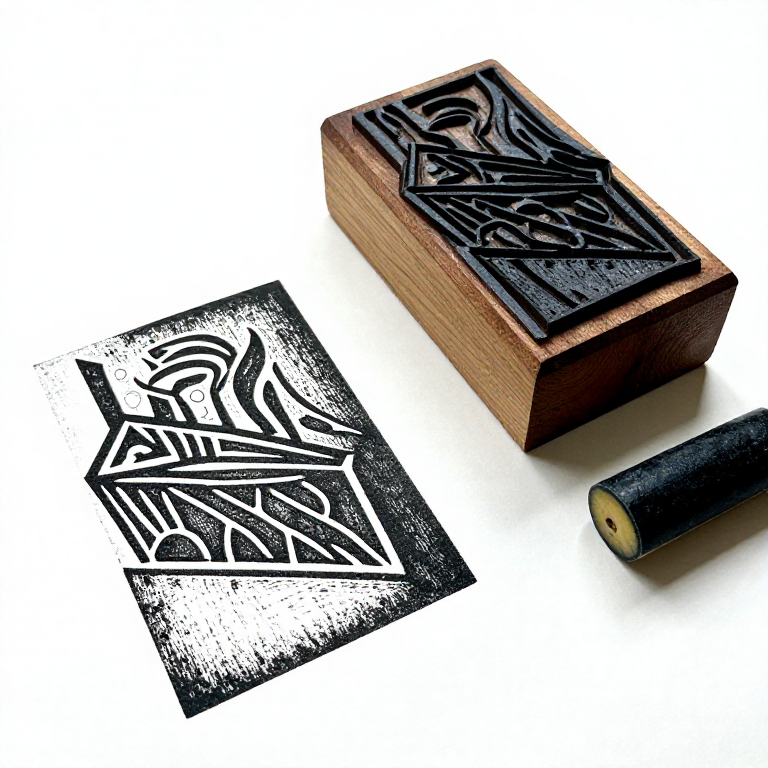


Carving and Printing a Woodblock — Relief Printing on Paper
Woodblock printing is the oldest method of printing text and images onto paper or cloth. Invented in China during the Tang dynasty (7th century CE) and spreading to Europe by the 14th century, it works by carving an image in relief on a flat block of wood — the raised surface holds ink and transfers it to paper when pressed. European broadsheets, playing cards, and early book illustrations were all printed this way before movable type. This blueprint covers selecting and preparing the wood, transferring a design, carving with gouges and knives, inking, and pulling prints by hand.
Instrucciones
Select the wood block
Select the wood block
Materiales para este paso:
 Bloque de madera dura1 pieza
Prepare the block surface
Prepare the block surface
Draw or transfer the design
Draw or transfer the design
Outline the design with a knife
Outline the design with a knife
Herramientas necesarias:
 Cuchillo de talla sloyd
Clear the waste wood
Clear the waste wood
Herramientas necesarias:
 Gubia para madera
Refine the carving
Refine the carving
Ink the block
Ink the block
Materiales para este paso:
 Tinta para xilografía1 tube
Herramientas necesarias:
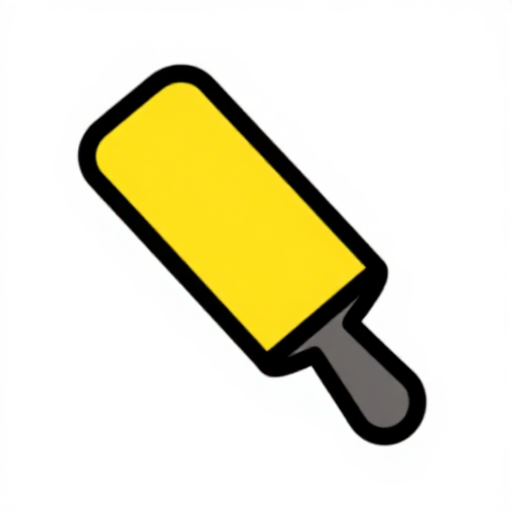 Rodillo entintador de goma
Position the paper
Position the paper
Burnish the print
Burnish the print
Herramientas necesarias:
 Baren (almohadilla de bruñido)
Pull the print
Pull the print
Print the edition
Print the edition
Clean and store the block
Clean and store the block
Materiales
2- 1 piezaMarcador de posición
- 1 tubeMarcador de posición
Herramientas requeridas
4- Marcador de posición
- Marcador de posición
- Marcador de posición
- Marcador de posición
Materiales de Blueprints conectados
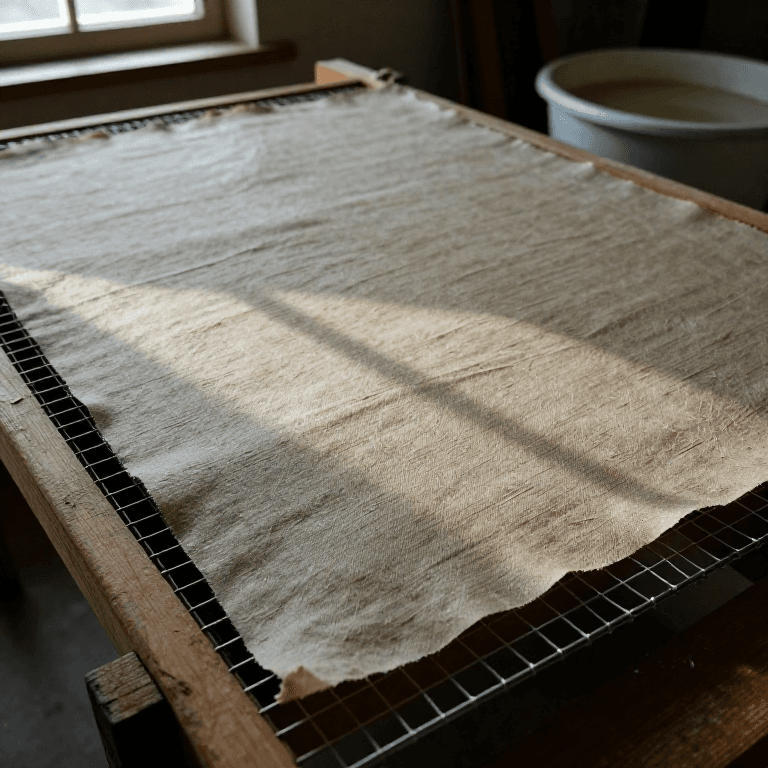

Este plano hace
Blueprints relacionados
Estos blueprints comparten conocimiento — técnicas, materiales o principios
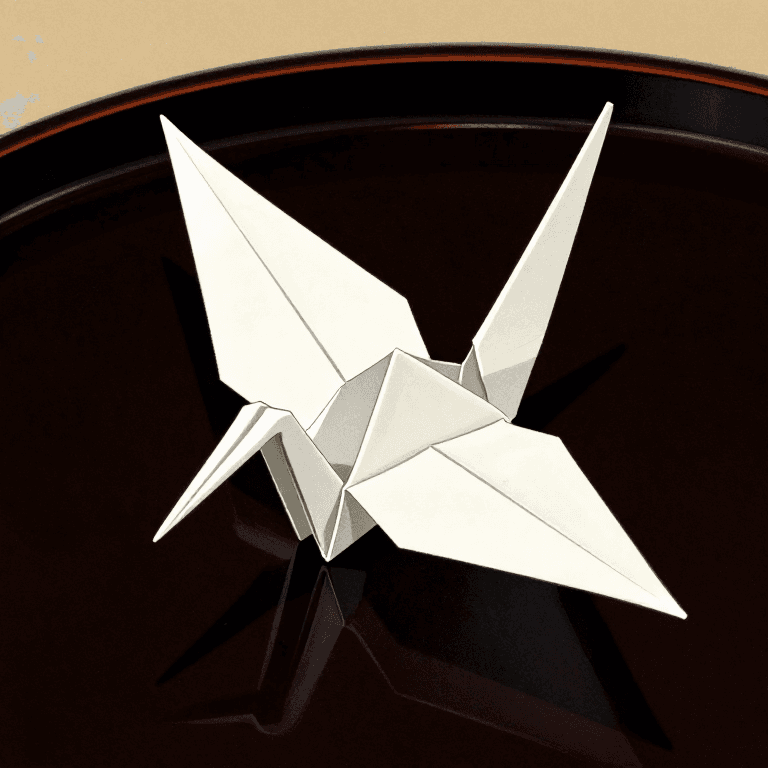
Folding a Traditional Orizuru Paper Crane — Classic Japanese Origami
por YourGrandma
Manualidades de Papel
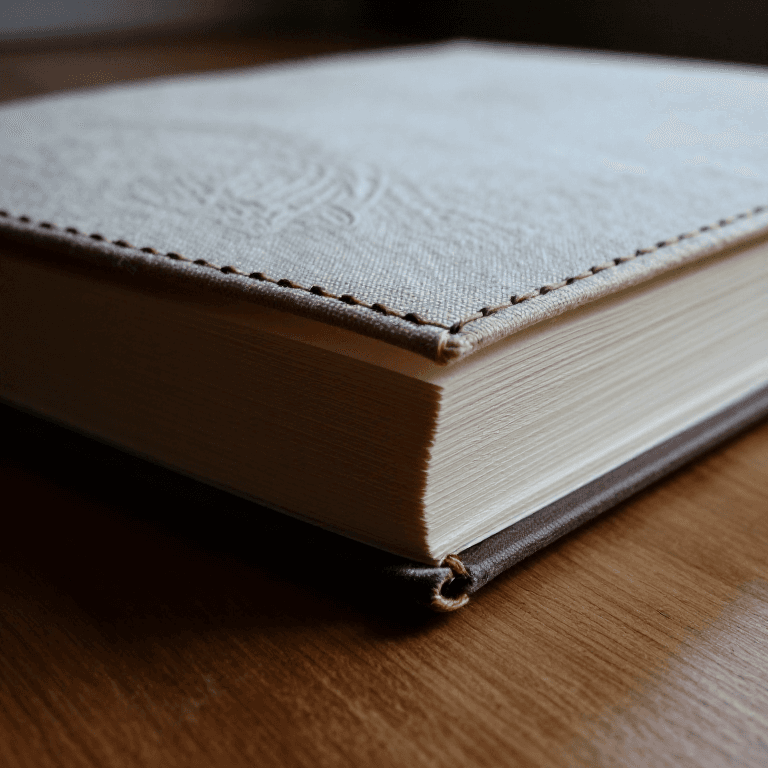
Binding a Coptic Stitch Journal — Exposed-Spine Chain Stitch Bookbinding
por Tex
Manualidades de Papel
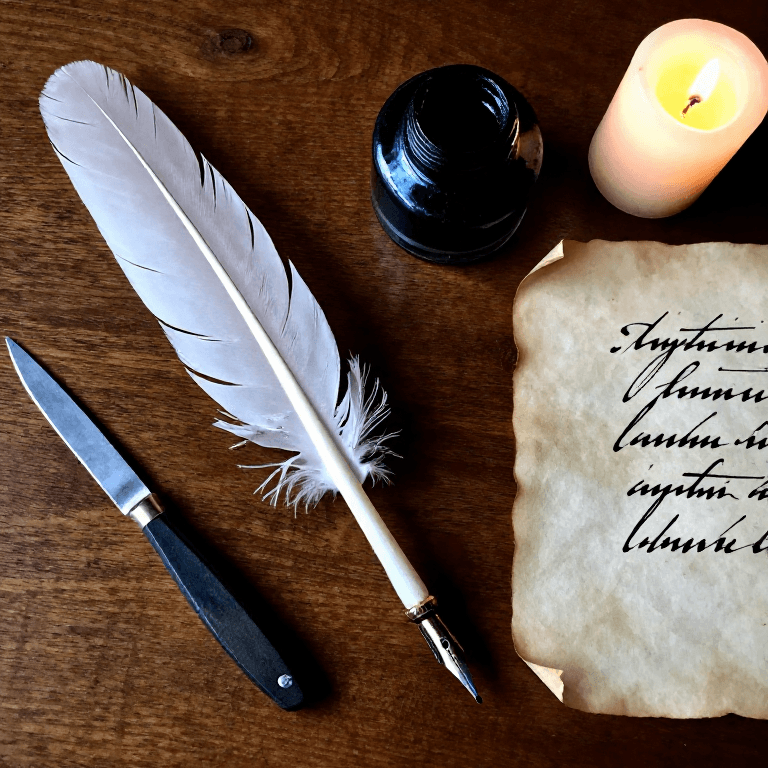
Cutting a Goose Quill Pen — Medieval Writing Instrument
por Bob
Manualidades de Papel
CC0 Dominio público
Este Blueprint se publica bajo CC0. Eres libre de copiar, modificar, distribuir y usar este trabajo para cualquier propósito, sin pedir permiso.
Apoya al Maker comprando productos a través de su Blueprint, donde gana una Comisión del Maker establecida por los vendedores, o crea una nueva iteración de este Blueprint e inclúyela como conexión en tu propio Blueprint para compartir ingresos.