Kerjasama
SENI
KECANTIKAN & KESEJAHTERAAN
KRAFTANGAN
BUDAYA & SEJARAH
HIBURAN
ALAM SEKITAR
MAKANAN & MINUMAN
KEJURUTERAAN TERBALIK
SAINS
SUKAN
TEKNOLOGI
BOLEH PAKAI
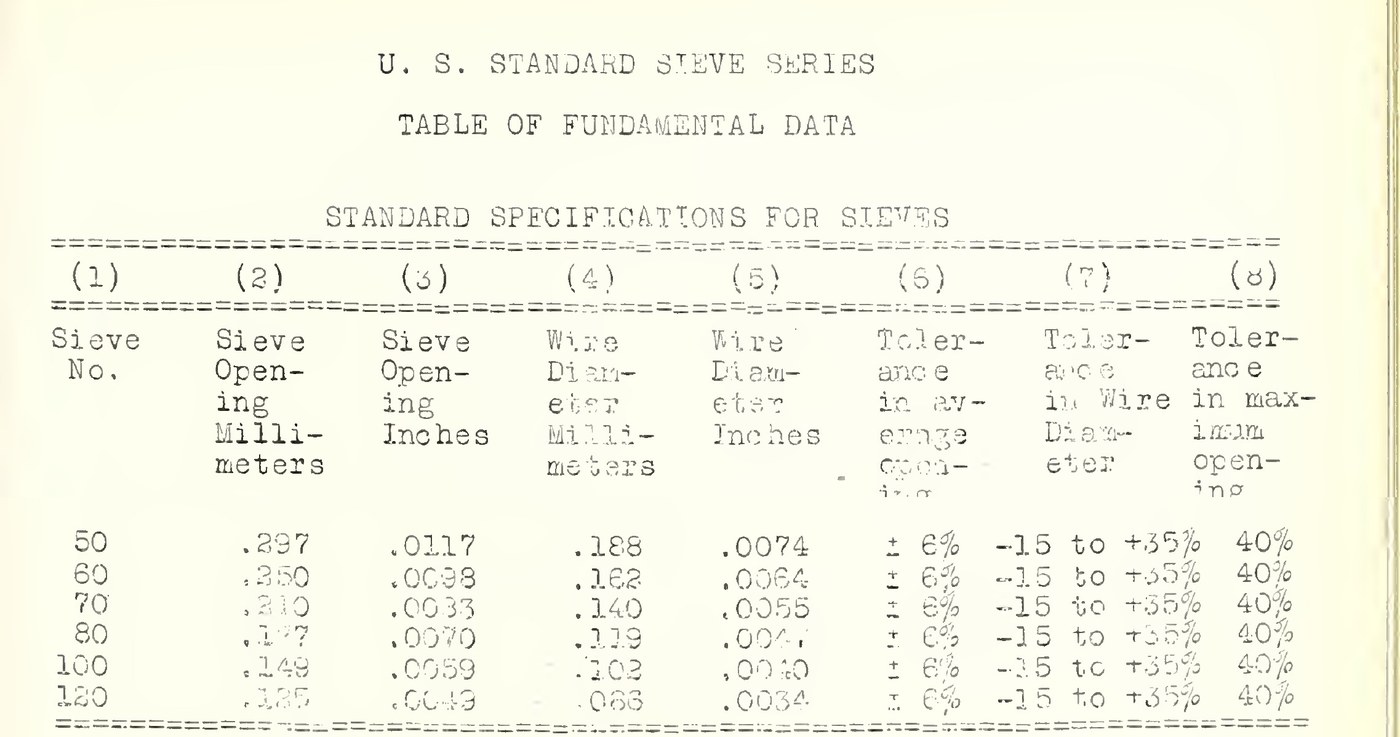


120-Mesh Sieve: U.S. Standard Sieve No. 120 (Bureau of Standards, 1924)
The standard testing sieve No. 120: plain-woven brass or bronze wire cloth with 0.125 mm (0.0049 in) openings and 0.086 mm (0.0034 in) wire, soldered smoothly into a round frame about 20 cm (8 in) across.
Result: a sieve that passes grains under 0.125 mm and holds back larger ones, made to the Bureau of Standards tolerances.
Source: Bureau of Standards, Letter Circular 74, Standard Specifications for Sieves (revised 1924). Unknown: the frame metal and the weaving. Picture: the Bureau's table.
Pertengahan
Unknown
Arahan
1
1
Weave the wire cloth
Weave the wire cloth
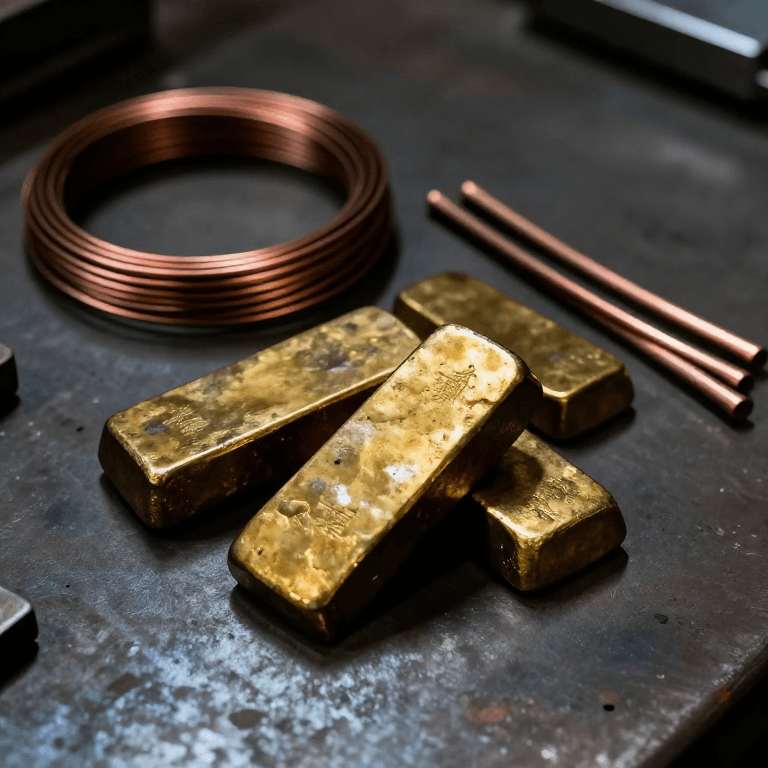
Weave plain (not twilled) cloth from brass, bronze or other suitable wire 0.086 mm (0.0034 in) thick, so the openings between adjacent wires are 0.125 mm (0.0049 in) each way, about 120 wires to the inch. Ours: bronze wire. Not given: how it is woven.
Bahan untuk langkah ini:
 Dawai gangsa1 warp and shoot wires
Alatan diperlukan:
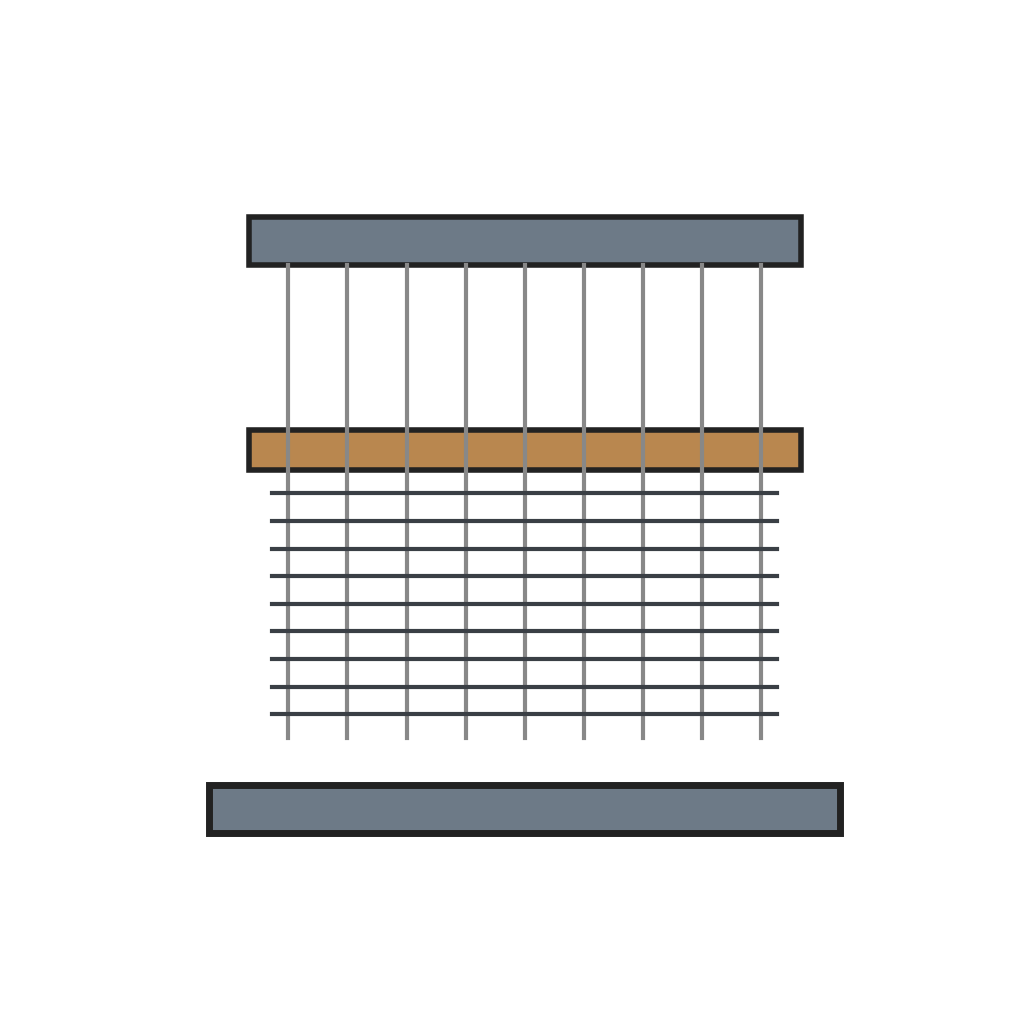 Alat tenun kain dawai
2
2
Make the frame
Make the frame
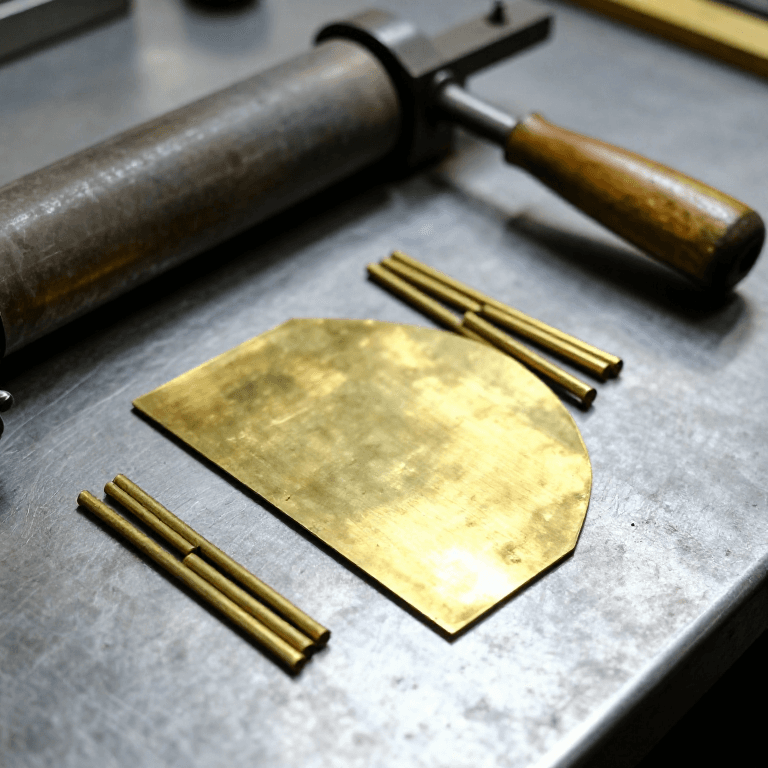
Make a circular frame about 20 cm (8 in) across, with about 5 cm (2 in), or 2.5 cm (1 in), between its top and the cloth. Ours: brass strip. Not given: the frame metal.
Bahan untuk langkah ini:
 Jalur loyang1 frame
Alatan diperlukan:
 Gunting kepingan logam
 Alat pematerian
3
3
Mount the cloth
Mount the cloth
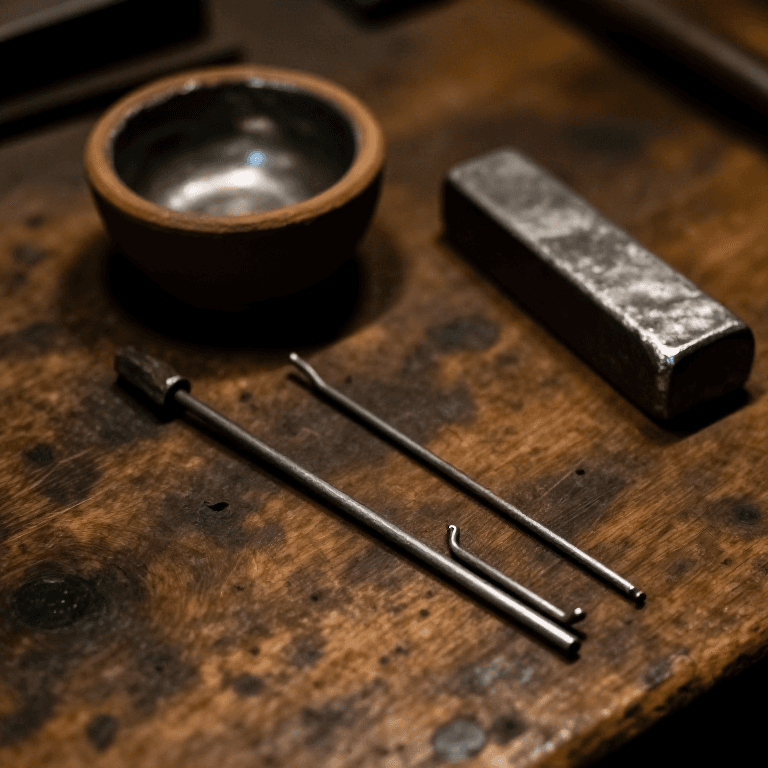
Mount the cloth on the frame without distorting it. Fill the joint between cloth and frame smoothly with solder, so the material being sieved cannot catch in it.
Bahan untuk langkah ini:
 Pateri timah-plumbum1 joint
 Fluks1 joint
Alatan diperlukan:
Alat pematerian4
4
Check it against the tolerances
Check it against the tolerances
Measure the warp and shoot wires separately. Their average opening must be 0.125 mm within ±6 %, their average diameter 0.086 mm within −15 to +35 %, and no opening may exceed 0.125 mm by more than 40 %. Reject a sieve with punctures, loose or wavy cloth, poor soldering, or too many large openings.
Alatan diperlukan:
 Mikrometer
 Kanta Pembesar
Bahan
4- 1 warp and shoot wiresPemegang Tempat
- 1 framePemegang Tempat
- 1 jointPemegang Tempat
- 1 jointPemegang Tempat
Alatan Diperlukan
5- Pemegang Tempat
- Pemegang Tempat
- 2 vendors sell this, none ship to you yetPemegang Tempat
- Pemegang Tempat
- Pemegang Tempat
Bahan Blueprint Bersambung


Blueprint ini membuat

CC0 Domain Awam
Blueprint ini dikeluarkan di bawah CC0. Anda bebas menyalin, mengubah, mengedar, dan menggunakan karya ini untuk sebarang tujuan, tanpa meminta kebenaran.
Sokong Pembuat dengan membeli produk melalui Blueprint mereka di mana mereka memperoleh Komisen Pembuat ditetapkan oleh Penjual, atau cipta iterasi baru Blueprint ini dan sertakan ia sebagai sambungan dalam Blueprint anda sendiri untuk berkongsi hasil.