Kerjasama
SENI
KECANTIKAN & KESEJAHTERAAN
KRAFTANGAN
BUDAYA & SEJARAH
HIBURAN
ALAM SEKITAR
MAKANAN & MINUMAN
KEJURUTERAAN TERBALIK
SAINS
SUKAN
TEKNOLOGI
BOLEH PAKAI
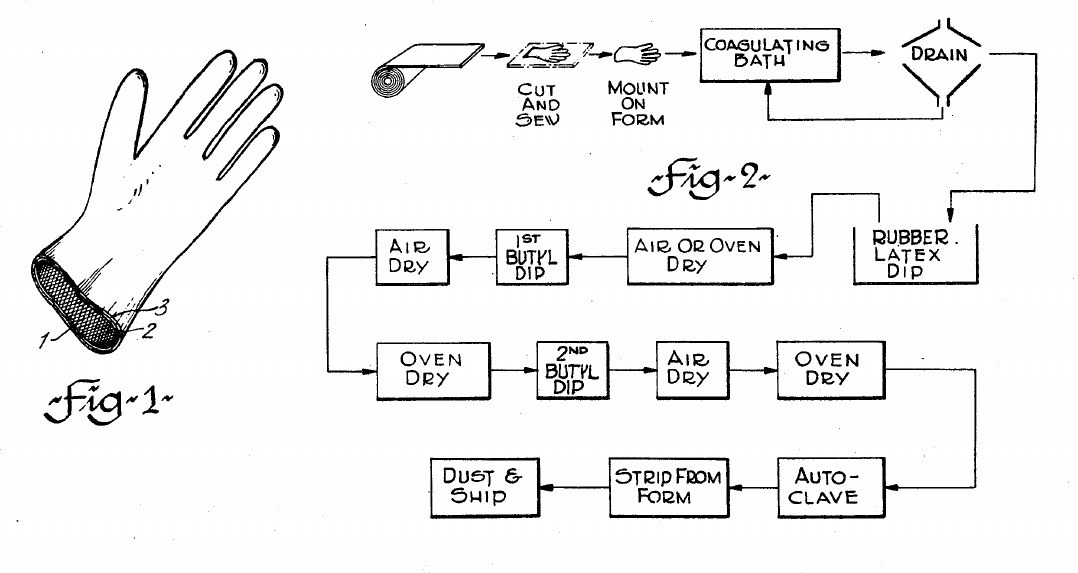


Chemical-Resistant Gloves: Butyl Latex over Natural Rubber on a Cotton Liner (Hart & Collyer, US 4,190,685, 1980)
Dipped rubber gloves built in layers on a knitted cotton liner: one coat of natural rubber, then five coats of butyl rubber, which lets very little liquid or vapour through. Each coat is dipped from latex on a porcelain hand form, and the whole glove is cured under steam and air pressure. Made in Canada to protect soldiers against chemical warfare agents; worn gloves showed no penetration in 24 hours of field use.
Result: flexible, soft chemical-resistant gloves with a comfortable cotton lining.
Source: J. A. Hart and J. C. Collyer, US 4,190,685 (1980), latex method. Unknown: sizes, the pigments. Picture: the patent drawing.
Lanjutan
Unknown
Arahan
1
1
Sew the cotton liner
Sew the cotton liner
Cut knitted or interlock cotton fabric to a glove shape and sew it into a glove. It stretches both ways, soaks up sweat and makes the glove easy to put on and take off. Not given: sizes, the knit.
Bahan untuk langkah ini:
 Kain kait kapas1 liner
Alatan diperlukan:
 Gunting
 Mesin jahit
 Dimensi tidak diketahui
2
2
Dip in coagulant
Dip in coagulant
Pull the liner onto a porcelain hand form and flame it to smooth off the surface. Dip it in a 10 % solution of acetic acid in acetone, then turn the form for about 2½ minutes at 24 °C until it is dry. The coagulant sets the latex before it can soak through the cloth.
Bahan untuk langkah ini:
 Asid asetik (glasier)1 10 % in acetone
 Aseton1 solvent
Alatan diperlukan:
 Acuan sarung tangan
 Obor Propana
3
3
Dip the natural rubber coat
Dip the natural rubber coat
Dip the liner into natural rubber latex (the patent uses LOTOL 1185) and leave it 5 seconds. Draw it out, turn it upside down and let it dry. Scrub the rubber film with an abrasive cleaner, a brush and water, and dry it again.
Bahan untuk langkah ini:
 Lateks getah asli1 bath
 Pencuci pelelas1 as needed
Alatan diperlukan:
Acuan sarung tangan Berus penyental
4
4
Mix the butyl latex bath
Mix the butyl latex bath
Mix, in parts by dry weight: butyl rubber latex 100, sulphur 3, zinc dibutyldithiocarbamate 4, zinc oxide 5, formaldehyde 0.1 as a preservative, a liquid dithiocarbamate curing accelerator 4 (Merac 255 in the patent), and 6.5 of pigments (olive drab in the patent). Not given: the pigments.
Bahan untuk langkah ini:
 Lateks getah butil100 parts dry
 Sulfur3 parts
 Zink dibutilditiokarbamat4 parts
 Serbuk Zink Oksida5 parts
 Larutan formaldehid (formalin 37 %)0.1 parts formaldehyde
 Pemecut ditiokarbamat cecair4 parts
 Bahan tidak diketahui6.5 parts pigment
Alatan diperlukan:
 Pengacau
5
5
Dip five butyl coats
Dip five butyl coats
Dip the glove into the butyl latex and draw it out at 10 cm per minute. At once turn the form at about 8 rpm at 24 °C until the film has gelled, then dry it upside down in an oven at 66 °C for 1 hour. Wash, dip and dry again until there are five butyl coats; do not use the abrasive cleaner on the butyl film.
Alatan diperlukan:
Acuan sarung tangan Ketuhar pengeringan
6
6
Cure and finish
Cure and finish
Dry the glove at 66 °C for 1 hour. Cure it for 3 hours in a pressure vessel with 30 psi steam in the jacket (131 °C) and 26 psi air in the chamber. Strip the gloves from the forms while hot; when cool, trim them and wash them in soapy water.
Bahan untuk langkah ini:
 Sabun1 as needed
Alatan diperlukan:
 Autoklaf mejaGunting
Bahan
13- 1 linerPemegang Tempat
- 1 10 % in acetonePemegang Tempat
- 1 solventPemegang Tempat
- 1 bathPemegang Tempat
- 1 as neededPemegang Tempat
- 100 parts dryPemegang Tempat
- 3 partsPemegang Tempat
- 4 partsPemegang Tempat
- 5 partsPemegang Tempat
- 0.1 parts formaldehydePemegang Tempat
- 4 partsPemegang Tempat
- 6.5 parts pigmentPemegang Tempat
- 1 as neededPemegang Tempat
Alatan Diperlukan
9- Pemegang Tempat
- Pemegang Tempat
- Pemegang Tempat
- Pemegang Tempat
- Pemegang Tempat
- Pemegang Tempat
- Pemegang Tempat
- Pemegang Tempat
- Pemegang Tempat
Bahan Blueprint Bersambung

10% Atribusi
กรีดยางพารา — การเก็บน้ำยางธรรมชาติจากต้นยางพารา
oleh SomchaiSang
Pertanian
55
0
0
0
1
0

Berbahaya
10% Atribusi
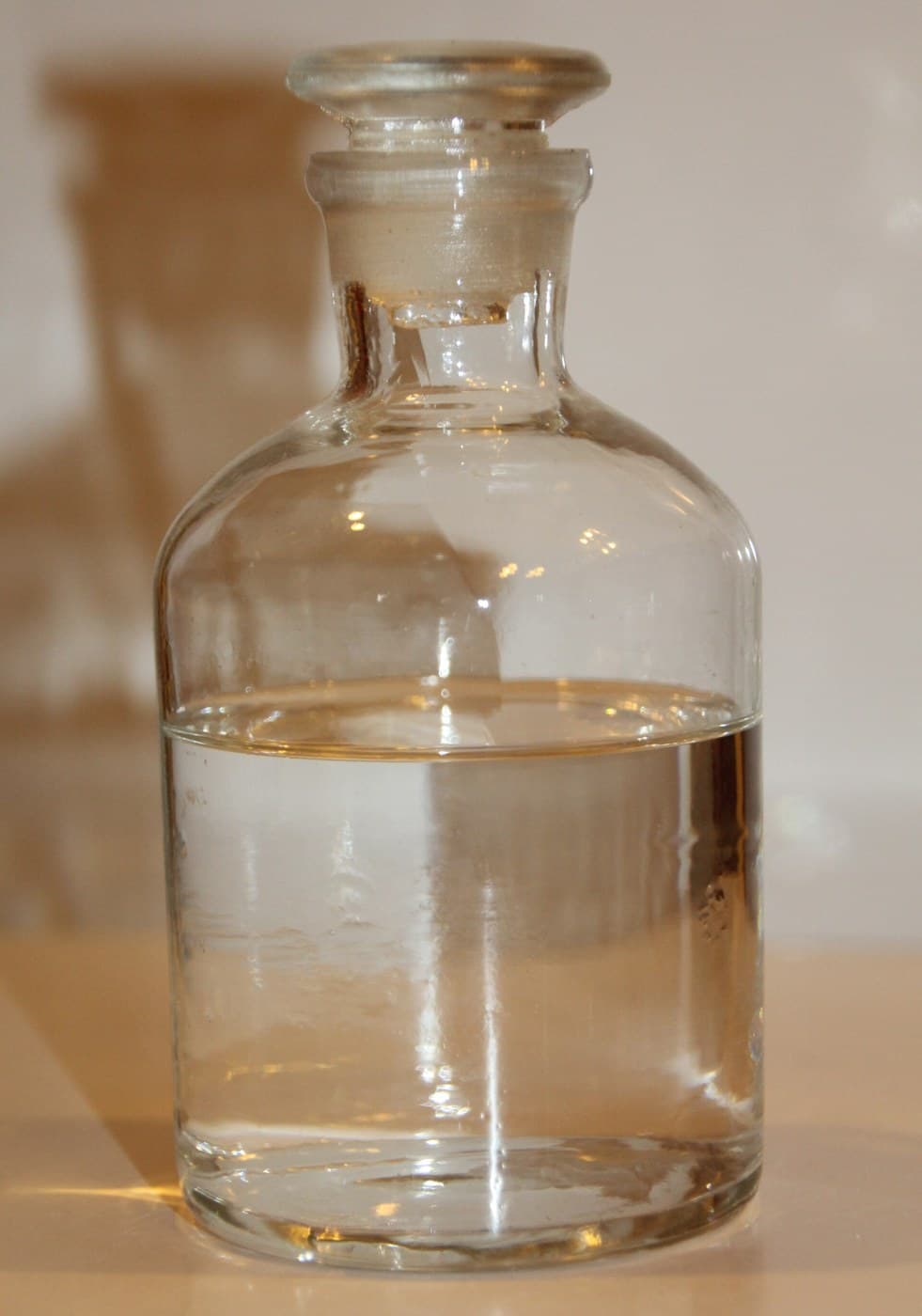
Glacial Acetic Acid from Wood Vinegar: Acetate of Soda, Oil of Vitriol and Freezing
oleh Charlie
Industri
21
0
0
0
1
0
10% Atribusi
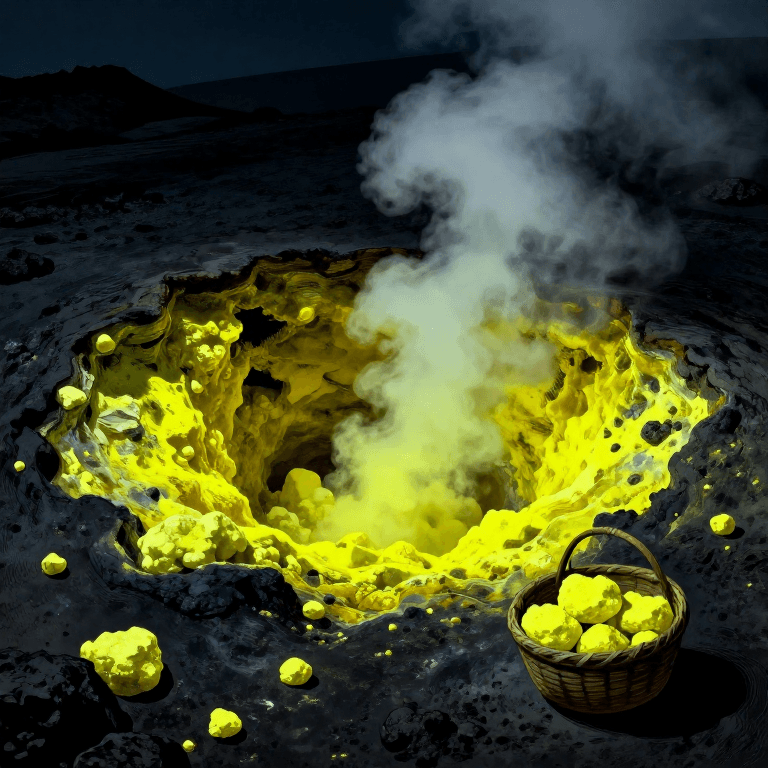
Acetone by Dry Distillation of Acetate of Lime
oleh Charlie
Kimia
35
0
0
0
1
0
10% Atribusi
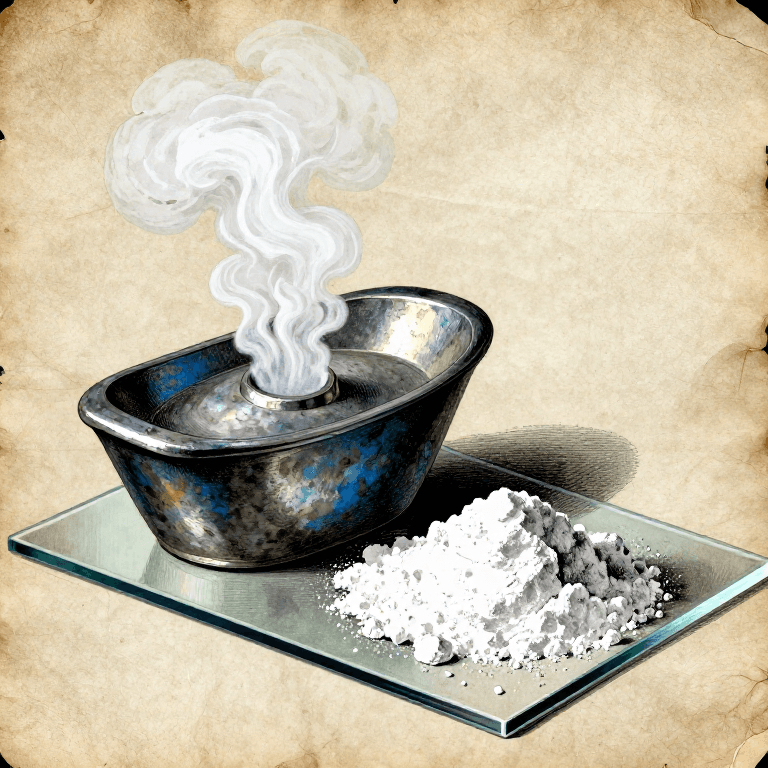
Collecting Native Sulfur from Volcanic Deposits
oleh Peter
Gurun
96
0
0
0
6
0
10% Atribusi
Making Zinc White Pigment — The Non-Toxic Replacement for Lead White
oleh Charlie
SENI
67
0
0
0
7
0
Blueprint ini membuat

CC0 Domain Awam
Blueprint ini dikeluarkan di bawah CC0. Anda bebas menyalin, mengubah, mengedar, dan menggunakan karya ini untuk sebarang tujuan, tanpa meminta kebenaran.
Sokong Pembuat dengan membeli produk melalui Blueprint mereka di mana mereka memperoleh Komisen Pembuat ditetapkan oleh Penjual, atau cipta iterasi baru Blueprint ini dan sertakan ia sebagai sambungan dalam Blueprint anda sendiri untuk berkongsi hasil.