SENI
KECANTIKAN & KESEJAHTERAAN
KRAFTANGAN
BUDAYA & SEJARAH
HIBURAN
ALAM SEKITAR
MAKANAN & MINUMAN
KEJURUTERAAN TERBALIK
SAINS
SUKAN
TEKNOLOGI
BOLEH PAKAI
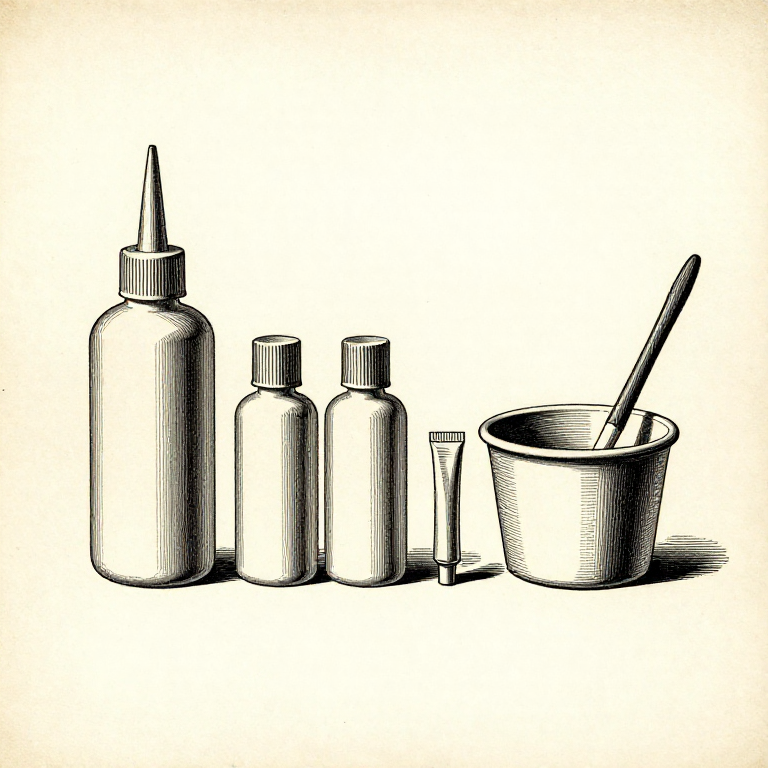


Choosing the Adhesive: Open Time, Gap Fill, and What It Has to Survive
There is no best adhesive. There is a right one for a given pair of materials, a given gap, a given assembly time and a given service condition — and the wrong one will fail however carefully it is applied.
Four questions settle it almost every time: what am I sticking to what, how long do I need to position it, is there a gap, and will it get wet, hot or loaded?
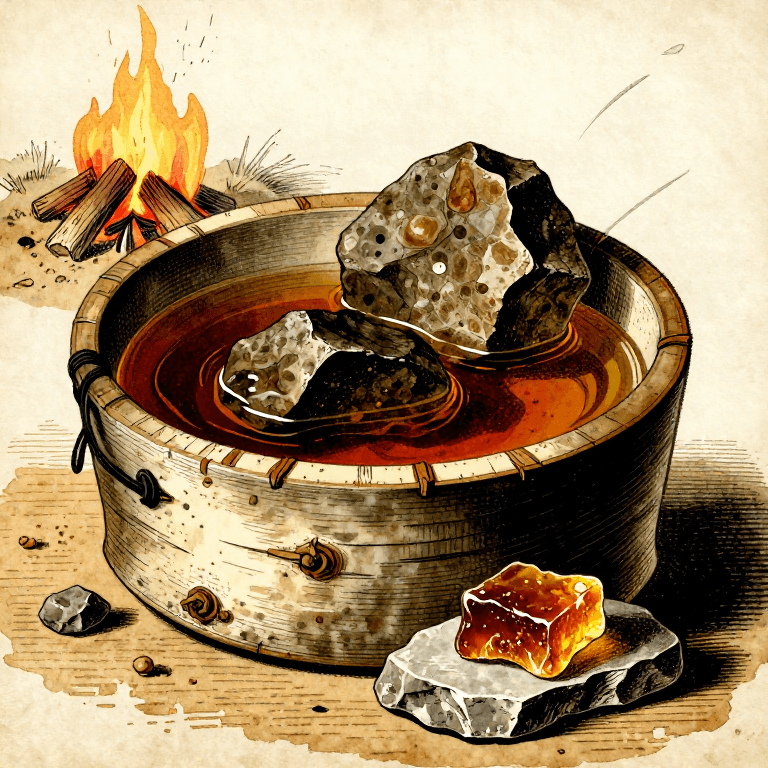
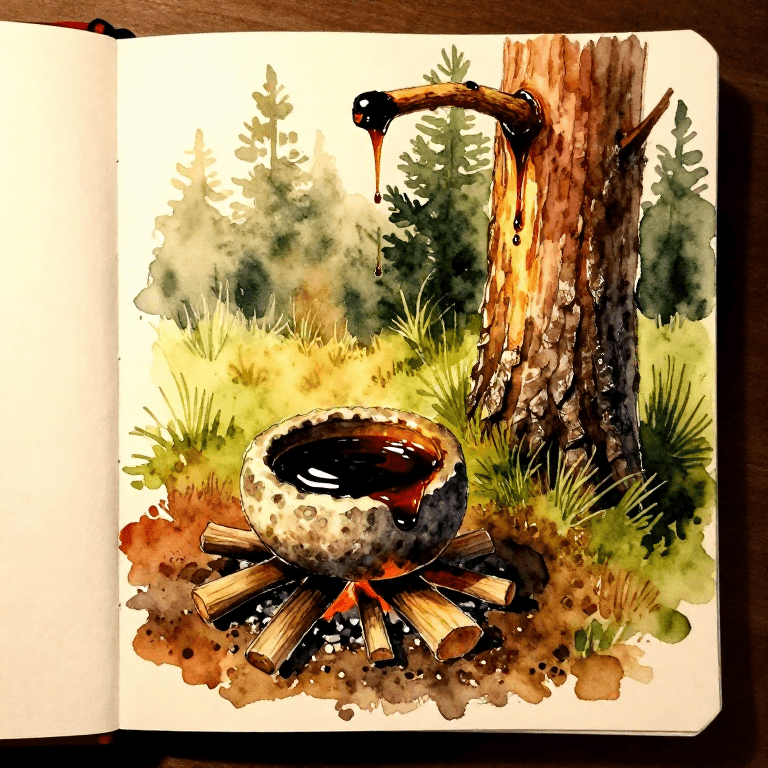
This rung answers those for the adhesives a workshop actually has, including the two traditional ones already published on Youblob — hide glue and pine pitch — which remain the right choice for specific jobs rather than historical curiosities.
Pertengahan
3 hours
Arahan
1
1
The workshop shortlist, and what each is actually for
The workshop shortlist, and what each is actually for
PVA (white or yellow wood glue): the default for wood-to-wood. Strong, cheap, easy, no gap fill, not waterproof unless it says so. EPOXY: two parts, sticks to almost anything, genuinely fills gaps, waterproof, and the only one on this list that will bond metal reliably.
CYANOACRYLATE (super glue): instant, brittle, poor in shear and peel, excellent for tiny parts and for tacking something while a stronger adhesive cures. POLYURETHANE: expands as it cures, waterproof, fills gaps — but the foam it creates has little strength, so the expansion is not filling anything usefully.
HIDE GLUE: reversible with heat and moisture, which is why instruments and antiques use it — a joint that can be taken apart in fifty years without destroying the piece. HOT MELT: fast, weak, temperature-sensitive; a jig and mock-up adhesive, not a structural one.
Bahan untuk langkah ini:
 Gam Kayu PVA1 keping
 Epoksi dua komponen1 keping
 Gam kulit haiwan1 keping
Alatan diperlukan:
 Berus gam
 Cermin Mata Keselamatan Jernih
 Gam segera (sianoakrilat)
 Gam poliuretana
2
2
Open time is the one that ruins glue-ups
Open time is the one that ruins glue-ups
Memuatkan buku nota Jupyter…
Alatan diperlukan:
 Kalkulator
3
3
Gap fill: which ones genuinely do it
Gap fill: which ones genuinely do it
EPOXY fills gaps properly. It cures by chemical reaction rather than by losing water or solvent, so the bulk material in the gap is as strong as the film — which is why it is the right answer for a joint that cannot be made to fit.
PVA and hide glue do not. They cure by losing water, so a thick line shrinks, cracks internally and ends up weaker than no gap at all. Adding sawdust to PVA makes a filler, not a structural joint.
POLYURETHANE is the one people get wrong. It expands and the foam fills the space, but the foam is weak. It looks as if the gap is bridged and structurally it is not — and the expansion will also push a loosely clamped joint apart while it cures.
Bahan untuk langkah ini:
Epoksi dua komponen1 kepingGam Kayu PVA1 kepingAlatan diperlukan:
Berus gam Pengapit C
 Kanta Pembesar Tukang EmasGam poliuretana
4
4
Water, heat and load: what the joint has to survive
Water, heat and load: what the joint has to survive
Ordinary PVA softens when wet. For anything outdoors or in a kitchen, use a water-resistant grade (D3) or waterproof (D4), or epoxy. The label matters here — 'wood glue' covers all three grades.
Heat is the limit people forget. Hot melt lets go at the temperature it was applied at, PVA creeps above about 50 C, and hide glue releases with steam by design. A joint in a car, a loft or beside a stove needs epoxy or a mechanical fastening.
Sustained load is the subtlest. Most adhesives CREEP — they deform slowly under constant stress — and a shelf glued with PVA will sag over years in a way it would not with epoxy or a proper joint. Where the load is permanent, let the joinery carry it and the glue merely hold it together.
Bahan untuk langkah ini:
Gam Kayu PVA1 kepingEpoksi dua komponen1 kepingGam kulit haiwan1 kepingAlatan diperlukan:
Cermin Mata Keselamatan JernihBahan
3- 3 kepingPemegang Tempat
- 3 kepingPemegang Tempat
- 1 kepingPemegang Tempat
Alatan Diperlukan
7- Pemegang Tempat
- Pemegang Tempat
- Pemegang Tempat
- Gam poliuretana10% komisenPemegang Tempat
- Pemegang Tempat
- Pemegang Tempat
- Pemegang Tempat
Blueprint berkaitan
Blueprint ini berkongsi pengetahuan — teknik, bahan atau prinsip



CC0 Domain Awam
Blueprint ini dikeluarkan di bawah CC0. Anda bebas menyalin, mengubah, mengedar, dan menggunakan karya ini untuk sebarang tujuan, tanpa meminta kebenaran.
Sokong Pembuat dengan membeli produk melalui Blueprint mereka di mana mereka memperoleh Komisen Pembuat ditetapkan oleh Penjual, atau cipta iterasi baru Blueprint ini dan sertakan ia sebagai sambungan dalam Blueprint anda sendiri untuk berkongsi hasil.