SENI
KECANTIKAN & KESEJAHTERAAN
KRAFTANGAN
BUDAYA & SEJARAH
HIBURAN
ALAM SEKITAR
MAKANAN & MINUMAN
KEJURUTERAAN TERBALIK
SAINS
SUKAN
TEKNOLOGI
BOLEH PAKAI
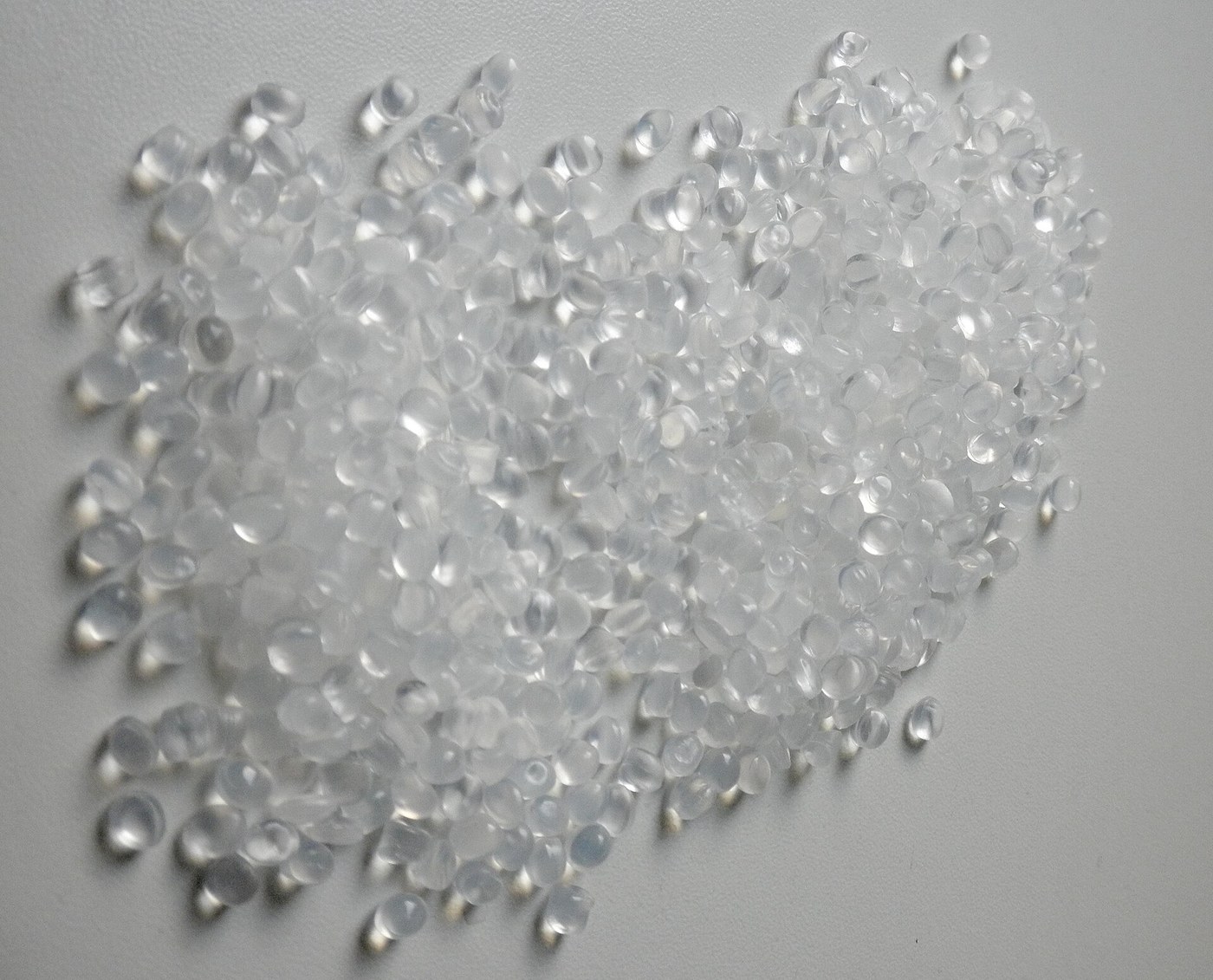


High-Pressure Polyethylene
In March 1933 Eric Fawcett and Reginald Gibson at ICI squeezed ethylene gas with benzaldehyde to about 1400 atmospheres and found a white waxy solid in the vessel. It could not be repeated reliably until 1935, when Michael Perrin's team traced the trick to a trace of oxygen that started the chains. The product was polyethylene - light, tough, a superb electrical insulator, and soon the cable insulation of wartime radar.
**US 2,153,553**, "Polymerization of olefins", Fawcett, Gibson and Perrin, assigned to Imperial Chemical Industries, granted 11. April 1939, claims "subjecting ethylene to a pressure above about 500 atmospheres and a temperature above about 100 C"; its example runs at 2000 atmospheres and 170 °C.
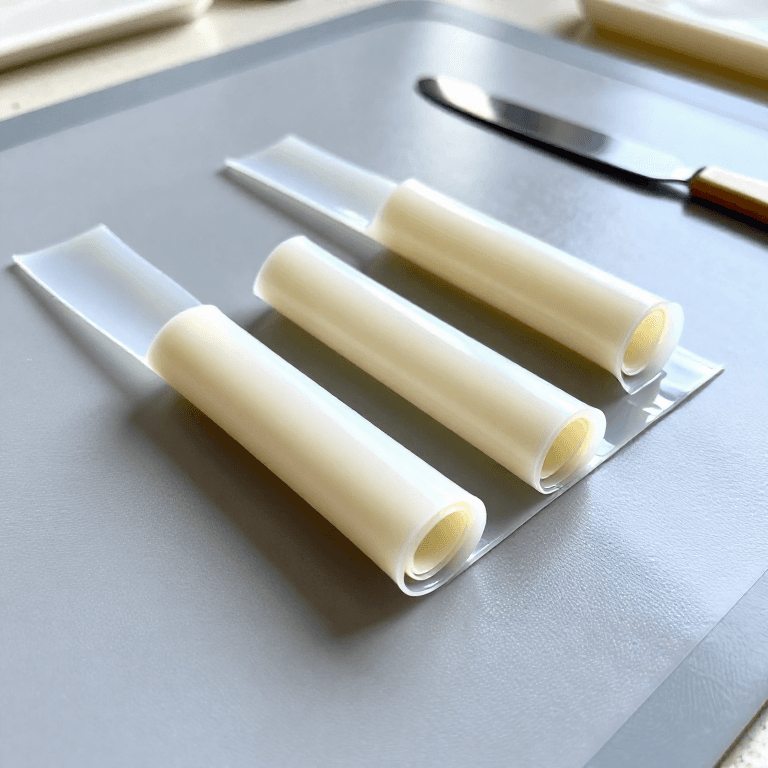
**Nobody reproduces 2000 atmospheres at home.** You work the polymer instead: fuse polyethylene bags into a tough sheet with an iron, then measure its density to tell high-pressure (branched, low-density) polyethylene from its later straight-chain sibling.
Pemula
90 minutes
Arahan
1
1
Sort the bags
Sort the bags
Collect clean, dry carrier or produce bags marked LDPE (recycling code 4). Cut off handles and seams; open each into a flat sheet.
Bahan untuk langkah ini:
 Beg plastik8 keping
Alatan diperlukan:
 Gunting
2
2
Stack between parchment
Stack between parchment
Stack 6 layers of bag film, printed side inward, between two sheets of baking parchment. The film must never touch the iron.
Alatan diperlukan:
 Kertas pembakar
3
3
Fuse with the iron
Fuse with the iron
Iron on a low-medium setting, no steam, moving constantly for 15 seconds. Ventilate. Too hot and it shrivels and smokes - lower the setting.
Alatan diperlukan:
 Seterika wap
 Topeng respirator N95
4
4
Flip, repeat, cool
Flip, repeat, cool
Flip and iron the other side. Peel the parchment once cool. Re-iron any bubbled patches. The layers are now one welded sheet.
Alatan diperlukan:
Seterika wap5
5
Pull-test both
Pull-test both
Cut 20 mm strips from the fused sheet and from a single bag layer. Clamp each in the vise and pull with the spring scale. Record the peak force.
Alatan diperlukan:
 Meter Daya (Neraca Spring)
 Ragum BangkuGunting
6
6
Float test
Float test
Pour 50 ml isopropyl alcohol into a beaker. Drop in a small chip of the sheet - it sinks. Add water 10 ml at a time, stirring, then 1 ml at a time once the chip starts to lift, until it hangs mid-liquid. Note the total water added.
Alatan diperlukan:
 Bikar Kaca
 Silinder penyukat
 Set pipet dan penitis
 Rod Pengacau
 Alkohol Isopropil 99 %
7
7
Pressure, density, siblings
Pressure, density, siblings
Memuatkan buku nota Jupyter…
8
8
History & Context
History & Context
**What the patent specifies:** ethylene above about 500 atm and 100 °C (preferred 1000+ atm, 150–250 °C). **Modern build (derived):** post-consumer LDPE film, fused well below its decomposition temperature.
Low-pressure routes in the 1950s gave straight-chain, denser HDPE; both are still made in huge volumes because the branches that make LDPE weaker also make it softer and clearer. Limits: it creeps under load, softens around 100 °C, and burns.
Bahan
1- 8 kepingPemegang Tempat
Alatan Diperlukan
11- Pemegang Tempat
- Pemegang Tempat
- Pemegang Tempat
- Pemegang Tempat
- Pemegang Tempat
- Pemegang Tempat
- Pemegang Tempat
- Pemegang Tempat
- Pemegang Tempat
- Pemegang Tempat
- Pemegang Tempat
Blueprint berkaitan
Blueprint ini berkongsi pengetahuan — teknik, bahan atau prinsip

CC0 Domain Awam
Blueprint ini dikeluarkan di bawah CC0. Anda bebas menyalin, mengubah, mengedar, dan menggunakan karya ini untuk sebarang tujuan, tanpa meminta kebenaran.
Sokong Pembuat dengan membeli produk melalui Blueprint mereka di mana mereka memperoleh Komisen Pembuat ditetapkan oleh Penjual, atau cipta iterasi baru Blueprint ini dan sertakan ia sebagai sambungan dalam Blueprint anda sendiri untuk berkongsi hasil.