
लोक्ता बोक्रा सङ्कलन — नेपाली हस्तनिर्मित कागज बनाउने बिरुवा
नेपालको हिमालय क्षेत्रमा पाइने लोक्ता (Daphne bholua / D. papyracea) झाडीको बोक्रा सङ्कलन गरी विश्वप्रसिद्ध नेपाली हस्तनिर्मित कागज बनाउने सम्पूर्ण मार्गदर्शन। लोक्ता बिरुवा समुद्र सतहदेखि 1600-4000 मिटर उचाइमा पाइन्छ र यसको भित्री बोक्रा (bast fiber) बाट बनेको कागज 1000 वर्षभन्दा पुरानो इतिहास बोक्छ।
यो मार्गदर्शनले लोक्ता बिरुवाको पहिचान, दिगो सङ्कलन विधि (जरा नउखेल्ने, जमिनदेखि 20-30 सेमी माथि काट्ने — बिरुवा 4-6 वर्षमा पुनर्जीवित हुन्छ), बोक्रा छुट्याउने, सुकाउने, 24-48 घण्टा पानीमा भिजाउने, खरानीको पानीमा 4-6 घण्टा उमाल्ने, काठको मुंग्रोले कुट्ने, साँग्लोमा फिजाउने, घाममा सुकाउने, र गुणस्तर जाँच्ने सबै चरणहरू समेट्छ। लोक्ता कागज प्राकृतिक रूपमा कीरा-प्रतिरोधी छ र यसलाई धार्मिक ग्रन्थ, सरकारी प्रमाणपत्र, र कला कागजको रूपमा प्रयोग गरिन्छ।
Arahan
लोक्ता बिरुवाको परिचय
लोक्ता बिरुवाको परिचय
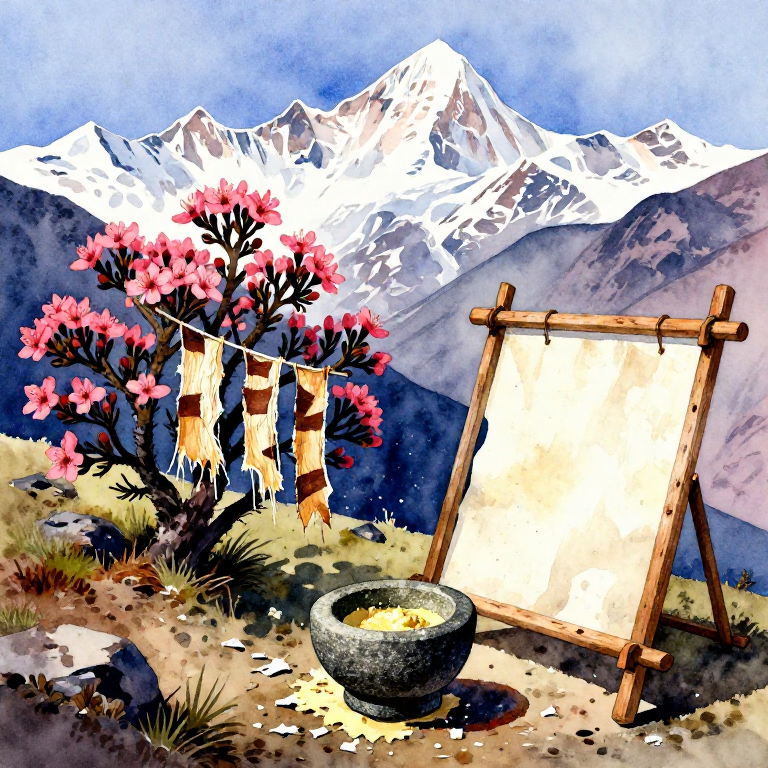
लोक्ता (Daphne bholua र Daphne papyracea) नेपालको हिमालय क्षेत्रमा 1600-4000 मिटर उचाइमा पाइने झाडी हो। यो बिरुवा 1-4 मिटर अग्लो हुन्छ र यसको भित्री बोक्रा (bast fiber) बाट विश्वप्रसिद्ध नेपाली हस्तनिर्मित कागज बनाइन्छ। नेपाली लोक्ता कागजको इतिहास 1000 वर्षभन्दा पुरानो छ — यसलाई धार्मिक ग्रन्थ, सरकारी कागजातहरू, र कलात्मक कागजको रूपमा प्रयोग गरिन्छ। Daphne bholua लाई नेपालीमा "लोक्ता" भनिन्छ भने D. papyracea लाई पनि "लोक्ता" नै भनिन्छ — दुवै प्रजातिबाट कागज बनाइन्छ।
सङ्कलनयोग्य बिरुवा पहिचान गर्ने
सङ्कलनयोग्य बिरुवा पहिचान गर्ने
कागज बनाउनको लागि 1-2 सेन्टिमिटर व्यास भएका डाँठहरू सबैभन्दा उपयुक्त हुन्छन्। बिरुवा कम्तिमा 4-5 वर्ष पुरानो हुनुपर्छ। बोक्रा सजिलै छुट्टिने खालको — रेसादार, बलियो, लचिलो — हुनुपर्छ। बिरुवा स्वस्थ हुनुपर्छ: हरियो पात, बलियो डाँठ, कुनै रोग वा कीराको चिन्ह नहुने। एउटै ठाउँबाट सबै बिरुवा नकाट्ने — वातावरणीय सन्तुलन कायम राख्न केही बिरुवा छोड्ने।
सङ्कलनको उचित समय
सङ्कलनको उचित समय
लोक्ता बोक्रा सङ्कलनको सबैभन्दा राम्रो समय पछिल्लो शरद् ऋतु (अक्टोबर-नोभेम्बर) देखि वसन्त ऋतुको सुरु (फेब्रुअरी-मार्च) सम्म हो — अर्थात् नयाँ हाँगा फुट्नुभन्दा पहिले। यस समयमा बिरुवाको रस कम बग्छ र बोक्रा सजिलै छुट्टिन्छ। वर्षा ऋतुमा (जुन-सेप्टेम्बर) सङ्कलन गर्नु उचित हुँदैन — बोक्रा भिजेको हुन्छ, ढुवानी गाह्रो हुन्छ, र सुकाउन पनि कठिन हुन्छ। सुक्खा दिनमा सङ्कलन गर्नु उत्तम।
दिगो काट्ने विधि
दिगो काट्ने विधि
डाँठलाई जमिनदेखि 20-30 सेन्टिमिटर माथिबाट काट्ने — कहिल्यै जरासमेत नउखेल्ने। सफा, तीखो हँसियाले एकै काटमा काट्ने — चिर्ने वा बारम्बार काट्नुले बिरुवालाई हानि पुर्याउँछ। यसरी काट्दा बिरुवाको जरा र तल्लो भाग बाँचिरहन्छ र 4-6 वर्षमा नयाँ हाँगा फुटेर बिरुवा पुनर्जीवित हुन्छ। यो दिगो सङ्कलन विधि नेपालमा पुस्तौंदेखि चलिआएको छ।
Alatan diperlukan:
 Sabit - hansiya
 Gunting pemangkas
बोक्रा छुट्याउने
बोक्रा छुट्याउने
काटेका डाँठबाट तुरुन्तै बोक्रा छुट्याउनु राम्रो — ताजा डाँठबाट बोक्रा सजिलै छुट्टिन्छ। डाँठको एक छेउमा चक्कुले बोक्रामा लामो चिरो लगाउने, त्यसपछि बोक्रालाई बिस्तारै खिच्दै छुट्याउने। बोक्रा दुई तहको हुन्छ: बाहिरी बोक्रा (कडा, खैरो) र भित्री बोक्रा (सेतो-क्रिम रंगको, रेसादार — यही कागजको मुख्य कच्चा पदार्थ)। बाहिरी बोक्रालाई छुट्याएर फाल्ने, भित्री बोक्रा मात्र राख्ने।
Alatan diperlukan:
 Pisau utiliti
कच्चा बोक्रा सुकाउने
कच्चा बोक्रा सुकाउने
छुट्याएको भित्री बोक्रालाई छायाँमा वा मध्यम घाममा सुकाउने। बोक्रालाई खुला हावा लाग्ने ठाउँमा पसारेर राख्ने — थुपार्नु हुँदैन, नत्र ढुसी लाग्छ। 2-4 दिनमा बोक्रा राम्ररी सुक्छ। सुकेको बोक्रा हल्का, कडा, र हरियो-खैरो रंगको हुन्छ। राम्ररी सुकेको बोक्रा महिनौंसम्म भण्डारण गर्न सकिन्छ — चिस्यान नलाग्ने सुक्खा ठाउँमा राख्ने। सुकाउनु नपर्ने भए तुरुन्तै अर्को चरणमा जान सकिन्छ।
Alatan diperlukan:
 Rak pengering pinggan
पानीमा भिजाउने
पानीमा भिजाउने
सुकेको (वा ताजा) भित्री बोक्रालाई सफा पानीमा 24-48 घण्टा भिजाउने। यसले बोक्राका रेसाहरूलाई नरम बनाउँछ र अर्को चरणमा उमाल्न सजिलो हुन्छ। ठूलो भाँडोमा पर्याप्त पानी राख्ने जसले बोक्रालाई पूर्ण रूपमा डुबाओस्। 24 घण्टापछि पानी फेर्ने — पहिलो पानीमा धूलो र अन्य मैला निस्कन्छ। भिजेको बोक्रा नरम, लचिलो, र सजिलै हात्ले फुटाउन सकिने अवस्थामा हुनुपर्छ।
Bahan untuk langkah ini:
 Air Suling50 liter
Alatan diperlukan:
 Bekas rendaman besar
खरानीको पानी तयार गर्ने
खरानीको पानी तयार गर्ने
काठको खरानी (wood ash) लाई पानीमा मिसाएर क्षारीय (alkaline) घोल तयार गर्ने। लगभग 1 भाग खरानी र 5-8 भाग पानीको अनुपातमा मिसाउने। खरानीको पानी प्राकृतिक क्षार (lye) हो जसले बोक्राका रेसाहरूलाई नरम बनाउँछ र बिरुवाको लिग्निन (lignin) तथा अन्य गैर-रेसा पदार्थहरू हटाउँछ। खरानीलाई पहिले पानीमा राम्ररी मिसाएर, थिति बस्न दिने, माथिल्लो स्वच्छ पानी मात्र प्रयोग गर्ने। साबुन जत्तिकै क्षारीय (pH 10-12) हुनुपर्छ।
Bahan untuk langkah ini:
 Abu Kayu Keras2 kg
 Air15 liter
Alatan diperlukan:
 Baldi pengadun besar
खरानीको पानीमा उमाल्ने
खरानीको पानीमा उमाल्ने
भिजेको बोक्रालाई खरानीको पानीमा 4-6 घण्टा उमाल्ने। ठूलो भाँडो वा ड्रममा बोक्रा राखी खरानीको पानीले पूर्ण डुबाउने। मध्यम आँचमा उमाल्ने — तीव्र उमालले रेसालाई हानि पुर्याउन सक्छ। बीचबीचमा हलाइरहने। उमालिसकेपछि बोक्रा अत्यन्तै नरम, लसिलो, र हातले सजिलै टुक्र्याउन सकिने अवस्थामा हुन्छ। उमालेको पानी खैरो-कालो हुन्छ — यसमा लिग्निन र अन्य रसायन निस्कन्छन्। बोक्रालाई सफा पानीले 2-3 पटक राम्ररी धोएर खरानीको अंश हटाउने।
Bahan untuk langkah ini:
 Kayu Api5 kg
Alatan diperlukan:
 Dram pendidih besar
 Kayu pengacau panjang
कुट्ने — लुगदी (pulp) बनाउने
कुट्ने — लुगदी (pulp) बनाउने
उमालेर नरम भएको बोक्रालाई सिलौटो (ढुङ्गाको सतह) मा राखी काठको मुंग्रोले कुट्ने। बारम्बार कुट्दै जाँदा बोक्राको रेसा टुक्रिँदै जान्छ र लुगदी (pulp) बन्दछ। कुट्ने क्रममा बीचबीचमा थोरै पानी छर्कने — यसले रेसालाई समान रूपमा फैलाउन मद्दत गर्छ। लुगदी एकसमान, महीन, दही जस्तो बनस्म्म कुट्ने। ठूला गाँठा वा अधकुटेका टुक्रा नहुनुपर्छ — यसले कागजमा असमान भाग बनाउँछ। एक किलो सुक्खा बोक्राबाट लगभग 40-60 पाना कागज बन्न सक्छ।
Alatan diperlukan:
 Tukul Kayu
 Papak Batu Rata
साँग्लोमा फिजाउने — कागज बनाउने
साँग्लोमा फिजाउने — कागज बनाउने
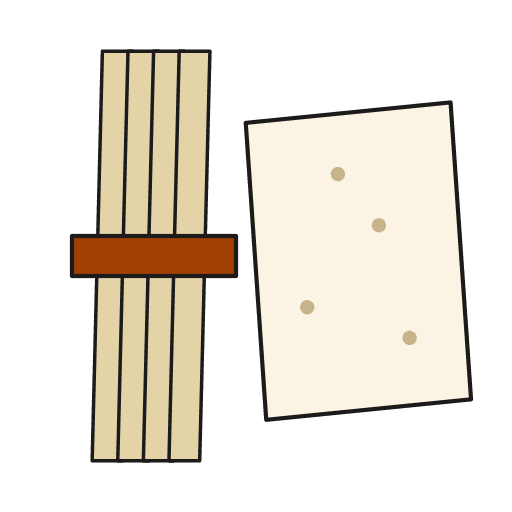
तयार भएको लुगदीलाई साँग्लो (sanglo — काठको फ्रेम जसमा कपडा तानिएको हुन्छ) मा समान रूपमा फिजाउने। साँग्लोलाई बगिरहेको खोला वा पानीको भाँडोमा राखिन्छ। लुगदीलाई पानीमा मिसाएर पातलो घोल बनाउने, त्यसपछि साँग्लोमा हातले समान रूपमा फैलाउने। कागजको मोटाइ लुगदीको मात्राले निर्धारण गर्छ — सामान्यतया 0.1-0.3 मिलिमिटर मोटो। फिजाउँदा गाँठा वा हावाको बुँदा नहुनुपर्छ। एक साँग्लोमा एक पाना कागज बन्छ।
Bahan untuk langkah ini:
 Air bersih (untuk membilas)20 liter
Alatan diperlukan:
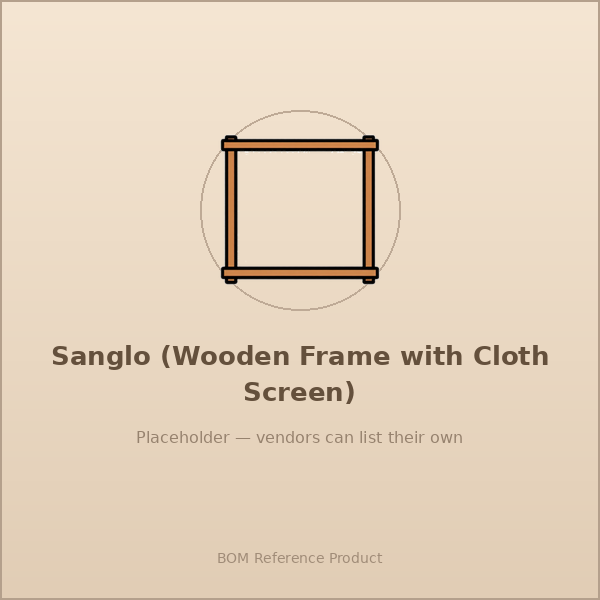 Sanglo (bingkai kayu bertapis kain)
घाममा सुकाउने
घाममा सुकाउने
लुगदी फिजाएको साँग्लोलाई घाममा राखी सुकाउने। साँग्लोलाई सिधा (तेर्सो) राख्ने, हल्का ओरालो दिन सकिन्छ जसले पानी निस्कोस्। प्रत्यक्ष घाममा 4-8 घण्टामा कागज सुक्छ (मौसम अनुसार)। बादल लागेको दिनमा बढी समय लाग्छ। कागज पूर्ण रूपमा सुक्नुपर्छ — आंशिक सुकेको कागजमा ढुसी लाग्छ। सुकेपछि कागज साँग्लोबाट बिस्तारै छुट्याउने — जोडले तान्नुले च्यात्न सक्छ।
Alatan diperlukan:
Sanglo (bingkai kayu bertapis kain)गुणस्तर जाँच
गुणस्तर जाँच
सुकेको कागजको गुणस्तर जाँच्ने: समान मोटाइ (उज्यालोमा हेर्दा पातलो-बाक्लो ठाउँ नहुने), बलियोपन (हल्का तानेर हेर्ने — राम्रो कागज सजिलै च्यात्दैन), सतहको चिल्लोपन, र रंग (प्राकृतिक क्रिम-सेतो)। लोक्ता कागज प्राकृतिक रूपमा कीरा-प्रतिरोधी छ — Daphne बिरुवामा भएका प्राकृतिक रसायनहरूले कीरालाई भगाउँछन्। यही गुणले गर्दा लोक्ता कागजमा लेखिएका धार्मिक ग्रन्थ सयौं वर्ष टिकेका छन्। छिद्र, दाग, वा असमान ठाउँ भएका कागजलाई निम्न गुणस्तरको मानिन्छ।
भण्डारण र प्रयोग
भण्डारण र प्रयोग
तयार भएको लोक्ता कागजलाई समतल सतहमा थुपारेर सुक्खा, चिस्यान नलाग्ने ठाउँमा भण्डारण गर्ने। प्रत्यक्ष घाम नपर्ने ठाउँमा राख्ने — लामो समय घाम लाग्दा कागज पहेंलो हुन सक्छ। कागजबीच सफा कागज वा कपडा राख्न सकिन्छ। लोक्ता कागजको प्रयोगहरू: सरकारी प्रमाणपत्र, धार्मिक ग्रन्थ, कलात्मक प्रिन्ट, लिफाफा, उपहार र्यापिङ, ल्याम्पशेड, र पुस्तक बाइन्डिङ। नेपालको हस्तनिर्मित लोक्ता कागज अन्तर्राष्ट्रिय बजारमा उच्च मूल्यमा बिक्री हुन्छ — विशेष गरी जापान, युरोप, र अमेरिकामा।
Alatan diperlukan:
 Para simpanan rata
Bahan
5- 50 literPemegang Tempat
- 2 kgPemegang Tempat
- 15 literPemegang Tempat
- 5 kgPemegang Tempat
- 20 literPemegang Tempat
Alatan Diperlukan
12- Pemegang Tempat
- Pemegang Tempat
- Pemegang Tempat
- Pemegang Tempat
- Pemegang Tempat
- Pemegang Tempat
- Pemegang Tempat
- Pemegang Tempat
- Pemegang Tempat
- Pemegang Tempat
- Pemegang Tempat
- Pemegang Tempat
Blueprint ini membuat
CC0 Domain Awam
Blueprint ini dikeluarkan di bawah CC0. Anda bebas menyalin, mengubah, mengedar, dan menggunakan karya ini untuk sebarang tujuan, tanpa meminta kebenaran.
Sokong Pembuat dengan membeli produk melalui Blueprint mereka di mana mereka memperoleh Komisen Pembuat ditetapkan oleh Penjual, atau cipta iterasi baru Blueprint ini dan sertakan ia sebagai sambungan dalam Blueprint anda sendiri untuk berkongsi hasil.