

SENI
KECANTIKAN & KESEJAHTERAAN
KRAFTANGAN
BUDAYA & SEJARAH
HIBURAN
ALAM SEKITAR
MAKANAN & MINUMAN
MASA DEPAN HIJAU
KEJURUTERAAN TERBALIK
SAINS
SUKAN
TEKNOLOGI
WEARABLES
Building a Macadam Road — Cheap, Dry Highways from Small Broken Stone
Arwen

Dicipta oleh

Arwen

25. Jun 2026US
0
0
0
0
0

Building a Macadam Road — Cheap, Dry Highways from Small Broken Stone

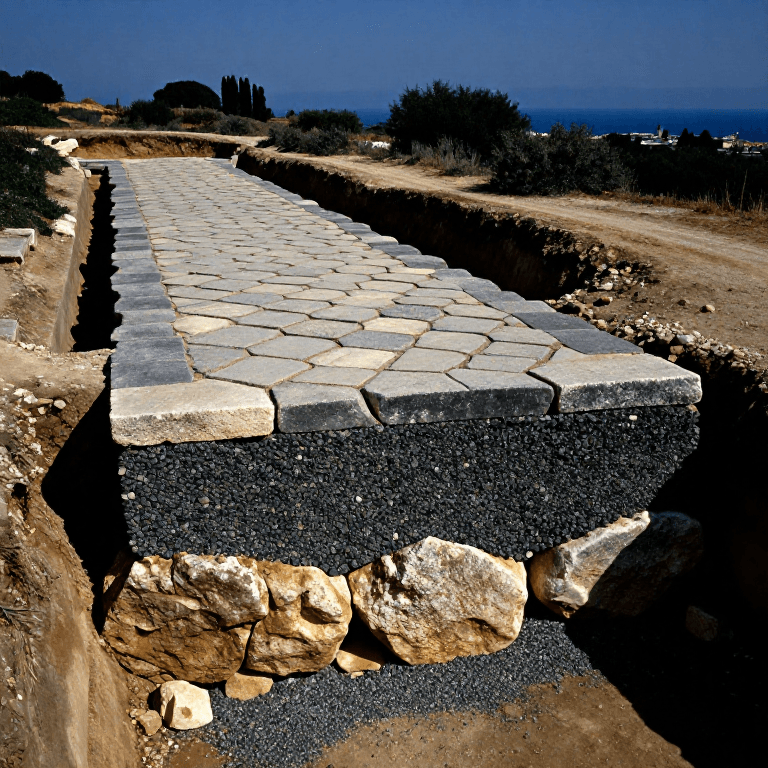
The Romans built superb roads by piling up massive stone foundations, but their method was slow and ruinously expensive. In the 1820s the Scottish surveyor John McAdam threw the foundation away. He realised that a road does not need a heavy base if the soil beneath it is kept dry — and that a surface of small, angular broken stones will lock together under traffic into a hard, smooth crust.

His rules were simple and strict: break every stone small and to a uniform size, raise the road in the middle so water runs off, and keep the subsoil drained. Done right, the stones knit together, the rain sheds away, and the dry ground carries the load. Macadam roads were a fraction of the cost of the old highways and could be built almost anywhere, and they spread across the world.

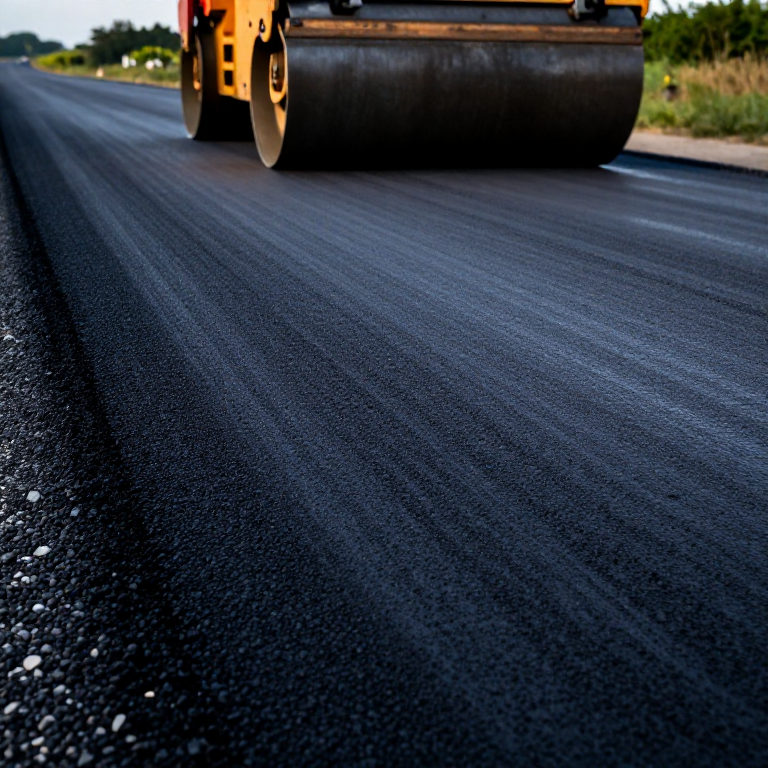
The method still underlies modern roads. When stone dust alone no longer stood up to fast rubber tyres and their dust, engineers bound the broken stone with tar — tarmacadam, soon shortened to tarmac — and from there to the asphalt that paves the planet. It all begins with small stones and good drainage.

Pertengahan
Days of work for a road section

Arahan

1

Understand the McAdam idea

A macadam road carries its load on dry subsoil, not on a massive foundation. Small, angular broken stones laid on a well-drained, cambered bed lock together under traffic into a tight, water-shedding surface. Drainage and small uniform stone are everything.
2

Set out and drain the bed

Grade the roadbed and shape it with a slight crown, higher in the middle than the edges. Cut ditches along both sides to carry water away. A dry subsoil is strong; a wet one turns to mud under load, so begin with drainage.

Alatan diperlukan:

ShovelShovel
3

Break the stone small

Break hard stone into small angular pieces, none larger than about an inch across. The small size lets the pieces interlock and consolidate; large stones stay loose and make a rough, weak road. This stone-breaking is the heart of the method.

Bahan untuk langkah ini:

Crushed StoneCrushed Stone500 kg

Alatan diperlukan:

Stone HammerStone Hammer
4

Gauge the stone size

Check the broken stone against a ring or gauge so no oversized pieces get through — McAdam famously had his stones checked by weight and by whether they fit in a man's mouth. Consistent small size is what makes the surface knit tight.

Alatan diperlukan:

Sizing RingSizing Ring
5

Lay the first layer

Spread an even layer of the broken stone over the cambered bed, a few centimetres thick. Rake it level, keeping the crown so the finished surface will shed water to the ditches.

Alatan diperlukan:

RakeRake
6

Compact the layer

Consolidate the stone with a heavy roller, or let cart traffic do the work over time. The angular faces grind and lock against one another into a dense mass. Compaction turns a loose layer of chippings into structural road.

Alatan diperlukan:

Road RollerRoad Roller
7

Build up in thin layers

Add further thin layers of broken stone, compacting each before the next, until the total depth reaches about twenty-five centimetres. Building in thin lifts ensures the whole thickness is compacted, not just the top.

Bahan untuk langkah ini:

Crushed StoneCrushed Stone500 kg
8

Hold the camber

Keep the cross-section crowned as you build so the finished road sheds rain quickly to the side ditches. Water is the enemy: any that soaks in and reaches the subsoil will undermine the road from beneath.
9

Bind with stone dust

Spread fine stone screenings and dust over the surface and water it in. Traffic and rain work the dust down into the voids between the stones, cementing them into a tight, smooth crust that sheds water rather than soaking it up.

Bahan untuk langkah ini:

Stone DustStone Dust80 kg
10

Open to traffic

Let traffic run on the new surface. The continual pressure of wheels keeps consolidating the stone and dust into an ever harder, smoother road. A well-built macadam surface becomes firmer with use rather than breaking up.
11

Maintain with small stone

Maintain the road by raking fresh small stone into any ruts or hollows and keeping the side ditches clear. The genius of the system is that it is repaired by topping up with cheap broken stone, never by tearing out a foundation.
12

Toward tarmacadam

Stone dust binding worked for hooves and iron tyres but blew away as choking dust under fast rubber wheels. Binding the broken stone with tar instead gave a dustless, waterproof surface — tarmacadam, shortened to tarmac — the direct ancestor of today's asphalt roads.

Bahan

2

Alatan Diperlukan

5

Blueprint berkaitan

Blueprint ini berkongsi pengetahuan — teknik, bahan atau prinsip
CC0 Domain Awam

Blueprint ini dikeluarkan di bawah CC0. Anda bebas menyalin, mengubah, mengedar, dan menggunakan karya ini untuk sebarang tujuan, tanpa meminta kebenaran.

Sokong Pembuat dengan membeli produk melalui Blueprint mereka di mana mereka memperoleh Komisen Pembuat ditetapkan oleh Penjual, atau cipta iterasi baru Blueprint ini dan sertakan ia sebagai sambungan dalam Blueprint anda sendiri untuk berkongsi hasil.

Perbincangan

(0)

Log masuk untuk menyertai perbincangan

Memuatkan komen...