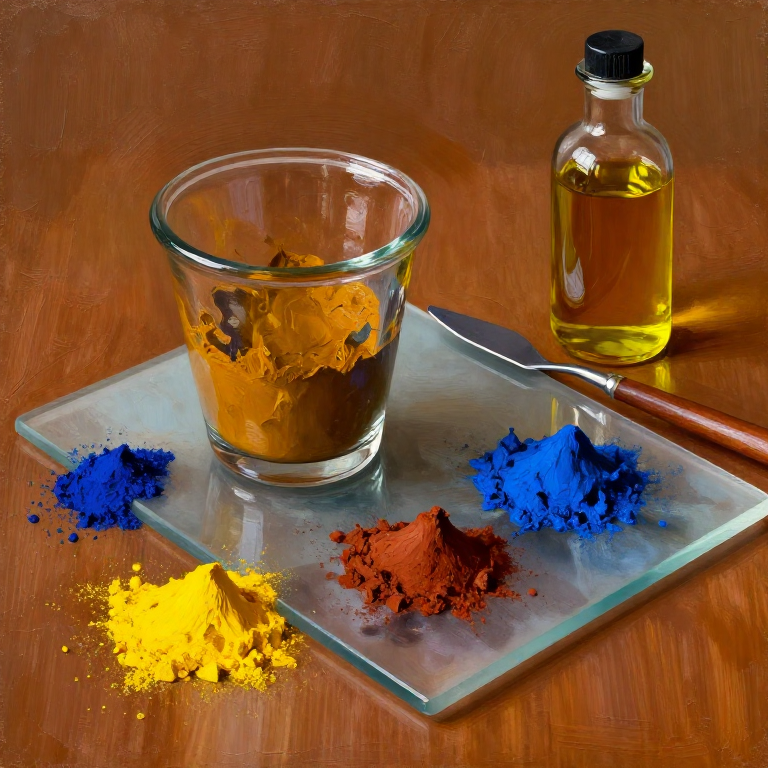

Making Oil Paint from Raw Pigments — Grinding Pigments in Linseed Oil
Arahan
Set Up the Grinding Station and Safety Equipment
Set Up the Grinding Station and Safety Equipment
Work in a well-ventilated area. Dry pigment powder is the most hazardous stage of paint making — fine particles become airborne and can be inhaled. Wear an N95/FFP2 dust mask and nitrile gloves. Some historical pigments (lead white, cadmium, cobalt) are toxic — even modern non-toxic pigments (ultramarine, ochre, titanium white) should not be inhaled as fine mineral dust irritates the lungs. Place the glass slab on a stable, flat surface with a damp cloth underneath to prevent it from sliding. Have your palette knife, oil, and pigment within easy reach. Keep the pigment container closed except when dispensing. Once pigment is mixed with oil, it is no longer airborne and the dust hazard is eliminated.
Alatan diperlukan:
 Kaca tempered
 Topeng Habuk
 Sarung Tangan Nitril
Create the Pigment-Oil Paste
Create the Pigment-Oil Paste
Place a mound of dry pigment (approximately 2-3 tablespoons) in the centre of the glass slab. Make a well in the centre of the mound. Pour a small amount of linseed oil into the well — start with less oil than you think you need (roughly half the volume of the pigment pile). Using the palette knife, fold the pigment into the oil, pressing and stirring until all the dry pigment is wetted. The mixture should form a stiff, crumbly paste at this stage. Each pigment absorbs a different amount of oil: titanium white requires relatively little oil (~18-22g oil per 100g pigment), while ultramarine blue absorbs much more (~40-50g per 100g). Add oil in small increments — you can always add more, but you cannot remove it.
Bahan untuk langkah ini:
 Set Serbuk Pigmen Tanah50 g
 Minyak Biji Rami50 ml
Alatan diperlukan:
 Set pisau palet
Grind the Paste with the Glass Muller
Grind the Paste with the Glass Muller
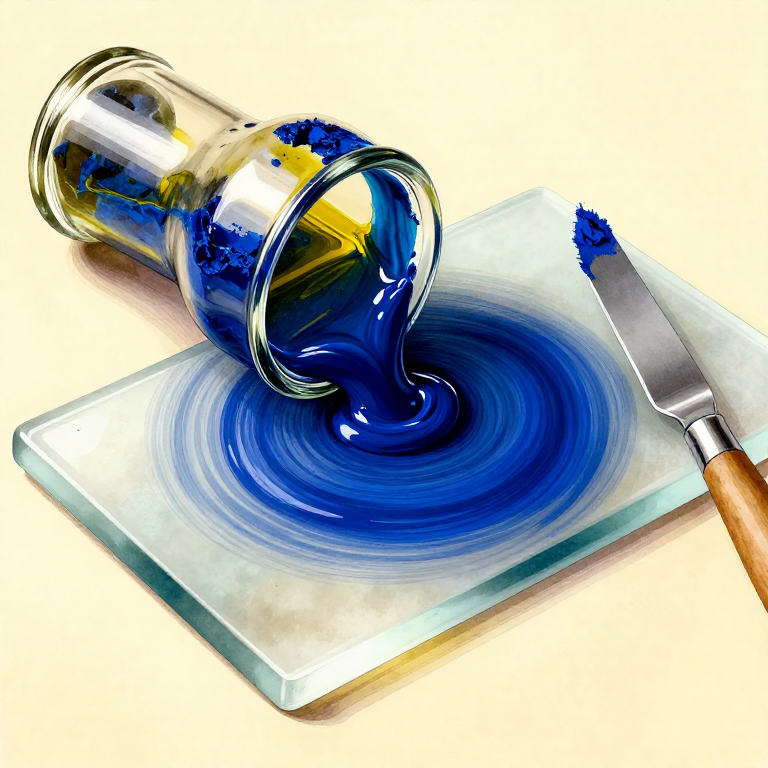
Place the glass muller flat on the pigment paste. Press down firmly and grind in a circular or figure-eight motion, spreading the paste across the frosted area of the slab. The frosted glass surfaces (both the slab and the muller bottom) create microscopic abrasion that breaks apart pigment clumps and forces oil between individual pigment particles. This process is called dispersion — the goal is to coat every individual pigment particle with a thin film of oil so that no dry clumps remain. After every 10-15 circular passes, use the palette knife to scrape the paste back to the centre of the slab, then resume grinding. You will feel and hear the gritty texture gradually become smoother as the pigment disperses. The paste will also become slightly more fluid as better dispersion allows the oil to lubricate more effectively.
Alatan diperlukan:
 Penggiling KacaSet pisau palet
Test the Grind and Adjust Consistency
Test the Grind and Adjust Consistency
After 5-10 minutes of grinding, test the paint's consistency: pick up a small amount on the palette knife and draw it across a clean area of the glass slab. A properly ground oil paint should spread smoothly with no visible gritty particles and no streaks of undispersed pigment. The texture should be buttery and homogeneous — similar to thick cream or soft butter. If the paint is too stiff: add a few drops of oil and grind again. If the paint is too runny: you have added too much oil — add more dry pigment and grind again. Some pigments (e.g. raw umber, burnt sienna) grind quickly to a smooth paste in minutes; others (e.g. viridian, ultramarine) are harder and require 15-20 minutes of sustained grinding. Titanium white is notoriously stiff and requires patient, firm grinding.
Alatan diperlukan:
Set pisau paletAssess Oil Absorption and Colour Strength
Assess Oil Absorption and Colour Strength
Every pigment has a characteristic oil absorption number — the grams of oil needed to wet 100g of pigment to a workable paste. This varies enormously: titanium white ~18-22g, yellow ochre ~30-35g, burnt sienna ~25-30g, ultramarine blue ~40-50g, lamp black ~100g+. High oil absorption pigments produce paint that is relatively more transparent and takes longer to dry (more oil = longer polymerisation time). Test the colour strength: spread a thin film of your paint on a white surface. If it appears weak or washed-out, the pigment-to-oil ratio is too low — add more pigment. Artist-grade oil paint should be richly pigmented with strong tinting strength. Compare your paint to a reference (a commercially made tube of the same pigment) if available — hand-ground paint often has superior pigment load because factories add fillers and extenders.
Bahan untuk langkah ini:
Minyak Biji Rami50 ml Minyak walnut50 ml
Alatan diperlukan:
Penggiling KacaFinal Grinding and Storage
Final Grinding and Storage
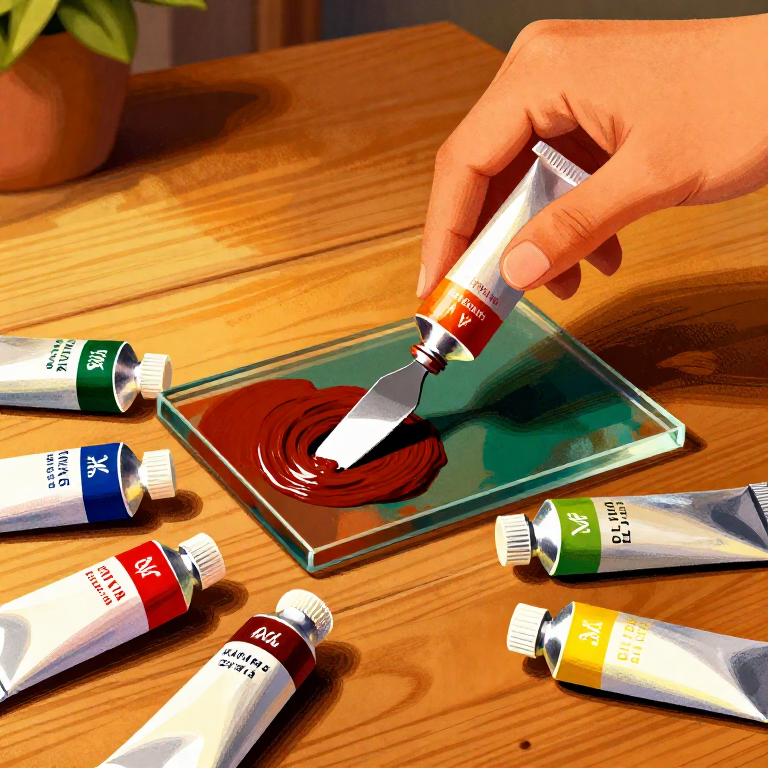
Once the consistency, colour strength, and smoothness are satisfactory, give the paint a final 2-3 minutes of grinding to ensure complete dispersion. Use the palette knife to scrape all paint from the slab and muller into a pile. Transfer the paint into an aluminium paint tube using a palette knife or a small spatula: fill from the open end, fold the end over twice, and crimp it flat (a pair of pliers or a tube wringer works). Alternatively, store in small glass jars with tight-fitting lids. Oil paint stored in sealed tubes keeps for years — the oil cannot oxidise (polymerise) without air contact. In jars, a thin skin may form on the surface over weeks; peel this off before use. Label each tube or jar with the pigment name and date. Clean the glass slab and muller with a rag dampened with a small amount of vegetable oil or solvent (odourless mineral spirits), then wash with soap and water.
Bahan untuk langkah ini:
 Tiub cat kosong5 keping
Alatan diperlukan:
Penggiling KacaSet pisau paletUnderstand Drying Oils and Their Properties
Understand Drying Oils and Their Properties
The choice of oil affects the paint's drying time, yellowing tendency, and film flexibility. Cold-pressed linseed oil is the standard: it dries in 3-5 days to a tough, flexible film. However, linseed oil yellows over time, which is noticeable in whites and light blues — for these colours, use walnut oil (less yellowing, 4-6 day drying time) or poppy seed oil (least yellowing, 5-7 day drying time, but produces a more brittle film). NEVER use hardware-store "boiled" linseed oil — this contains metallic driers (cobalt, manganese compounds) that are toxic and produce a different film quality. Only use artist-grade oils. You can also use stand oil (linseed oil that has been heat-polymerised to a thick, honey-like consistency) blended 1:1 with regular linseed oil for a smoother, more enamel-like paint that levels brush marks.
Alatan diperlukan:
Set pisau paletMake a Basic Palette of Colours
Make a Basic Palette of Colours
A practical starting palette for hand-grinding: titanium white (opaque, high tinting strength — the workhorse white), yellow ochre (an iron oxide earth pigment — warm yellow, opaque, fast-drying, one of the oldest pigments in human history), burnt sienna (calcined iron oxide earth — warm reddish-brown, transparent, fast-drying), ultramarine blue (synthetic version of lapis lazuli — warm blue, transparent, slow-drying, high oil absorption), and ivory black or lamp black (carbon pigments — cool black, slow-drying, very high oil absorption). These five pigments can mix an enormous range of colours and represent the major pigment families: white, earth, iron oxide, synthetic mineral, and carbon. As you gain experience, add: cadmium yellow (opaque, brilliant — handle with care, toxic), alizarin crimson or quinacridone red, and viridian or phthalo green.
Bahan untuk langkah ini:
Set Serbuk Pigmen Tanah50 gAlatan diperlukan:
Penggiling KacaBahan
4- Pemegang Tempat
- 50 mlPemegang Tempat
- 50 mlPemegang Tempat
- 5 kepingPemegang Tempat
Bahan Blueprint Bersambung
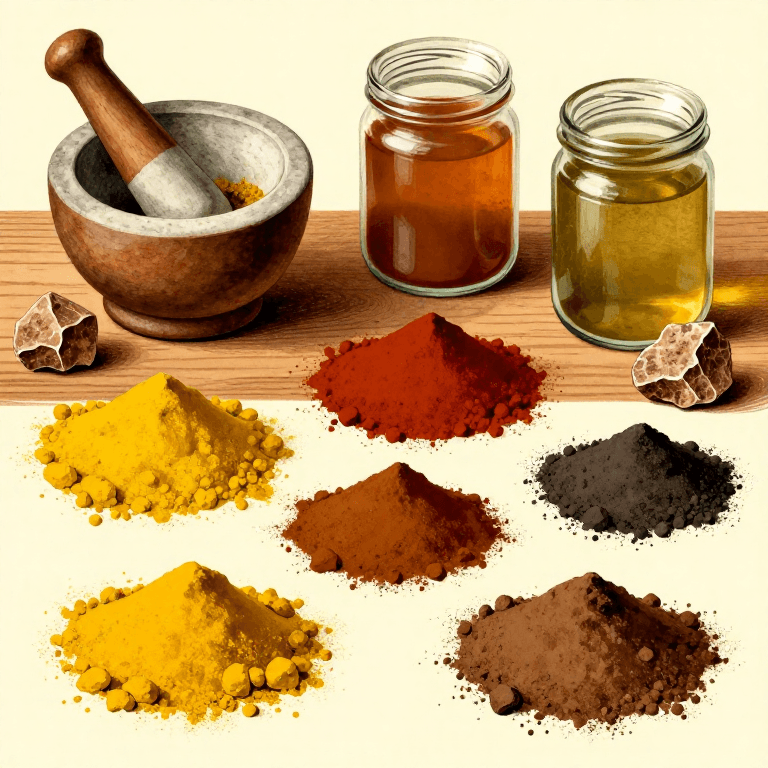
Making Natural Earth Pigments from Soil and Rocks — Collecting and Processing
oleh Mary
SENI
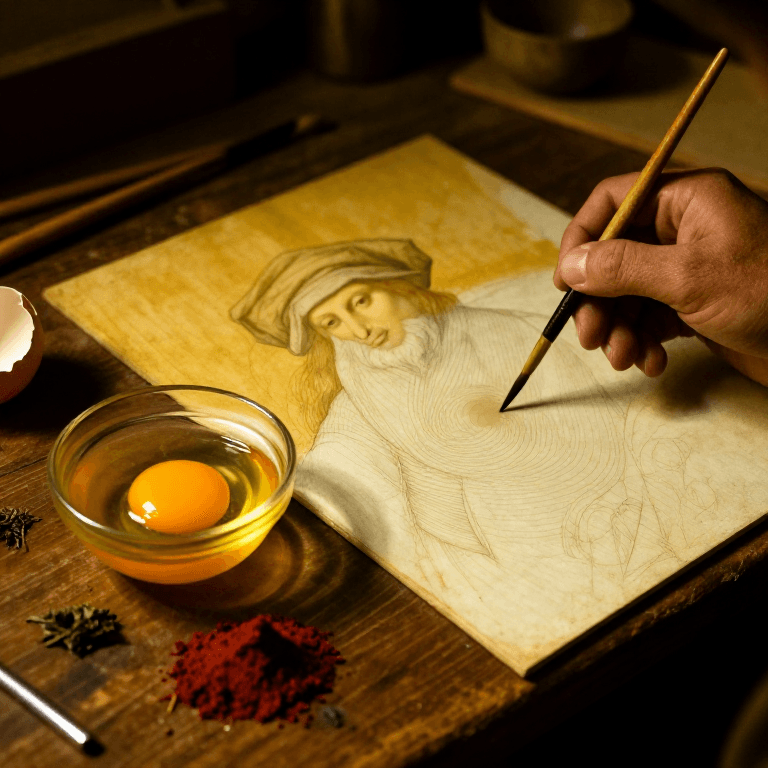
Making Egg Tempera Paint — The Medieval Panel Painting Medium
oleh Charlie
SENI
Making Traditional Gesso — The White Ground That Prepared Every Panel Painting in History
oleh Charlie
SENI
Making Dammar Varnish — The Clear Picture Varnish for Oil Paintings
oleh Charlie
SENI
Making Prussian Blue — The First Modern Synthetic Pigment (Berlin, 1704)
oleh Charlie
SENI
Blueprint ini membuat
Blueprint berkaitan
Blueprint ini berkongsi pengetahuan — teknik, bahan atau prinsip
Preparing Ochre Pigment for Cave Painting — Mineral Processing
oleh Charlie
Kimia
Making Verdigris — The Copper Acetate Green of Medieval Painters
oleh Charlie
SENI
Making Hide Glue Distemper — The Traditional Ceiling and Wall Paint of Europe
oleh Charlie
SENI
Making Encaustic Paint — The Hot Beeswax Medium of Ancient Greek and Egyptian Painters
oleh Charlie
SENI
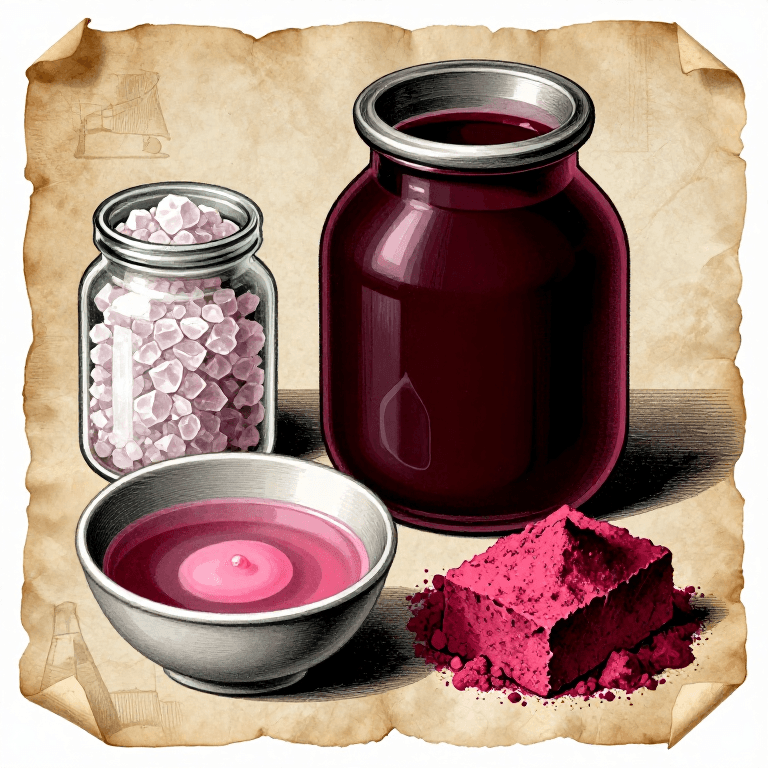
Making a Lake Pigment from Plant Dye — Precipitating Soluble Colour onto an Insoluble Substrate
oleh Charlie
SENI
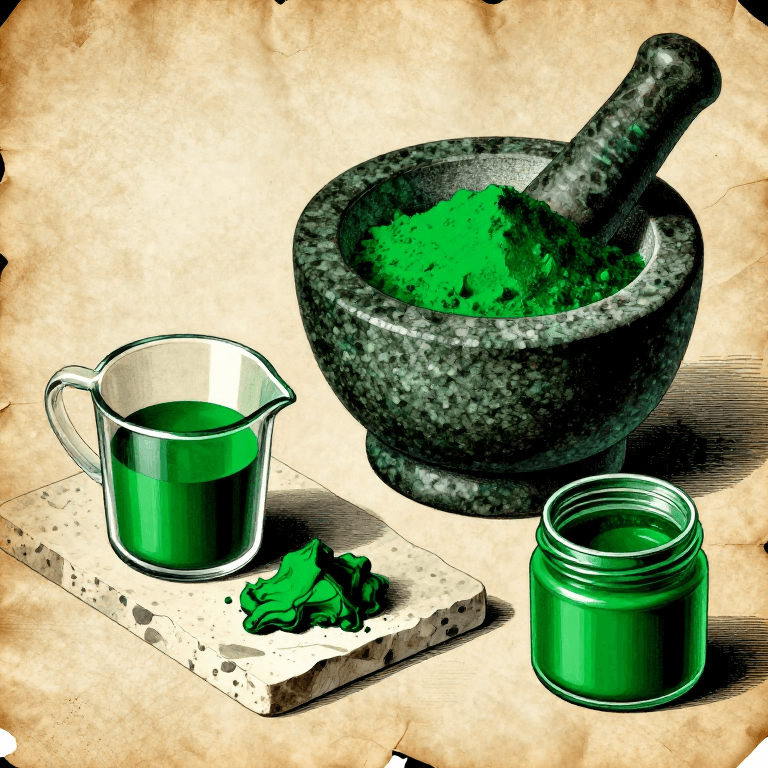
Making Malachite Green Pigment — Grinding the Copper Mineral into Painter's Green
oleh Charlie
SENI
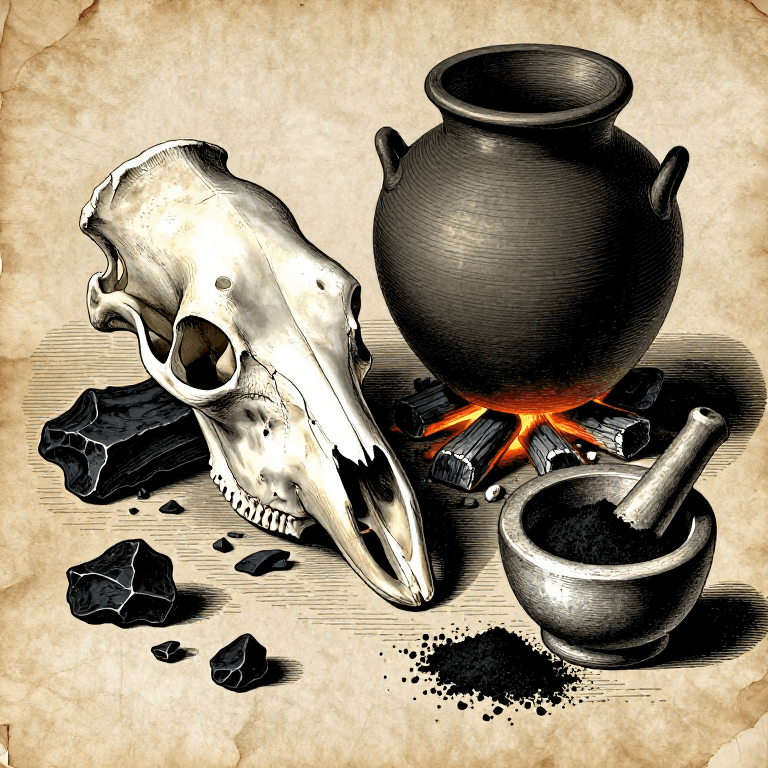
Making Bone Black Pigment — Calcining Animal Bones into the Warm Black of Old Master Painters
oleh Charlie
SENI
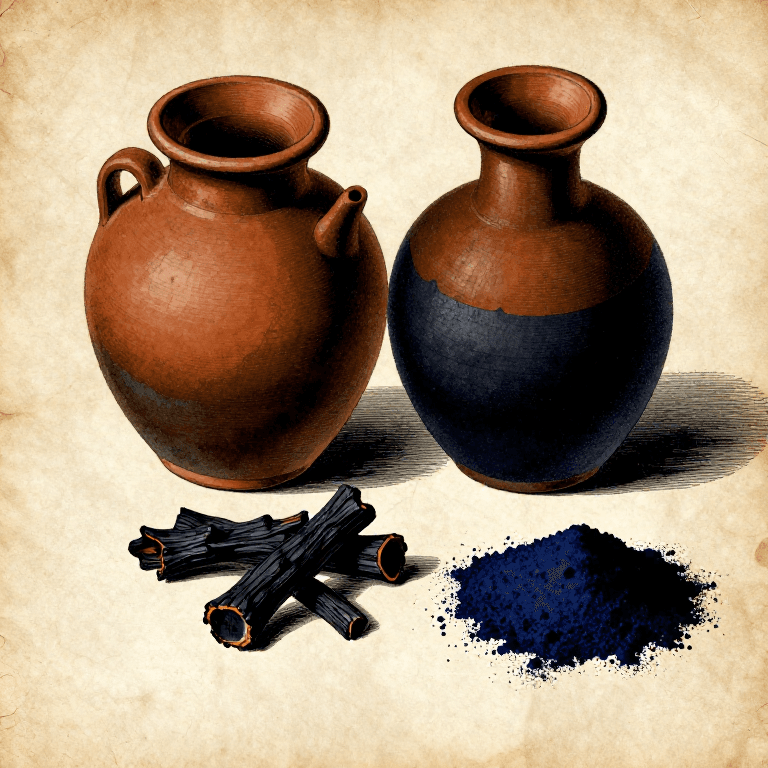
Making Vine Black Pigment — Charring Grape Vines into the Cool Blue-Black of Classical Painters
oleh Charlie
SENI
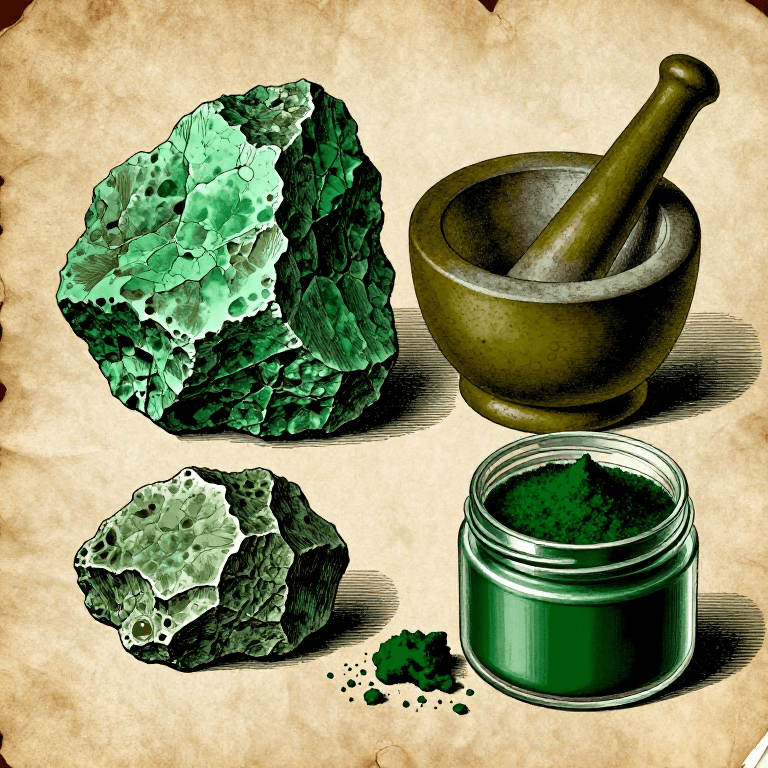
Making Green Earth Pigment (Terra Verte) — The Soft Green of Celadonite and Glauconite
oleh Charlie
SENI
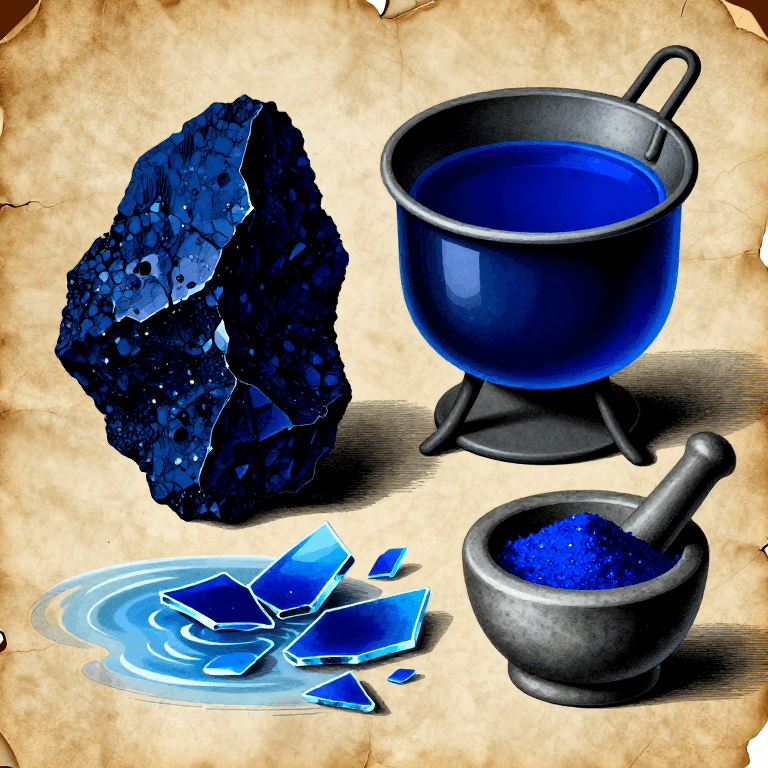
Making Smalt — Grinding Cobalt Blue Glass into the Renaissance Painter's Blue Pigment
oleh Charlie
SENI
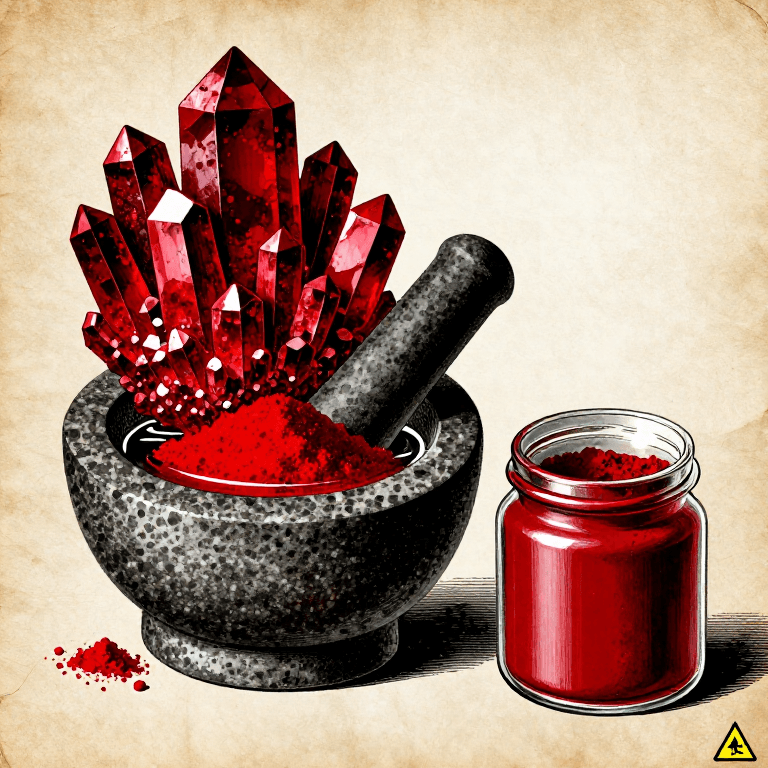
Making Cinnabar Red Pigment — Grinding Mercury Sulfide into the Most Vivid Red of the Ancient World
oleh Charlie
SENI
CC0 Domain Awam
Blueprint ini dikeluarkan di bawah CC0. Anda bebas menyalin, mengubah, mengedar, dan menggunakan karya ini untuk sebarang tujuan, tanpa meminta kebenaran.
Sokong Pembuat dengan membeli produk melalui Blueprint mereka di mana mereka memperoleh Komisen Pembuat ditetapkan oleh Penjual, atau cipta iterasi baru Blueprint ini dan sertakan ia sebagai sambungan dalam Blueprint anda sendiri untuk berkongsi hasil.