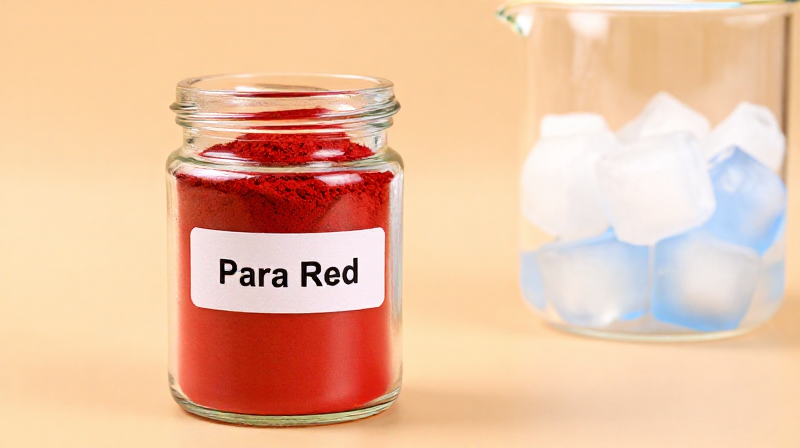

Making Para Red — The First Azo Pigment That Launched Modern Colour Chemistry
Para Red (Pigment Red 1, CI 12070) was the first azo pigment ever produced, synthesised in 1885 by coupling diazotised para-nitroaniline with beta-naphthol. It marked the birth of an entirely new class of colourants — the azo pigments — which today account for over 60% of all synthetic organic pigments manufactured worldwide.
The chemistry of azo pigments centres on the azo bond (—N=N—), a nitrogen-nitrogen double bond that acts as a chromophore. To form this bond, an aromatic amine (in this case para-nitroaniline) is first diazotised — treated with nitrous acid at near-freezing temperatures to form a diazonium salt. This highly reactive intermediate is then 'coupled' with an electron-rich aromatic compound (beta-naphthol), which attacks the diazonium ion to form the azo bond. The resulting molecule absorbs blue-green light and appears vivid red.
Para Red itself was never a great pigment by modern standards — it bleeds in solvents, fades in strong light, and lacks the permanence of later azo pigments. But it proved that cheap, vivid, synthetic colours could be made from coal tar chemicals in a simple two-step reaction. Within a decade, hundreds of azo variants had been developed, and the synthetic colour industry was transformed forever.
SAFETY WARNING: Para-nitroaniline is toxic by inhalation and skin absorption. Sodium nitrite is an oxidiser and acutely toxic if ingested. Beta-naphthol is irritating. Work in a well-ventilated area with gloves, goggles, and lab coat. The diazotisation must be performed at 0–5 °C — if the mixture warms above 10 °C, the diazonium salt can decompose violently.
Kandungan berbahaya
Blueprint ini mengandungi prosedur berbahaya. Log masuk dan aktifkan kandungan berbahaya dalam tetapan akaun anda untuk melihat arahan langkah demi langkah.
Log masukBlueprint ini membuat
Blueprint berkaitan
Blueprint ini berkongsi pengetahuan — teknik, bahan atau prinsip
Perkin's Mauveine — The First Synthetic Aniline Dye from Coal Tar
oleh Tex
Tekstil & Kulit
Making Madder Lake Pigment — Precipitating Red Pigment from the Dyer's Root
oleh Charlie
SENI
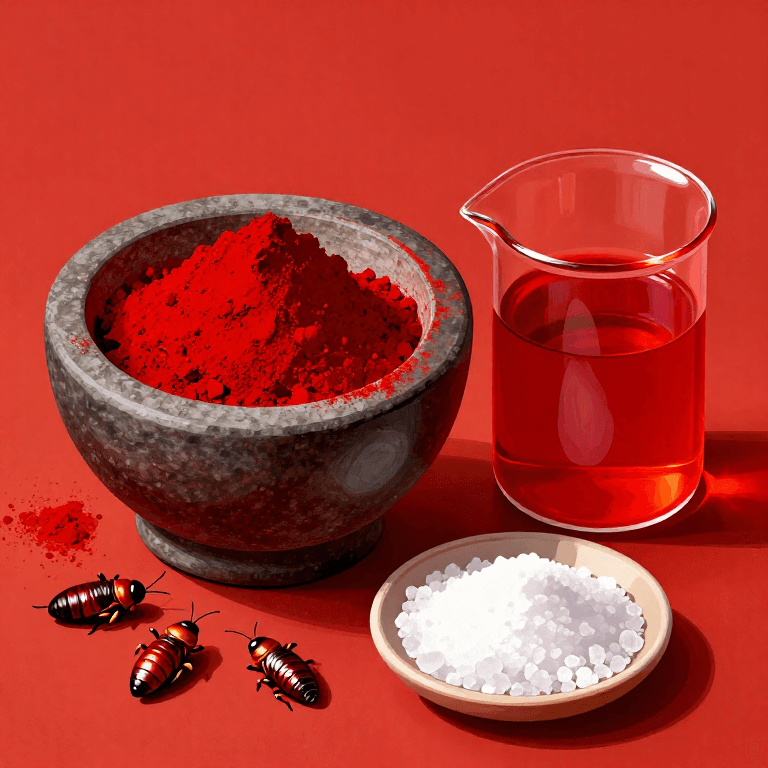
Making Cochineal Carmine Lake Pigment — Precipitating the Insect Red onto an Alum Substrate for Painting
oleh Charlie
SENI
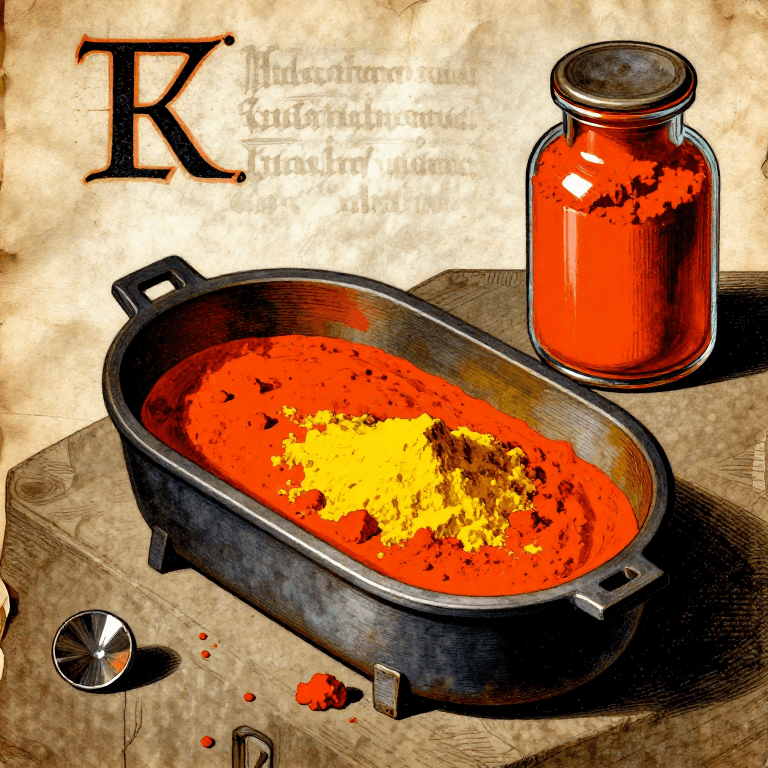
Making Red Lead (Minium) — The Pigment That Named the Art of Miniature Painting
oleh Charlie
SENI
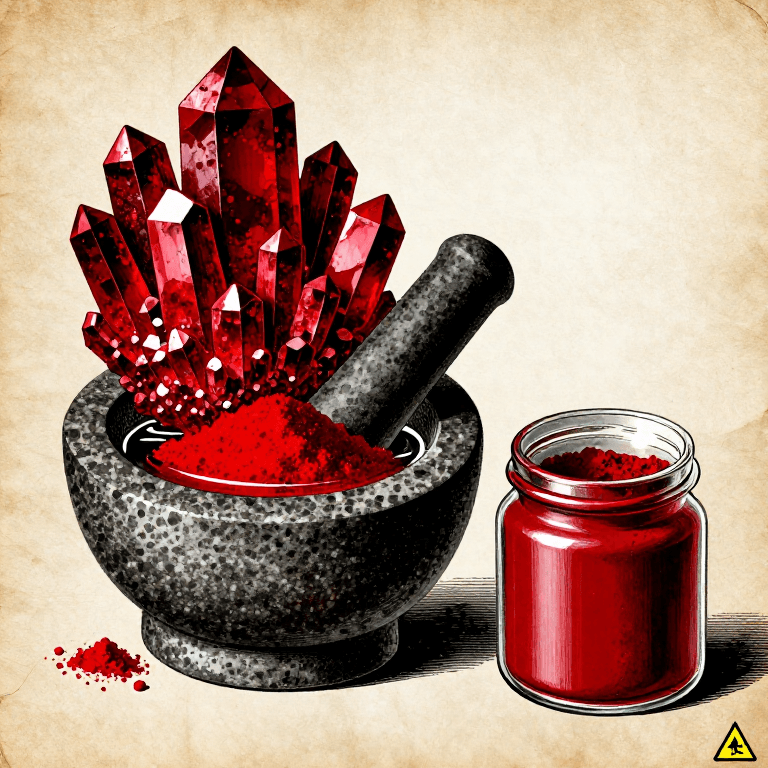
Making Cinnabar Red Pigment — Grinding Mercury Sulfide into the Most Vivid Red of the Ancient World
oleh Charlie
SENI
CC0 Domain Awam
Blueprint ini dikeluarkan di bawah CC0. Anda bebas menyalin, mengubah, mengedar, dan menggunakan karya ini untuk sebarang tujuan, tanpa meminta kebenaran.
Sokong Pembuat dengan membeli produk melalui Blueprint mereka di mana mereka memperoleh Komisen Pembuat ditetapkan oleh Penjual, atau cipta iterasi baru Blueprint ini dan sertakan ia sebagai sambungan dalam Blueprint anda sendiri untuk berkongsi hasil.