
পাট সংগ্রহ ও জাগ দেওয়া — বাংলাদেশের পাট আঁশ বের করা
Arahan
পাট গাছ সম্পর্কে জানা
পাট গাছ সম্পর্কে জানা
পাট (Jute) হলো Corchorus গণের একটি তন্তু ফসল। দুটি প্রধান প্রজাতি আছে: তোষা পাট (Corchorus olitorius) এবং সাদা পাট (Corchorus capsularis)। তোষা পাট সোনালি রঙের, অধিক শক্তিশালী এবং মসৃণ — এটিকে 'সোনালি আঁশ' (Golden Fiber) বলা হয়। সাদা পাট তুলনামূলক মোটা ও কম উজ্জ্বল। বাংলাদেশ বিশ্বের মোট পাটের প্রায় ৩৩% উৎপাদন করে এবং বিশ্বের দ্বিতীয় বৃহত্তম পাট উৎপাদনকারী দেশ। পাট গাছ ২-৪ মিটার লম্বা হয় এবং এর বাকল থেকে আঁশ বের করা হয়।
পাটের জমি ও জলবায়ু বোঝা
পাটের জমি ও জলবায়ু বোঝা
পাট গরম ও আর্দ্র জলবায়ুতে সবচেয়ে ভালো জন্মায়। তাপমাত্রা ২৪-৩৭ ডিগ্রি সেলসিয়াস এবং আপেক্ষিক আর্দ্রতা ৭০-৯০% দরকার। বার্ষিক বৃষ্টিপাত ১৫০০-২৫০০ মিমি হলে ভালো ফলন হয়। পলিমাটি সমৃদ্ধ নিচু জমি (পলি দোআঁশ মাটি) পাটের জন্য আদর্শ — বাংলাদেশের গঙ্গা-ব্রহ্মপুত্র-মেঘনা বদ্বীপের জমি এই কারণে পাটের জন্য বিশ্বসেরা। বীজ বপন সাধারণত মার্চ-মে মাসে (চৈত্র-বৈশাখ) করা হয়।
ফসল কাটার সময় নির্ধারণ
ফসল কাটার সময় নির্ধারণ
পাট গাছ বপনের ১২০-১৫০ দিন পর কাটার উপযুক্ত হয়। সাধারণত জুলাই-সেপ্টেম্বর মাসে (শ্রাবণ-ভাদ্র) ফসল কাটা হয়। সঠিক সময়ের লক্ষণ: গাছে ছোট ছোট ফুল ফুটতে শুরু করে (তোষা পাটে হলুদ ফুল, সাদা পাটে সাদা ফুল)। ফুল ফোটার শুরুতেই কাটলে আঁশের মান সবচেয়ে ভালো হয় — নরম, মসৃণ ও শক্তিশালী। খুব দেরি করলে আঁশ শক্ত ও মোটা হয়ে যায়, গুণগত মান কমে।
পাট গাছ কাটা
পাট গাছ কাটা
পাট গাছ মাটির কাছাকাছি (মাটি থেকে ২-৫ সেমি উপরে) কাটা হয়। ধারালো দা (কাস্তে) দিয়ে একটানে কাটতে হয়। কাটার সময় সকাল বেলা ভালো — রোদের তীব্রতা কম থাকে এবং শ্রমিকের ক্লান্তি কম হয়। কাটা গাছগুলো মাঠেই ২-৩ দিন ফেলে রাখা হয় যাতে পাতা ঝরে পড়ে। পাতা ঝরলে জাগ দেওয়ার সময় পানি কম দূষিত হয়।
Alatan diperlukan:
 Sabit keluli
পাট গাছ বান্ডিল করা
পাট গাছ বান্ডিল করা
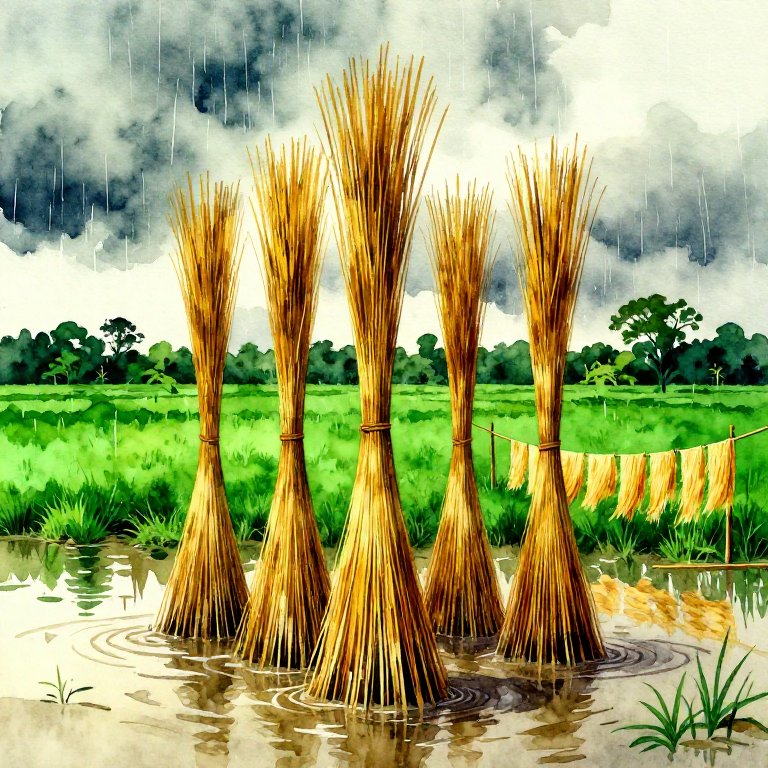
পাতা ঝরার পর পাট গাছগুলো ২০-৩০টি গাছের ছোট ছোট আঁটি (বান্ডিল) বাঁধা হয়। গাছের গোড়ার দিক সমান করে একসাথে জড়ো করতে হয়। পাটের নিজের ছাল বা পাটের দড়ি দিয়ে গোড়ার কাছে শক্ত করে বাঁধতে হয়। আঁটি খুব বড় হলে ভেতরের গাছে পানি ঠিকমতো পৌঁছায় না এবং জাগ অসমান হয়। প্রতিটি আঁটি যেন হাতে ধরে বহন করার মতো হয়।
Bahan untuk langkah ini:
 Tali guni1 ikat
জাগ দেওয়ার স্থান নির্বাচন
জাগ দেওয়ার স্থান নির্বাচন
জাগ দেওয়ার জন্য (retting) ধীর গতির স্রোত আছে এমন পরিষ্কার জলাশয় নির্বাচন করতে হয় — পুকুর, খাল, বিল বা নদীর শান্ত অংশ উপযুক্ত। পানির গভীরতা কমপক্ষে ১-১.৫ মিটার হতে হবে। পানি পরিষ্কার ও সামান্য অম্লীয় (pH ৬-৭) হলে ভালো ফলাফল হয়। বদ্ধ ও দূষিত পানিতে জাগ দিলে আঁশের রং খারাপ হয় এবং দুর্গন্ধ বেশি হয়। রোদ পড়ে এমন উন্মুক্ত জলাশয় ভালো — তাপমাত্রা ব্যাকটেরিয়ার কাজ ত্বরান্বিত করে।
জাগ দেওয়া (Retting)
জাগ দেওয়া (Retting)
বান্ডিলগুলো পানিতে সম্পূর্ণ ডুবিয়ে রাখা হয়। উপরে কাঠের গুঁড়ি, কলাগাছের কাণ্ড বা মাটির চাপা (ভারী বস্তু) দিয়ে চাপ দিতে হয় যেন বান্ডিল ভেসে না ওঠে। জাগ প্রক্রিয়ায় ১০-২০ দিন সময় লাগে — তাপমাত্রা ও পানির গুণগত মানের উপর নির্ভর করে। গরম পানিতে (৩০-৩৪ ডিগ্রি সেলসিয়াস) প্রক্রিয়া দ্রুত হয়। এই সময়ে Clostridium ও অন্যান্য অবায়বীয় ব্যাকটেরিয়া পাট গাছের পেকটিন ও লিগনিন ভেঙে ফেলে, ফলে আঁশ কাণ্ডের কাঠের অংশ (পিথ) থেকে আলগা হয়ে যায়।
Bahan untuk langkah ini:
 Pemberat batang pisang5 keping
জাগের অবস্থা পরীক্ষা করা
জাগের অবস্থা পরীক্ষা করা
জাগ দেওয়ার ৮-১০ দিন পর থেকে প্রতিদিন পরীক্ষা করতে হয়। একটি গাছ পানি থেকে তুলে গোড়ার দিকে বাকল টেনে দেখতে হয় — যদি বাকল সহজে কাঠ থেকে আলাদা হয়ে আসে, তাহলে জাগ সম্পন্ন। অতিরিক্ত জাগ (over-retting) দিলে আঁশ দুর্বল হয়ে ছিঁড়ে যায় এবং রং কালচে হয়। কম জাগ (under-retting) হলে আঁশ কাঠ থেকে ভালোভাবে আলাদা হয় না এবং আঁশে কাঠের টুকরো থেকে যায়। পানির উপরে বুদবুদ ওঠা বন্ধ হয়ে গেলে জাগ সম্পন্ন হওয়ার একটি লক্ষণ।
আঁশ ছাড়ানো (Stripping)
আঁশ ছাড়ানো (Stripping)
জাগ সম্পন্ন হলে বান্ডিলগুলো পানি থেকে তোলা হয়। শ্রমিক কোমর পানিতে দাঁড়িয়ে একটি একটি গাছ ধরে গোড়ার দিক থেকে বাকল টেনে ছাড়ায়। বাকলের ভেতরে আঁশ লম্বা সুতার মতো বেরিয়ে আসে। কাঠের অংশ (শোলা বা পিথ) আলাদা করে ফেলতে হয়। আঁশ ছাড়ানোর সময় পানিতে ঝাঁকিয়ে ধুয়ে নিতে হয় যাতে অবশিষ্ট পেকটিন ও কাঠের টুকরো দূর হয়। একজন দক্ষ শ্রমিক দিনে ২৫-৩০ কেজি কাঁচা আঁশ ছাড়াতে পারে।
আঁশ ধোয়া
আঁশ ধোয়া
ছাড়ানো আঁশ পরিষ্কার পানিতে ভালো করে ধুতে হয়। আঁশ পানিতে ডুবিয়ে হাত দিয়ে ঝাঁকিয়ে ধুলে আটকে থাকা ময়লা, পেকটিনের অবশিষ্টাংশ এবং কাদামাটি দূর হয়। ২-৩ বার পরিষ্কার পানিতে ধোয়া প্রয়োজন। ভালোভাবে ধোয়া আঁশ উজ্জ্বল সোনালি রং ধারণ করে — এটি উচ্চ মানের লক্ষণ। দুর্গন্ধযুক্ত বা কালচে আঁশ নিম্ন মানের বলে বিবেচিত হয়।
Bahan untuk langkah ini:
 Air Suling50 liter
আঁশ শুকানো
আঁশ শুকানো
ধোয়া আঁশ রোদে শুকাতে হয়। বাঁশের আড়া (বাঁশের মাচা বা দড়িতে) আঁশ ঝুলিয়ে দিতে হয় যাতে বাতাস চারদিক থেকে লাগে। সরাসরি রোদে ২-৩ দিন শুকালে আঁশ পুরোপুরি শুকিয়ে যায়। আঁশ মাটিতে ফেলে শুকানো উচিত নয় — মাটি লেগে গেলে আঁশের মান কমে। বৃষ্টির সময় আঁশ ঢেকে রাখতে হয়। শুকনো আঁশে আর্দ্রতা ১২-১৪% এর নিচে নামলে আঁশ সংরক্ষণের উপযুক্ত।
Alatan diperlukan:
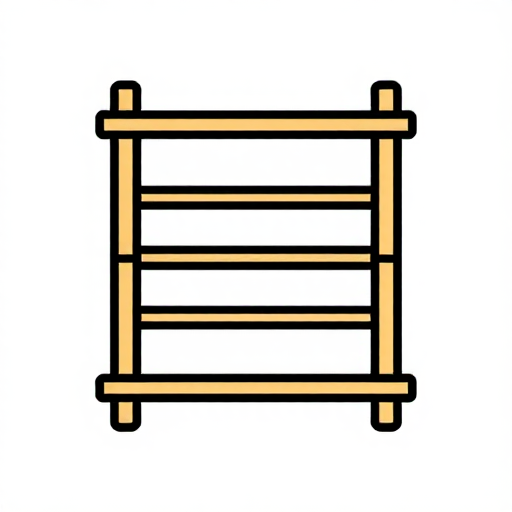 Rangka pengering buluh
 Tali gantung
আঁশের গ্রেডিং
আঁশের গ্রেডিং
শুকনো আঁশ গুণগত মান অনুসারে শ্রেণিবিভাগ করা হয়। বাংলাদেশে পাটের মান দুটি প্রধান গ্রেড পদ্ধতিতে বিভক্ত: Bangla White (BW) সাদা পাটের জন্য এবং Bangla Tossa (BT) তোষা পাটের জন্য। মান নির্ধারণের মাপকাঠি: রং (উজ্জ্বল সোনালি সবচেয়ে ভালো), শক্তি (টেনে ছেঁড়া যায় কিনা), মসৃণতা, পরিচ্ছন্নতা (কাঠের টুকরো বা ময়লার পরিমাণ) এবং দৈর্ঘ্য (লম্বা আঁশ বেশি দামি)। BT-A এবং BW-A সর্বোচ্চ গ্রেড।
Alatan diperlukan:
 Meja pengasingan
আঁশ বান্ডিল করা ও মজুদ
আঁশ বান্ডিল করা ও মজুদ
গ্রেড অনুসারে আঁশ আলাদা আলাদা আঁটিতে বাঁধা হয়। প্রতিটি আঁটির ওজন সাধারণত ৫-৮ কেজি রাখা হয়। আঁশ শুকনো, ঠান্ডা ও বায়ু চলাচলযোগ্য গুদামে মজুদ করতে হয়। মেঝে থেকে উঁচু মাচায় (প্যালেটের উপরে) রাখলে মেঝের আর্দ্রতা থেকে রক্ষা পায়। অতিরিক্ত আর্দ্রতায় পাটে ছত্রাক ধরে এবং আঁশ দুর্বল হয়ে যায়। বাংলাদেশের কৃষকরা সাধারণত আঁশ স্থানীয় হাটে বা পাটের আড়তে বিক্রি করে।
Bahan untuk langkah ini:
Tali guni1 ikat Palet kayu penyimpanan2 keping
Alatan diperlukan:
 Penimbang
পাটের পিথ (শোলা) ব্যবহার
পাটের পিথ (শোলা) ব্যবহার
আঁশ ছাড়ানোর পর অবশিষ্ট কাঠের কাণ্ড (পাটকাঠি বা শোলা) ফেলে দেওয়া হয় না — এটি বাংলাদেশে বহুবিধ কাজে ব্যবহৃত হয়। পাটকাঠি জ্বালানি হিসেবে রান্নায় ব্যবহার করা হয়। ঘরের বেড়া তৈরিতে ব্যবহৃত হয়। পাটকাঠি পুড়িয়ে চারকোল তৈরি করা যায়। আধুনিক ব্যবহারে পাটকাঠি থেকে পার্টিকেল বোর্ড ও অ্যাক্টিভেটেড কার্বন তৈরি হয়। পাট গাছের কোনো অংশই নষ্ট হয় না — এটি একটি সম্পূর্ণ শূন্য-বর্জ্য (zero-waste) ফসল।
Bahan
4- 1 ikatPemegang Tempat
- 5 kepingPemegang Tempat
- 50 literPemegang Tempat
- 2 kepingPemegang Tempat
Alatan Diperlukan
5- Pemegang Tempat
- Pemegang Tempat
- Pemegang Tempat
- Pemegang Tempat
- Pemegang Tempat
Blueprint ini membuat
CC0 Domain Awam
Blueprint ini dikeluarkan di bawah CC0. Anda bebas menyalin, mengubah, mengedar, dan menggunakan karya ini untuk sebarang tujuan, tanpa meminta kebenaran.
Sokong Pembuat dengan membeli produk melalui Blueprint mereka di mana mereka memperoleh Komisen Pembuat ditetapkan oleh Penjual, atau cipta iterasi baru Blueprint ini dan sertakan ia sebagai sambungan dalam Blueprint anda sendiri untuk berkongsi hasil.