SENI
KECANTIKAN & KESEJAHTERAAN
KRAFTANGAN
BUDAYA & SEJARAH
HIBURAN
ALAM SEKITAR
MAKANAN & MINUMAN
KEJURUTERAAN TERBALIK
SAINS
SUKAN
TEKNOLOGI
BOLEH PAKAI
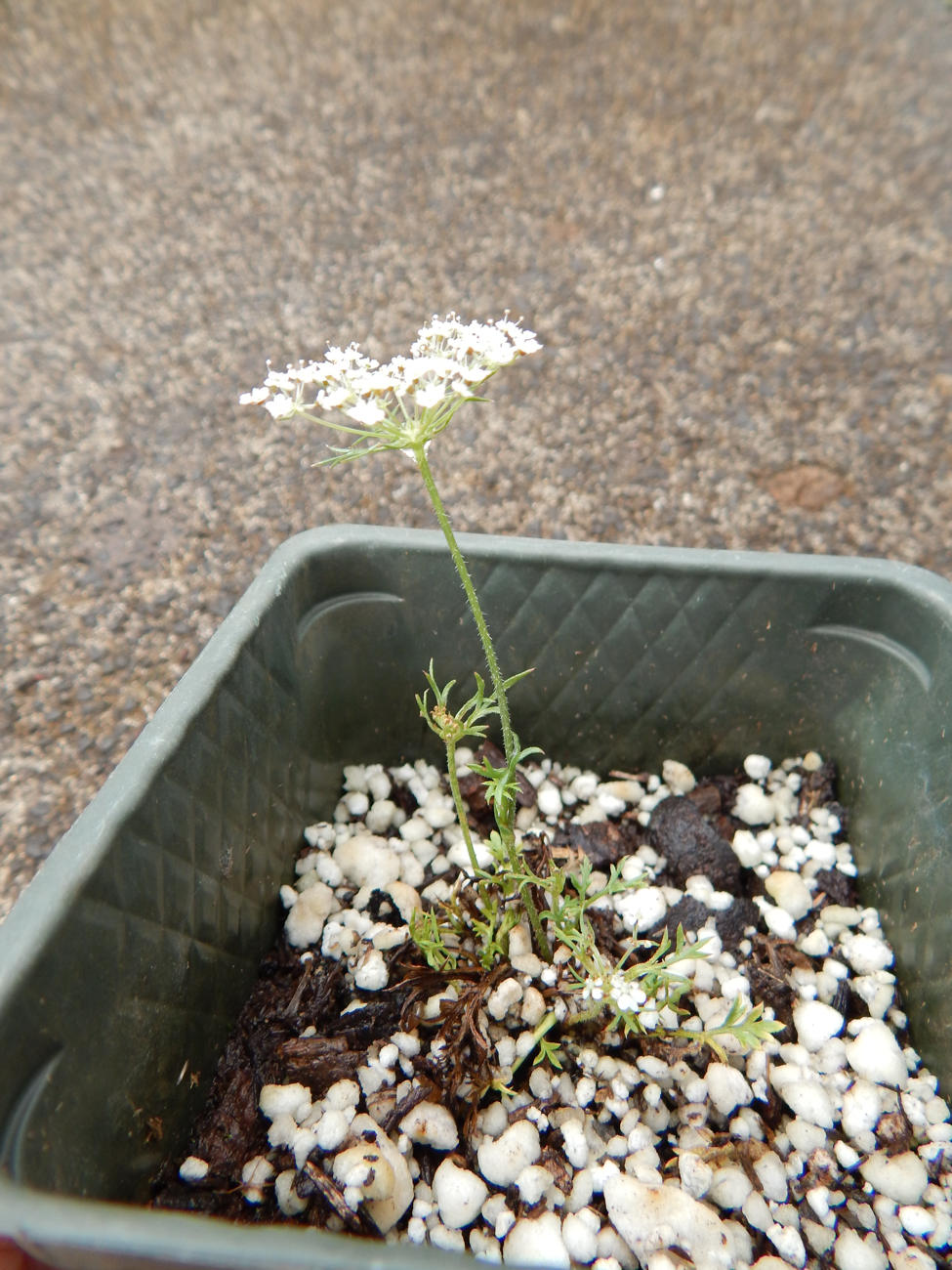
Forest and Kim Starr · CC BY 3.0


Saving Carrot Seeds — The Two-Year Biennial
Save true carrot seed the way the plant actually works: a carrot is a BIENNIAL, so it grows only its root the first year and does not flower until its second. Grow the roots, pick the best, overwinter them, replant, and harvest seed from the second-year flower umbels — keeping the strain pure by isolating it from other carrots and wild Queen Anne's Lace.
Pertengahan
Two growing seasons (with winter storage between)
Arahan
1
1
Why carrots take two years
Why carrots take two years
A carrot is a biennial: in its FIRST year it only grows leaves and stores food in the fat taproot we eat, and it will not flower. Only after a cold winter does it flower and set seed in its SECOND year. So saving carrot seed is a two-season project — you cannot get seed the same year you sow.
2
2
Grow the first-year roots
Grow the first-year roots
Sow an OPEN-POLLINATED (not F1 hybrid) variety in loose, deep soil and grow a full crop of roots. Grow plenty — carrots are cross-pollinators and need a POPULATION of at least 20-40 plants to stay healthy and avoid inbreeding.
Bahan untuk langkah ini:
 Benih lobak merah1 packet
 Kompos1 bag
3
3
Select the best roots
Select the best roots
In autumn lift the roots and choose your best 20+ — the right colour, shape and size, no splits or forks. Because you judge the actual root before replanting it, root crops let you select for exactly the vegetable you want. Trim the leaves to a short stub WITHOUT cutting the crown (the growing point on top).
Alatan diperlukan:
 Serampang kebun
4
4
Overwinter the roots
Overwinter the roots
The roots must live through winter AND get chilled to trigger flowering. In cold regions pack them in slightly-damp sand in a cool cellar (0-4°C), not touching; in mild regions leave them in the ground under thick mulch. This cold spell (vernalization) is what unlocks year two — see the companion overwintering blueprint.
Bahan untuk langkah ini:
 Pasir1 box
5
5
Replant in spring
Replant in spring
As soon as the soil can be worked, replant the stored roots with the crown at the surface, about 30-45 cm apart. Each will resprout leaves and then send up a tall flower stalk over a metre high.
Alatan diperlukan:
 Sudip kebun
6
6
Isolate to keep the strain pure
Isolate to keep the strain pure
Carrot flowers are pollinated by insects and will CROSS with any other flowering carrot — including wild carrot (Queen Anne's Lace) — up to about 800 m away, ruining the strain. Either grow only this one variety and pull any wild carrot nearby, or cage the plants in insect netting and let a few flies in to pollinate.
Alatan diperlukan:
 Jaring serangga bermata halus
7
7
Let the umbels flower and set seed
Let the umbels flower and set seed
The stalk opens flat, lacy flower clusters called UMBELS. The first (central 'king') umbel blooms first and gives the best seed. After flowering, the umbels curl inward and slowly turn brown as the seed ripens over several weeks.
8
8
Harvest, thresh and store
Harvest, thresh and store
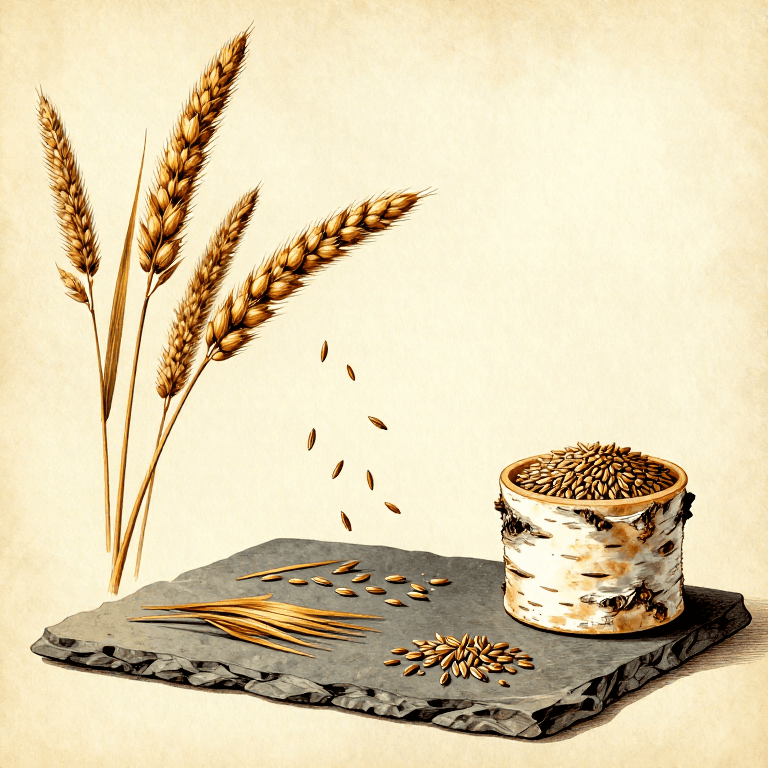
Cut the umbels as they dry to brown, finish drying them indoors, then rub them between your hands to free the seeds (rub off the tiny spines too). Winnow away the chaff, dry fully, and store cool, dark and airtight — labelled with variety and year. Carrot seed stays viable about 3 years.
Bahan untuk langkah ini:
 Balang Kaca Gelap Bertutup Kedap1 keping
 Label Pelekat1 helaian
Alatan diperlukan:
 Gunting pemangkas satu tangan
9
9
Compendium — the biennial life cycle
Compendium — the biennial life cycle
Plants divide into three life-cycle groups, and knowing which you have is the whole key to saving its seed. ANNUALS (beans, lettuce, tomatoes) race through their entire life in one season — sprout, flower, seed, die — so you get seed the same year. PERENNIALS (rhubarb, asparagus) live and crop for many years. BIENNIALS like the carrot split their life across two years on purpose: the first year is pure investment, pouring energy into that swollen taproot as a food store and building a leaf rosette, but making NO flowers; the plant then uses winter as a signal — a stretch of cold (vernalization) tells it winter has passed, and only then, in year two, does it spend the stored food to bolt upward and flower. This is why you cannot rush carrot seed, and why you must keep the root alive and chilled through winter to get there. It is also a gift to the seed-saver: because the edible root grows a full year before the plant reproduces, you get to inspect and taste your crop and replant only your very best roots — direct selection on the exact trait you eat, generation after generation. Other biennials work the same way — beetroot, onion, cabbage, parsnip, celery, leek — all leaf-or-root crops that store up in year one and flower in year two. The catch is purity: the carrot is an insect-pollinated outbreeder that crosses freely with its neighbours and with wild carrot, so unlike a self-pollinating bean it will not stay true unless you isolate it. Master the biennial and the two-year rhythm, and you can keep a carrot strain — its colour, sweetness and shape — alive and improving forever.
Bahan
5- 1 packetPemegang Tempat
- 1 bagPemegang Tempat
- 1 boxPemegang Tempat
- 1 kepingPemegang Tempat
- 1 helaianPemegang Tempat
Alatan Diperlukan
4- Pemegang Tempat
- Pemegang Tempat
- Pemegang Tempat
- Pemegang Tempat
Blueprint ini membuat

Blueprint berkaitan
Blueprint ini berkongsi pengetahuan — teknik, bahan atau prinsip
CC0 Domain Awam
Blueprint ini dikeluarkan di bawah CC0. Anda bebas menyalin, mengubah, mengedar, dan menggunakan karya ini untuk sebarang tujuan, tanpa meminta kebenaran.
Sokong Pembuat dengan membeli produk melalui Blueprint mereka di mana mereka memperoleh Komisen Pembuat ditetapkan oleh Penjual, atau cipta iterasi baru Blueprint ini dan sertakan ia sebagai sambungan dalam Blueprint anda sendiri untuk berkongsi hasil.