
Scagliola
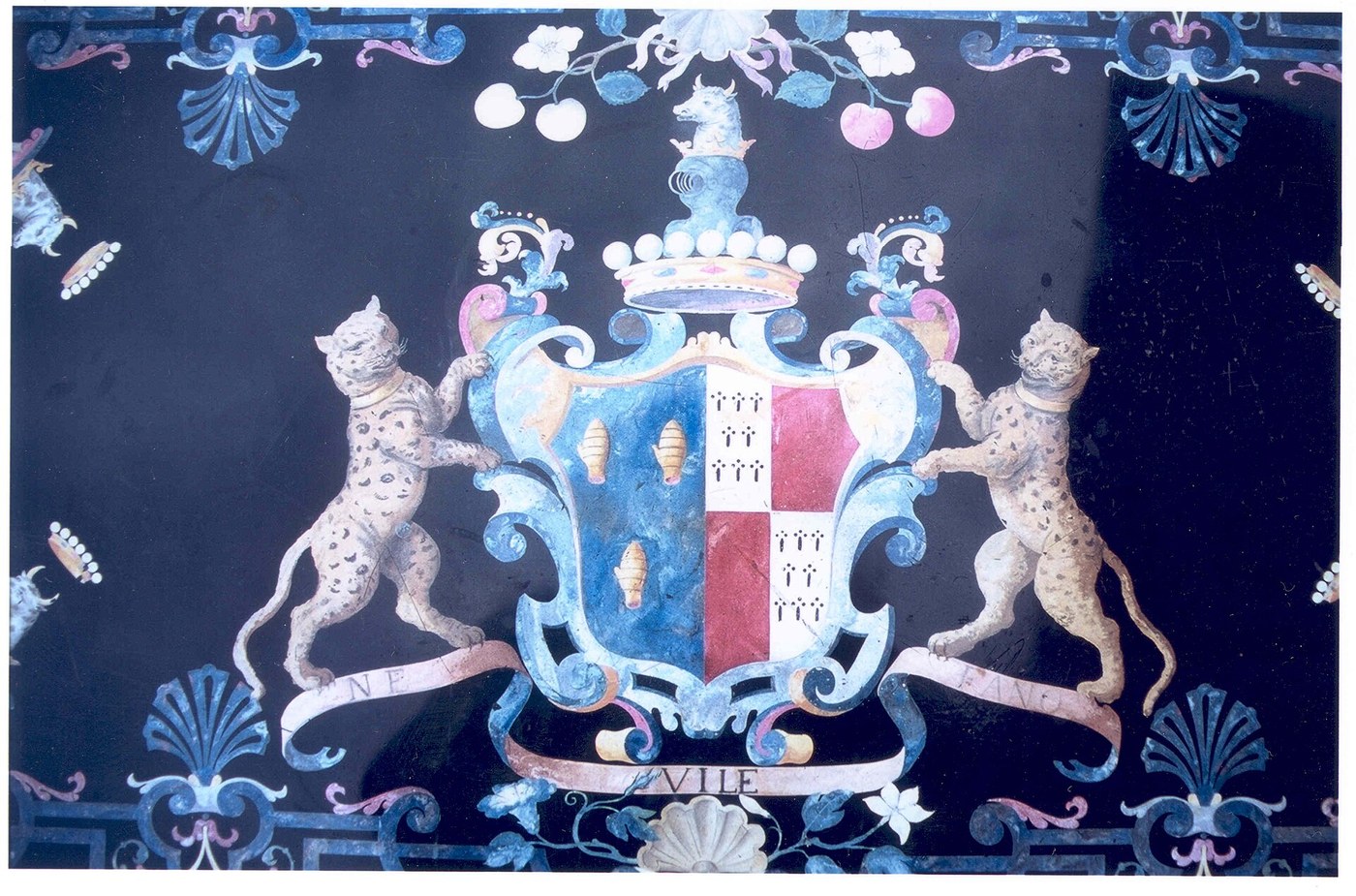
Il marmo policromo costa una fortuna, pesa come una montagna e va segato da blocchi che spesso non esistono nel colore giusto. Gli artigiani emiliani e toscani hanno trovato una scorciatoia: non cercare il marmo, fabbricarlo.
La scagliola è gesso selenite cotto e macinato, impastato con colla animale e pigmenti. Si stende, si incidono i disegni, si riempiono gli incavi con impasti di altri colori, e poi si leviga e si lucida finché la superficie diventa dura e fredda al tatto — indistinguibile da una pietra dura commessa, a una frazione del costo.
Il segreto non sta negli ingredienti ma nella pazienza: la lucidatura richiede più tempo di tutto il resto messo insieme.
Arahan
Lavorare con mascherina antipolvere
Lavorare con mascherina antipolvere
Il gesso macinato e la levigatura a secco fanno polvere finissima. Mascherina sempre, e meglio levigare a umido quando si può.
Preparare un supporto rigido
Preparare un supporto rigido
Usare una tavola di legno stagionato o una lastra di ardesia. Un supporto che si muove fa crepare lo strato di scagliola.
Bahan untuk langkah ini:
 Papan Kayu Keras1 keping
Setacciare il gesso finissimo
Setacciare il gesso finissimo
Passare il gesso di selenite al setaccio fine. Ogni grumo diventa un punto che non prende lucido e si vede subito sulla superficie finita.
Bahan untuk langkah ini:
 Plaster Paris2 kg
Alatan diperlukan:
 Ayak Halus
Impastare con colla animale, non con acqua
Impastare con colla animale, non con acqua
Sciogliere colla animale in acqua tiepida e impastare il gesso con quella. È la colla che permette la lucidatura: il gesso e acqua resta poroso e non prende mai lo specchio.
Preparare gli impasti colorati
Preparare gli impasti colorati
Dividere l'impasto e aggiungere pigmenti in terra a ciascuna parte. Preparare tutti i colori prima di cominciare: una volta steso il fondo si lavora in fretta.
Stendere il fondo di circa 8 mm
Stendere il fondo di circa 8 mm
Applicare lo strato di fondo sul supporto e spianarlo. Deve essere compatto e senza vuoti: ogni bolla diventa un cratere in levigatura.
Lasciare indurire, non asciugare del tutto
Lasciare indurire, non asciugare del tutto
Attendere che la presa sia avvenuta ma il blocco sia ancora leggermente umido. È il momento giusto per incidere.
Riportare il disegno e inciderlo
Riportare il disegno e inciderlo
Trasferire il disegno e scavare le linee e le campiture con bulini e raschietti, fino a 3-4 mm di profondità.
Riempire gli incavi con gli impasti colorati
Riempire gli incavi con gli impasti colorati
Premere l'impasto colorato negli incavi, colore per colore, lasciandolo in leggero rilievo. Si abbassa asciugando, quindi conviene abbondare.
Raschiare a livello quando è indurito
Raschiare a livello quando è indurito
Portare tutto allo stesso piano con il raschietto. Ora il disegno è dentro la massa, non sopra: non è una pittura, è un intarsio.
Correggere i vuoti e ripetere
Correggere i vuoti e ripetere
Ogni bolla o mancanza va riempita di nuovo e riraschiata. Su un lavoro serio questo ciclo si ripete parecchie volte.
Levigare con abrasivi sempre più fini, a umido
Levigare con abrasivi sempre più fini, a umido
Passare dalla pietra pomice agli abrasivi finissimi, sempre bagnato. È la fase più lunga di tutte e non si può accorciare.
Lucidare con olio e tripoli
Lucidare con olio e tripoli
Rifinire con tripolo e olio di lino su feltro, lavorando a lungo. La superficie diventa dura, lucida e fredda al tatto come pietra.
Bahan untuk langkah ini:
 Minyak mineral gred makanan100 ml
Proteggere dall'umidità
Proteggere dall'umidità
Il gesso teme l'acqua: la scagliola è per interni. Un pavimento in scagliola lavato a secchiate si rovina, e nessuna cera lo impedisce.
Storia e contesto — il marmo che non è marmo
Storia e contesto — il marmo che non è marmo
Una risposta economica a un problema di lusso. Il commesso di pietre dure — l'intarsio di marmi e pietre semipreziose perfezionato a Firenze sotto i Medici — dava risultati straordinari a costi proibitivi: pietre rare, seghe ad acqua, anni di lavoro. La scagliola nasce come alternativa nell'Italia del Cinque-Seicento, con centri riconosciuti a Carpi e in Toscana, e si diffonde poi in tutta Europa. Il nome viene da scaglia, la scheggia di selenite da cui si parte.
La chimica, in breve. La selenite è gesso naturale, solfato di calcio biidrato. Cuocendola si perde parte dell'acqua e si ottiene l'emiidrato; reimpastandola l'acqua torna e il materiale ricristallizza in una massa compatta. È la stessa reazione del gesso da presa comune — la differenza sta nella finezza della macinazione e, soprattutto, nella colla animale al posto della sola acqua, che riempie i pori e permette alla superficie di prendere il lucido.
Perché non è una pittura. Il disegno non sta sopra la superficie ma dentro lo spessore. Si può levigare via mezzo millimetro e il motivo resta identico, esattamente come in un intarsio di pietra. È per questo che una scagliola ben fatta inganna: non ha la lucentezza superficiale della vernice, ha la profondità della materia.
Un'onestà necessaria. Si legge spesso che la scagliola imita il marmo. Imita più precisamente il commesso di pietre dure, ed è un'imitazione dichiarata, non un falso: nessun artigiano ha mai preteso di vendere scagliola per pietra. E ha un limite che la pietra non ha — il gesso si scioglie in acqua. Per questo la si trova su altari, paliotti, piani di tavolo e pavimenti interni, e mai all'aperto.
Bahan
3- 1 kepingPemegang Tempat
- 2 kgPemegang Tempat
- Pemegang Tempat
Alatan Diperlukan
1- Pemegang Tempat
Blueprint ini membuat

Blueprint berkaitan
Blueprint ini berkongsi pengetahuan — teknik, bahan atau prinsip

CC0 Domain Awam
Blueprint ini dikeluarkan di bawah CC0. Anda bebas menyalin, mengubah, mengedar, dan menggunakan karya ini untuk sebarang tujuan, tanpa meminta kebenaran.
Sokong Pembuat dengan membeli produk melalui Blueprint mereka di mana mereka memperoleh Komisen Pembuat ditetapkan oleh Penjual, atau cipta iterasi baru Blueprint ini dan sertakan ia sebagai sambungan dalam Blueprint anda sendiri untuk berkongsi hasil.