
Using a Piezo Buzzer — SIK Circuit 11
Arahan
Parts & Introduction
Parts & Introduction
A piezo buzzer converts electrical signals into sound. Using Arduino's built-in tone() function, you can play specific musical frequencies. This sketch plays a simple melody using character arrays for notes and integer arrays for timing.
Parts Needed
- 1x Arduino Uno + USB cable
- 1x Breadboard
- 1x Piezo Buzzer
- 3x Jumper Wires
Note Frequency Reference
| Note | Freq |
|---|---|
| c | 262 Hz |
| d | 294 Hz |
| e | 330 Hz |
| f | 349 Hz |
| g | 392 Hz |
| a | 440 Hz |
| b | 494 Hz |
| C | 523 Hz |
Bahan untuk langkah ini:
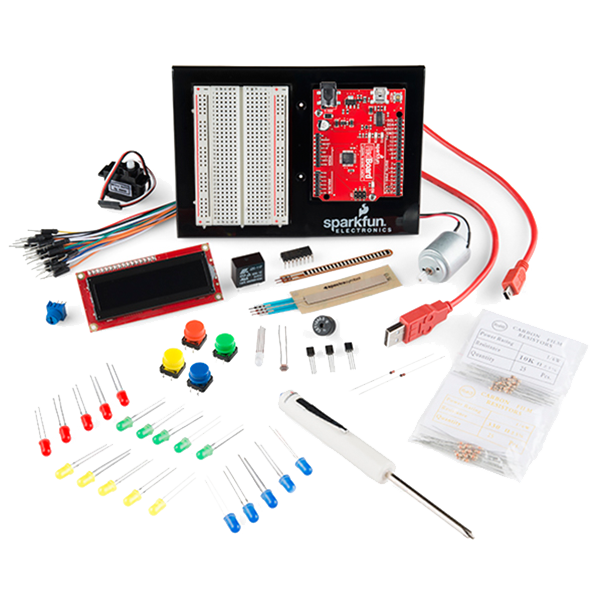 SparkFun Inventor's Kit - V3.21 kit
Alatan diperlukan:
 Komputer dengan Arduino IDE
Hardware Hookup
Hardware Hookup
Wiring Instructions
- Place the piezo buzzer in the breadboard. It has two pins — one marked with "+".
- Connect the positive pin (+) to Arduino Digital Pin 9 (PWM).
- Connect the negative pin to GND.
Tip: If the buzzer doesn't fit easily, try rotating it slightly to align with diagonal breadboard holes.
Bahan untuk langkah ini:
 Loceng piezo1 keping
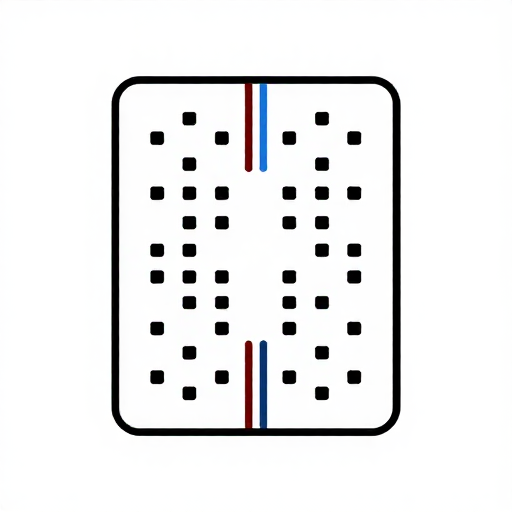 Papan Roti1 keping
 Wayar Pelompat2 keping
Arduino Code
Arduino Code
Open the Arduino IDE and upload the following sketch to your Arduino board.
Bahan untuk langkah ini:
 Arduino Uno R31 keping
Alatan diperlukan:
Komputer dengan Arduino IDETest & Experiment
Test & Experiment
What You Should See
You won't see anything — but you'll hear a melody playing from the buzzer! The song plays once and stops.
Troubleshooting
- No sound: The buzzer pins are easy to misplace on the breadboard. Double-check placement and make sure both pins have good contact.
- Want it to stop: Pull the buzzer out while working on other things, plug it back in to test.
Experiments to Try
- Remove the
while(true){}line to make the song loop continuously. - Write your own melody by changing the
notes[]andbeats[]arrays. - Add more notes by expanding the
frequency()function with sharps and flats. - Use a button (from Circuit 5) to trigger the melody on demand.
Bahan
5- SparkFun Inventor's Kit - V3.210% komisen1 kit$105.84
- Pemegang Tempat
- Pemegang Tempat
- Pemegang Tempat
- 1 kepingPemegang Tempat
Alatan Diperlukan
1- Pemegang Tempat
CC0 Domain Awam
Blueprint ini dikeluarkan di bawah CC0. Anda bebas menyalin, mengubah, mengedar, dan menggunakan karya ini untuk sebarang tujuan, tanpa meminta kebenaran.
Sokong Pembuat dengan membeli produk melalui Blueprint mereka di mana mereka memperoleh Komisen Pembuat ditetapkan oleh Penjual, atau cipta iterasi baru Blueprint ini dan sertakan ia sebagai sambungan dalam Blueprint anda sendiri untuk berkongsi hasil.