SENI
KECANTIKAN & KESEJAHTERAAN
KRAFTANGAN
BUDAYA & SEJARAH
HIBURAN
ALAM SEKITAR
MAKANAN & MINUMAN
KEJURUTERAAN TERBALIK
SAINS
SUKAN
TEKNOLOGI
BOLEH PAKAI
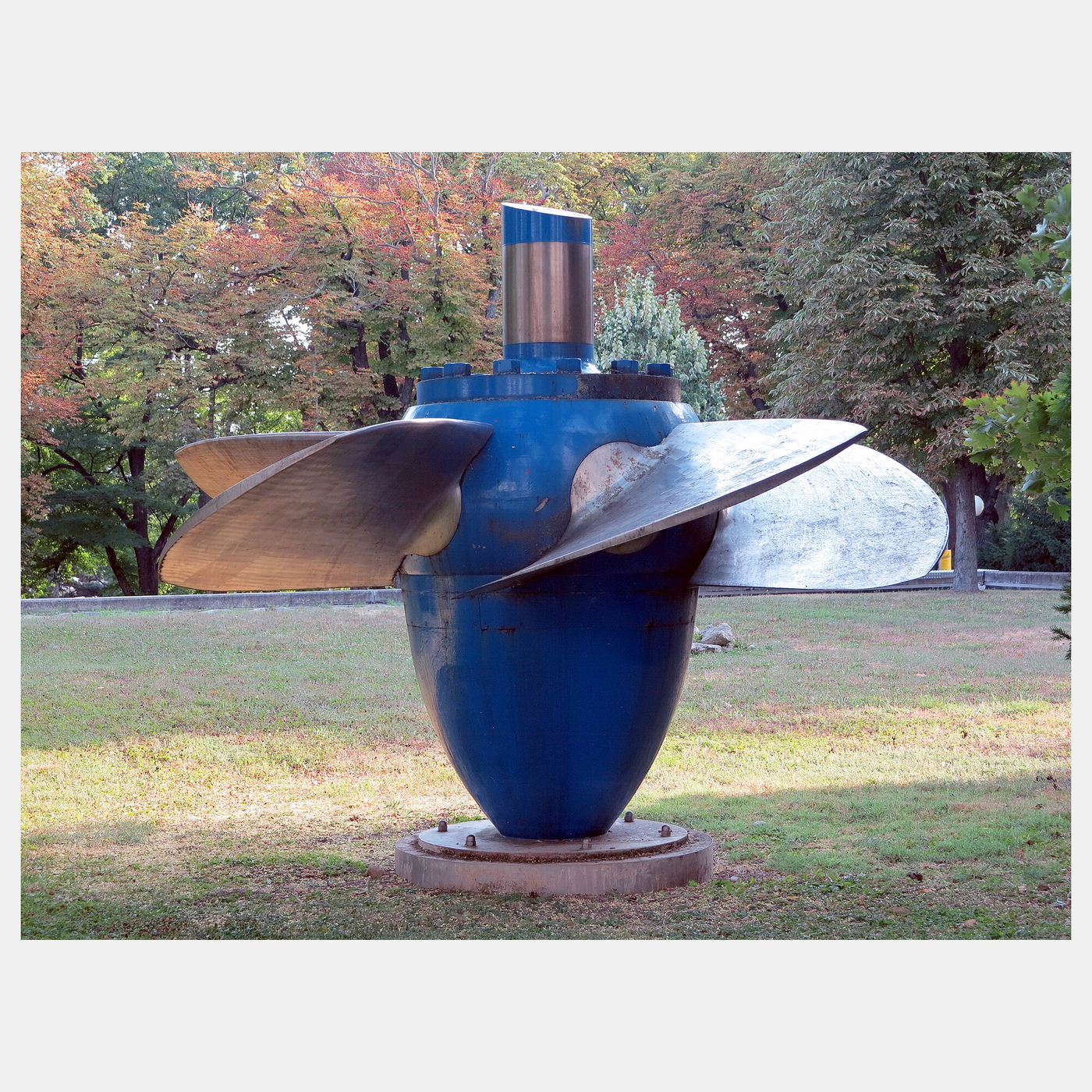


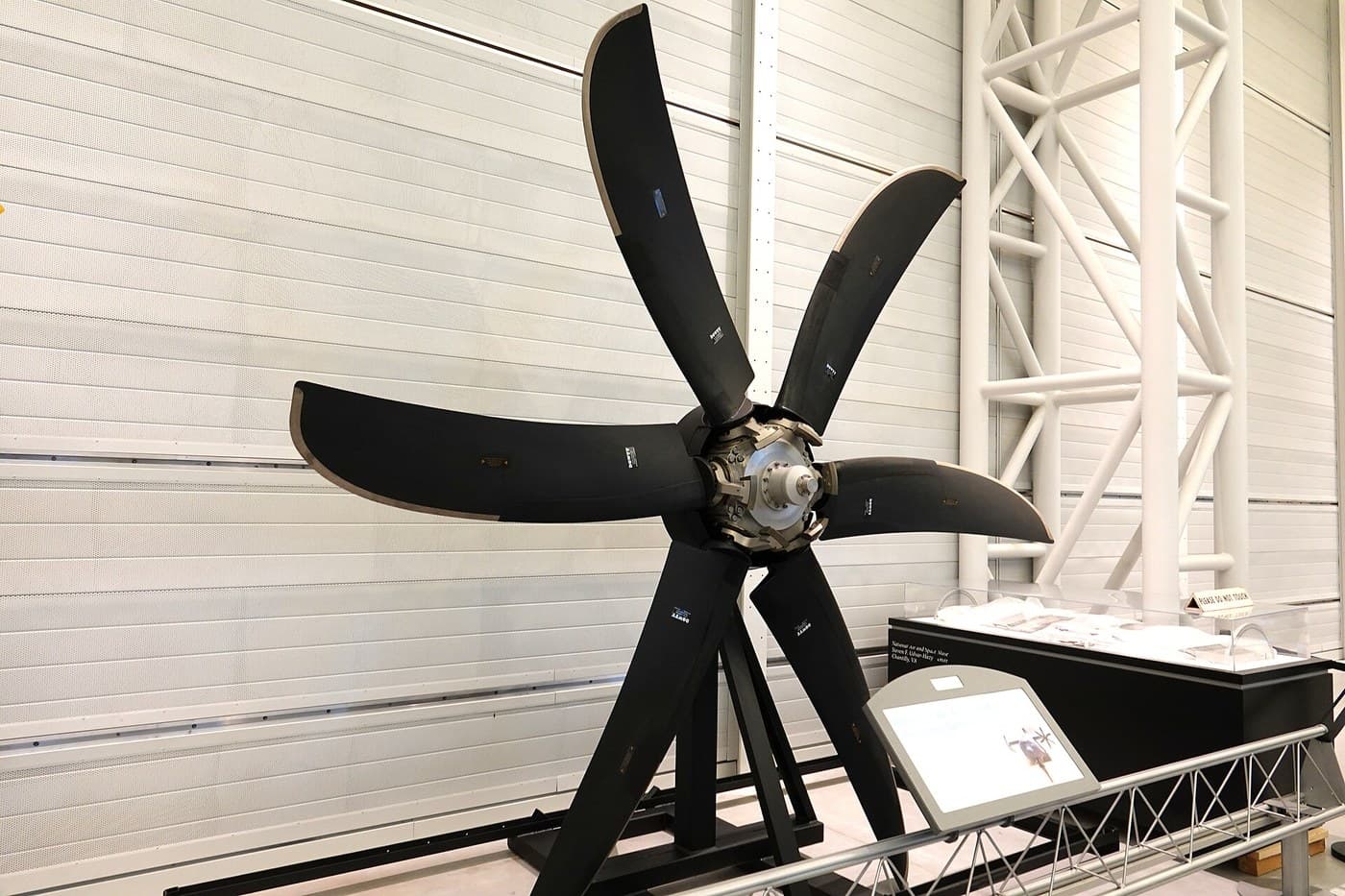
The Kaplan Turbine: A Propeller in a Pipe, With Blades That Turn
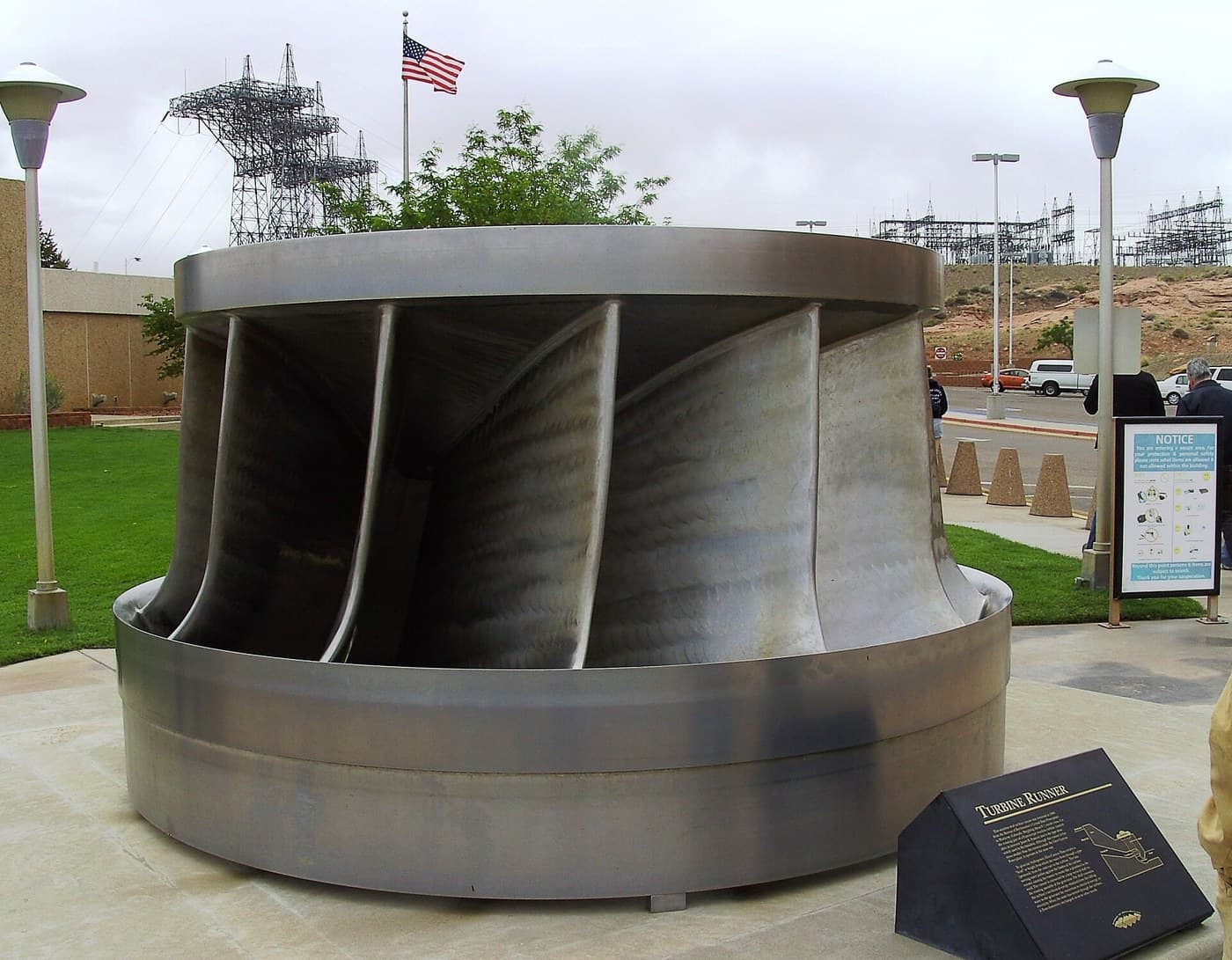
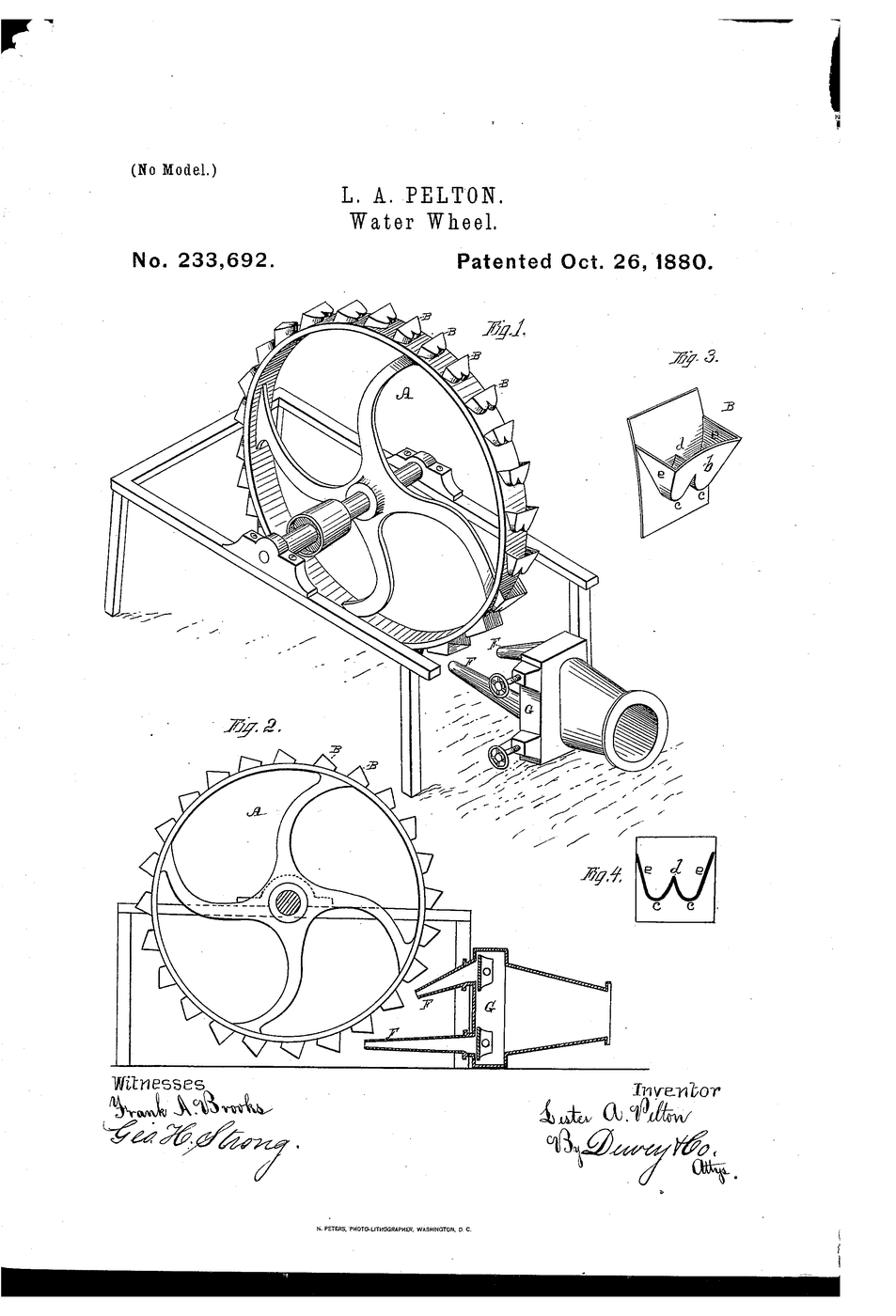
The Pelton wheel suits high heads and small flows, the Francis turbine the middle. At low heads — a river weir, a tidal barrage, a few metres of fall — the water must pass in enormous volume, and the right runner is a propeller in a pipe.
A fixed propeller only works well at one flow. Viktor Kaplan, in Brno, made the blades turn in the hub, patented in Austria from 1912–13, so that the blade angle follows the flow and the efficiency stays high as the river rises and falls. The first commercial installation ran in 1918.
This rung works out why the blades must turn, and builds a small pipe turbine whose blade pitch you can set.
Pertengahan
About 5 hours
Arahan
1
1
Why the blades must turn
Why the blades must turn
Memuatkan buku nota Jupyter…
2
2
Build a pipe turbine with settable blades
Build a pipe turbine with settable blades
Print a four-bladed runner 70 mm across whose blades are separate parts, each on a short pin in the hub, with a set screw so each blade's angle can be fixed at 15°, 25° or 35°. The runner fits inside a 75 mm PVC pipe on a shaft carried by a printed spider bearing, and drives a hobby motor used as a generator, sealed outside the pipe through an O-ring gland.
Upstream of the runner, fit a ring of fixed guide vanes printed to give the water a little swirl — the wicket gate of a real Kaplan.
Bahan untuk langkah ini:
 Paip PVC1 keping
 Set Penyambung Paip PVC1 set
 Filamen PETG120 g
 Motor bergear1 keping
 Set Gelang O1 kit
 Bar keluli mentah1 keping
 Pengedap Silikon1 keping
Alatan diperlukan:
 Pencetak 3D filamen (FDM)
 Pemotong paip
 Set kunci L
 Angkup Digital 6 Inci
3
3
Find the best blade angle at two flows
Find the best blade angle at two flows
Feed the pipe from the submersible pump in a bucket, with a ball valve to set the flow; time a measuring jug at the outlet to know the flow. Load the generator with a 330 Ω resistor and read the voltage; power is V² ÷ R.
At full flow, try each blade angle and note the power. Then close the valve to about half flow and try each again. The best angle at half flow is flatter than at full flow — exactly what a Kaplan runner's blade-turning gear does automatically.
Bahan untuk langkah ini:
 Air20 liter
 Injap bebola loyang1 keping
 Perintang 330 ohm1 keping
Alatan diperlukan:
 Pam air rendam
 Baldi
 Jag penyukat
 Jam Randik
 Multimeter
 Takometer Digital
4
4
History and context
History and context
**Viktor Kaplan**, professor at the German Technical University in Brno, patented the propeller turbine with adjustable runner blades in Austria in 1912–13; the first installation went into service in 1918. His US patent number is not asserted here — it could not be read from a primary source — and the mechanism is fully documented.
Kaplan turbines and their fixed-blade relatives run most low-head hydro plants, and the bulb turbine — a Kaplan runner with the generator in a pod inside the water passage — runs tidal barrages.
**Honest limits.** At low head the machine is large and slow for its power. Kaplan runners are prone to cavitation (the NPSH problem of the centrifugal pump rung, in reverse). And the blade-turning mechanism inside the hub must stay watertight for decades.
Bahan
10- 1 kepingPemegang Tempat
- Pemegang Tempat
- 120 gPemegang Tempat
- Pemegang Tempat
- 1 kitPemegang Tempat
- 1 kepingPemegang Tempat
- 1 kepingPemegang Tempat
- 20 literPemegang Tempat
- 1 kepingPemegang Tempat
- 1 kepingPemegang Tempat
Alatan Diperlukan
10- Pemegang Tempat
- Pemotong paip10% komisenPemegang Tempat
- Pemegang Tempat
- Pemegang Tempat
- Pemegang Tempat
- Pemegang Tempat
- Pemegang Tempat
- Pemegang Tempat
- Pemegang Tempat
- Pemegang Tempat
Blueprint berkaitan
Blueprint ini berkongsi pengetahuan — teknik, bahan atau prinsip

CC0 Domain Awam
Blueprint ini dikeluarkan di bawah CC0. Anda bebas menyalin, mengubah, mengedar, dan menggunakan karya ini untuk sebarang tujuan, tanpa meminta kebenaran.
Sokong Pembuat dengan membeli produk melalui Blueprint mereka di mana mereka memperoleh Komisen Pembuat ditetapkan oleh Penjual, atau cipta iterasi baru Blueprint ini dan sertakan ia sebagai sambungan dalam Blueprint anda sendiri untuk berkongsi hasil.