SENI
KECANTIKAN & KESEJAHTERAAN
KRAFTANGAN
BUDAYA & SEJARAH
HIBURAN
ALAM SEKITAR
MAKANAN & MINUMAN
KEJURUTERAAN TERBALIK
SAINS
SUKAN
TEKNOLOGI
BOLEH PAKAI
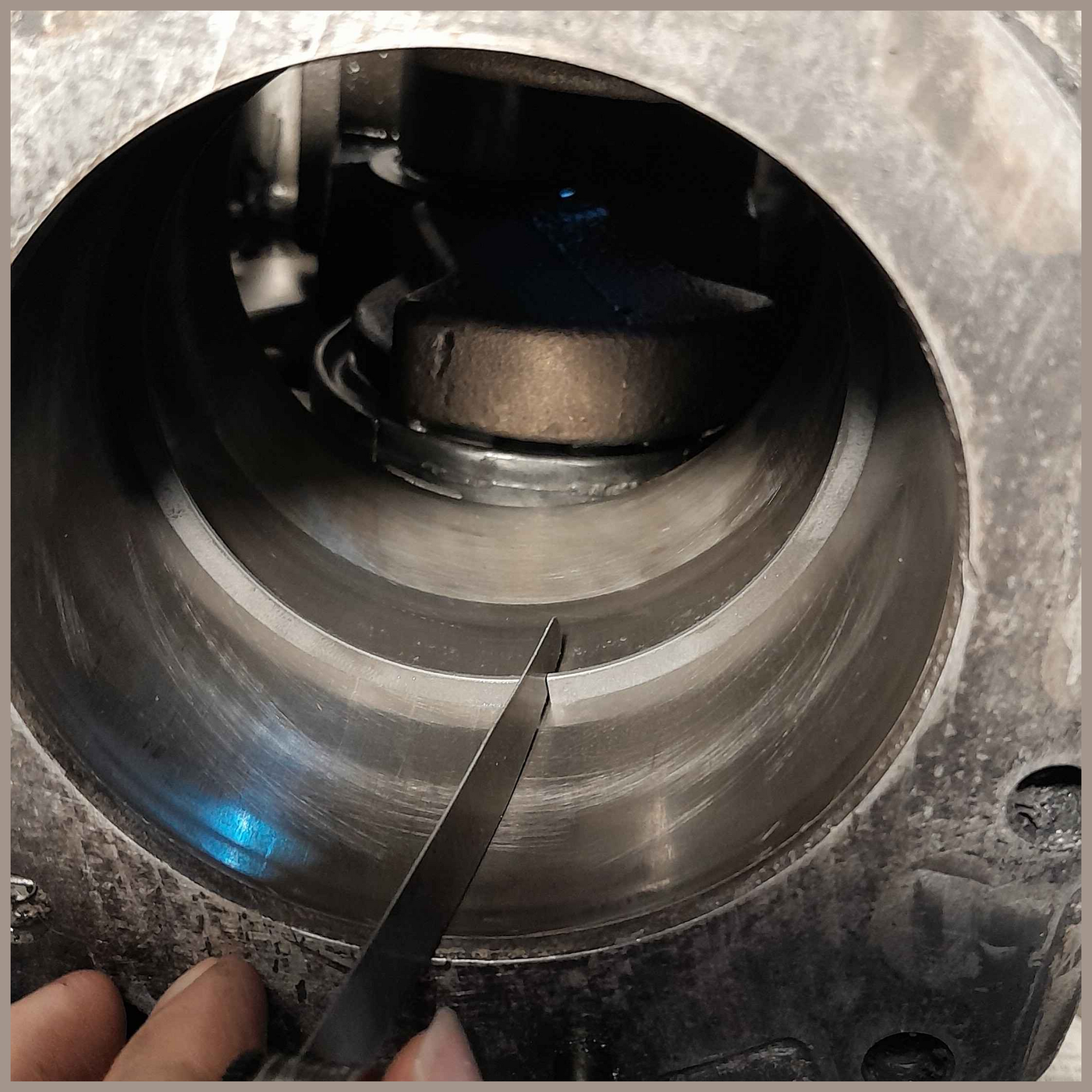

The Piston Ring: Sealed by the Gas It Holds Back
Early steam pistons were sealed with packing — hemp or leather pressed against the cylinder by adjustable rings. In the 1850s John Ramsbottom, locomotive superintendent of the London and North Western Railway, replaced it with a thin split ring of iron sprung into a groove round the piston. It is still how every piston in every engine is sealed.
The ring's own spring presses it lightly against the wall. The gas it is holding back gets into the groove behind it and presses it far harder — so the higher the pressure, the tighter the seal. Its one enemy is heat: the ring must have a gap so it does not jam when it grows.
This rung works out both effects and makes a split ring from a pipe to feel its spring.
Pemula
About 2 hours
Arahan
1
1
Gas loading and the end gap
Gas loading and the end gap
Memuatkan buku nota Jupyter…
2
2
Make a split ring and feel its spring
Make a split ring and feel its spring
Cut a 5 mm slice from a copper pipe slightly larger than a second, rigid tube that will be your 'bore'. Saw a 3 mm gap through the slice: that is the ring. It now springs open wider than the bore.
Squeeze it closed with your fingers and push it into the bore: it grips the wall all round. Hook the spring scale to it and pull it along the bore: the reading is the friction its spring alone produces.
Measure the gap with the feeler gauges when the ring is in the bore — that is how an engine builder checks a real ring: square in the bore, gap measured, compared with the specification.
Bahan untuk langkah ini:
 Tiub tembaga0.1 meter
Alatan diperlukan:
 Pemotong tiub
 Set tolok sesat
 Meter Daya (Neraca Spring)
 Angkup Digital 6 Inci
3
3
History and context
History and context
**John Ramsbottom**, of the London and North Western Railway, introduced the narrow split cast-iron piston ring for locomotive pistons in the 1850s; 'Ramsbottom rings' replaced adjustable packing. No patent number is asserted here.
Modern pistons carry a stack: a top compression ring, a second ring that scrapes and seals, and an oil-control ring that wipes oil back down.
**Honest limits.** A ring seals least well at low pressure and at the moment the piston reverses; it wears, and the cylinder wears with it; and a stuck or broken ring lets gas past into the crankcase ('blow-by') and oil up into the combustion chamber.
Bahan
1- 0.1 meterPemegang Tempat
Alatan Diperlukan
4- Pemegang Tempat
- Pemegang Tempat
- Pemegang Tempat
- Pemegang Tempat
Blueprint berkaitan
Blueprint ini berkongsi pengetahuan — teknik, bahan atau prinsip
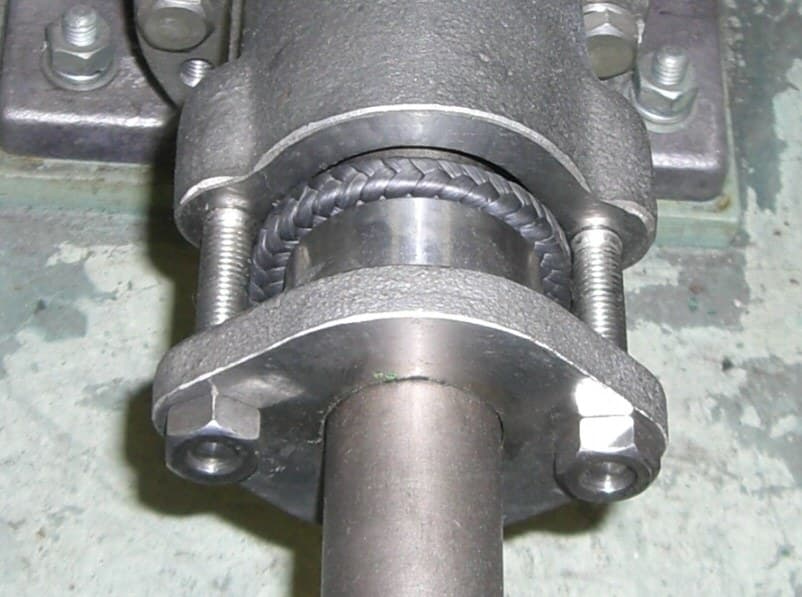
Packing Gland
oleh Forge
KRAFTANGAN
56
0
0
0
0
0
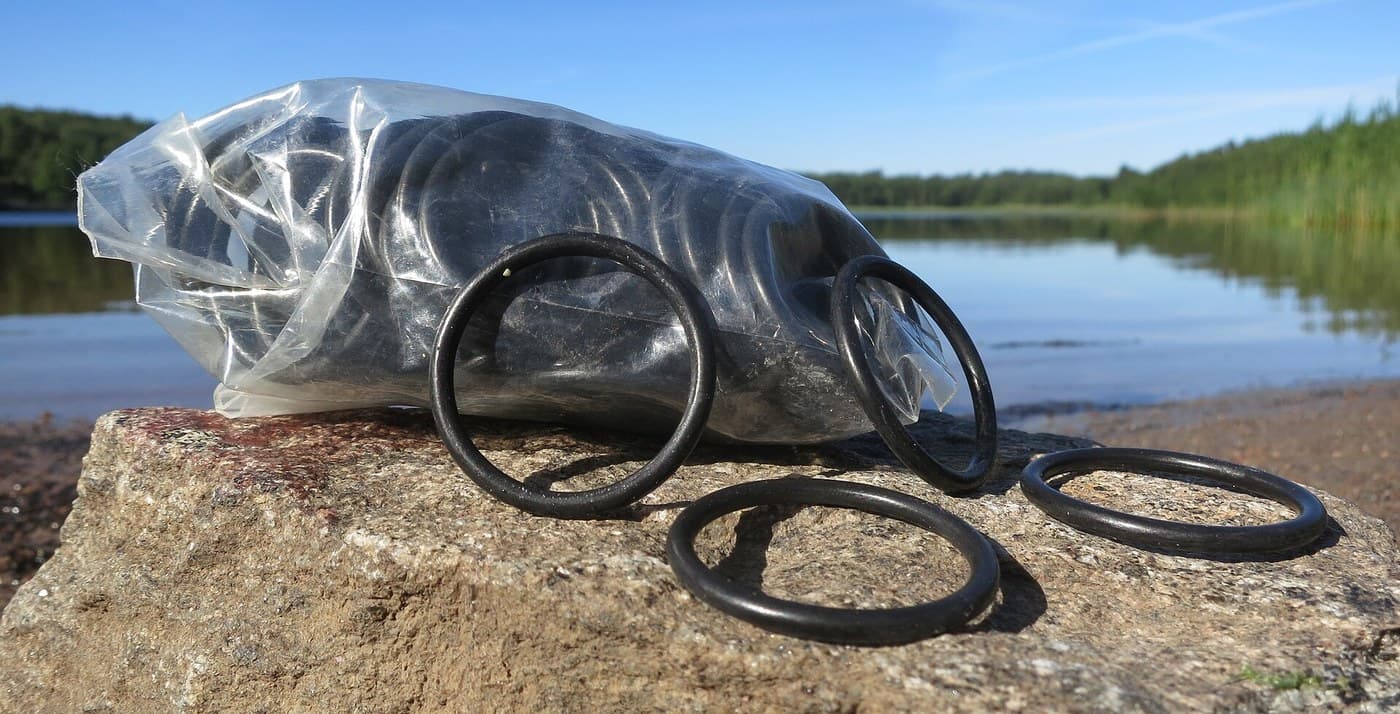
O-Ring Seal
oleh Mary
Kerja Logam
52
0
0
0
0
0
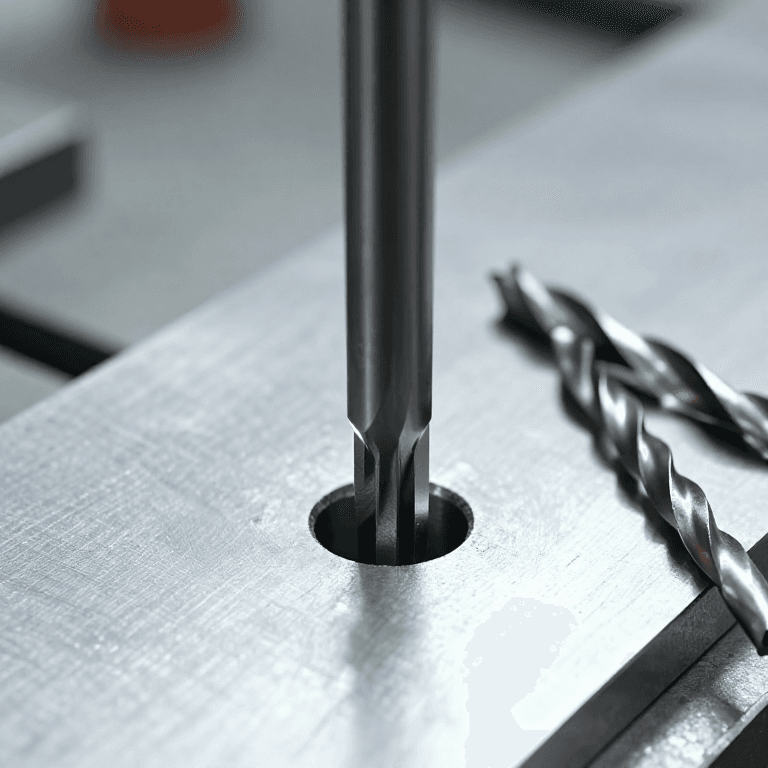
Drilling, Boring and Reaming: Three Tools, Three Different Jobs
oleh Emma
Kerja Logam
52
0
0
0
0
0
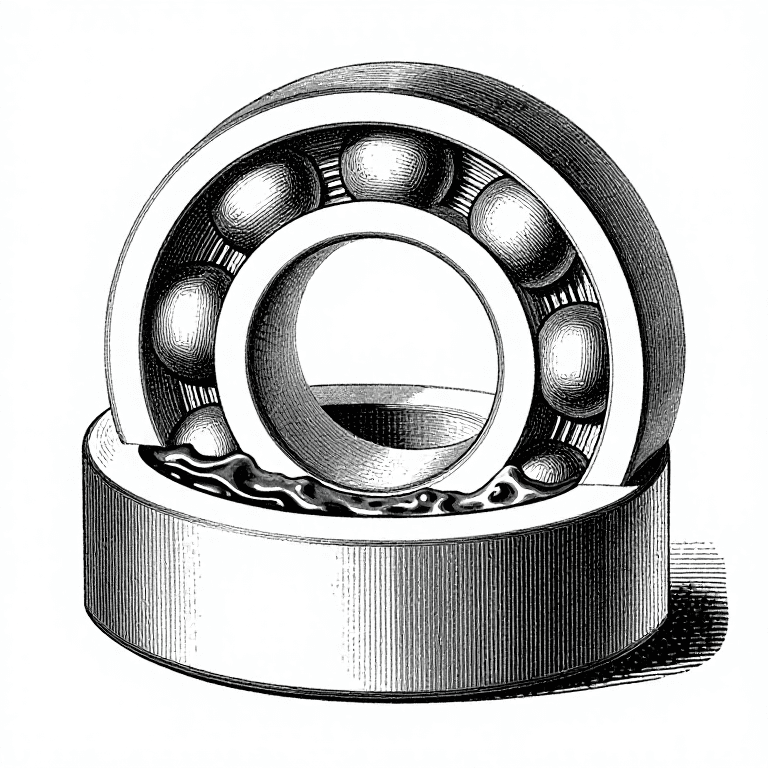
Lubrication: The Film Does the Work, and More Grease Is Not More Lubrication
oleh Martin
Kejuruteraan
44
0
0
0
0
0
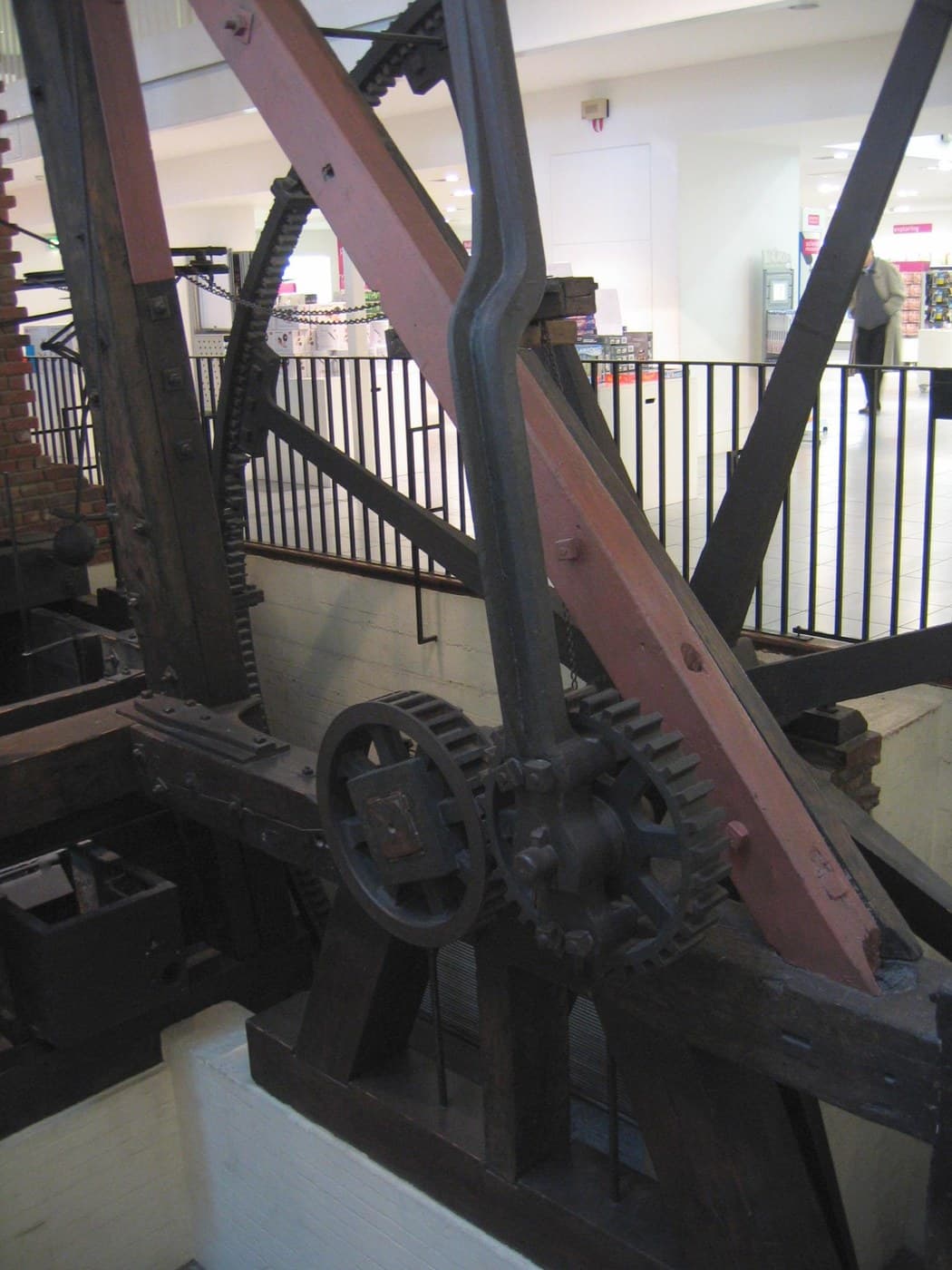
Rotative Beam Engine
oleh Martin
TEKNOLOGI
42
0
0
0
1
0
CC0 Domain Awam
Blueprint ini dikeluarkan di bawah CC0. Anda bebas menyalin, mengubah, mengedar, dan menggunakan karya ini untuk sebarang tujuan, tanpa meminta kebenaran.
Sokong Pembuat dengan membeli produk melalui Blueprint mereka di mana mereka memperoleh Komisen Pembuat ditetapkan oleh Penjual, atau cipta iterasi baru Blueprint ini dan sertakan ia sebagai sambungan dalam Blueprint anda sendiri untuk berkongsi hasil.