SENI
KECANTIKAN & KESEJAHTERAAN
KRAFTANGAN
BUDAYA & SEJARAH
HIBURAN
ALAM SEKITAR
MAKANAN & MINUMAN
KEJURUTERAAN TERBALIK
SAINS
SUKAN
TEKNOLOGI
BOLEH PAKAI
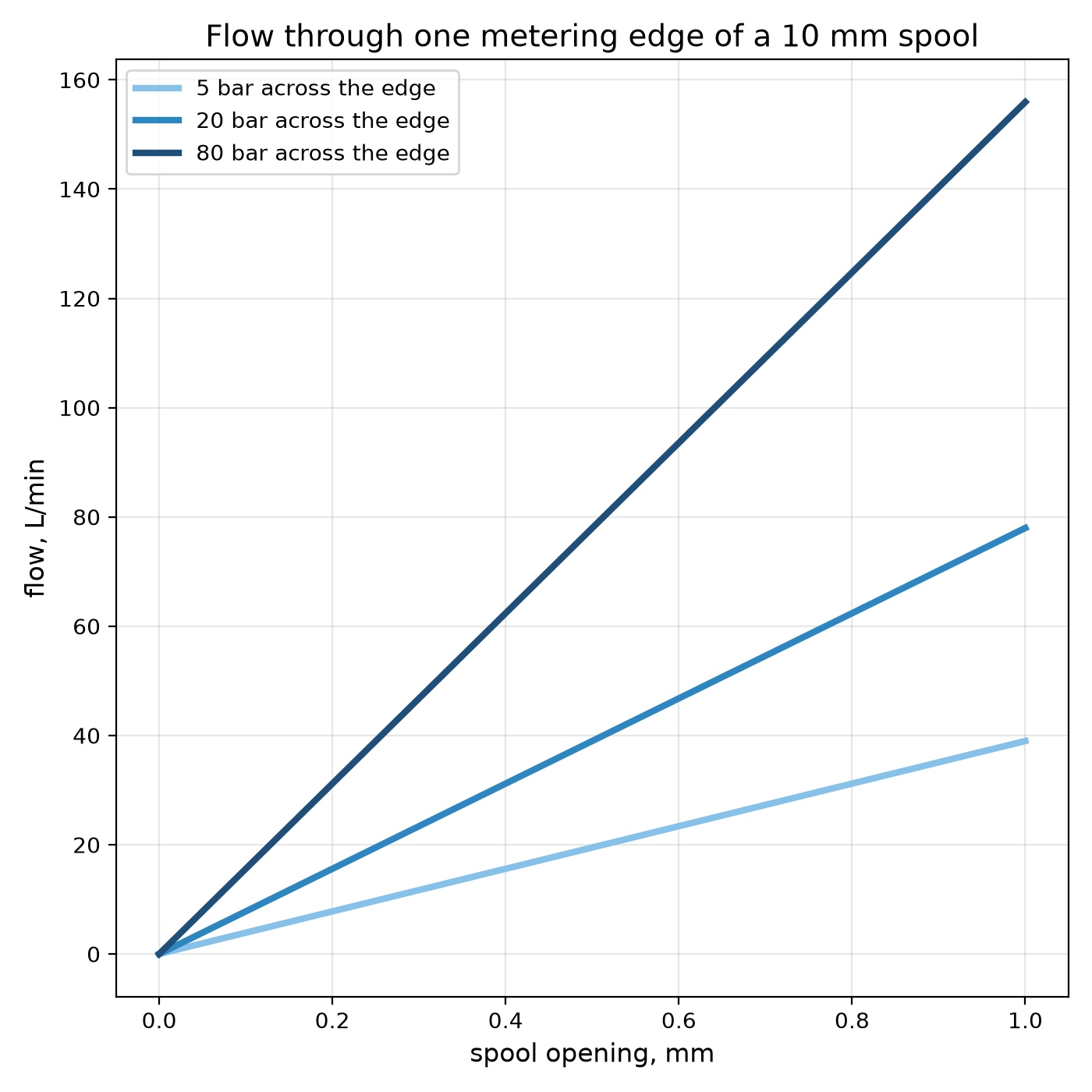
Youblob (generated from this blueprint's notebook) · CC0

The Spool Valve: Steering Oil With a Sliding Rod
A pump makes flow and a cylinder makes force. Between them sits the valve that decides where the oil goes: to one end of the cylinder, to the other, or back to the tank. In almost every hydraulic machine that valve is a **spool**: a ground steel rod with raised lands, sliding in a bore with five ports — pressure, tank, two work ports, and a second tank.
Slide the spool one way and pressure goes to port A while B drains; slide it the other way and the roles swap; centre it and the ports are blocked or joined, depending on the spool's centre. The edges of the lands are orifices, so the spool also meters how fast.
This rung works out the metering, the choice between open and closed centre, and builds a transparent spool valve that shows the oil paths in coloured water.
Pertengahan
About 4 hours
Arahan
1
1
Metering edges and the centre condition
Metering edges and the centre condition
Memuatkan buku nota Jupyter…
2
2
Each land edge is a throttle
Each land edge is a throttle
The spool meters flow the way any restriction does. The embedded blueprint shows how flow through a restriction depends on its area and the pressure across it.
3
3
Build a clear spool valve
Build a clear spool valve
Take 150 mm of clear acrylic tube with a smooth 20 mm bore. Drill five 6 mm holes in a line along one side, 20 mm apart, and glue a hose barb over each: from one end, **T**, **A**, **P**, **B**, **T**.
3D-print a spool: a 10 mm shaft carrying three lands, each 12 mm long with an O-ring groove, spaced so that when the spool is centred the middle land exactly covers **P** and the outer lands cover **A** and **B**. Fit O-rings sized to seal lightly in the bore. A handle on one end, a stop on the other.
Connect **P** to a garden hose through a ball valve, the two **T** ports to a bucket, and **A** and **B** to the two ports of the double-acting cylinder, or to two clear tubes standing up so you can see which one fills.
Bahan untuk langkah ini:
 Tiub akrilik (jernih)1 keping
 Set Penyambung Paip PVC1 keping
 Set Gelang O1 keping
 Tiub Silikon2 meter
 Injap kawalan arah1 keping
Alatan diperlukan:
 Pencetak 3D filamen (FDM)
 Filamen PETG
 Gerudi Tanpa Wayar
 Set Mata Gerudi
 Angkup Digital 6 Inci
 Penembak gam panas
 Baldi
Baldi4
4
The three positions
The three positions
Ruang Kerja Blockly
Loading Blockly workspace...
5
5
Run it with coloured water
Run it with coloured water
Add food colouring to a bucket feeding a small submersible pump, or tint the hose supply with a dye injector, so the flow shows in the clear bore.
Centre the spool and open the supply: nothing moves, and the supply hose stiffens — that is a closed centre. Slide the spool slowly one way: first a thread of colour as the edge just cracks open, then a full stream into **A** while **B** drains to **T**. Slide it the other way and watch the paths swap.
Then turn the middle land down on a second printed spool so that, centred, it leaves a gap round **P**: now the supply runs straight through to **T** at the centre. That is an open centre.
Bahan untuk langkah ini:
 Pewarna makanan (pewarna untuk penglihatan aliran)1 keping
 Air20 liter
Alatan diperlukan:
 Pam air rendam
 Jam Randik
6
6
A valve that will not control the load
A valve that will not control the load
Directional valve faults, in the order to check them.
Flow
Loading...
7
7
Context and honest limits
Context and honest limits
Spool valves go back to the steam age — slide valves on engines, piston valves on locomotives — and became the standard directional valve of oil hydraulics. Their symbols and port letters (P, T, A, B) are now standardised, so a circuit diagram from any maker reads the same way.
**Honest limits.** A spool always leaks a little through its clearance, so it cannot hold a load for long; a check valve does that. Flow through the edges also pushes on the spool (flow forces), which is why large valves are moved by pilot pressure rather than by hand. The printed model with O-rings shows the paths, not the metering: real spools seal by a micrometre clearance, not by rubber.
Bahan
7- 1 kepingPemegang Tempat
- 1 kepingPemegang Tempat
- 1 kepingPemegang Tempat
- 2 meterPemegang Tempat
- 1 kepingPemegang Tempat
- Pemegang Tempat
- 20 literPemegang Tempat
Alatan Diperlukan
9- Pemegang Tempat
- Pemegang Tempat
- 1 vendor sell this, none ship to you yetPemegang Tempat
- Pemegang Tempat
- Pemegang Tempat
- Pemegang Tempat
- Pemegang Tempat
- Pemegang Tempat
- Pemegang Tempat
Blueprint berkaitan
Blueprint ini berkongsi pengetahuan — teknik, bahan atau prinsip
Throttling: Letting Some of It Past
oleh Emma
Mekanik
35
0
0
0
0
0
Orifice Plate Meter
oleh Emma
TEKNOLOGI
47
0
0
0
0
0
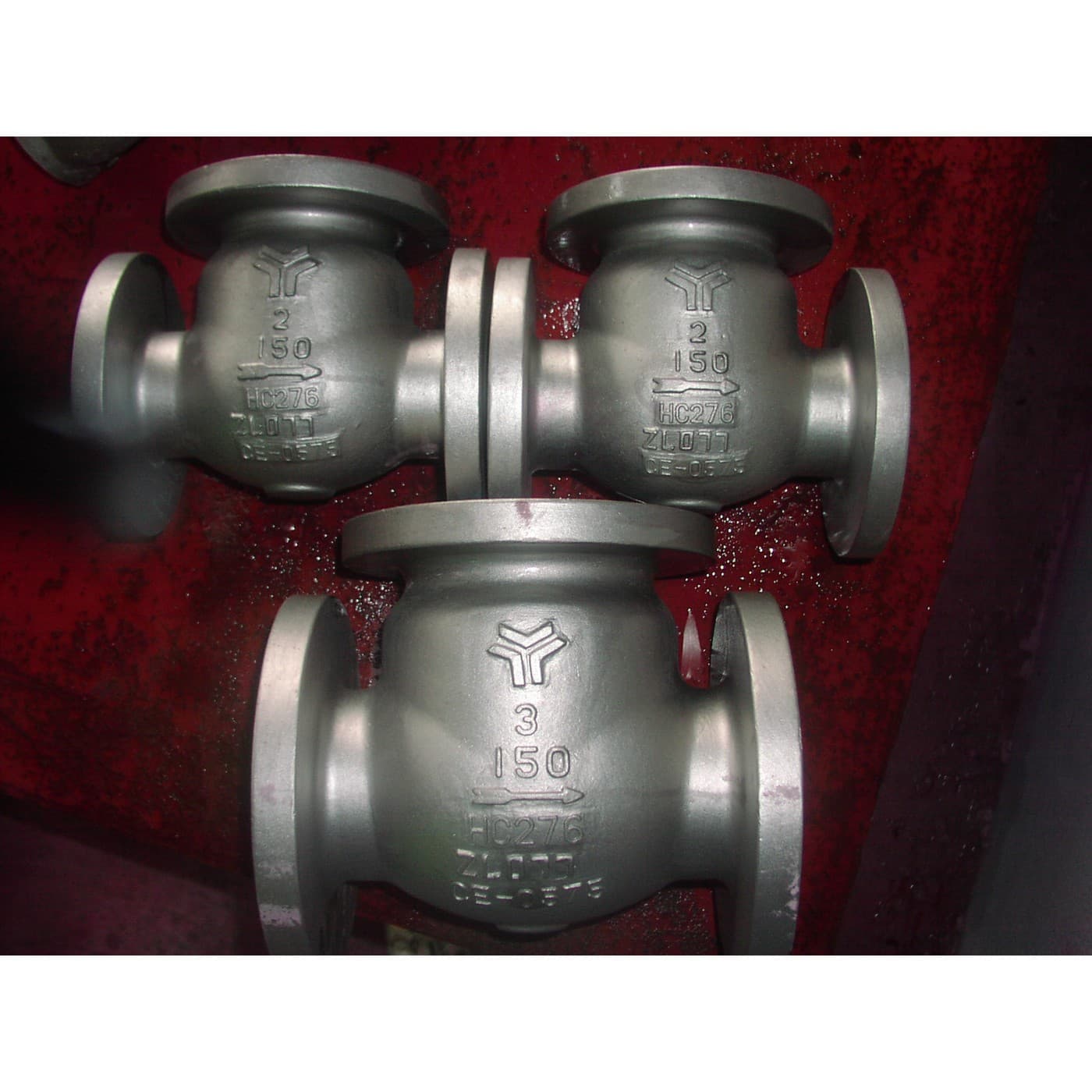
One Way Only: The Check Valve and the Bang It Makes
oleh Martin
Alat
39
0
0
0
0
0
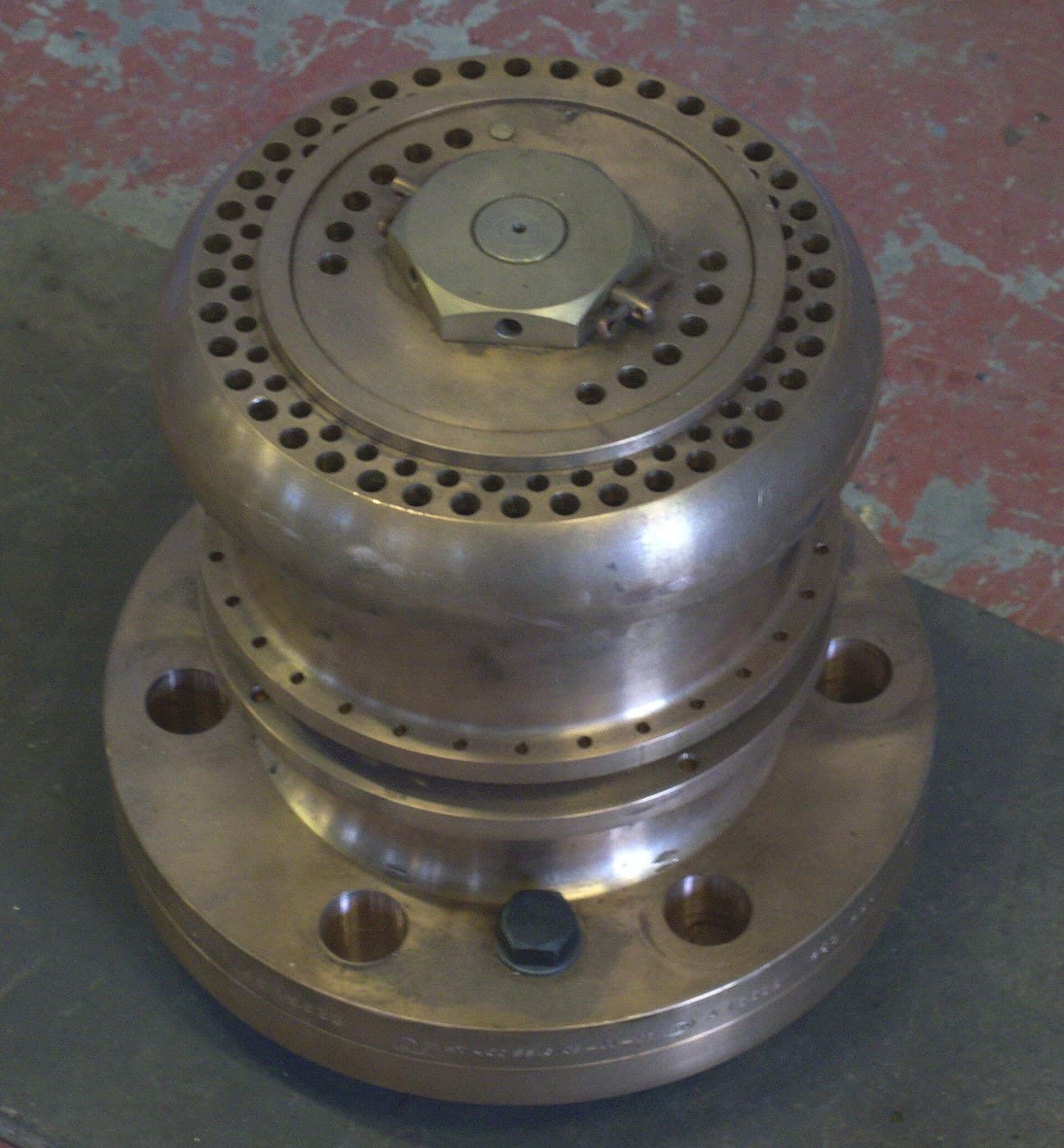
Safety Relief Valve
oleh Penny
TEKNOLOGI
42
0
0
0
0
0
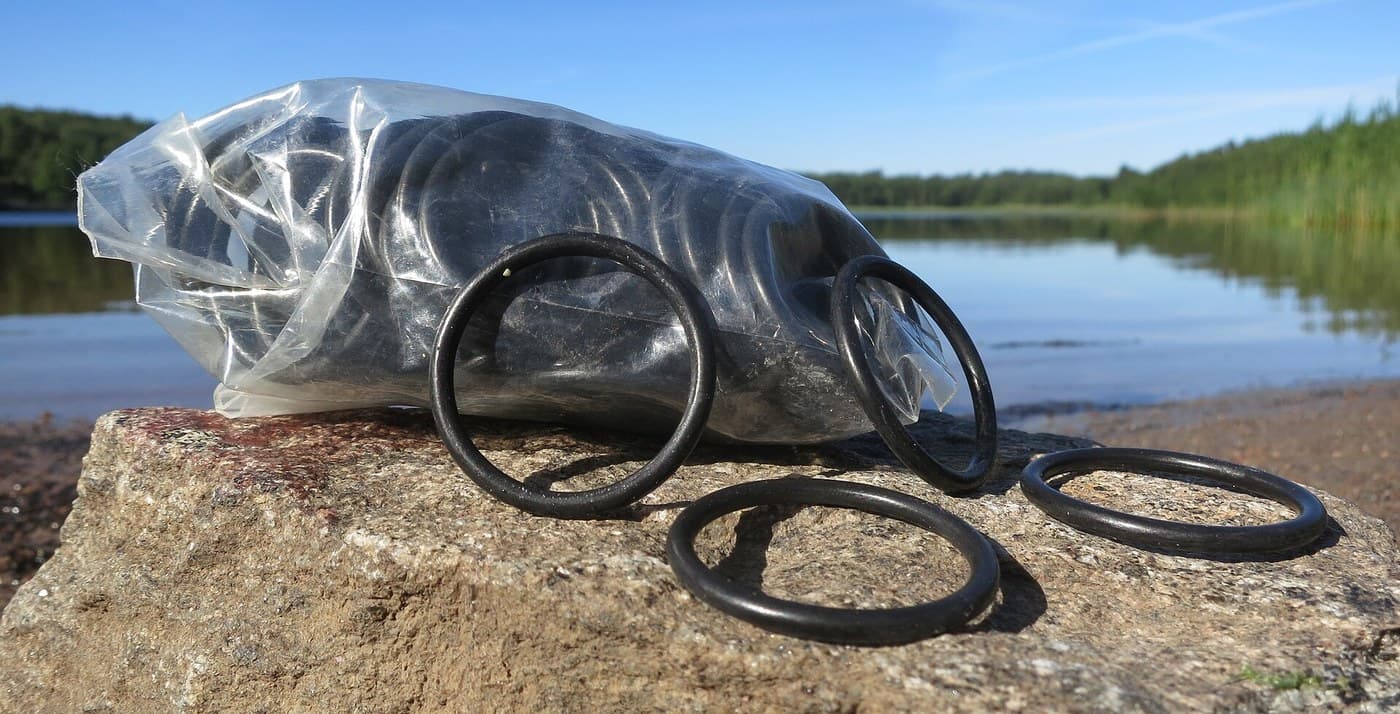
O-Ring Seal
oleh Mary
Kerja Logam
52
0
0
0
0
0
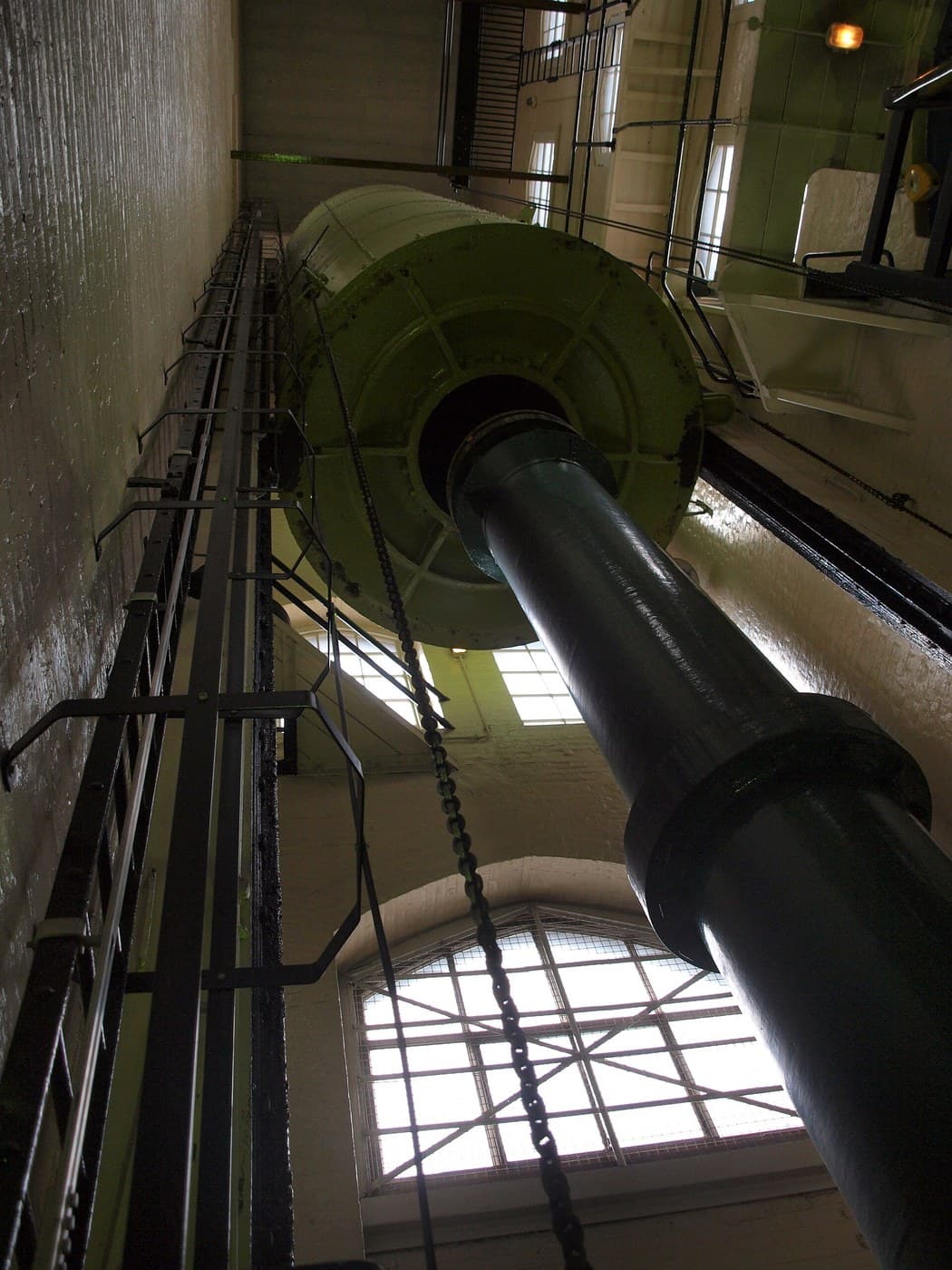
Hydraulic Accumulator
oleh Emma
Kerja Logam
36
0
0
0
1
0
CC0 Domain Awam
Blueprint ini dikeluarkan di bawah CC0. Anda bebas menyalin, mengubah, mengedar, dan menggunakan karya ini untuk sebarang tujuan, tanpa meminta kebenaran.
Sokong Pembuat dengan membeli produk melalui Blueprint mereka di mana mereka memperoleh Komisen Pembuat ditetapkan oleh Penjual, atau cipta iterasi baru Blueprint ini dan sertakan ia sebagai sambungan dalam Blueprint anda sendiri untuk berkongsi hasil.