

Making Paper from Wood Pulp — The Groundwood Process That Made Paper Cheap
For nearly two thousand years, paper was made from rags — worn-out linen and cotton beaten to pulp. It was good paper, but rags were scarce, and as literacy spread the world simply ran out of them. The answer, found in the 1840s, was to make paper from the most abundant fibre on Earth: wood.
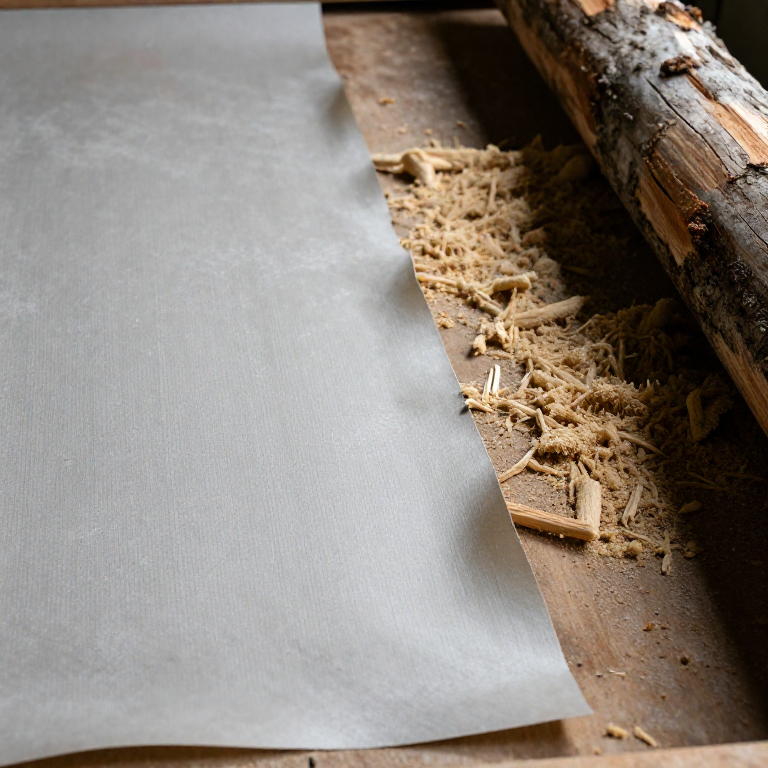
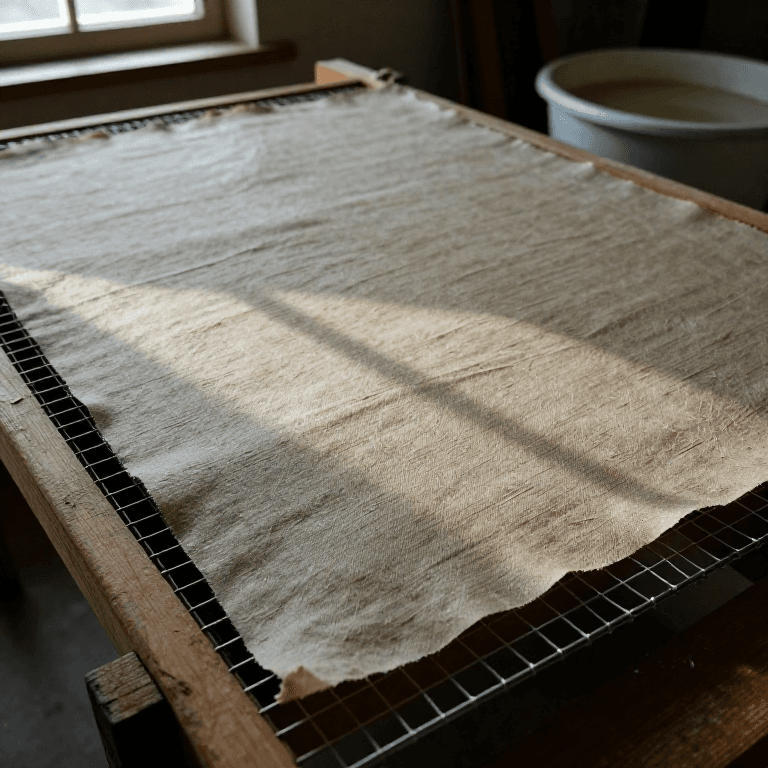
The simplest method is mechanical groundwood pulp. A log is pressed against a wet, spinning grindstone, which tears the wood into a slush of short fibres. Screened, refined, and matted on a wire, those fibres dry into paper. It is fast and cheap and turns a forest into newsprint — which is exactly what put a daily newspaper into every household.
Groundwood pulp keeps the wood's lignin, so the paper is weak and yellows with age, as old newspapers show. Removing the lignin by chemical pulping gives the white, durable paper of books — a more advanced step that built on this one. But it was cheap wood paper that truly democratised the printed word.
Arahan
Understand the shift to wood
Understand the shift to wood
Select softwood
Select softwood
Bahan untuk langkah ini:
 Balak kayu lembut5 kg
Debark the logs
Debark the logs
Alatan diperlukan:
 Pisau Tarik
Grind the wood to pulp
Grind the wood to pulp
Bahan untuk langkah ini:
 Air40 liter
Alatan diperlukan:
 Batu canai roda
Screen the pulp
Screen the pulp
Alatan diperlukan:
 Ayak 60 mesh
Refine the stock
Refine the stock
Add sizing and filler
Add sizing and filler
Bahan untuk langkah ini:
 Damar biola (premium, gelap)50 g
 Tawas (Kalium Alum)30 g
Form the sheet
Form the sheet
Alatan diperlukan:
 Bingkai kertas
Couch and press
Couch and press
Bahan untuk langkah ini:
 Kain kempa bulu2 keping
Alatan diperlukan:
 Penekan
Dry the sheets
Dry the sheets
Finish the paper
Finish the paper
Alatan diperlukan:
PenekanKnow its strength and weakness
Know its strength and weakness
Bahan
5- Pemegang Tempat
- 40 literPemegang Tempat
- Pemegang Tempat
- Pemegang Tempat
- 2 kepingPemegang Tempat
Alatan Diperlukan
5- Pemegang Tempat
- Pemegang Tempat
- Pemegang Tempat
- Pemegang Tempat
- Pemegang Tempat
Blueprint berkaitan
Blueprint ini berkongsi pengetahuan — teknik, bahan atau prinsip


CC0 Domain Awam
Blueprint ini dikeluarkan di bawah CC0. Anda bebas menyalin, mengubah, mengedar, dan menggunakan karya ini untuk sebarang tujuan, tanpa meminta kebenaran.
Sokong Pembuat dengan membeli produk melalui Blueprint mereka di mana mereka memperoleh Komisen Pembuat ditetapkan oleh Penjual, atau cipta iterasi baru Blueprint ini dan sertakan ia sebagai sambungan dalam Blueprint anda sendiri untuk berkongsi hasil.