IṢẸ́ ỌNÀ
ẸWÀ ÀTI ÌLERA
IṢẸ́ ỌWỌ́
ÀṢÀ ÀTI ÌTÀN
ÌṢERÉ
ÀYÍKÁ
OÚNJẸ ÀTI OHUN MÍMU
REVERSE ENGINEERING
SÁYẸ́ǸSÌ
ERÉ ÌDÁRAYÁ
ÌMỌ̀-Ẹ̀RỌ
ÀWỌN OHUN WÍWỌ̀
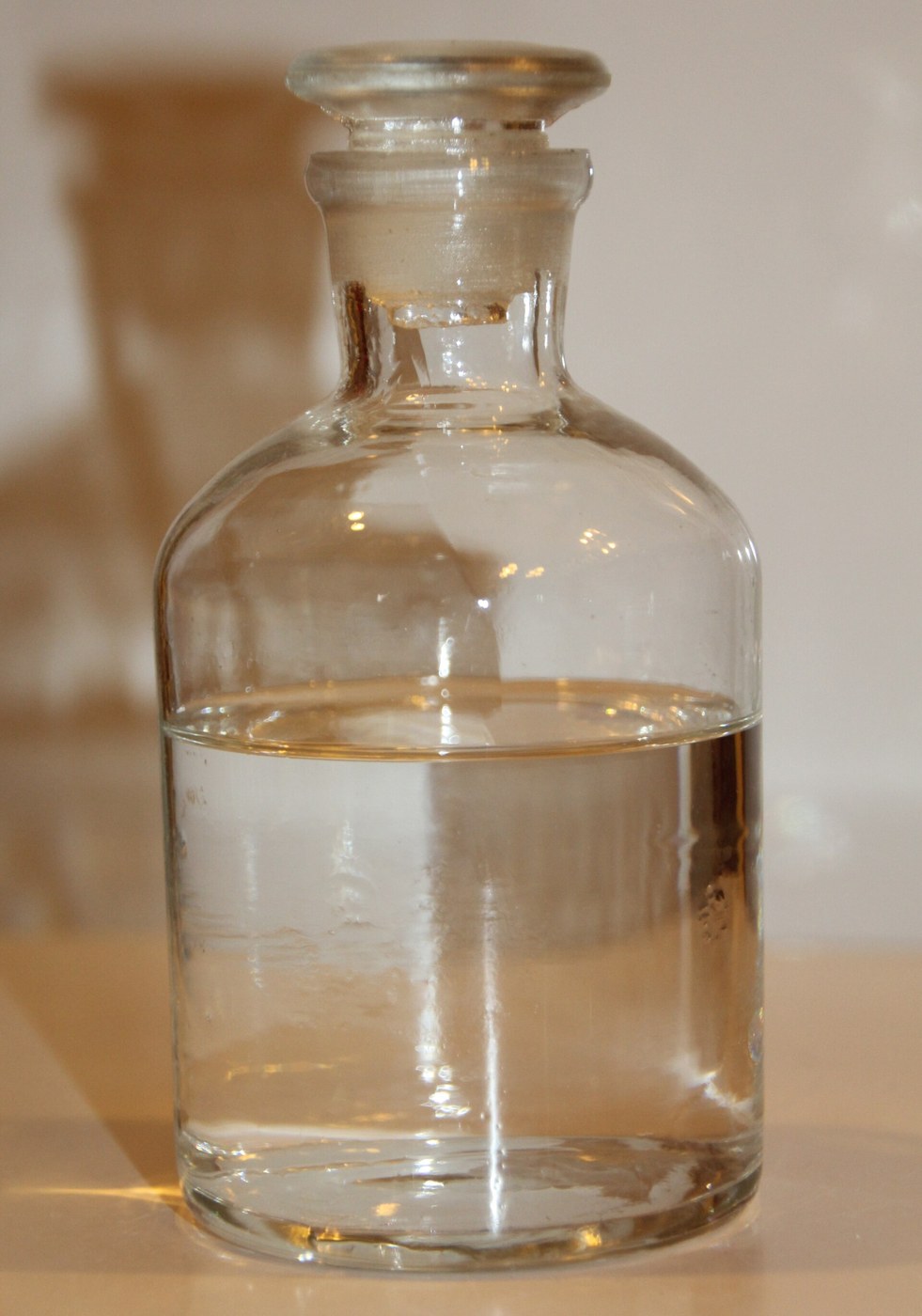


Acetone by Dry Distillation of Acetate of Lime
Before the cumene process, acetone was made from "acetate of lime", calcium acetate. Limestone (calcium carbonate) soaked in vinegar gives calcium acetate; when the dry salt is heated it breaks down into calcium carbonate and acetone: Ca(CH₃COO)₂ → CaCO₃ + (CH₃)₂CO. Charles Friedel reported this dry distillation in 1858, and until World War I it was the main commercial way to make acetone. The calcium carbonate is left behind in the retort and the acetone distils over.
Àárín
2–3 days
Ìlànà
1
1
Make calcium acetate
Make calcium acetate
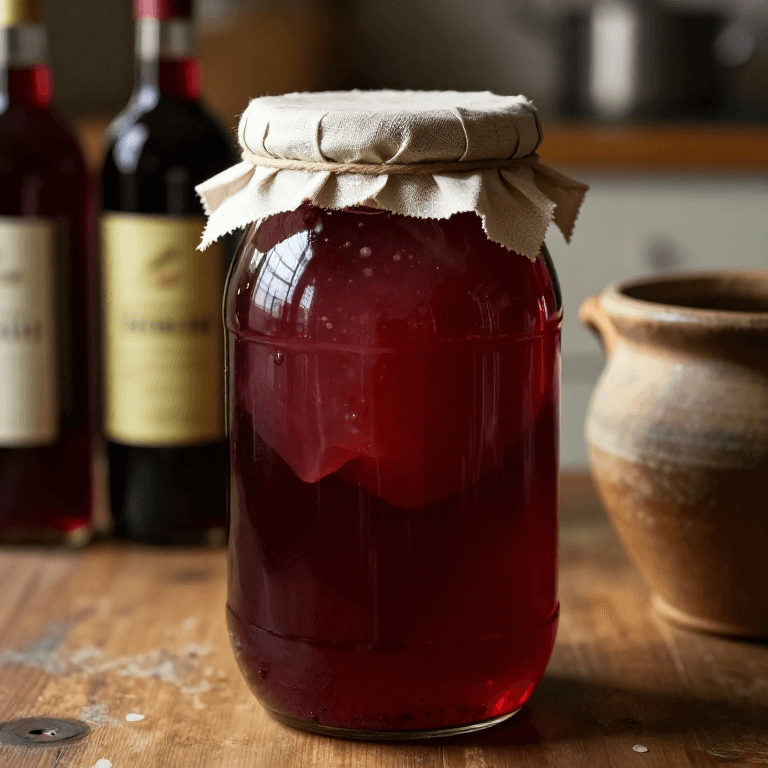
Soak crushed limestone in vinegar. The acetic acid dissolves the calcium carbonate as calcium acetate.
Àwọn ohun èlò fún ìgbésẹ̀ yìí:
 Kábónéètì Kalisiọ̀mù - Òkúta Ẹfun Fífọ́1 as required
 Ọtí kíkan1 as required
Àwọn irinṣẹ́ tí a nílò:
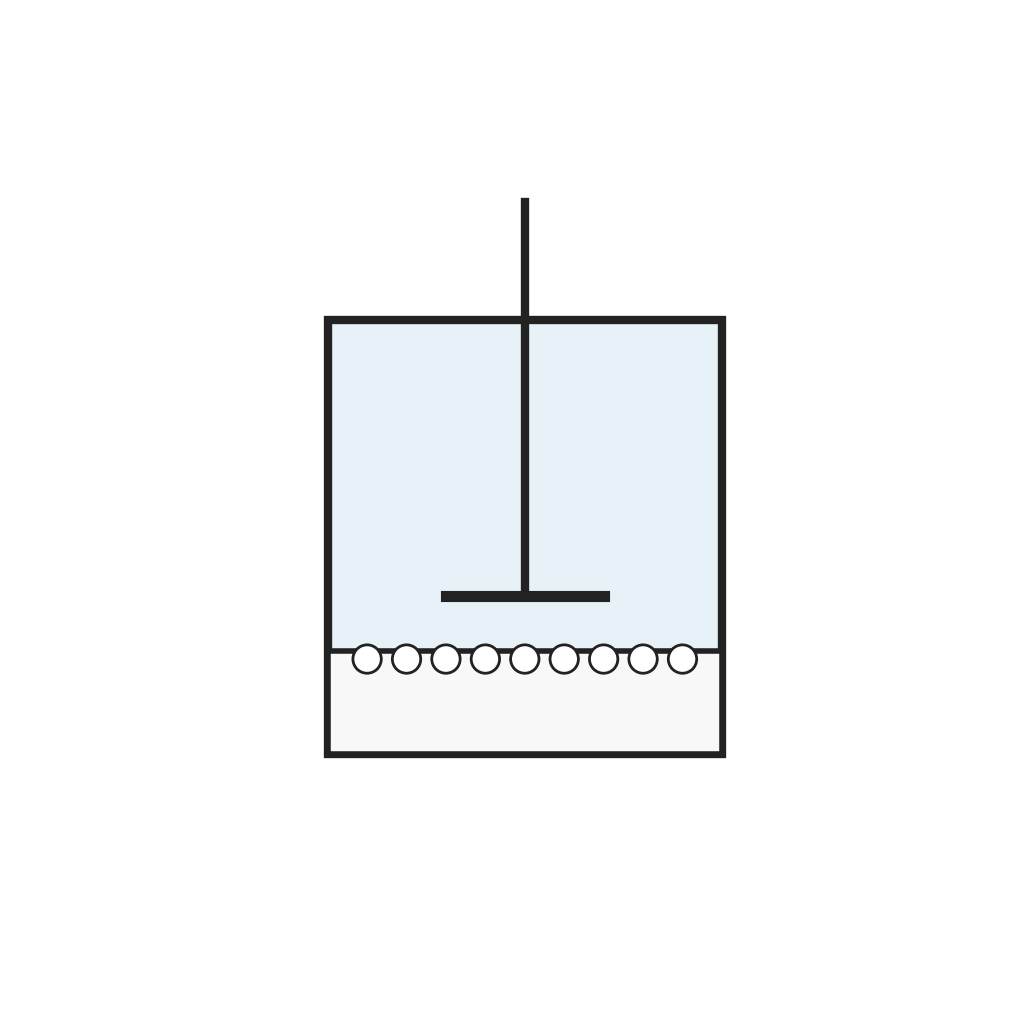 Agba ìdásí
2
2
Dry the salt
Dry the salt
Draw off the solution and evaporate the water to leave dry calcium acetate.
Àwọn irinṣẹ́ tí a nílò:
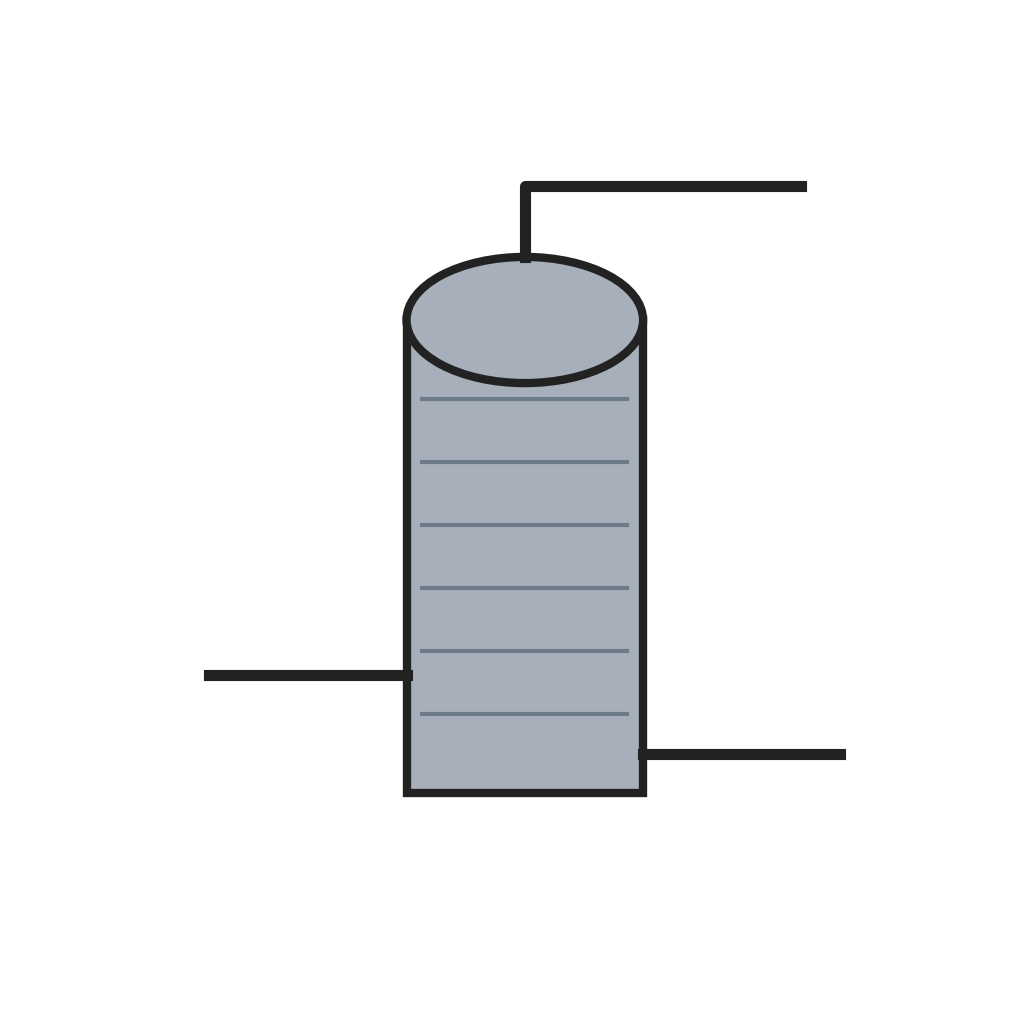 Ẹ̀rọ ìsọ-omi-di-èéfín
3
3
Dry-distil
Dry-distil
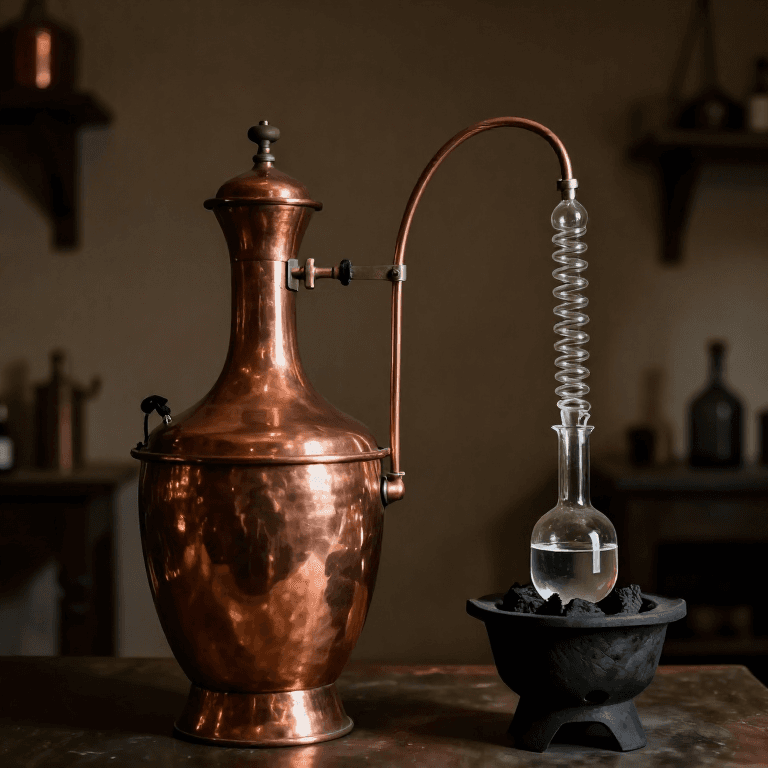
Heat the dry calcium acetate in a closed retort. It decomposes into calcium carbonate, which stays behind, and acetone, which comes off as vapour; condense it.
Àwọn irinṣẹ́ tí a nílò:
 Ohun ìbíra irin
 Ìyípo ẹ̀rọ ìtutù
Àwọn irinṣẹ́ tó nílò
4- Àyè
Ìtọ́nisọ́nà yìí ń ṣe
Blueprint tó jọra
Àwọn blueprint wọ̀nyí pín ìmọ̀ — ọ̀nà, ohun-èlò tàbí ìlànà

CC0 Àgbègbè Gbogbogbò
Blueprint yìí ti jáde lábẹ́ CC0. O lè ṣe àdàkọ, yí padà, pín, àti lò láìsí ìyọ̀ǹda.
Ṣàtìlẹ́yìn Olùṣẹ́dá nípa rírà àwọn ọjà nipasẹ̀ Blueprint wọn Ẹ̀san Olùṣẹ́dá tí àwọn Olùtajà gbé kalẹ̀, tàbí ṣẹ̀dá àtúnṣe tuntun ti Blueprint yìí kí o sì fi sínú Blueprint rẹ gẹ́gẹ́ bí ìsopọ̀ láti pín owó-wíwọlé.