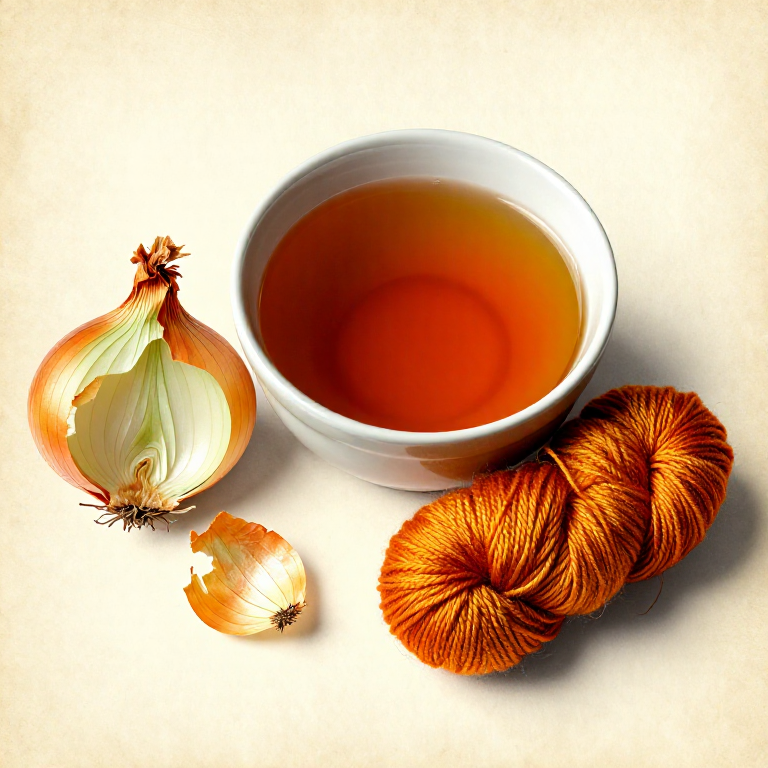


Dyeing with Onion Skins — Orange-Gold from the Kitchen
Ìlànà
Collect Onion Skins
Collect Onion Skins
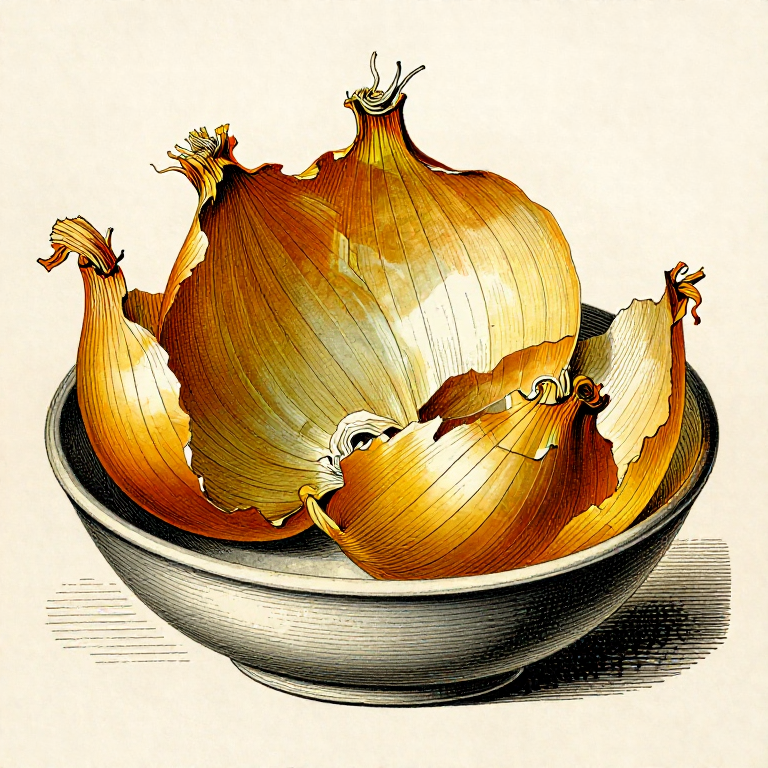
Collect the dry papery outer skins of yellow onions — you need roughly 100 g of skins per 100 g of fibre
Àwọn ohun èlò fún ìgbésẹ̀ yìí:
 Èèpo àlùbọ́sà (gbígbẹ, ofeefee)100 grams
Soak Skins in Water
Soak Skins in Water
Place the onion skins in a dye pot, cover with cold water, and soak for 1 hour to begin releasing the pigment
Àwọn ohun èlò fún ìgbésẹ̀ yìí:
 Omi8 lítà
Àwọn irinṣẹ́ tí a nílò:
 Ìkòkò Ọbẹ̀ Ńlá
Simmer the Dye Bath
Simmer the Dye Bath
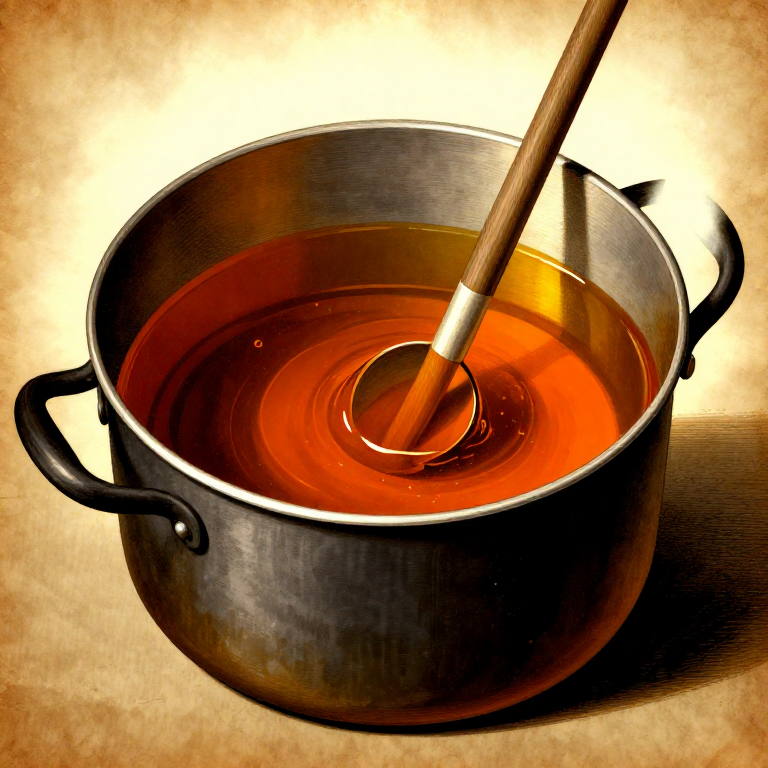
Heat the dye bath slowly to 80-90°C and simmer for 45 minutes — the water will turn a deep amber
Àwọn ohun èlò fún ìgbésẹ̀ yìí:
 Igi Ìdáná1 ìdì
Strain Out Skins
Strain Out Skins
Strain the dye bath through cloth to remove all onion skin fragments
Àwọn irinṣẹ́ tí a nílò:
 Aṣọ (fún Sísẹ́)
Dissolve Alum Mordant
Dissolve Alum Mordant
Dissolve alum at 10% weight-of-fibre (10 g per 100 g wool) in a cup of hot water
Àwọn ohun èlò fún ìgbésẹ̀ yìí:
 Ọ̀ṣẹ Alumu (Alumu Potáṣíọ̀mù)10 grams
Add Mordant to Bath
Add Mordant to Bath
Stir the dissolved alum into the strained dye bath and mix thoroughly
Wet the Wool
Wet the Wool
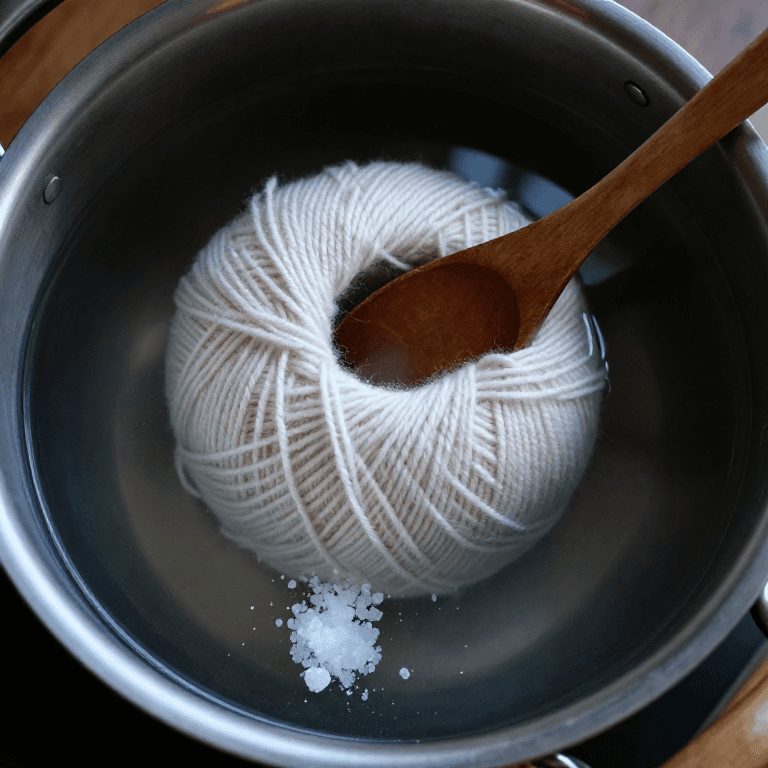
Soak the undyed wool skein in warm water for 15 minutes so it absorbs dye evenly
Àwọn ohun èlò fún ìgbésẹ̀ yìí:
 Ìdìpọ̀ Ọ̀wú Irun Àgùntàn100 grams
Enter the Dye Bath
Enter the Dye Bath
Lower the wetted wool into the onion skin dye bath, pressing it gently below the surface
Simmer for 45 Minutes
Simmer for 45 Minutes
Heat to 80°C and hold for 45 minutes, turning the wool every 10 minutes for even colour
Check the Colour
Check the Colour
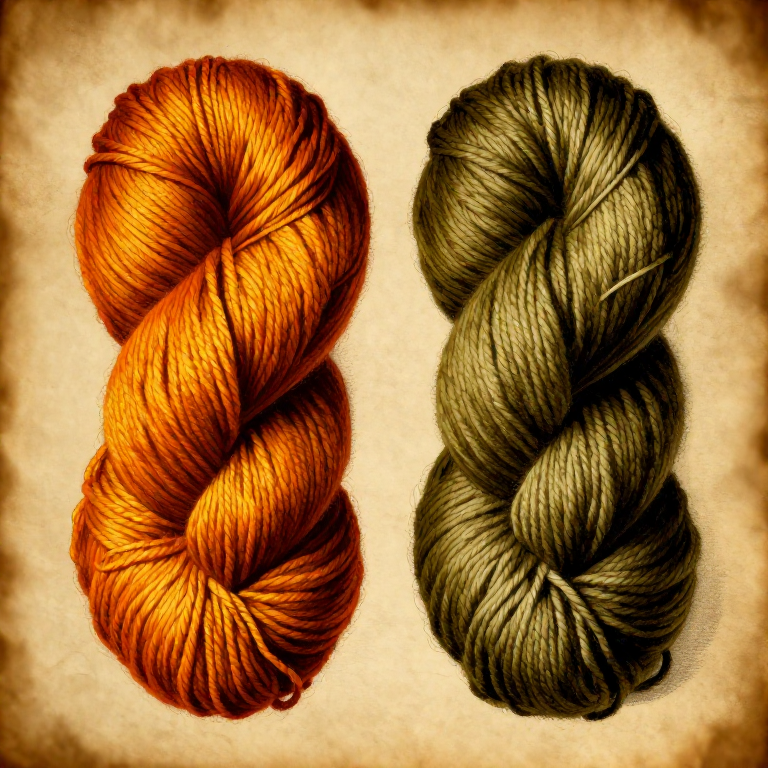
Lift a section to check — the wool should be a rich orange-gold when wet, drying slightly lighter
Deepen if Desired
Deepen if Desired
For a deeper burnt orange, simmer for an additional 30 minutes or leave in the cooling bath overnight
Iron Modifier (Optional)
Iron Modifier (Optional)
For an olive-khaki shift, dissolve 2 g ferrous sulfate in water and add to a separate rinse — dip the dyed wool briefly
Àwọn ohun èlò fún ìgbésẹ̀ yìí:
 Ferrous sulfate2 grams
Rinse Thoroughly
Rinse Thoroughly
Rinse the dyed wool in progressively cooler water until the water runs clear
Àwọn ohun èlò fún ìgbésẹ̀ yìí:
Omi10 lítàSqueeze Gently
Squeeze Gently
Squeeze excess water out between your palms — never wring or twist dyed wool
Dry in Shade
Dry in Shade
Hang the orange-gold dyed wool in shade to dry completely — onion skin dye with alum mordant is very lightfast
Àwọn ohun-èlò
6- 100 gramsÀyè
- 18 lítàÀyè
- 1 ìdìÀyè
- 10 gramsÀyè
- 100 gramsÀyè
- 2 gramsÀyè
Àwọn irinṣẹ́ tó nílò
2Àwọn Ohun Èlò Ìtọ́nisọ́nà Tí A So Pọ̀

CC0 Àgbègbè Gbogbogbò
Blueprint yìí ti jáde lábẹ́ CC0. O lè ṣe àdàkọ, yí padà, pín, àti lò láìsí ìyọ̀ǹda.
Ṣàtìlẹ́yìn Olùṣẹ́dá nípa rírà àwọn ọjà nipasẹ̀ Blueprint wọn Ẹ̀san Olùṣẹ́dá tí àwọn Olùtajà gbé kalẹ̀, tàbí ṣẹ̀dá àtúnṣe tuntun ti Blueprint yìí kí o sì fi sínú Blueprint rẹ gẹ́gẹ́ bí ìsopọ̀ láti pín owó-wíwọlé.