IṢẸ́ ỌNÀ
ẸWÀ ÀTI ÌLERA
IṢẸ́ ỌWỌ́
ÀṢÀ ÀTI ÌTÀN
ÌṢERÉ
ÀYÍKÁ
OÚNJẸ ÀTI OHUN MÍMU
REVERSE ENGINEERING
SÁYẸ́ǸSÌ
ERÉ ÌDÁRAYÁ
ÌMỌ̀-Ẹ̀RỌ
ÀWỌN OHUN WÍWỌ̀
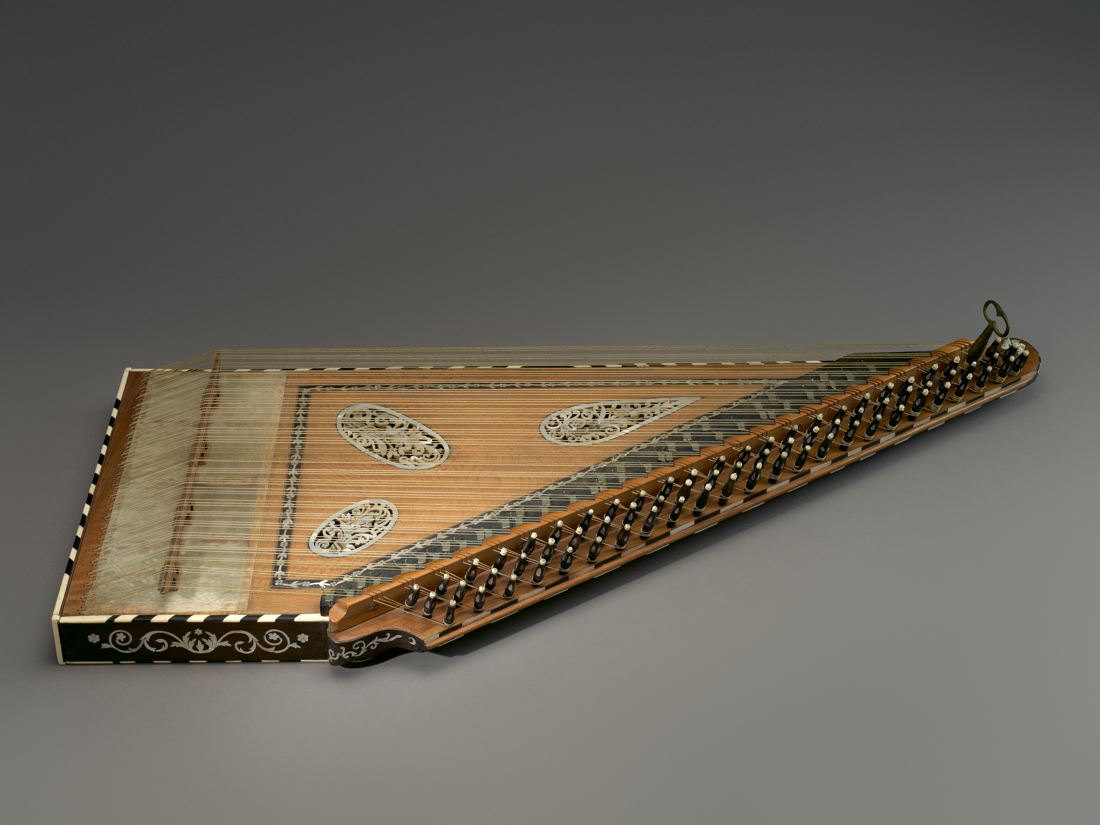


Building a Qanun — The Plucked Zither with Microtone Levers
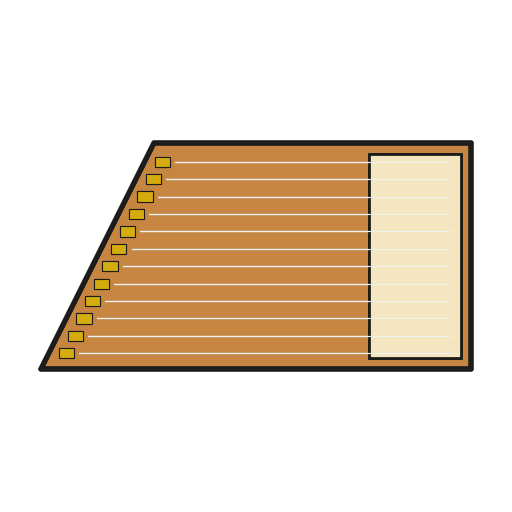
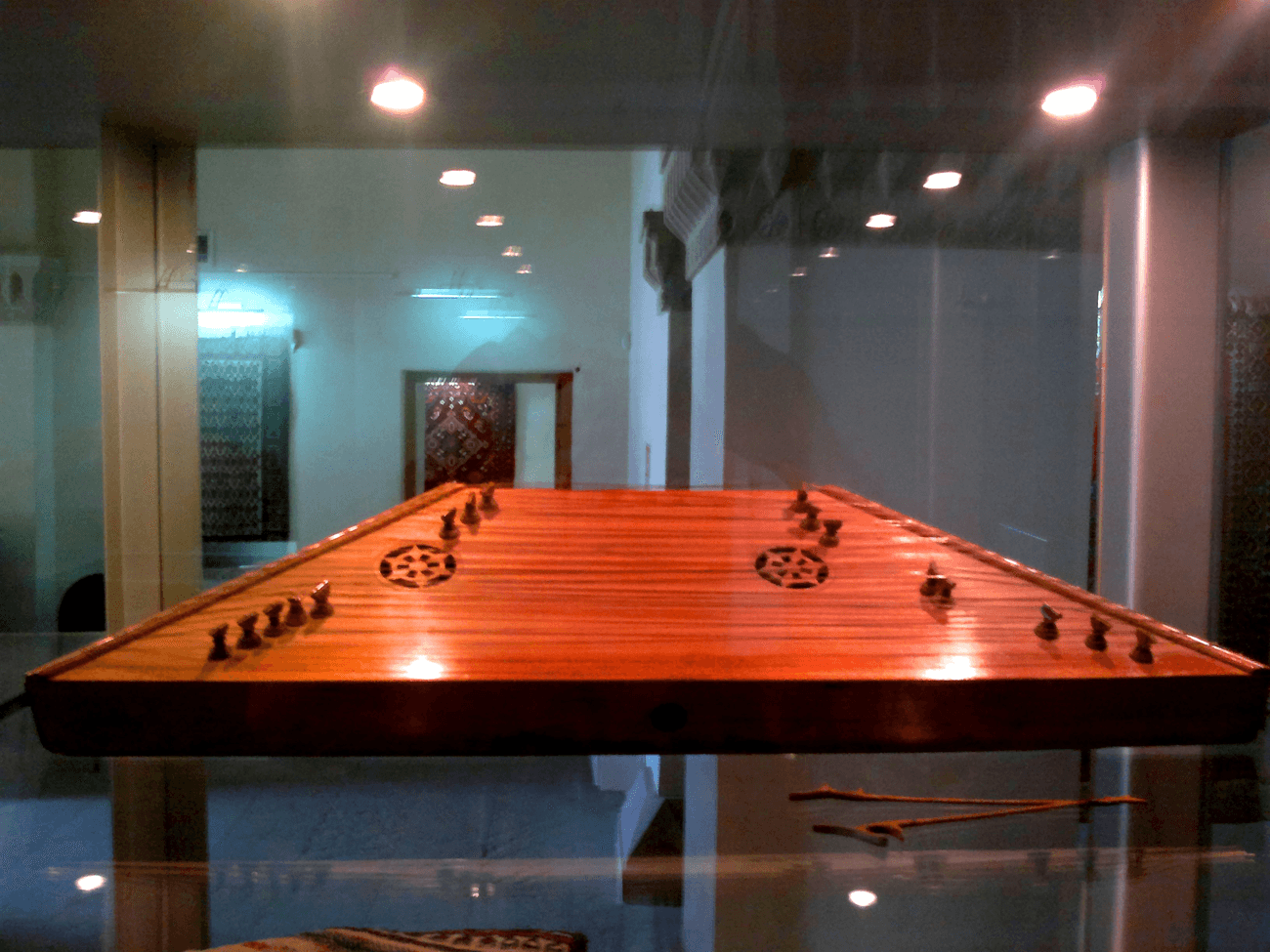
Build a qanun: a flat trapezoidal zither of many string courses, plucked with finger picks — the plucked cousin of the hammered santur. Its secret is a bank of little levers (mandal) that raise or lower each course by a microtone, flipped mid-performance to change the mode. A serious maker build in the plucked zither and how a lever re-tunes a string in an instant.
Àárín
Several hours over several sessions
Ìlànà
1
1
A zither you pluck, with levers
A zither you pluck, with levers
The qanun is a flat trapezoidal zither with dozens of string courses, plucked with picks on your fingers. Rows of little levers let you re-tune any course by a microtone in an instant to change the mode.
2
2
Build the trapezoidal box
Build the trapezoidal box
Build a shallow trapezoidal box with a thin wooden soundboard. On a real qanun part of the board is covered with fish-skin, over which the bridge stands.
Àwọn ohun èlò fún ìgbésẹ̀ yìí:
 Pìláwọ́ọ̀dù Bíṣì Baltiki1 ẹyọ
 Pátákó Igi Rírọ̀ Gbígbẹ1 ẹyọ
 Ìdìpọ̀ Igi PVA1 ẹyọ
Àwọn irinṣẹ́ tí a nílò:
 Ayùn Irin
3
3
Set the pins and string it
Set the pins and string it
Fit tuning pins along one slanted side and hitch pins on the other, and string the instrument in courses of three strings tuned together — a full qanun has around seventy strings.
Àwọn ohun èlò fún ìgbésẹ̀ yìí:
 Ẹ̀kù Ìtúnṣe Okùn9 ẹyọ
 Okùn Irin Orin 0.032 inch1 ẹyọ
Àwọn irinṣẹ́ tí a nílò:
 Ọ̀kọ̀ Ìlùhò
4
4
Stand the bridge
Stand the bridge
Stand a long wooden bridge across the skin-covered part of the soundboard so all the courses press down on it, feeding their vibration into the skin and box.
Àwọn irinṣẹ́ tí a nílò:
 Ọ̀bẹ Sìlóìdì
5
5
Fit the mandal levers
Fit the mandal levers
At the tuning end, fit a bank of small metal levers (mandal) under each course. Flipping a lever shortens the vibrating length of that course by a tiny, fixed amount — raising it a microtone.
Àwọn ohun èlò fún ìgbésẹ̀ yìí:
 Okun waya idẹ1 ẹyọ
Àwọn irinṣẹ́ tí a nílò:
 Ìfá Irin
6
6
Tune the courses
Tune the courses
Tune every course to the scale with its pins, then set the mandal levers for the mode (maqam) you want to play.
7
7
Play with finger picks
Play with finger picks
Wear a pick on each index finger and pluck the courses, the two hands answering each other across the strings.
8
8
Flip a lever, change the note
Flip a lever, change the note
Mid-tune, flip a mandal lever to shift a course up or down a microtone. This is how a qanun player slides between maqamat without stopping to re-tune.
9
9
Compendium — the lever that re-tunes a string
Compendium — the lever that re-tunes a string
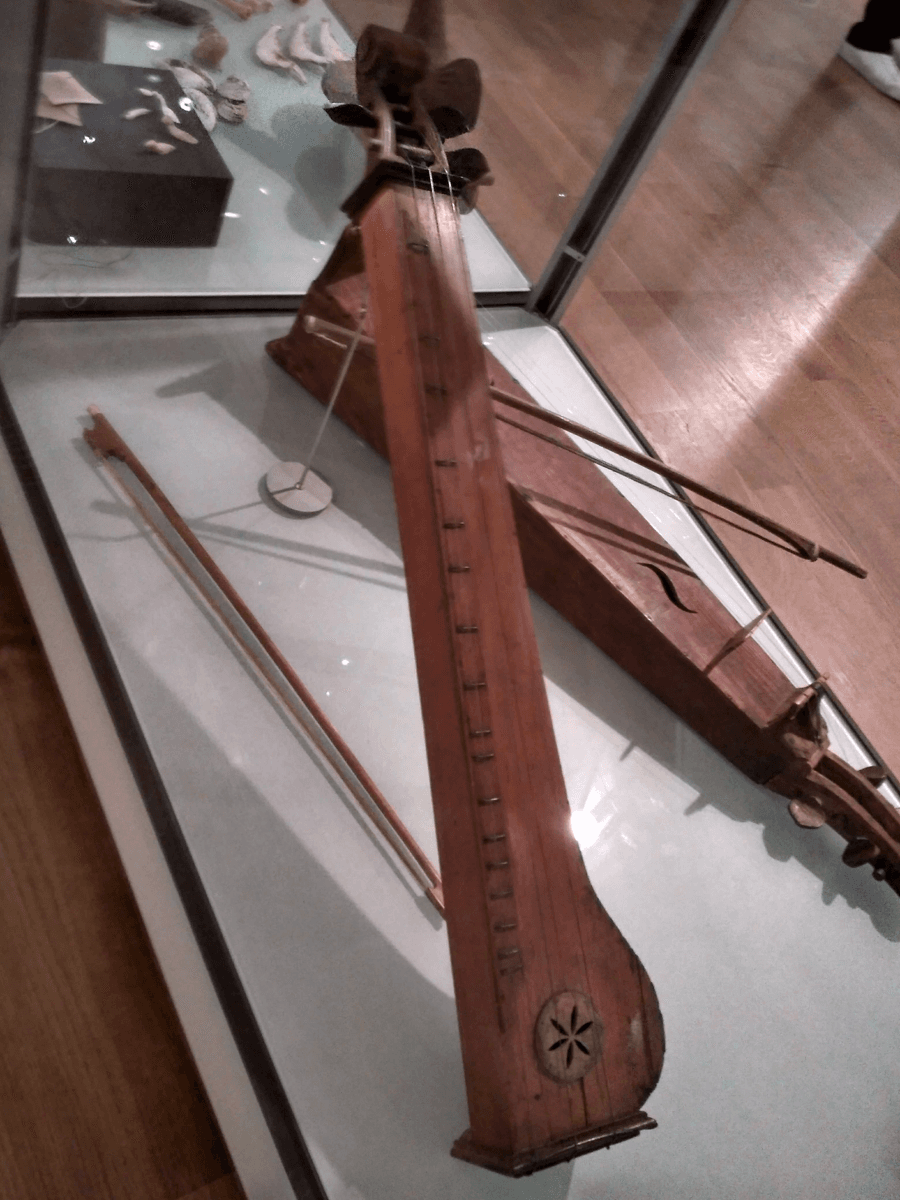
The qanun is a plucked box zither — the same idea as the langspil, but with many courses of strings across a wide trapezoidal soundboard, and plucked with finger picks rather than a hammer, which makes it the exact plucked twin of the hammered santur that shares its shape. A string's pitch depends on its length, tension and mass, and the qanun's mandal levers are a beautifully simple way to change one of these on the fly: each lever, when flipped up, presses down near one end of a course and shortens its vibrating length by a small fixed amount, raising that course's pitch by a microtone; flip it back and the full length returns. Because Arabic and Turkish music uses many microtonal notes and shifts between modes (maqamat) within a single piece, a qanun carries a whole bank of these levers, several per course, so the player can nudge individual notes up or down by tiny steps in an instant without ever re-tuning by ear. The bridge stands on a patch of stretched skin so the strings drive a membrane as well as the soundboard, giving the qanun its bright, ringing shimmer. Its cousins are the santur, the langspil and every box zither, and its lever trick is a mechanical relative of the harp's pedals and the guitar's capo — all quick ways to retune strings without turning a peg.
Àwọn ohun-èlò
6- Àyè
- Àyè
- 1 ẹyọÀyè
- 9 ẹyọÀyè
- Àyè
- 1 ẹyọÀyè
Ìtọ́nisọ́nà yìí ń ṣe
Blueprint tó jọra
Àwọn blueprint wọ̀nyí pín ìmọ̀ — ọ̀nà, ohun-èlò tàbí ìlànà
CC0 Àgbègbè Gbogbogbò
Blueprint yìí ti jáde lábẹ́ CC0. O lè ṣe àdàkọ, yí padà, pín, àti lò láìsí ìyọ̀ǹda.
Ṣàtìlẹ́yìn Olùṣẹ́dá nípa rírà àwọn ọjà nipasẹ̀ Blueprint wọn Ẹ̀san Olùṣẹ́dá tí àwọn Olùtajà gbé kalẹ̀, tàbí ṣẹ̀dá àtúnṣe tuntun ti Blueprint yìí kí o sì fi sínú Blueprint rẹ gẹ́gẹ́ bí ìsopọ̀ láti pín owó-wíwọlé.