IṢẸ́ ỌNÀ
ẸWÀ ÀTI ÌLERA
IṢẸ́ ỌWỌ́
ÀṢÀ ÀTI ÌTÀN
ÌṢERÉ
ÀYÍKÁ
OÚNJẸ ÀTI OHUN MÍMU
REVERSE ENGINEERING
SÁYẸ́ǸSÌ
ERÉ ÌDÁRAYÁ
ÌMỌ̀-Ẹ̀RỌ
ÀWỌN OHUN WÍWỌ̀
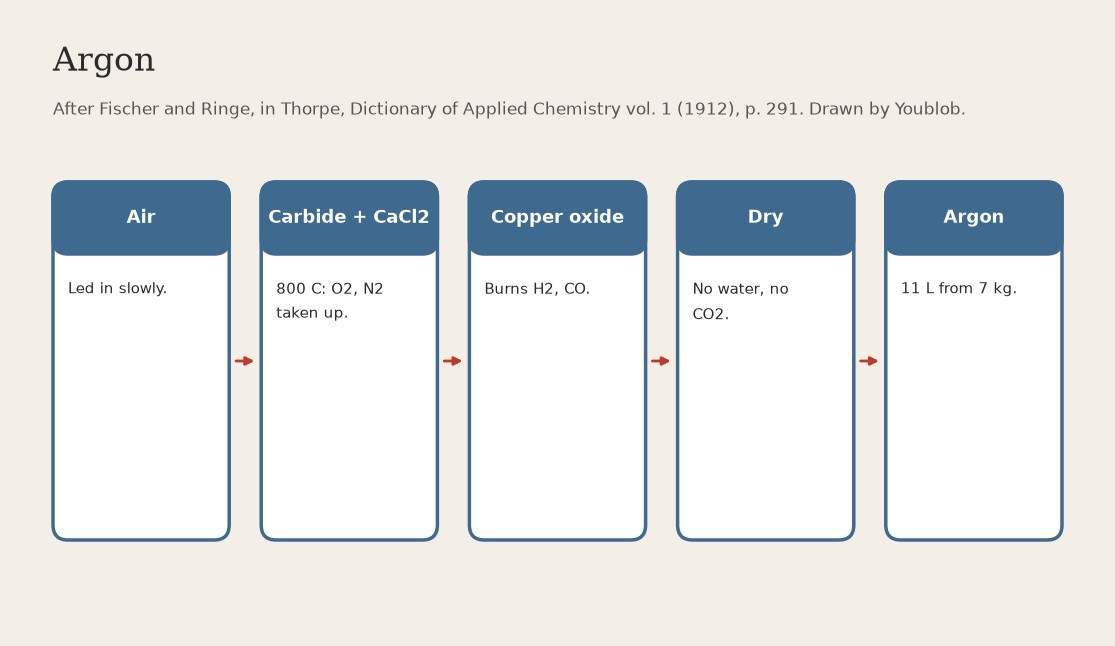


Argon: Air Led over Calcium Carbide and Calcium Chloride at 800 °C (Fischer and Ringe, Thorpe 1912)
Air is nearly 1 % argon. Red-hot calcium carbide with a little calcium chloride swallows both the oxygen and the nitrogen; argon, which combines with nothing, passes straight through.
Result: about 11 litres of argon from 7 kg of carbide in two days. It still holds traces of neon, krypton and xenon (0.25 %, mostly neon).
Source: Thorpe, Dictionary of Applied Chemistry vol. 1 (1912), p. 291, after Fischer and Ringe (Ber. 41, 2017). Not given: the vessel, the air volume, and how the water and carbon dioxide are taken out. Picture drawn by Youblob.
Ilọsíwájú
2 days
Ìlànà
1
1
Mix the absorbent
Mix the absorbent
Mix calcium carbide (90 %) with calcium chloride (10 %): 7 kg carbide takes about 0.78 kg chloride (our arithmetic). Fill a tube with it. Ours: a porcelain tube in a tube furnace.
Àwọn irinṣẹ́ tí a nílò:
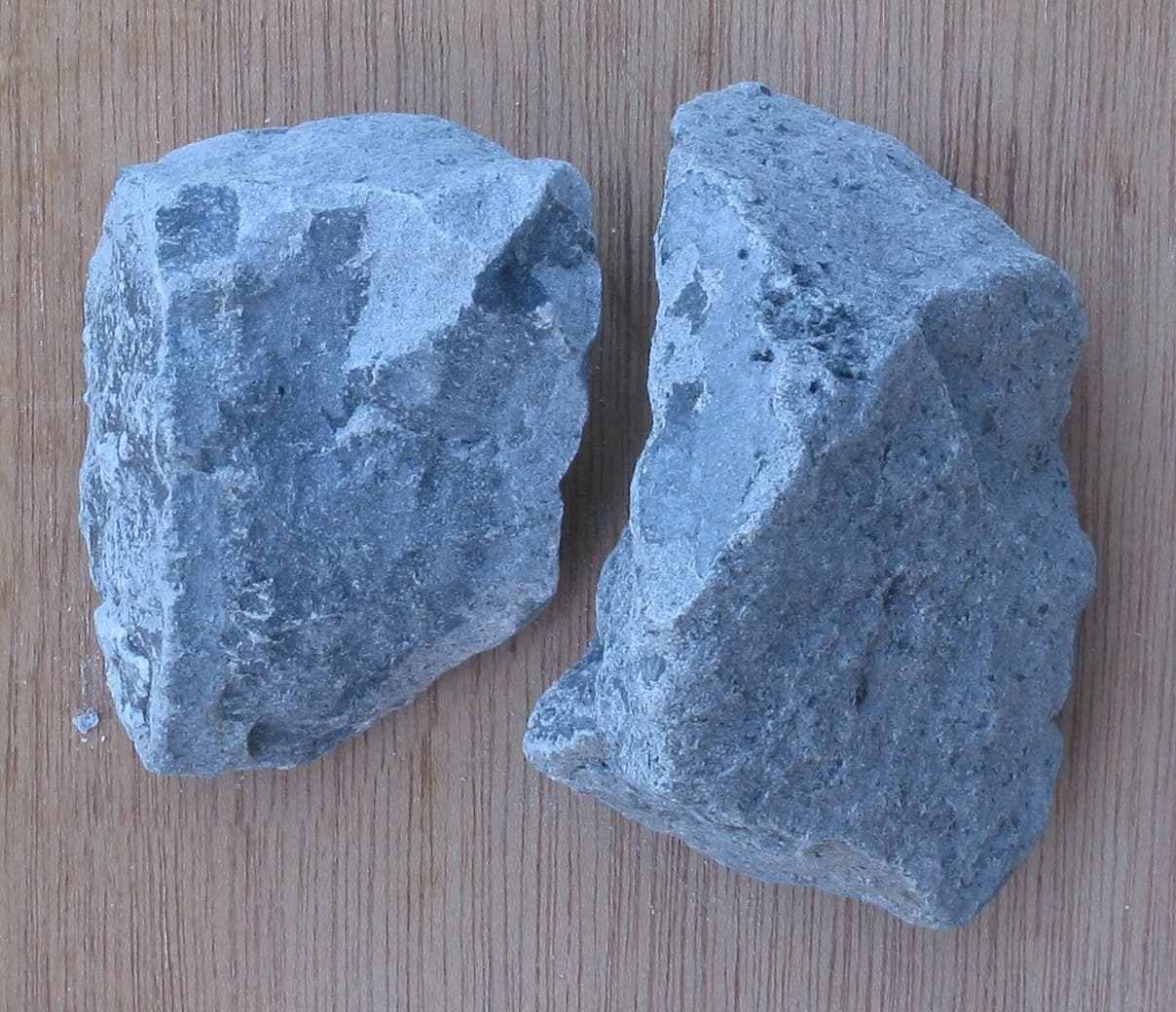
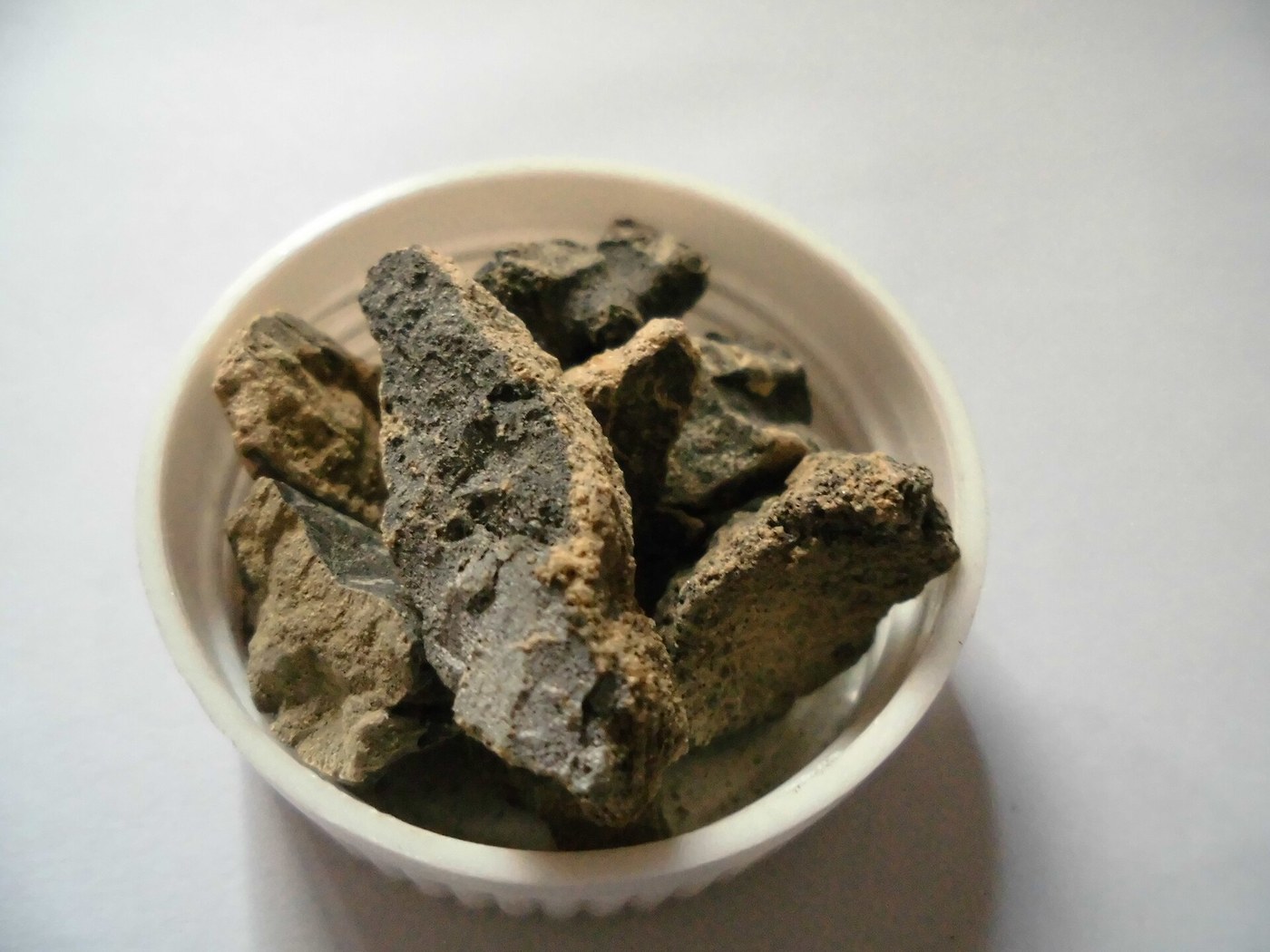 Calcium carbide
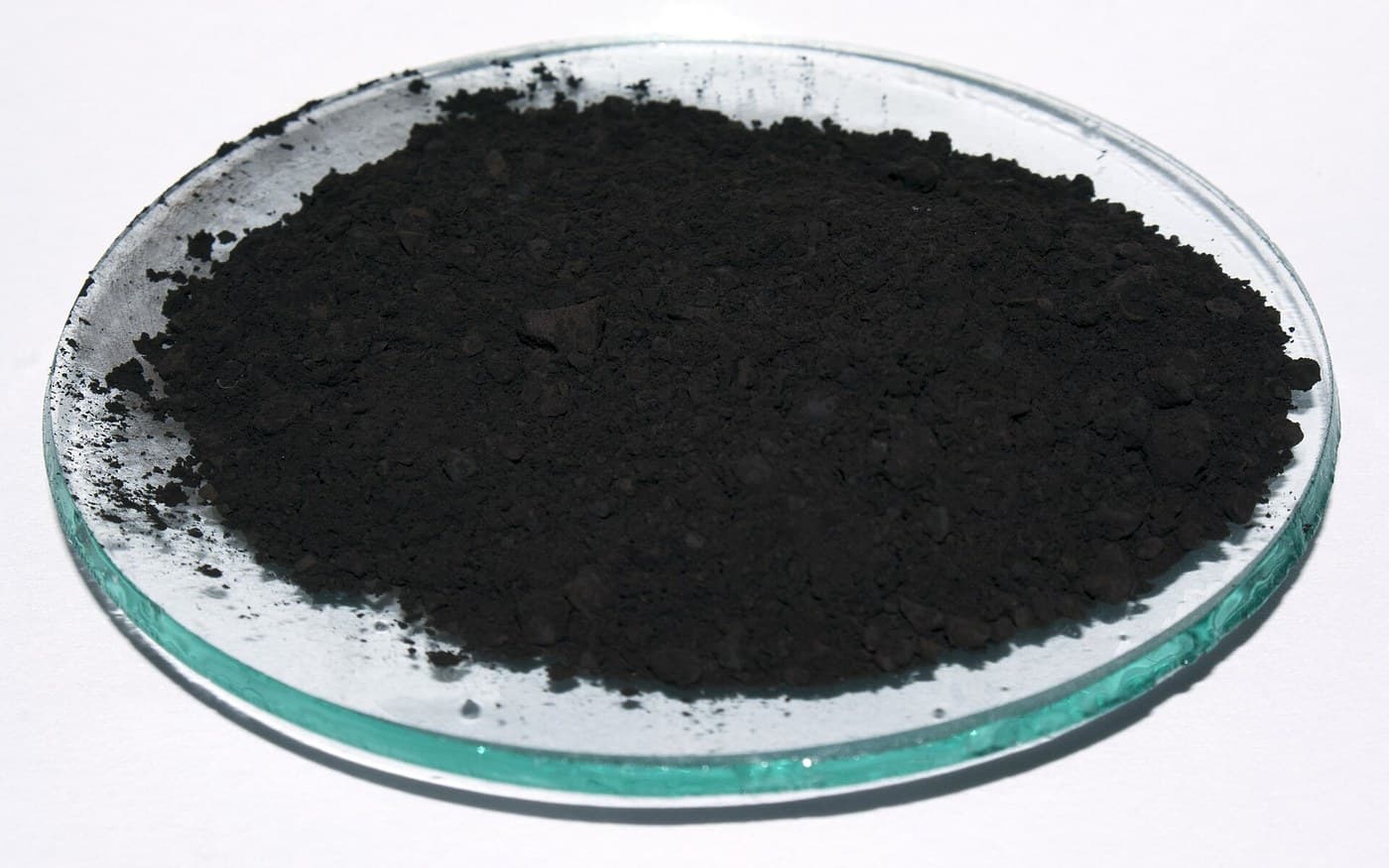
 Calcium chloride
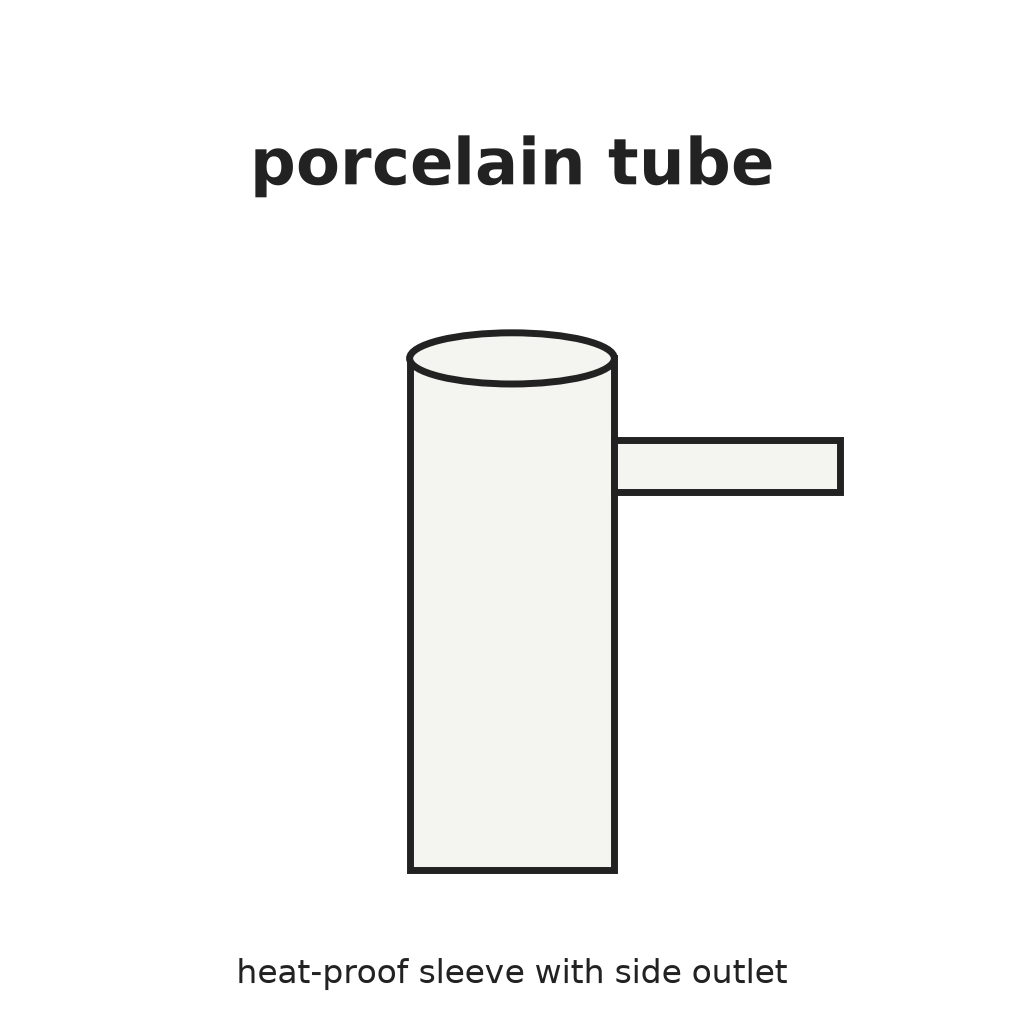 Páìpù Páṣẹ́lẹ́ìnì
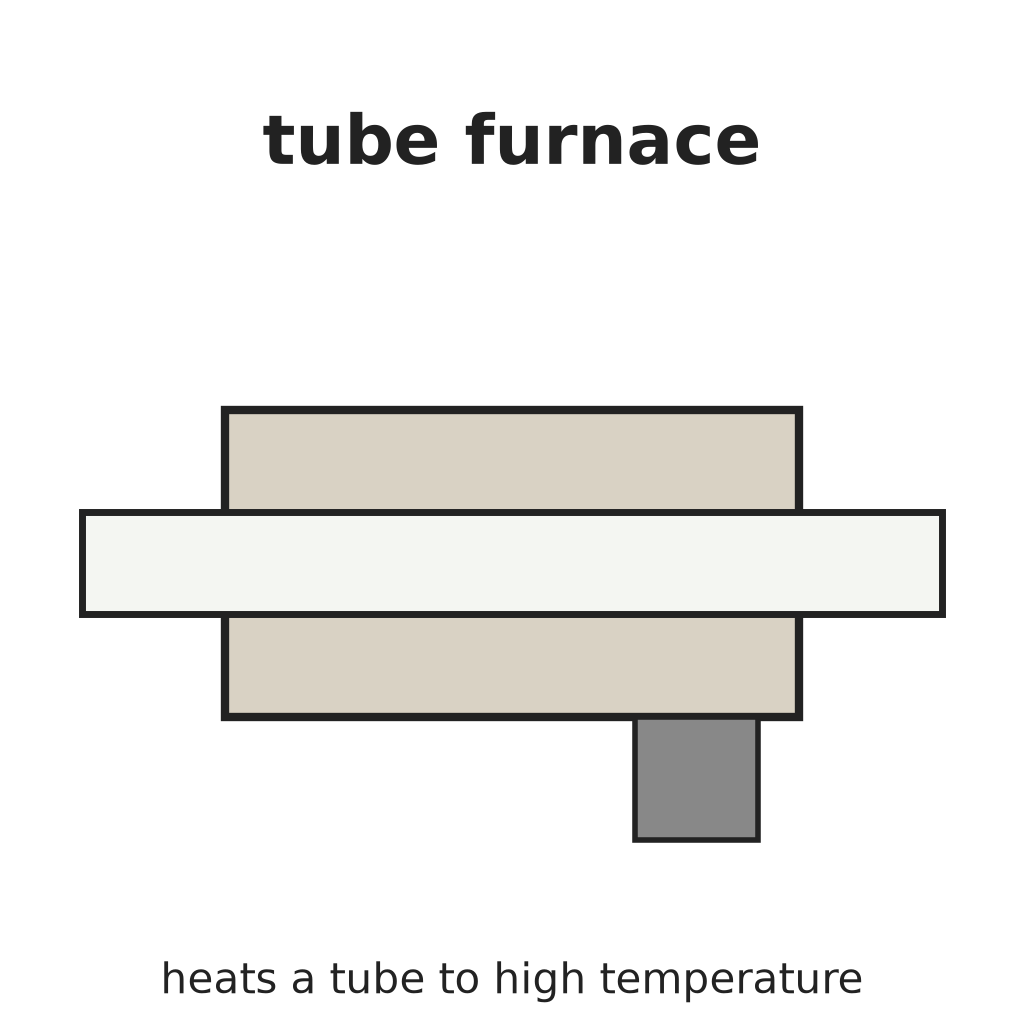 Ààrò Ọ̀pọ́n
2
2
Drive off volatile matter
Drive off volatile matter
Heat the mixture under reduced pressure first, to drive off anything volatile.
Àwọn irinṣẹ́ tí a nílò:
 Ẹ̀rọ ìfàfẹ́fẹ́jádeÀàrò Ọ̀pọ́n
3
3
Lead air over it at 800 °C
Lead air over it at 800 °C
Hold the mixture at 800 °C and lead air over it slowly. The oxygen and nitrogen are taken up; what comes out is mostly argon. Ours: draw the air through with an aspirator.
Àwọn ohun èlò fún ìgbésẹ̀ yìí:
 Afẹ́fẹ́ àyíká ayé - Ayé1 as required
Àwọn irinṣẹ́ tí a nílò:
 Pirómítà
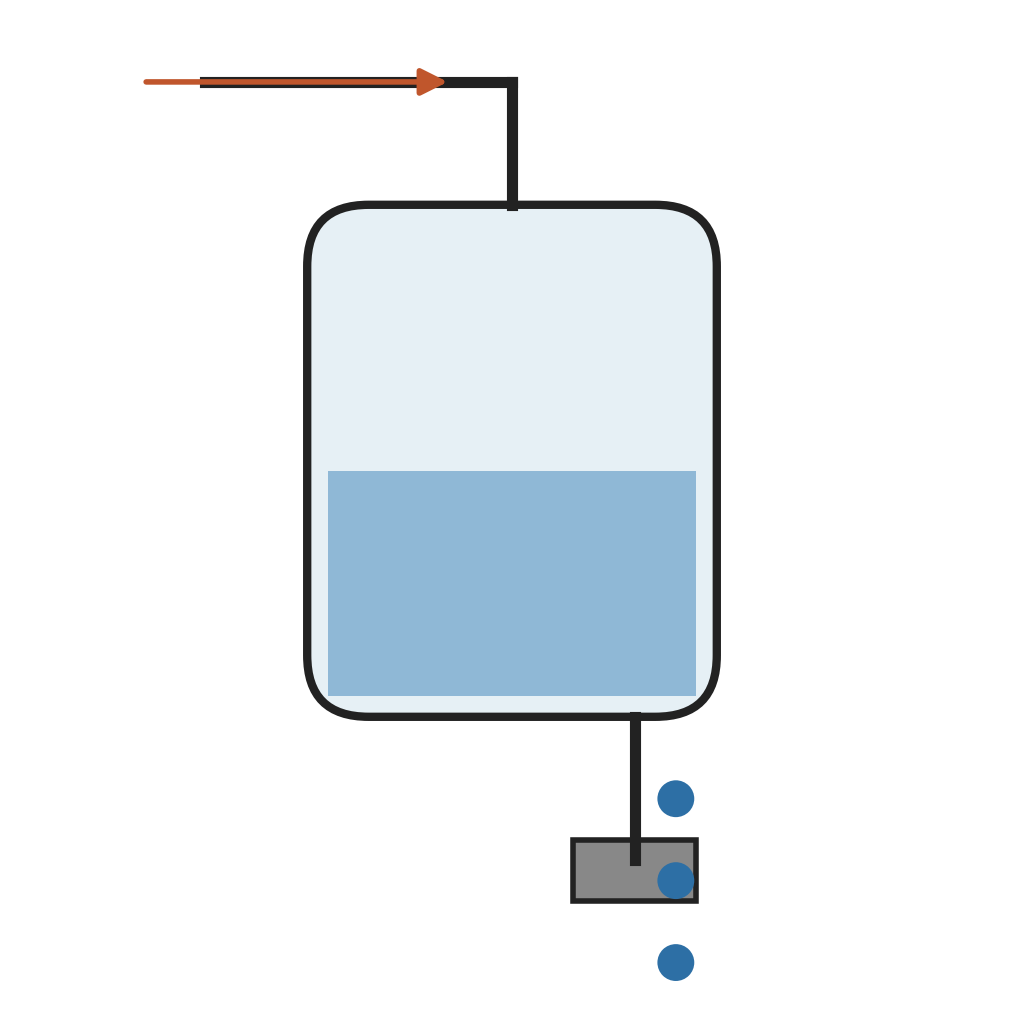 Asipiretọ̀Ààrò Ọ̀pọ́n
4
4
Burn the traces over hot copper oxide
Burn the traces over hot copper oxide
Lead the gas over hot copper oxide. It burns any hydrogen, hydrocarbons and carbon monoxide.
Àwọn irinṣẹ́ tí a nílò:
 Oxide BàbàPáìpù Páṣẹ́lẹ́ìnìÀàrò Ọ̀pọ́n
5
5
Take out water and carbon dioxide
Take out water and carbon dioxide
Remove the water vapour and carbon dioxide. Ours: soda lime for the carbon dioxide, then phosphorus pentoxide for the water.
Àwọn irinṣẹ́ tí a nílò:
 Ẹfun soda (agbọ́ CO2)
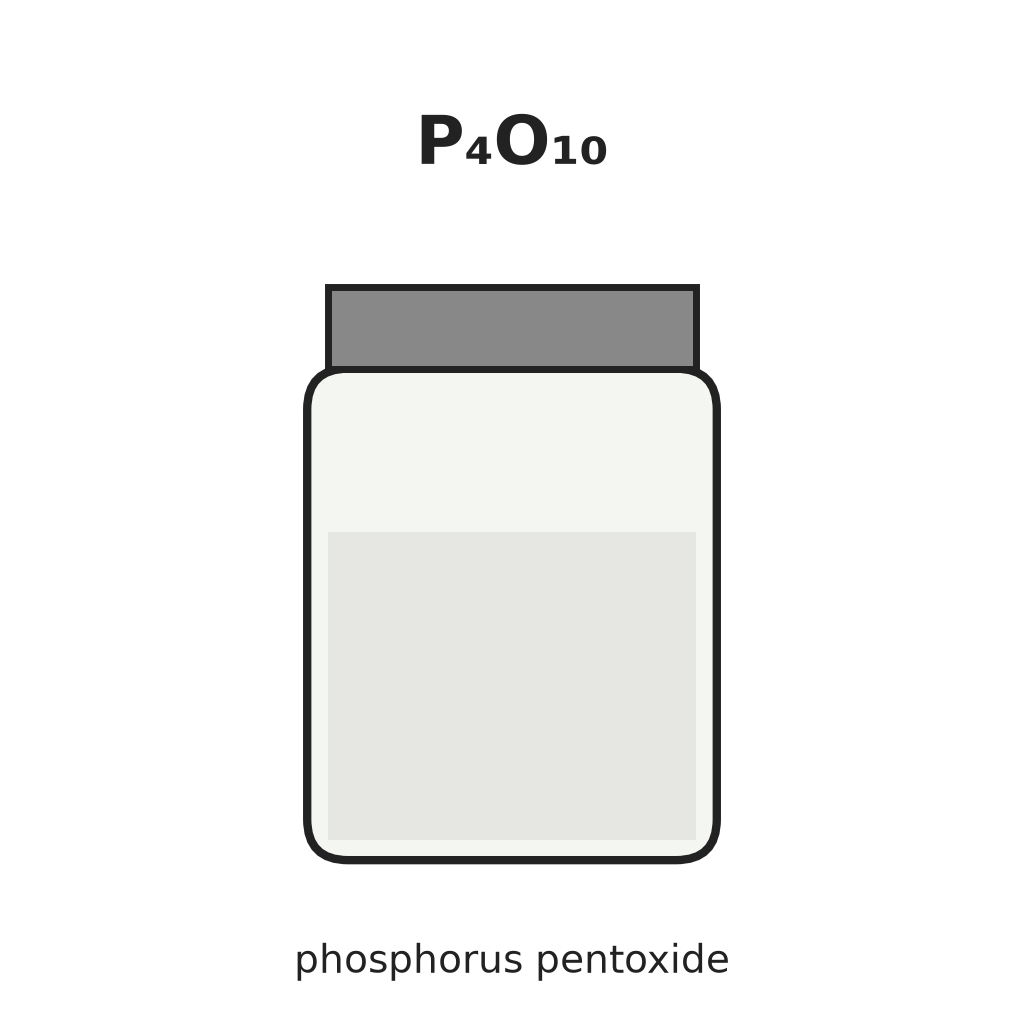 Phosphorus Pentoxide
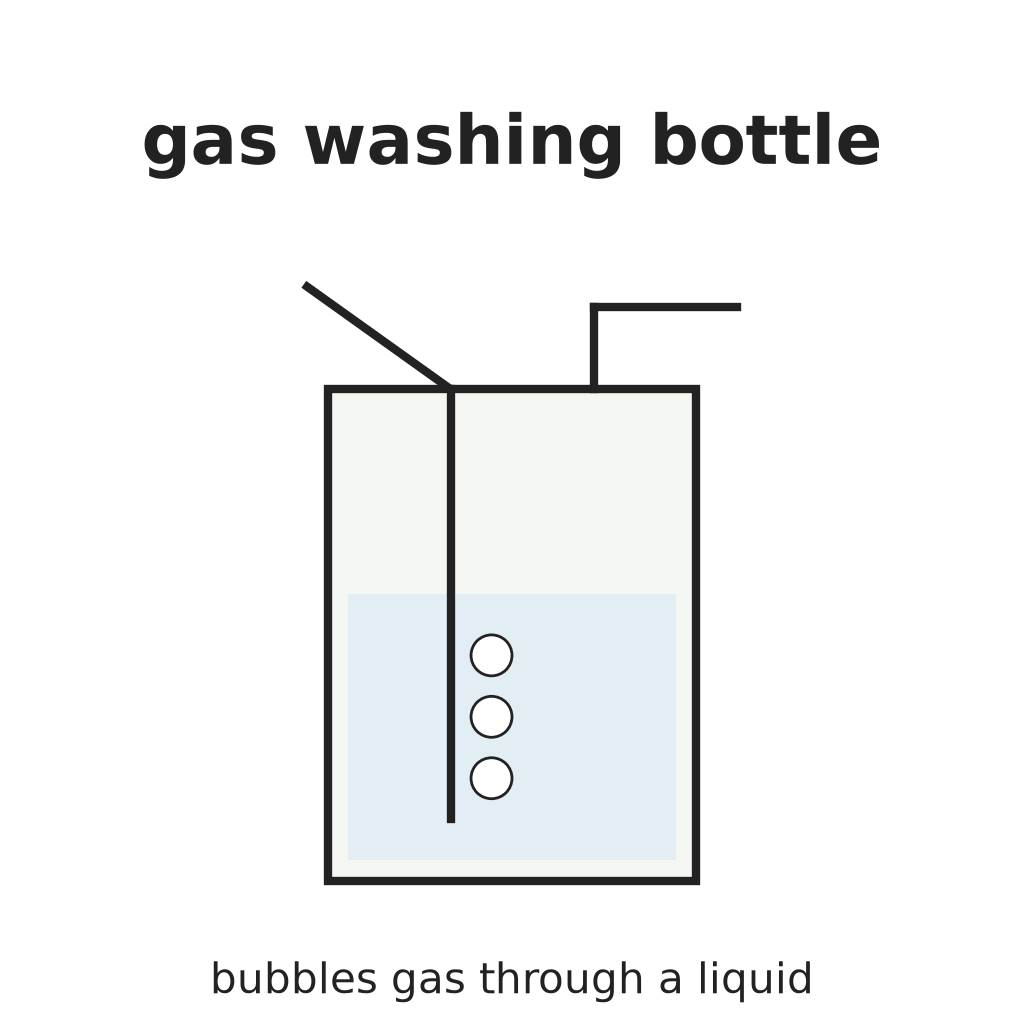 Ìgò Fífọ Gáàsì
6
6
Collect the argon
Collect the argon
Collect the gas. Expect about 11 litres in two days from 7 kg of carbide. Ours: over water in gas jars.
Àwọn irinṣẹ́ tí a nílò:
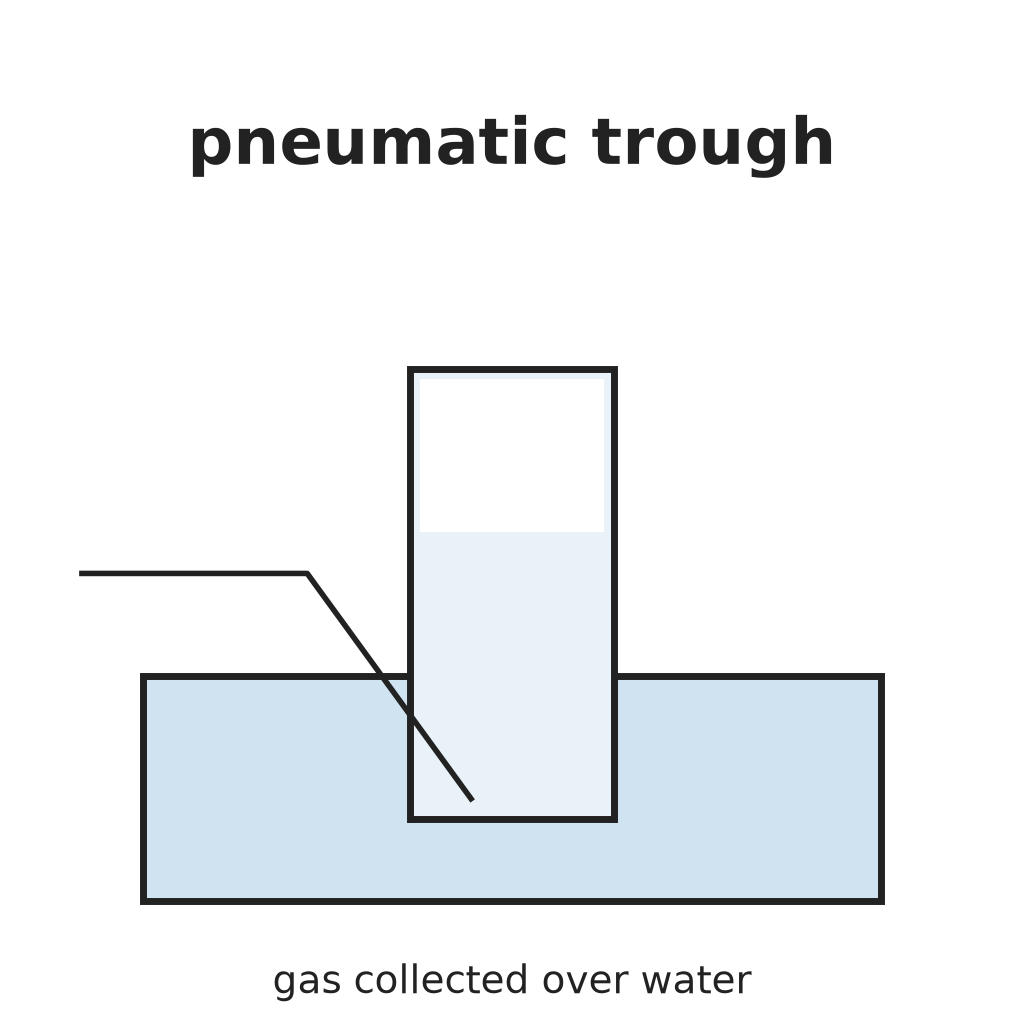 Agbada Afẹ́fẹ́ pẹ̀lú Àwọn Ìgò Gáàsì
Àwọn ohun-èlò
1- 1 as requiredÀyè
Àwọn irinṣẹ́ tó nílò
12- Àyè
- 1 vendor sell this, none ship to you yetÀyè
- Àyè
- Àyè
- Àyè
Ìtọ́nisọ́nà yìí ń ṣe

Blueprint tó jọra
Àwọn blueprint wọ̀nyí pín ìmọ̀ — ọ̀nà, ohun-èlò tàbí ìlànà
CC0 Àgbègbè Gbogbogbò
Blueprint yìí ti jáde lábẹ́ CC0. O lè ṣe àdàkọ, yí padà, pín, àti lò láìsí ìyọ̀ǹda.
Ṣàtìlẹ́yìn Olùṣẹ́dá nípa rírà àwọn ọjà nipasẹ̀ Blueprint wọn Ẹ̀san Olùṣẹ́dá tí àwọn Olùtajà gbé kalẹ̀, tàbí ṣẹ̀dá àtúnṣe tuntun ti Blueprint yìí kí o sì fi sínú Blueprint rẹ gẹ́gẹ́ bí ìsopọ̀ láti pín owó-wíwọlé.