IṢẸ́ ỌNÀ
ẸWÀ ÀTI ÌLERA
IṢẸ́ ỌWỌ́
ÀṢÀ ÀTI ÌTÀN
ÌṢERÉ
ÀYÍKÁ
OÚNJẸ ÀTI OHUN MÍMU
REVERSE ENGINEERING
SÁYẸ́ǸSÌ
ERÉ ÌDÁRAYÁ
ÌMỌ̀-Ẹ̀RỌ
ÀWỌN OHUN WÍWỌ̀
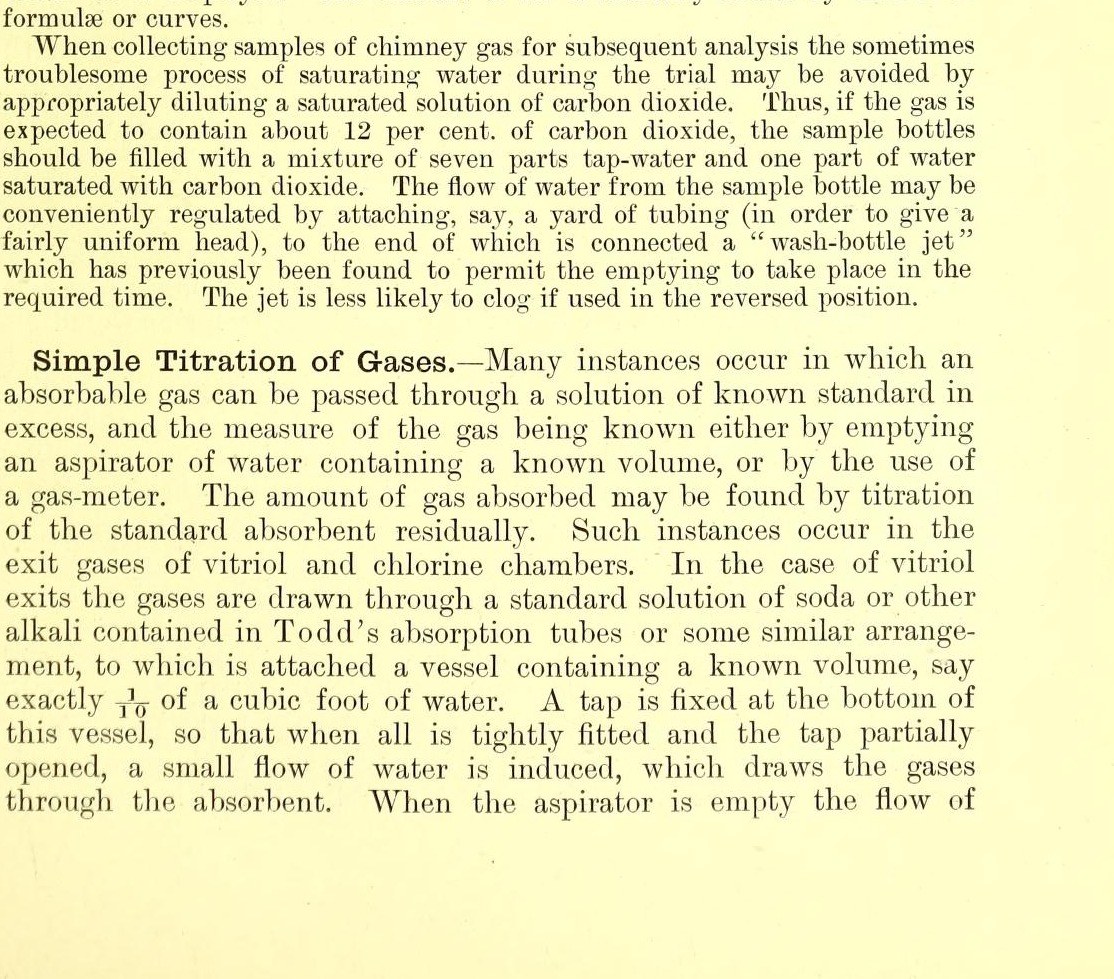

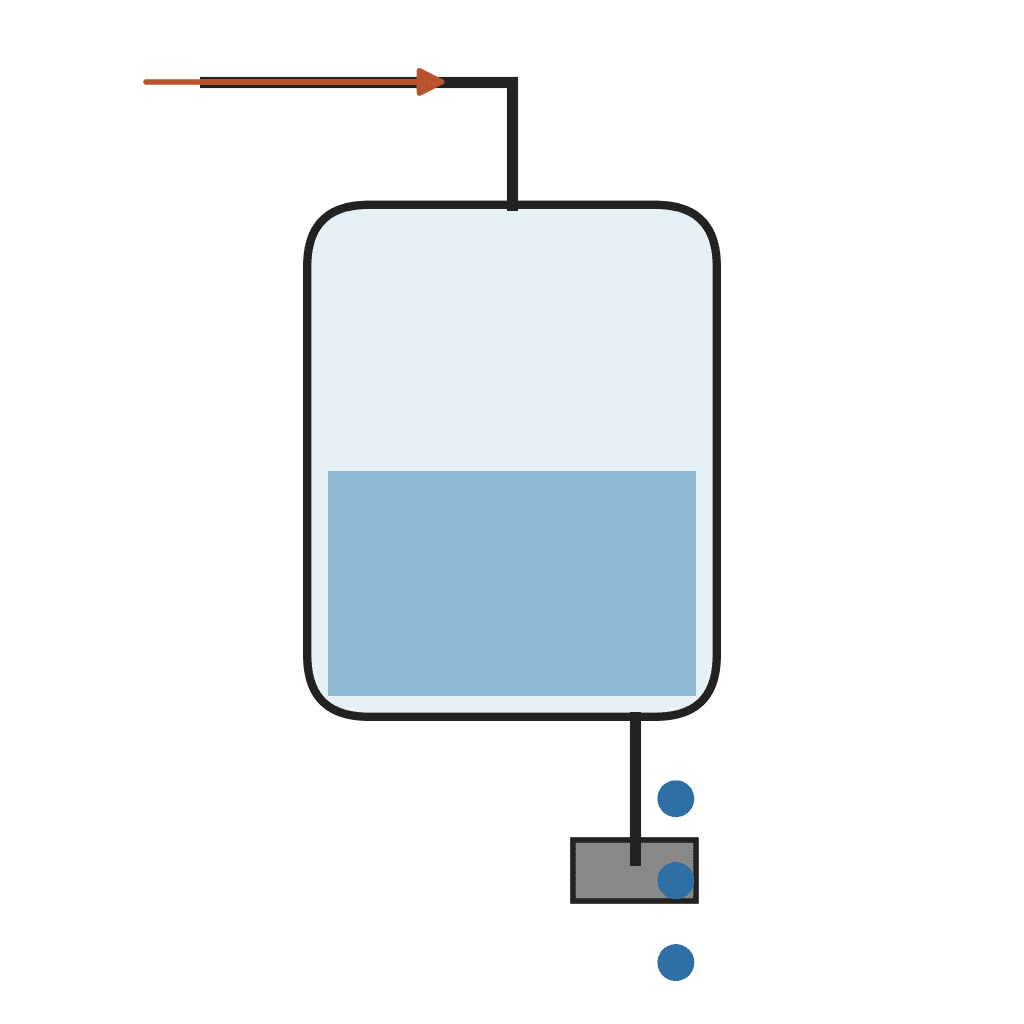
Aspirator: a Vessel of Water with a Tap at the Bottom (Sutton, 1904)
The simplest aspirator: a closed vessel of known volume, full of water, with a tap at the bottom. As the water runs out it draws gas in through the apparatus attached to it, and the volume of water run out is the volume of gas drawn through.
Result: an aspirator that draws a measured volume of gas, for example 1/10 cubic foot, through an absorber at a steady rate.
Source: F. Sutton, A Systematic Handbook of Volumetric Analysis (1904), pp. 581-582. Unknown: the vessel's material and the tap. Picture: p. 581 of the book.
Olùbẹ̀rẹ̀
Unknown
Ìlànà
1
1
Fit the vessel
Fit the vessel
Take a vessel of known volume, for example exactly 1/10 cubic foot, and fix a tap at its bottom. Close its mouth tightly with a cork carrying a glass tube, which connects to the absorber the gas is to pass through. Ours: a large clear glass bottle. Not given: the vessel's material, the tap.
Àwọn ohun èlò fún ìgbésẹ̀ yìí:
 Ìgò dígí (tí ó mọ́)1 aspirator vessel
 Fáàfù àìmọ̀1 bottom tap
 Àwọn kọ́ọ̀kì1 stopper
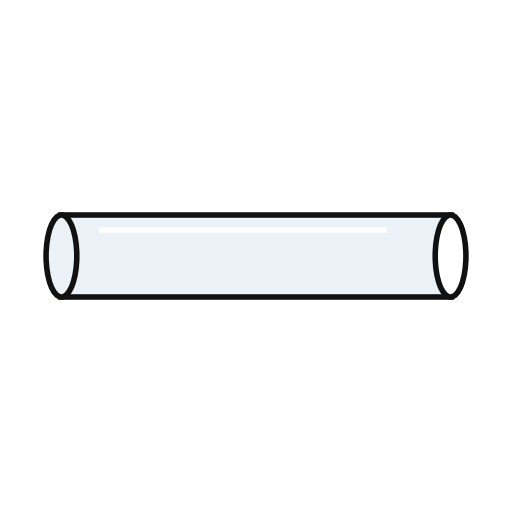 Ọpọ́n gíláàsì1 inlet tube
Àwọn irinṣẹ́ tí a nílò:
 Ọ̀gọ̀ ìfẹ́ dígí orí tábìlì
 Ìwọ̀n tí a kò mọ̀
2
2
Set the flow and draw the gas
Set the flow and draw the gas
Fill the vessel with water, connect the absorber, check that everything is tight, and open the tap partly: the small outflow of water draws the gas through the absorber. For an even rate, fit about a yard of tubing to the outlet, for a steady head, ending in a fine jet tried beforehand to give the time wanted; used reversed, the jet clogs less. When the vessel is empty the gas stops, and the water run out measures the gas passed. Collect and measure the water if the vessel is not of fixed volume.
Àwọn ohun èlò fún ìgbésẹ̀ yìí:
 Páìpù Rọ́bà1 outlet tubingỌpọ́n gíláàsì1 jet
Àwọn irinṣẹ́ tí a nílò:
 Silinda òǹwọ̀n
Àwọn ohun-èlò
5- 1 aspirator vesselÀyè
- 1 bottom tapÀyè
- 1 stopperÀyè
- 1 jetÀyè
- 1 outlet tubingÀyè
Àwọn irinṣẹ́ tó nílò
3Àwọn Ohun Èlò Ìtọ́nisọ́nà Tí A So Pọ̀
10% Ìpín
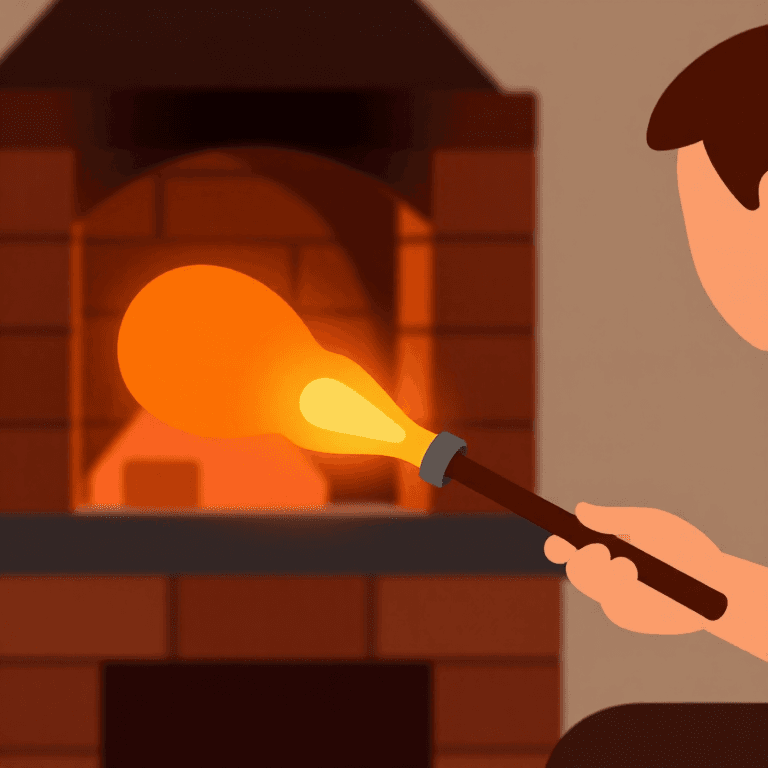
Blowing a Glass Bottle by Hand — Free-Blown Vessel Shaping
láti ọwọ́ Forge
Iṣẹ́ Gíláàsì
73
0
0
0
5
0
10% Ìpín
Natural Cork Stoppers from Bark
láti ọwọ́ Woody
Iṣẹ́ Igi
48
0
0
0
3
0
10% Ìpín
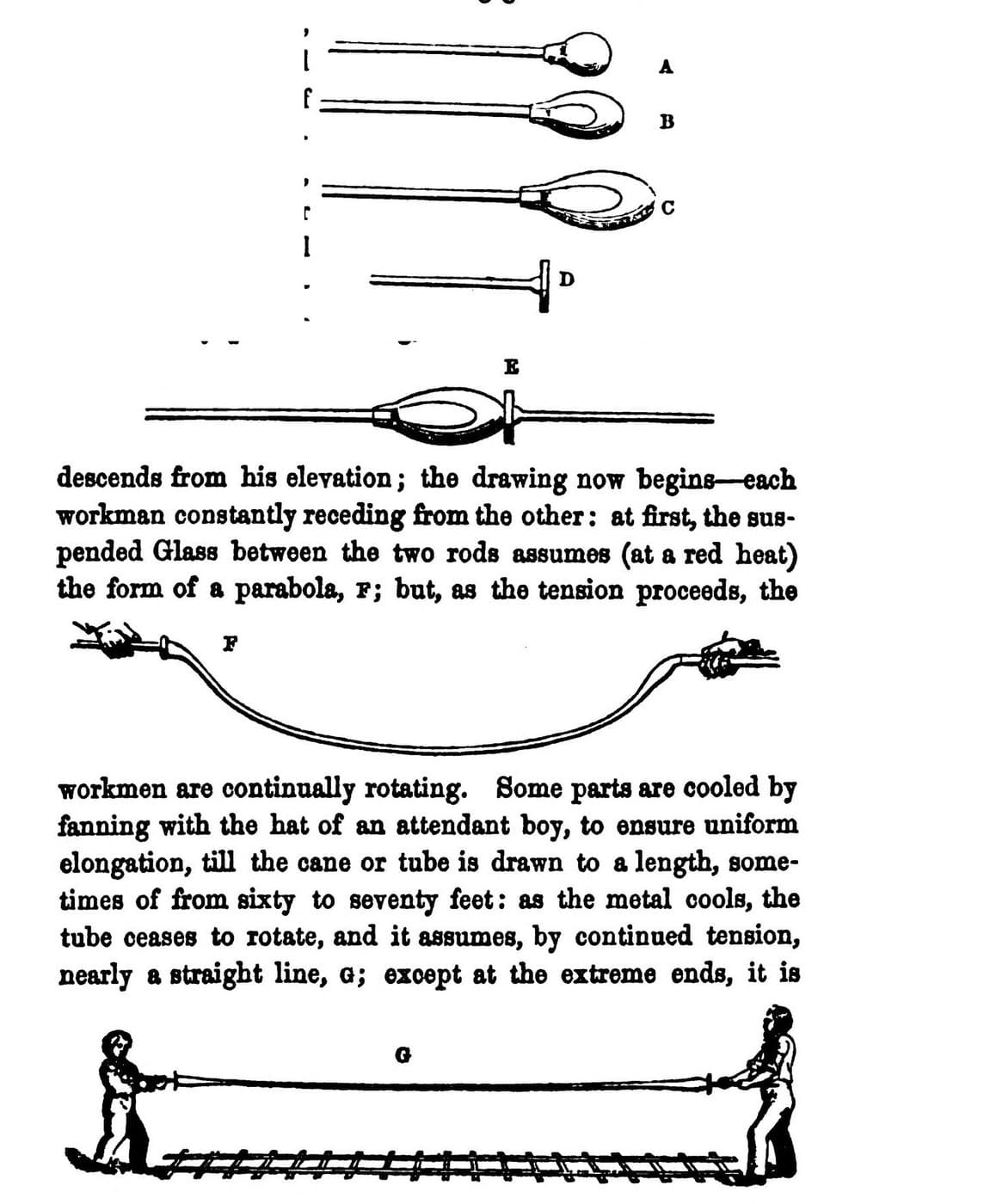
Glass Tube: Drawn by Two Glassmakers Walking Apart (Pellatt, 1849)
láti ọwọ́ Charlie
Inorganic
9
0
0
0
3
0
10% Ìpín
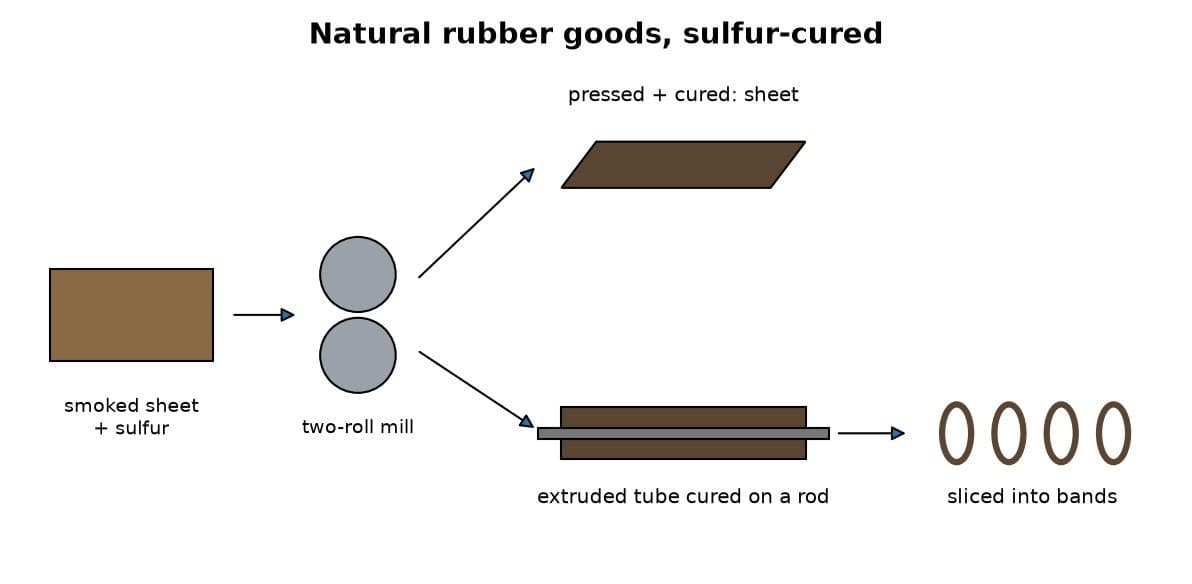
Natural Rubber Tubing, Bands and Sheet: Sulfur-Cured with Heat
láti ọwọ́ Mary
Kẹ́míkà
17
0
0
0
2
0
Ìtọ́nisọ́nà yìí ń ṣe
CC0 Àgbègbè Gbogbogbò
Blueprint yìí ti jáde lábẹ́ CC0. O lè ṣe àdàkọ, yí padà, pín, àti lò láìsí ìyọ̀ǹda.
Ṣàtìlẹ́yìn Olùṣẹ́dá nípa rírà àwọn ọjà nipasẹ̀ Blueprint wọn Ẹ̀san Olùṣẹ́dá tí àwọn Olùtajà gbé kalẹ̀, tàbí ṣẹ̀dá àtúnṣe tuntun ti Blueprint yìí kí o sì fi sínú Blueprint rẹ gẹ́gẹ́ bí ìsopọ̀ láti pín owó-wíwọlé.