IṢẸ́ ỌNÀ
ẸWÀ ÀTI ÌLERA
IṢẸ́ ỌWỌ́
ÀṢÀ ÀTI ÌTÀN
ÌṢERÉ
ÀYÍKÁ
OÚNJẸ ÀTI OHUN MÍMU
REVERSE ENGINEERING
SÁYẸ́ǸSÌ
ERÉ ÌDÁRAYÁ
ÌMỌ̀-Ẹ̀RỌ
ÀWỌN OHUN WÍWỌ̀
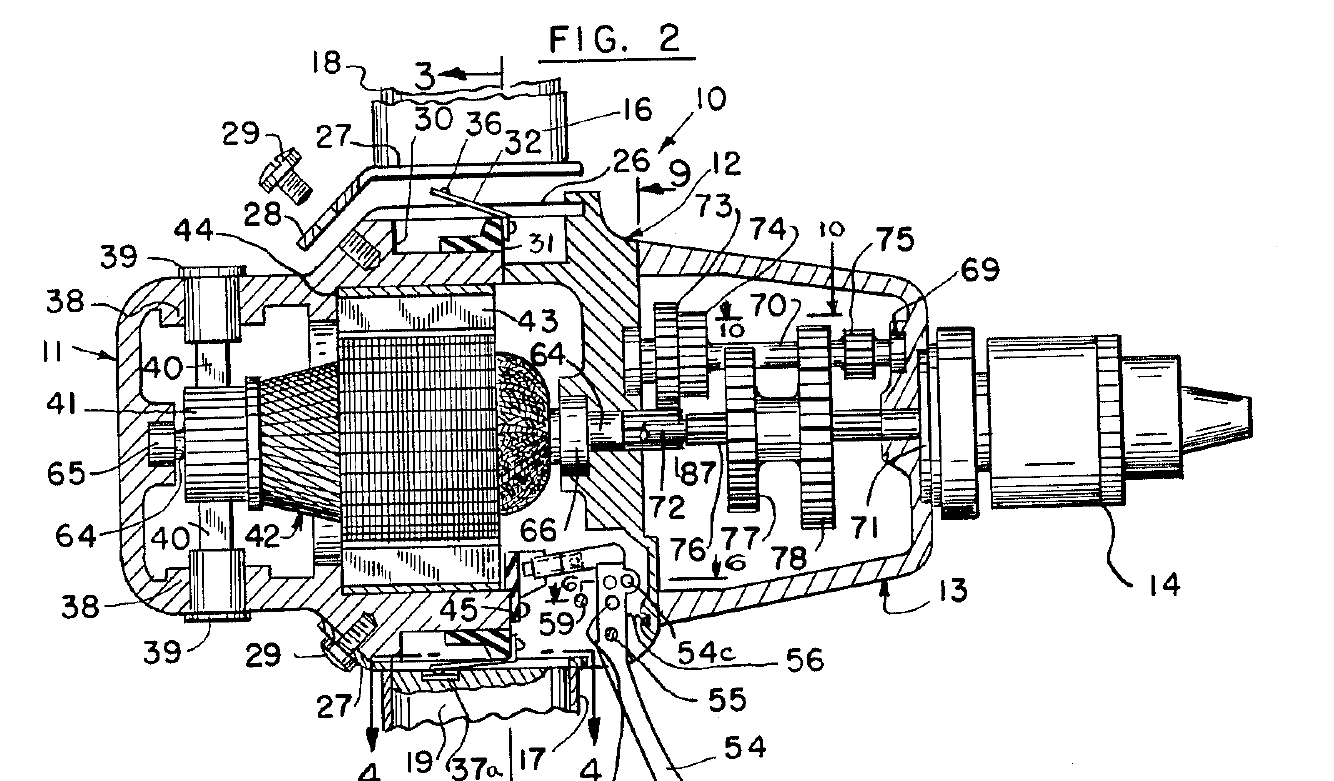


Heavy-Duty Battery-Powered Electric Drill: Riley & Elligson, 1965
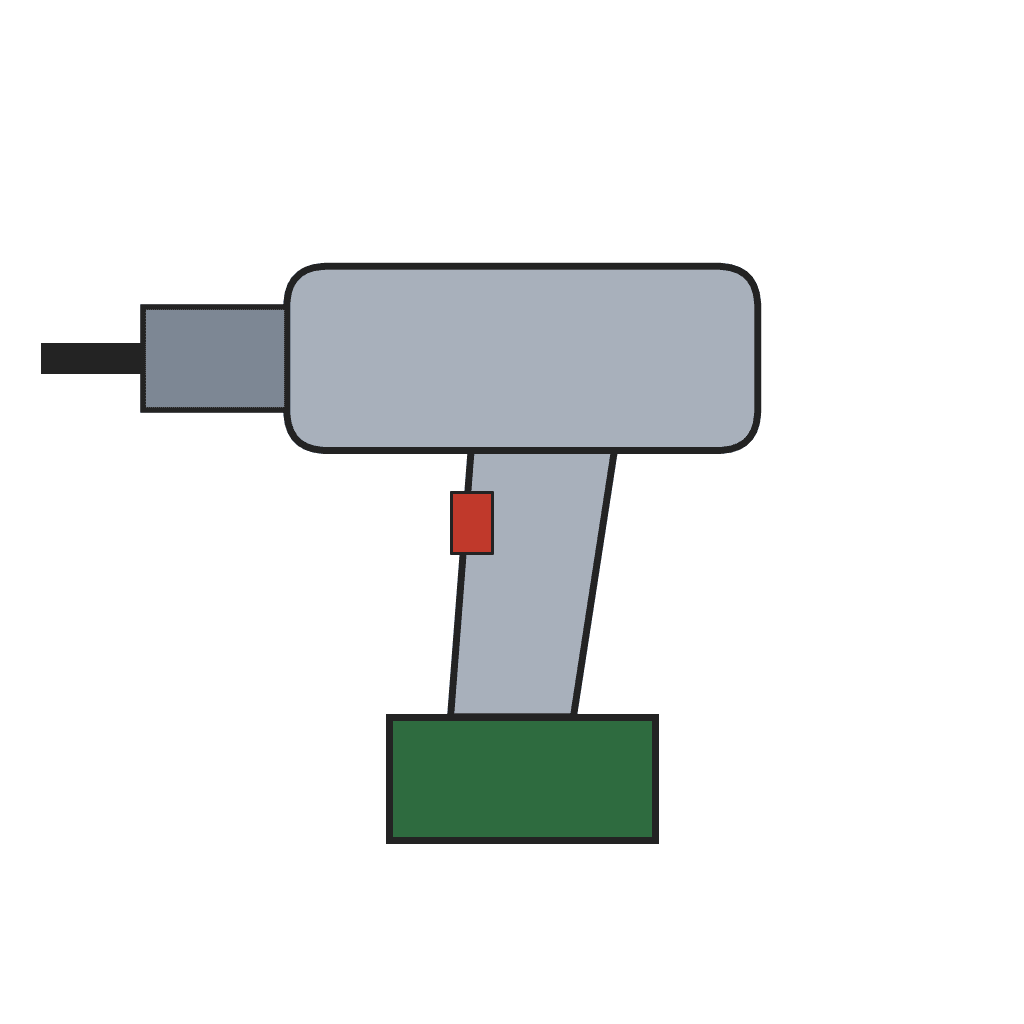
Robert H. Riley Jr. and Daniel M. Elligson of Black & Decker patented a cordless drill in 1965, US 3,213,305, with about the torque of a corded half-inch drill, for contractors and line workers. A permanent-magnet DC motor drives the chuck through a two-speed gearbox. Two hollow side handles each hold a slide-out pack of rechargeable nickel-cadmium or silver-cadmium cells, wired in series with the motor and a trigger switch. Their working model had 18 silver-cadmium cells, about 25 volts in all, and gave 550 rpm in high and 225 rpm with 28 foot-pounds of torque in low. The low voltage made it safe in ordinarily hazardous conditions, such as boat maintenance and repair.
Ilọsíwájú
Factory process
Ìlànà
1
1
Field case and motor
Field case and motor
Retain the field assembly, two permanent-magnet tubular segments glued inside a concentric sleeve, in the field case. Fit the brushholders in two bosses at the rear, with silver-graphite brushes riding on the commutator of the wound laminated armature. The working model's armature has 16 slots, each with 10 turns of No. 18 wire.
Àwọn ohun èlò fún ìgbésẹ̀ yìí:
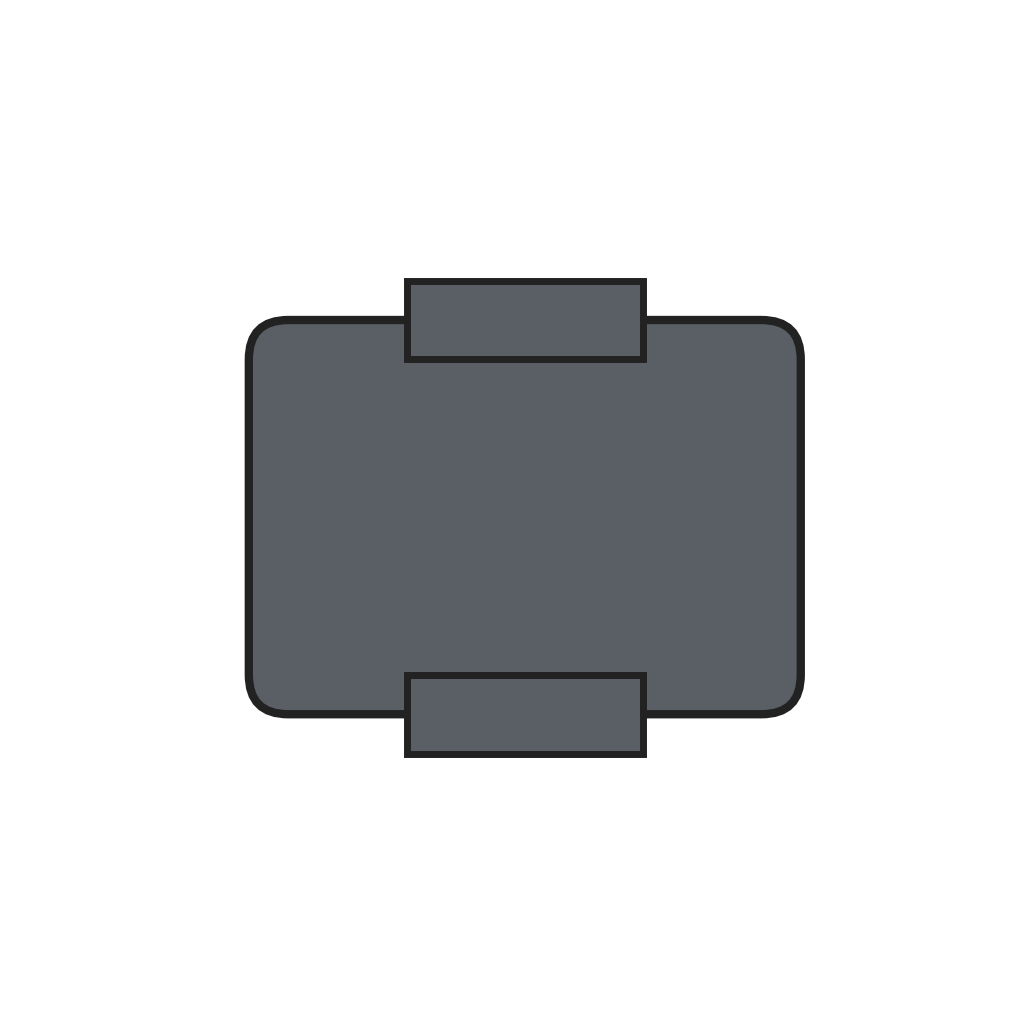 Àpótí field ẹ̀rọ ìlu1 ẹyọ
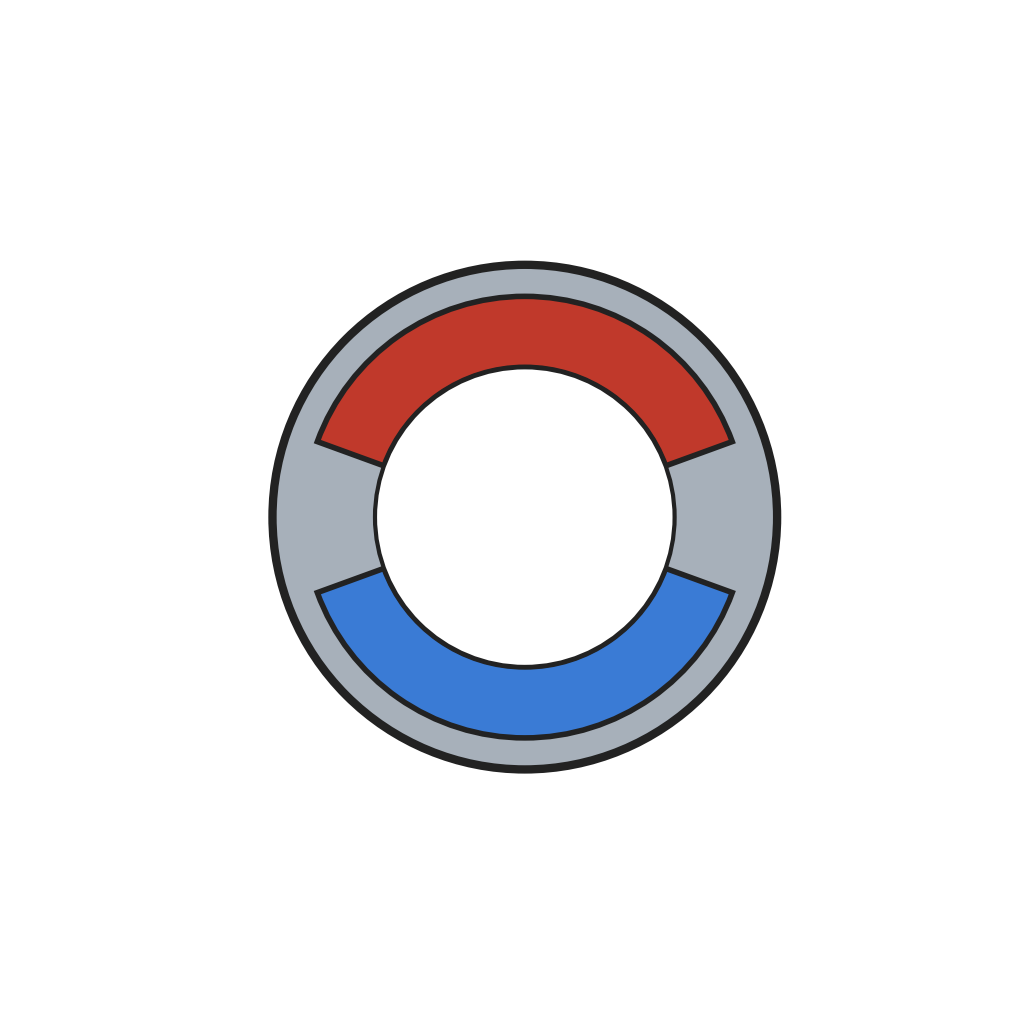 Àkójọ field oofa àìyípadà1 ẹyọ
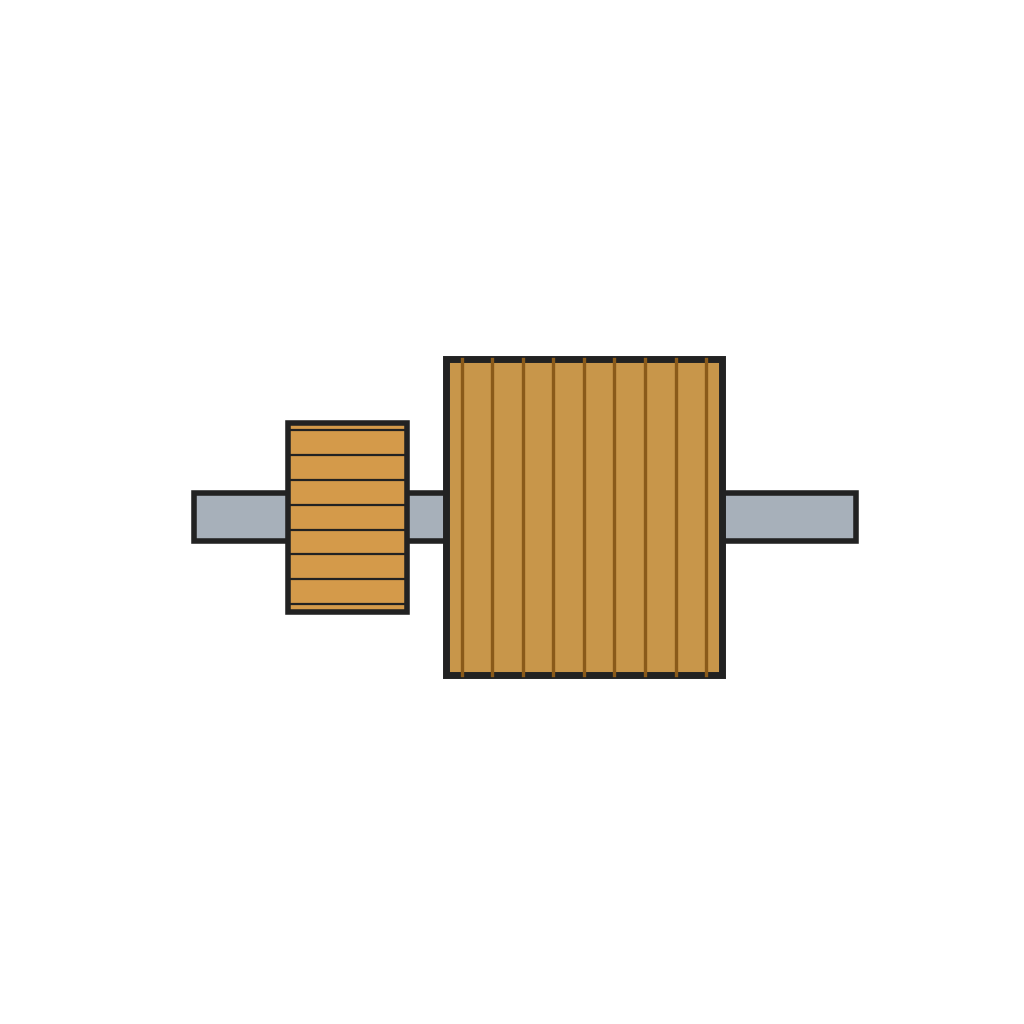 Armature oníìpele tí a wé pẹ̀lú commutator1 ẹyọ
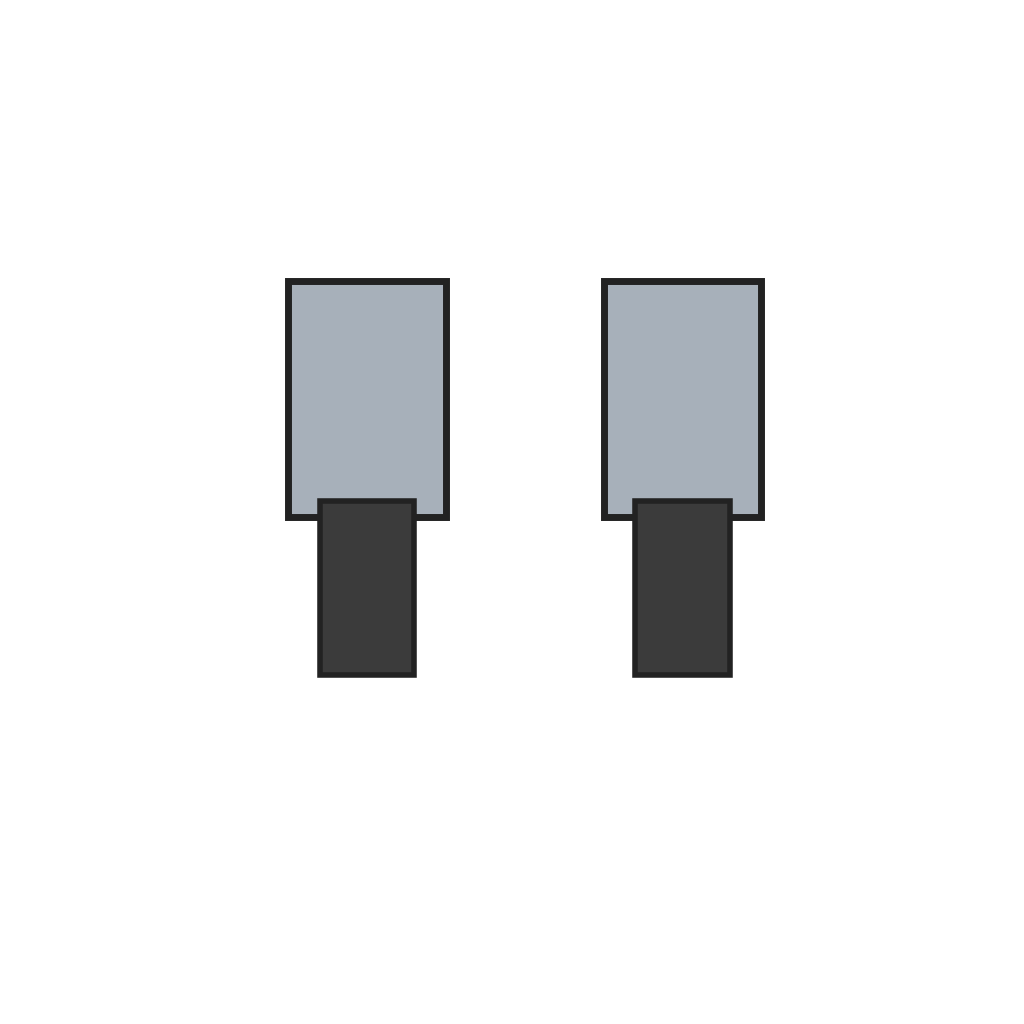 Búrọ́ọ̀ṣì fàdákà-graphite àti àwọn ìdìmú wọn1 ẹyọ
2
2
Gear case
Gear case
Secure the gear case cover ahead of the field case and the gear case ahead of that. The armature pinion drives an intermediate gear and shaft carrying two pinions; a gear cluster slides on the splined output spindle, and a shift lever turning an eccentric shaft through about 180 degrees moves it to mesh one pinion or the other, for high or low speed. Fit the chuck on the spindle.
Àwọn ohun èlò fún ìgbésẹ̀ yìí:
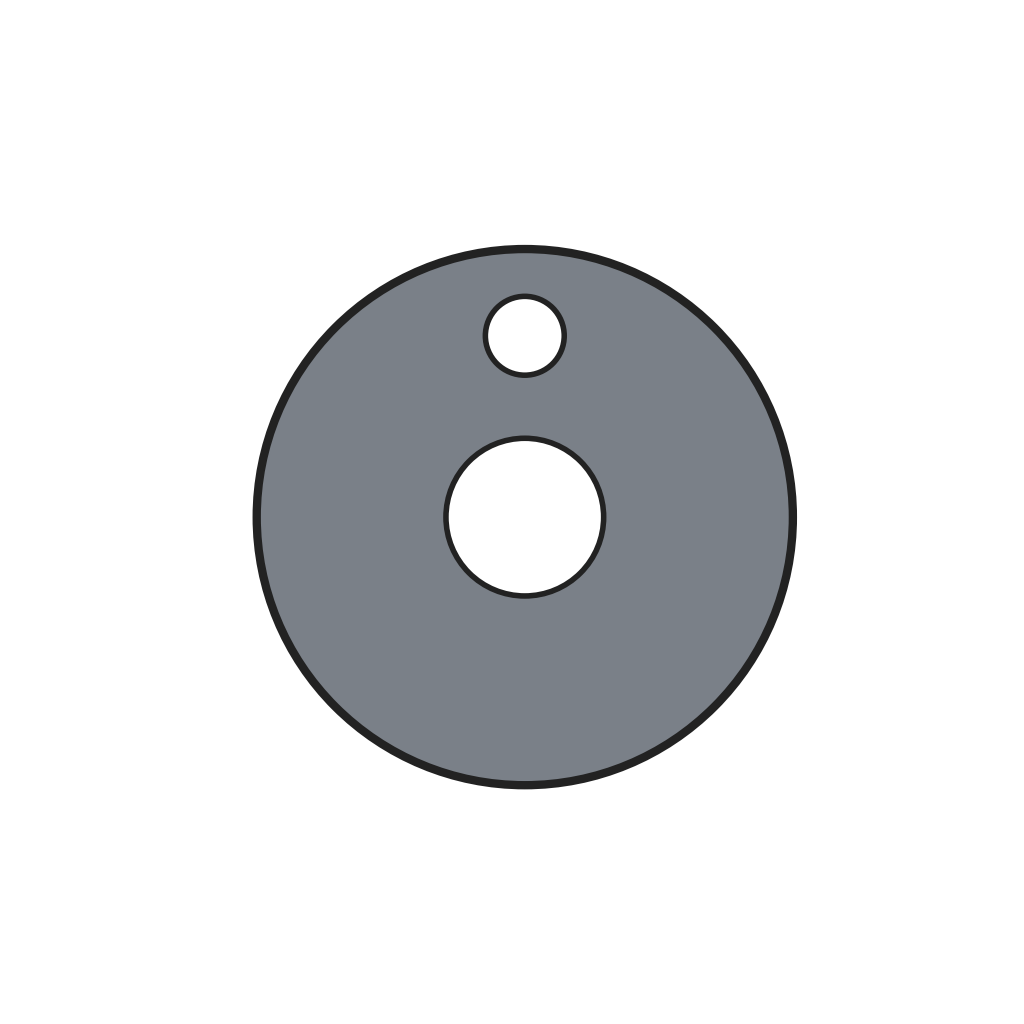 Ìbòrí àpótí jìà ẹ̀rọ ìlu1 ẹyọ
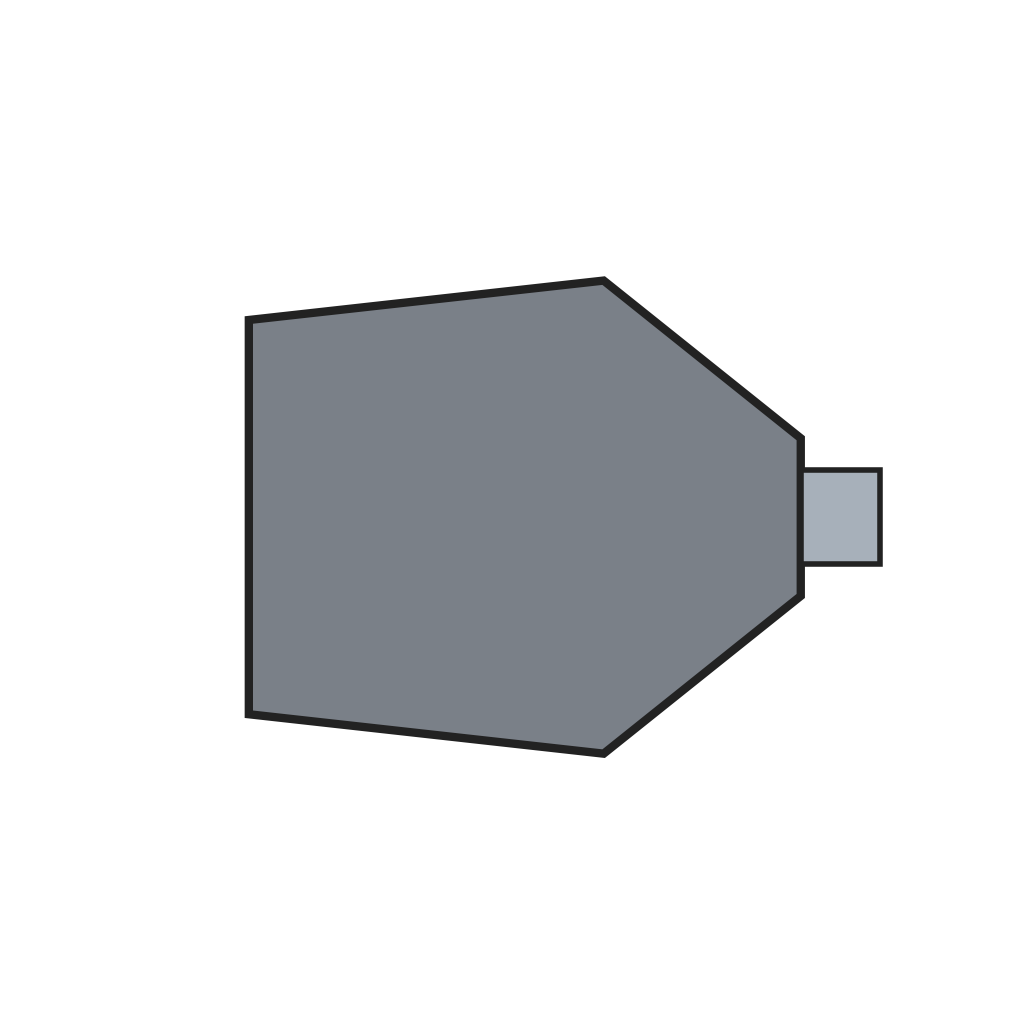 Àpótí jìà ẹ̀rọ ìlu1 ẹyọ
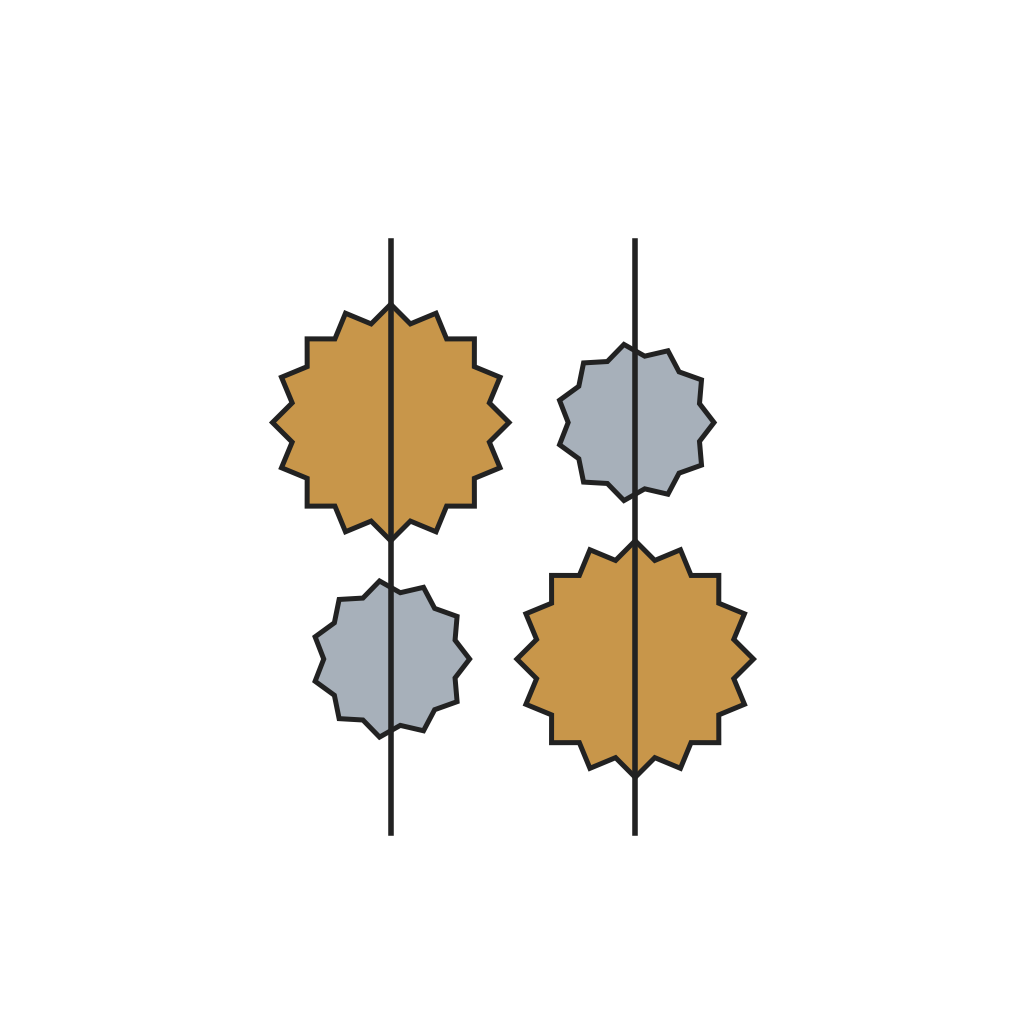 Ìyípadà eré méjì ẹ̀rọ ìlu1 ẹyọ
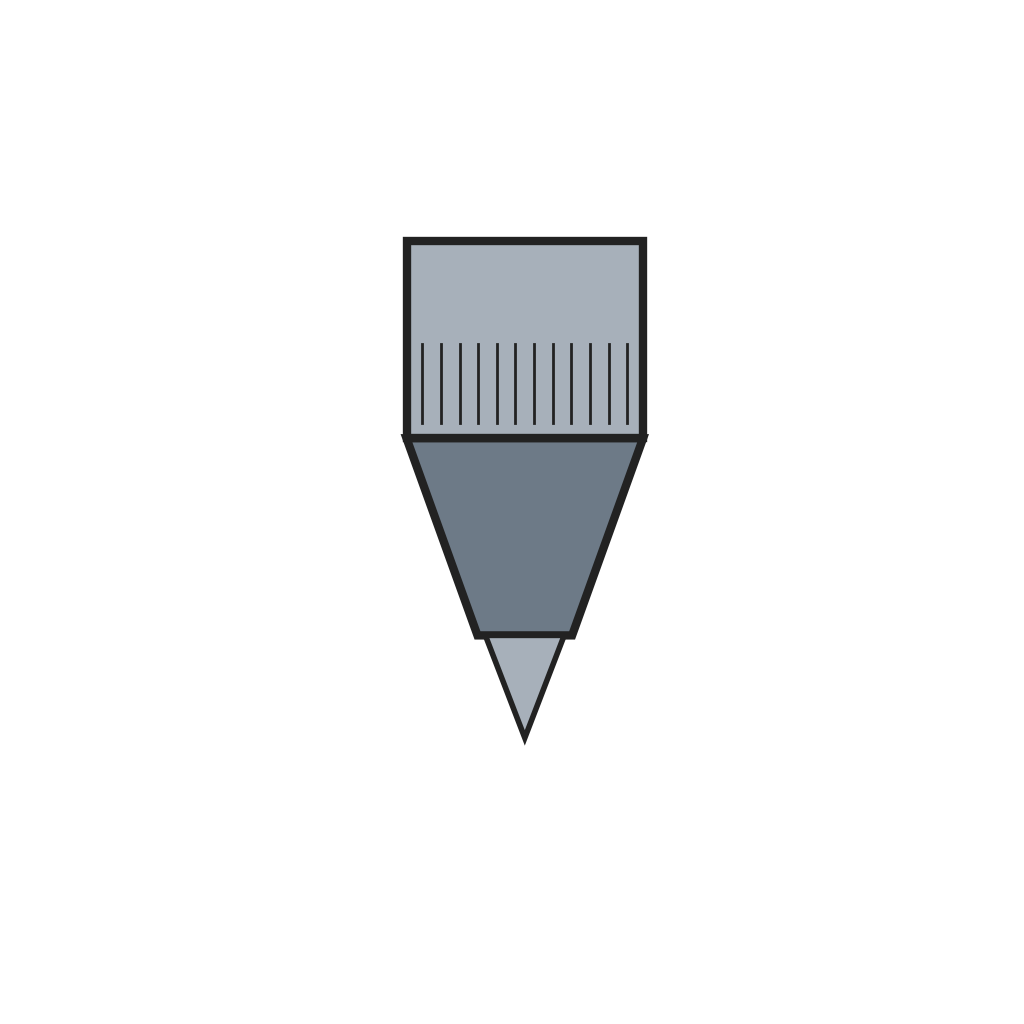 Chuck ẹ̀rọ ìlu1 ẹyọ
3
3
Battery handles
Battery handles
Screw a hollow handle to each side of the field case, in line with each other and across the drill's axis. Slide a battery pack into each from its open end and close it with a quick-release cover held by a locking spring, with a leaf spring pressing the pack onto the contacts. Fit the end handle at the rear.
Àwọn ohun èlò fún ìgbésẹ̀ yìí:
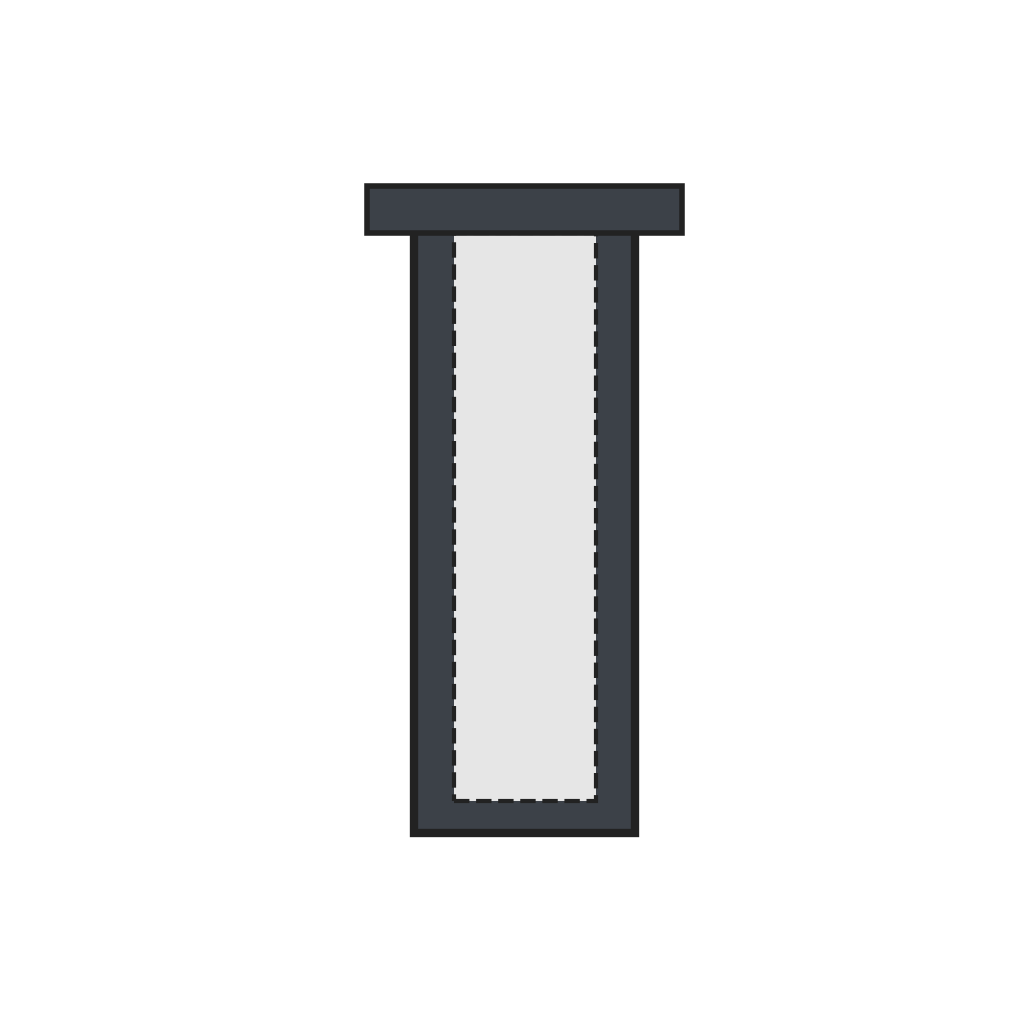 Ọwọ́ bátìrì oníhò2 ẹyọ
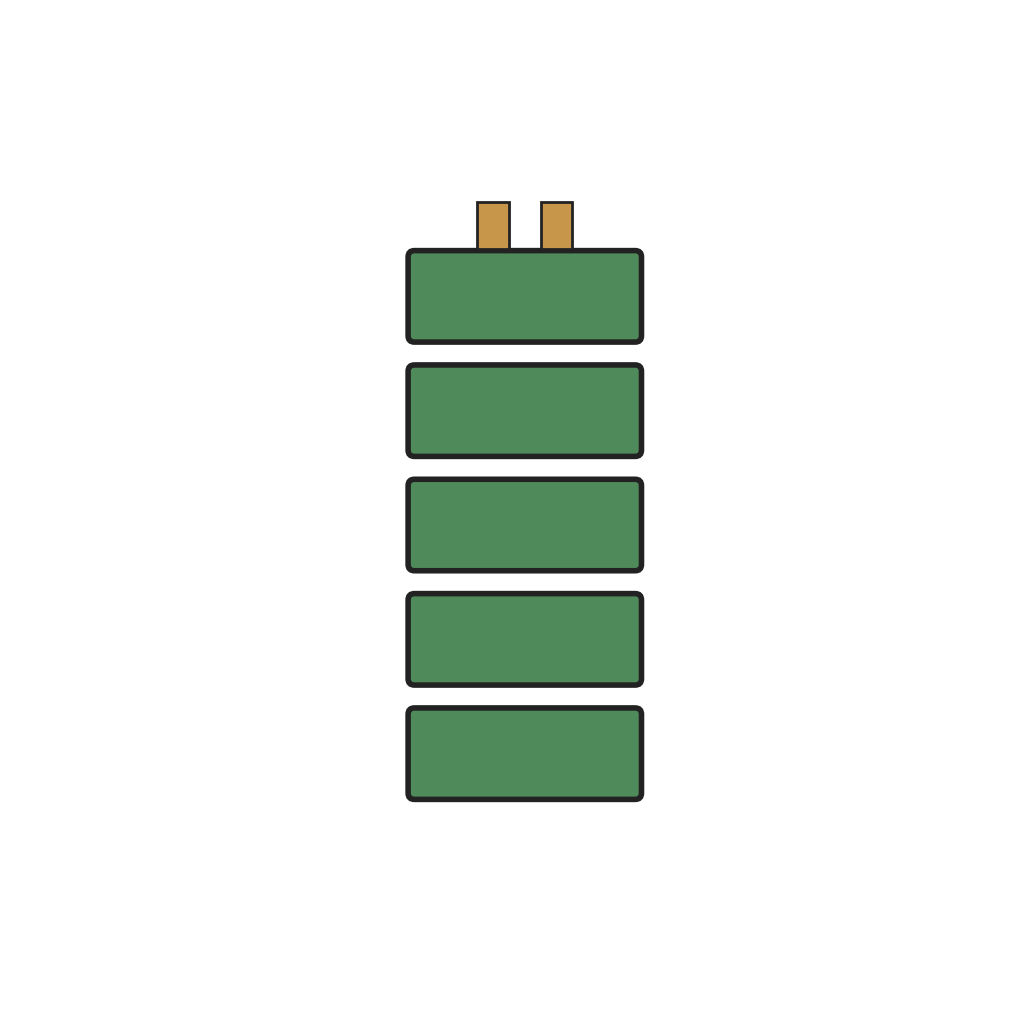 Àkójọ bátìrì àtúngbà tí a lè yọ2 ẹyọ
 Ìbòrí ọwọ́ ìtúsílẹ̀ kíákíá2 ẹyọ
 Ọwọ́ ẹ̀yìn1 ẹyọ
4
4
Contacts and trigger
Contacts and trigger
Secure an insulated block with leaf-spring contacts at the top and bottom of the field case to meet each pack's terminals, and wire the packs, the switch contacts and the brushes in series. Pivot the spring-loaded trigger on the gear case cover so its contact bridges the two switch buttons; a sliding pin locks it on or off.
Àwọn ohun èlò fún ìgbésẹ̀ yìí:
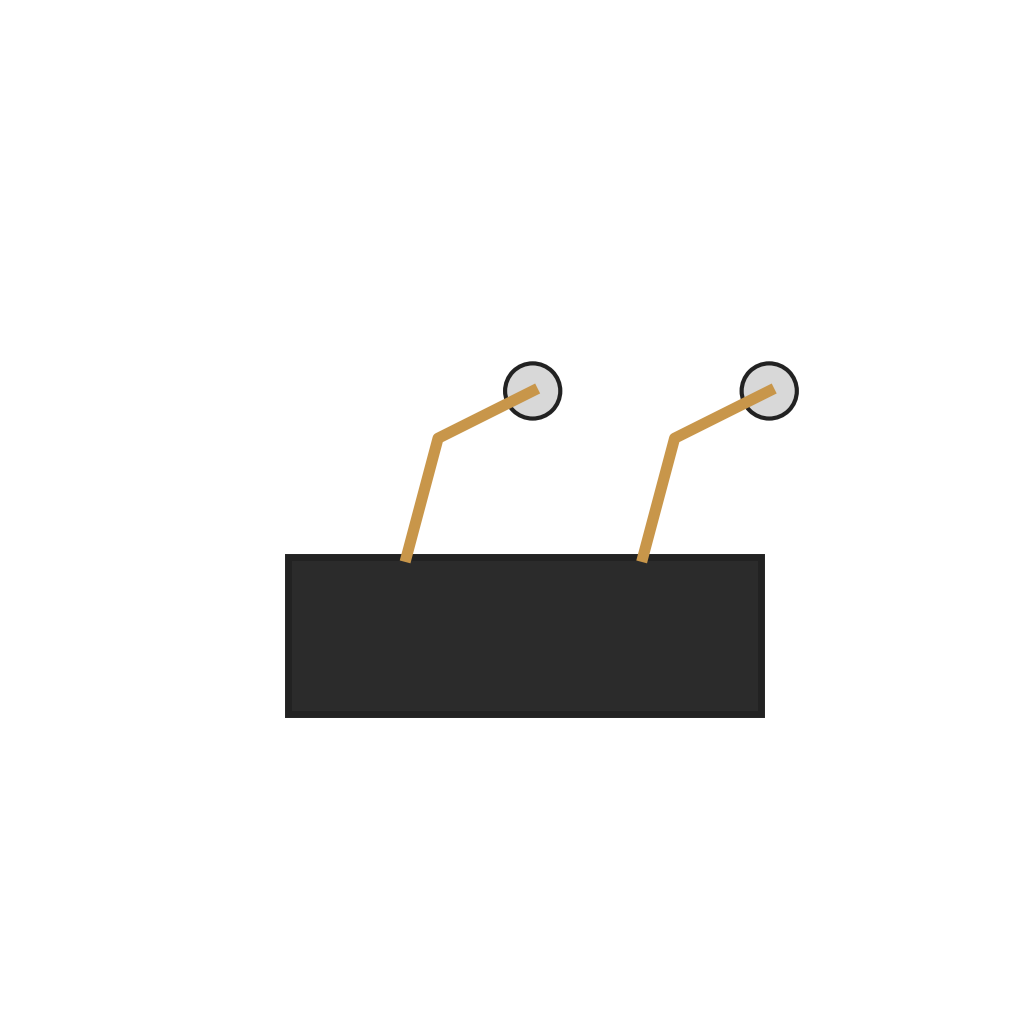 Ìfarakanra sípírínì pẹlẹbẹ lórí búlọ́ọ̀kù ìdábòbò2 ẹyọ
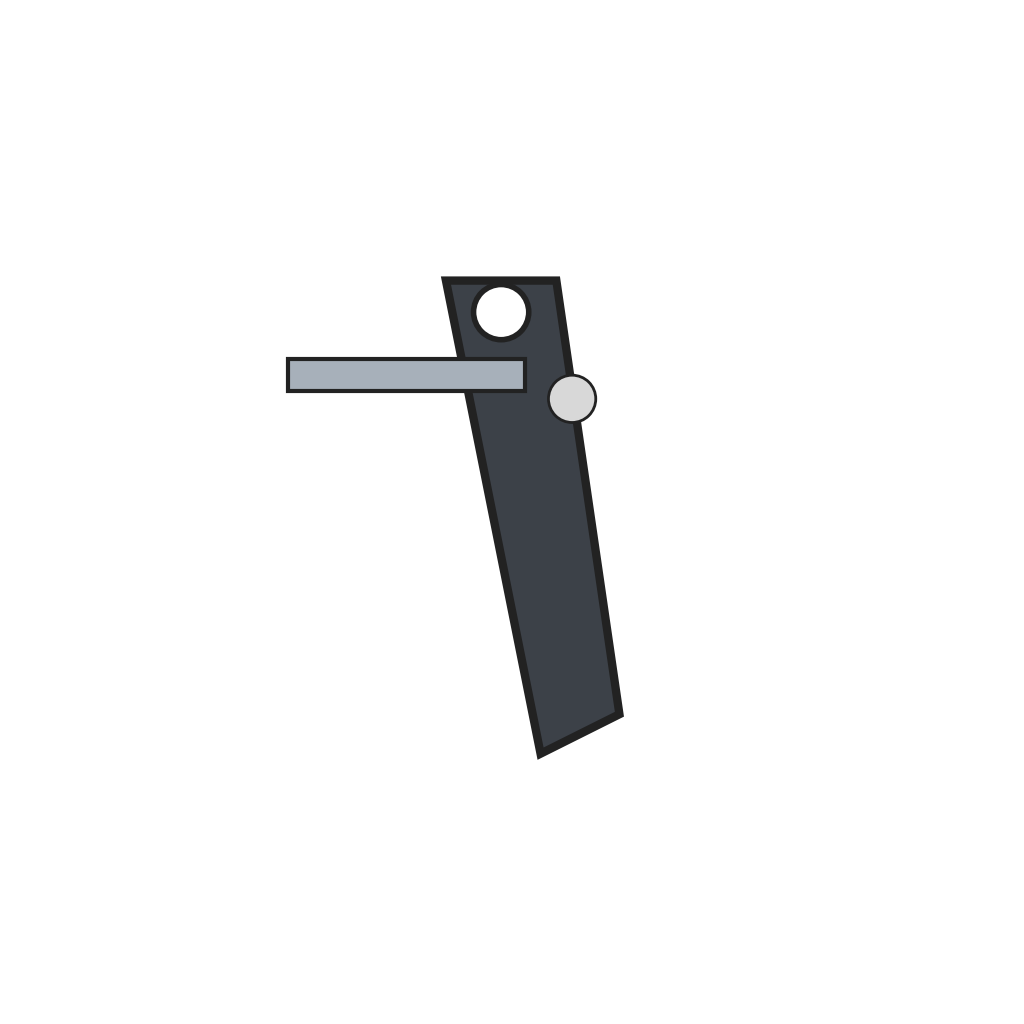 Switch ìfà yíyí pẹ̀lú títì1 ẹyọ
Àwọn ohun-èlò
14- 1 ẹyọÀyè
- Àyè
- Àyè
- 1 ẹyọÀyè
- Àyè
- 1 ẹyọÀyè
- 2 ẹyọÀyè
- Àyè
- Àyè
- 1 ẹyọÀyè
- Àyè
Ìtọ́nisọ́nà yìí ń ṣe
Blueprint tó jọra
Àwọn blueprint wọ̀nyí pín ìmọ̀ — ọ̀nà, ohun-èlò tàbí ìlànà

CC0 Àgbègbè Gbogbogbò
Blueprint yìí ti jáde lábẹ́ CC0. O lè ṣe àdàkọ, yí padà, pín, àti lò láìsí ìyọ̀ǹda.
Ṣàtìlẹ́yìn Olùṣẹ́dá nípa rírà àwọn ọjà nipasẹ̀ Blueprint wọn Ẹ̀san Olùṣẹ́dá tí àwọn Olùtajà gbé kalẹ̀, tàbí ṣẹ̀dá àtúnṣe tuntun ti Blueprint yìí kí o sì fi sínú Blueprint rẹ gẹ́gẹ́ bí ìsopọ̀ láti pín owó-wíwọlé.