IṢẸ́ ỌNÀ
ẸWÀ ÀTI ÌLERA
IṢẸ́ ỌWỌ́
ÀṢÀ ÀTI ÌTÀN
ÌṢERÉ
ÀYÍKÁ
OÚNJẸ ÀTI OHUN MÍMU
REVERSE ENGINEERING
SÁYẸ́ǸSÌ
ERÉ ÌDÁRAYÁ
ÌMỌ̀-Ẹ̀RỌ
ÀWỌN OHUN WÍWỌ̀


Beech Wood Distilled in an Iron Retort: Tar, Wood Vinegar and Charcoal
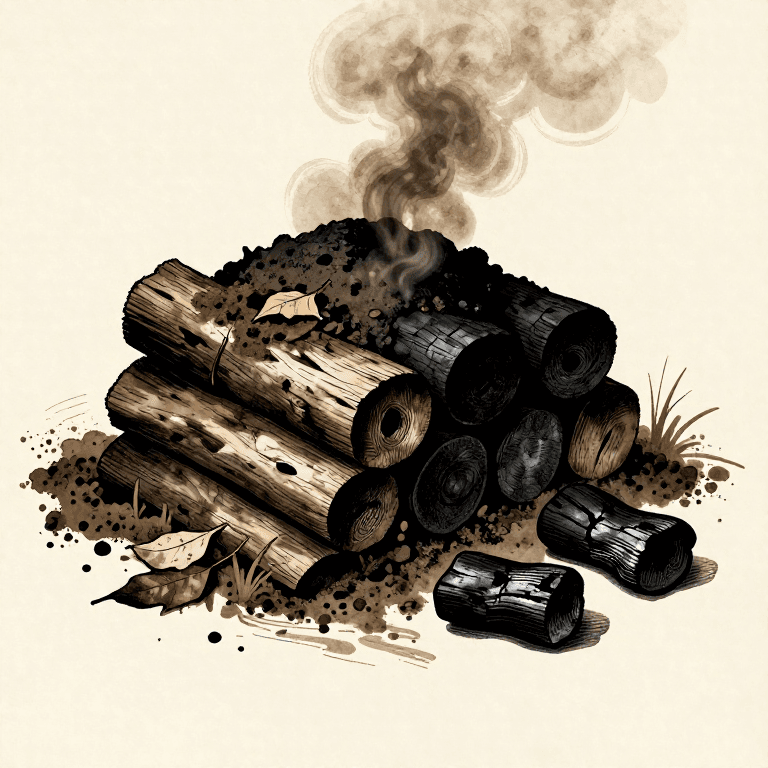
Heating hard wood in a closed iron vessel drives off a sour brown liquid, pyroligneous acid or wood vinegar, loaded with tar, and leaves charcoal behind. Andrew Ure (1839) describes the British works: iron cylinders set in brickwork, oak, ash, birch or beech only, and the crude liquor distilled again to leave the tar in the still. Beech tar is the starting point for Reichenbach's paraffin.
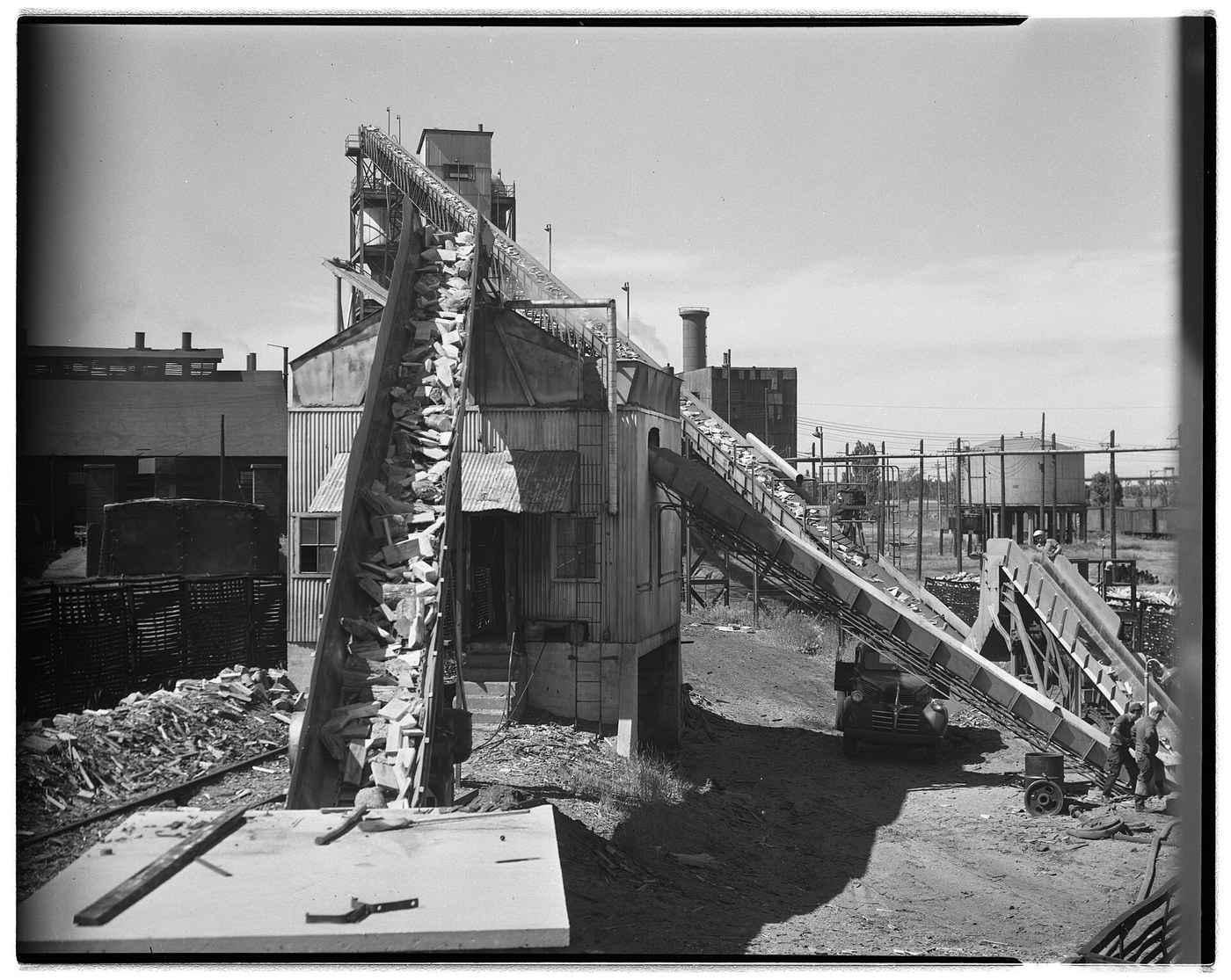
The picture: a later, far larger plant: the vertical retort and wood conveyor of the Cliffs Dow wood distillation works in Marquette, Michigan.
Ilọsíwájú
A day's firing, then rectifying
Ìlànà
1
1
Cut the wood
Cut the wood
Saw and split beech into billets that fit the retort. Ure: use hard woods only (oak, ash, birch, beech); fir does not answer.
Àwọn ohun èlò fún ìgbésẹ̀ yìí:
 Igi líle (oaki, mápù, bíìṣì)20 kg
Àwọn irinṣẹ́ tí a nílò:
 Ayùn
 Àáké
2
2
Charge and lute the retort
Charge and lute the retort
Fill the iron retort, close the mouth with its iron lid, seal the edge with wet clay and wedge it tight. Lead the outlet pipe to a water-cooled condenser running into a barrel.
Àwọn irinṣẹ́ tí a nílò:
 Ohun ìbíra irin
 Amọ̀
 Ìyípo ẹ̀rọ ìtutù
 Àgbá igi
3
3
Fire it
Fire it
Light the furnace under the retort and keep it going through the day. Water comes first, then a sooty brown liquor. Ure's sign of the end: a few drops of water thrown on the first, uncooled pipe evaporate quietly.
Àwọn ohun èlò fún ìgbésẹ̀ yìí:
 Igi Ìdáná1 as required
Àwọn irinṣẹ́ tí a nílò:
Ohun ìbíra irin Ìbọ̀wọ́ Tí Ń Fara Da Ooru
4
4
Cool, then take out the charcoal
Cool, then take out the charcoal
Let it cool overnight before opening; hot charcoal flares in air. Ure's charcoal came to about one fifth of the wood's weight.
Àwọn irinṣẹ́ tí a nílò:
Ohun ìbíra irinÌbọ̀wọ́ Tí Ń Fara Da Ooru5
5
Rectify: vinegar off, tar left
Rectify: vinegar off, tar left
Distil the crude brown liquor again in a copper still. A clearer brown wood vinegar comes over; thick tar stays behind, about a fifth of the liquor (Ure). Pour the tar off into a tank while it is warm.
Àwọn irinṣẹ́ tí a nílò:
 Alembiki bàbàÌyípo ẹ̀rọ ìtutù
 Àpótí ìjókòó
 Òǹwọ̀n ìwúwo omi
 Gílásì Ààbò Fún Ìfọ́n Kẹ́míkà
6
6
What one charge gives
What one charge gives
Ń ṣí ìwé Jupyter…
7
7
Limits
Limits
The method and yields are Ure's, from works with 8 cwt charges; the 20 kg charge and the scaling are ours. The gas from the retort burns: lead it away from the fire or burn it under the retort, as the French works did.
Ìtọ́nisọ́nà yìí ń ṣe
Blueprint tó jọra
Àwọn blueprint wọ̀nyí pín ìmọ̀ — ọ̀nà, ohun-èlò tàbí ìlànà
CC0 Àgbègbè Gbogbogbò
Blueprint yìí ti jáde lábẹ́ CC0. O lè ṣe àdàkọ, yí padà, pín, àti lò láìsí ìyọ̀ǹda.
Ṣàtìlẹ́yìn Olùṣẹ́dá nípa rírà àwọn ọjà nipasẹ̀ Blueprint wọn Ẹ̀san Olùṣẹ́dá tí àwọn Olùtajà gbé kalẹ̀, tàbí ṣẹ̀dá àtúnṣe tuntun ti Blueprint yìí kí o sì fi sínú Blueprint rẹ gẹ́gẹ́ bí ìsopọ̀ láti pín owó-wíwọlé.