
IṢẸ́ ỌNÀ
ẸWÀ ÀTI ÌLERA
IṢẸ́ ỌWỌ́
ÀṢÀ ÀTI ÌTÀN
ÌṢERÉ
ÀYÍKÁ
OÚNJẸ ÀTI OHUN MÍMU
REVERSE ENGINEERING
SÁYẸ́ǸSÌ
ERÉ ÌDÁRAYÁ
ÌMỌ̀-Ẹ̀RỌ
ÀWỌN OHUN WÍWỌ̀
Beet Spirit: Sugar-Beet Juice Pressed, Fermented on Its Own Leaven and Distilled Twice (Byrn, 1868)
Alchometer

Ṣẹ́dá nipasẹ̀

Alchometer

19. Oṣù Kọkànlá 2026GB
5
0
0
0
0

Beet Spirit: Sugar-Beet Juice Pressed, Fermented on Its Own Leaven and Distilled Twice (Byrn, 1868)

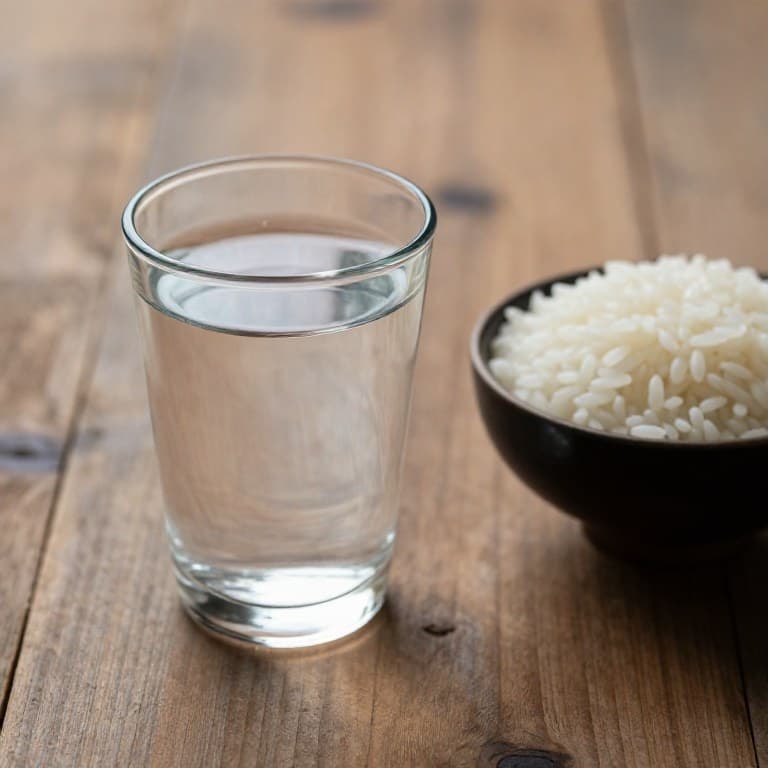
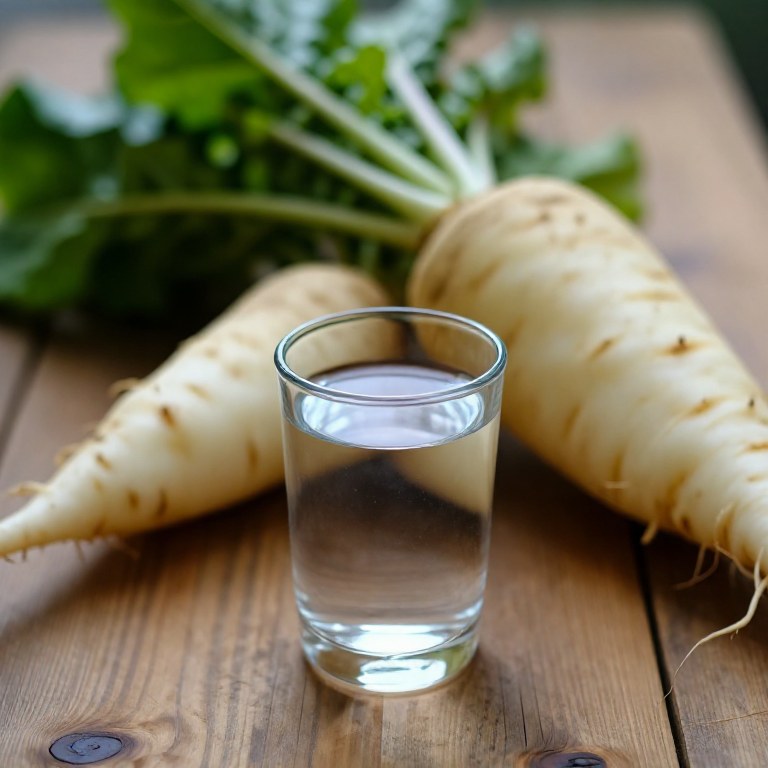
Spirit of beet-root as M. La Fayette Byrn gives it in The Complete Practical Distiller (1868): white sugar beets grated, pressed in bags for 65-80% of their weight in juice, which ferments at once on its own leaven, then distilled and distilled again to take away the beet's acrid taste. Distilling spirits without a licence is illegal in many countries: check your law first.
Ilọsíwájú
About 2 weeks

Ìlànà

1

Read Byrn, and the law

"The sugar of the beet-root is identical with that of the cane when it is refined" (p. 127). Ours: distilling spirits without a licence is illegal in many countries, Norway and the United States among them. Check your law first.
2

The still

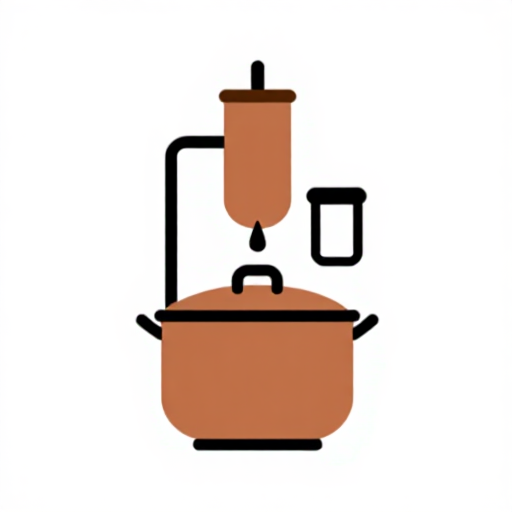
A pot still with a worm in a tub of cold water.
3

Juice and strength

Ń ṣí ìwé Jupyter…
4

Choose and keep the beets

Byrn prefers the white, the yellow, and the white-inside, red-outside beet. Lift them in late September or October, cut off the necks and keep them frost-free in a cellar or a covered pit until you use them.

Àwọn ohun èlò fún ìgbésẹ̀ yìí:

Sugar BeetSugar Beet1 as required

Àwọn irinṣẹ́ tí a nílò:

Òṣùwọ̀n Díjítà Ilé ÌdánáÒṣùwọ̀n Díjítà Ilé Ìdáná
5

Grate to pulp

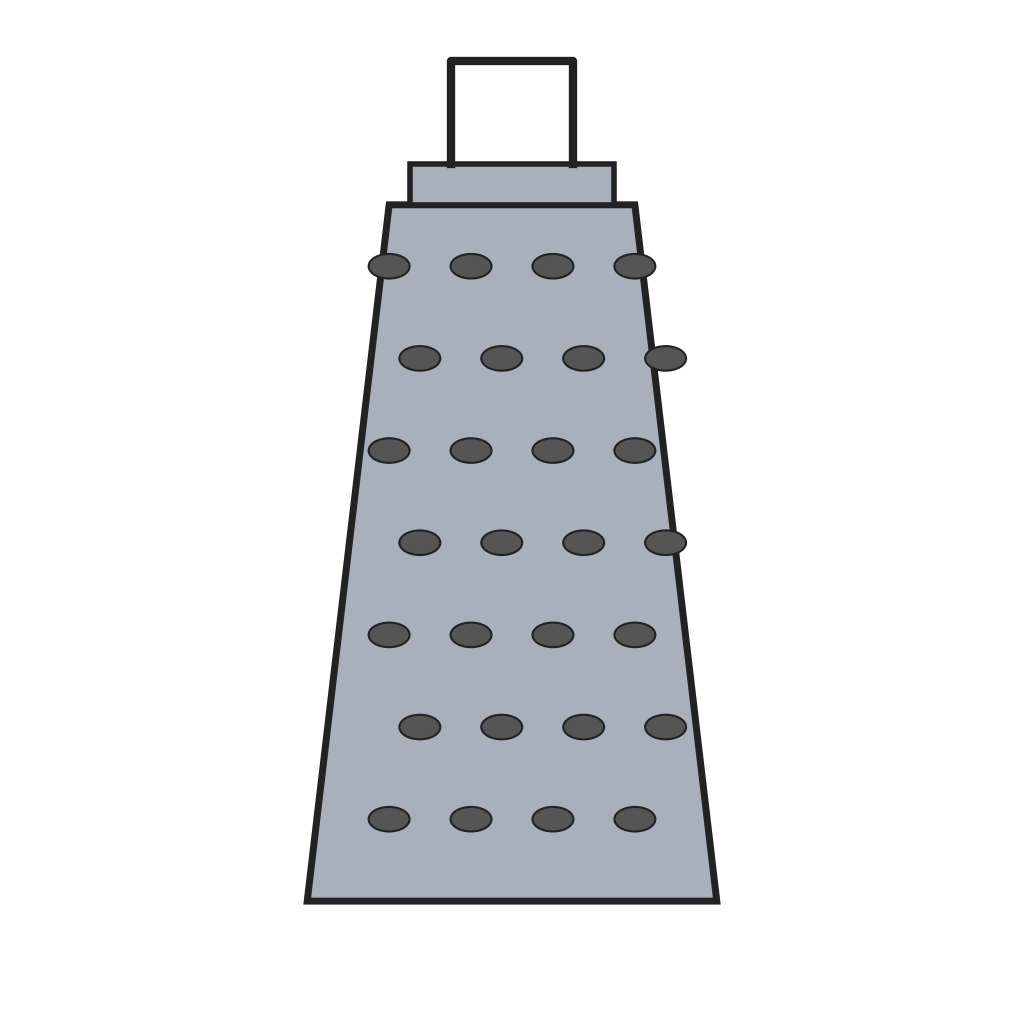
Wash them and grate them to a fine pulp; Byrn used a drum armed with saw blades, ours is a grater.

Àwọn ohun èlò fún ìgbésẹ̀ yìí:

OmiOmi1 as required

Àwọn irinṣẹ́ tí a nílò:
Ohun èlò ìhọOhun èlò ìhọ
Àwokòtò igiÀwokòtò igi
6

Press in bags

Put the pulp in bags and press hard: a strong press gives 65-80% of the beets' weight in juice. For more, wet the pressed pulp and press it again.

Àwọn irinṣẹ́ tí a nílò:

Àpò ìsẹ́Àpò ìsẹ́
Ẹ̀rọ ìfún èso àjàràẸ̀rọ ìfún èso àjàrà
Àwokòtò igiÀwokòtò igi
7

Check the juice

Neat juice reads 5-9 Baume (gravity about 1.036-1.066), by the year and the kind of beet.

Àwọn irinṣẹ́ tí a nílò:

Òǹwọ̀n ìwúwo omiÒǹwọ̀n ìwúwo omi
8

Ferment at once

Put the juice to ferment straight away: Byrn says its own leaven "soon begins to work", so he adds no yeast. He gives no time: ours, leave it until it stops working.

Àwọn irinṣẹ́ tí a nílò:

Àwokòtò igiÀwokòtò igi
Ẹ̀rọ Ìwọ̀n Ooru ÌdánáẸ̀rọ Ìwọ̀n Ooru Ìdáná
9

Charge and lute the still

Charge the still with the fermented juice. Lute the joints of body and head with a paste of half whiting and half rye meal. Keep a piece of paste in reserve.

Àwọn ohun èlò fún ìgbésẹ̀ yìí:

Calcium carbonate (ẹfun funfun)Calcium carbonate (ẹfun funfun)1 as required

Ìyẹ̀fun ryeÌyẹ̀fun rye1 as required
OmiOmi1 as required

Àwọn irinṣẹ́ tí a nílò:
Ẹ̀rọ ìpọn-ọtíẸ̀rọ ìpọn-ọtí
10

Raise the fire by degrees

Start a moderate fire and increase it by degrees, feeling the body of the still with your hand. When the still-head grows hot, damp the fire. Keep candles and flames away from the spirit; have a wet woollen blanket ready.

Àwọn irinṣẹ́ tí a nílò:

Ẹ̀rọ ìpọn-ọtíẸ̀rọ ìpọn-ọtí
Woven Wool BlanketWoven Wool Blanket
11

Set aside the first runnings

Ours, not Byrn's: collect the first small portion that runs from the worm separately and do not drink it; the first runnings of a fruit spirit can carry methanol.

Àwọn irinṣẹ́ tí a nílò:

Ìgò ìwọ̀nÌgò ìwọ̀n
12

Run the low wines

Distil as long as a little of what runs, thrown on the hot still-head, will take fire from a lighted paper or candle. This is the low wines, the first extraction.

Àwọn irinṣẹ́ tí a nílò:

Ẹ̀rọ ìpọn-ọtíẸ̀rọ ìpọn-ọtí
Àbẹ́làÀbẹ́là
Àgbá igiÀgbá igi
Òǹwọ̀n ìwúwo omiÒǹwọ̀n ìwúwo omi
13

Double the low wines

Keep the low wines of about three distillations; they fill the still for the doubling, the second extraction. Distil them again the same way.

Àwọn irinṣẹ́ tí a nílò:

Ẹ̀rọ ìpọn-ọtíẸ̀rọ ìpọn-ọtí
14

Cut at the bead

Keep trying the spirit in a glass phial. When the bead falls at once and does not stay on the surface, change the receiver: what follows is feints.

Àwọn irinṣẹ́ tí a nílò:

Ìgò gíláàsì kékeré (fún àpẹẹrẹ)Ìgò gíláàsì kékeré (fún àpẹẹrẹ)
Ìgò ìwọ̀nÌgò ìwọ̀n
15

Collect the feints, stop the fire

Go on collecting the feints as long as they burn on the still-head. When they no longer burn, put out the fire and pour the feints into a cask of their own.

Àwọn irinṣẹ́ tí a nílò:

Àgbá igiÀgbá igi
Àbẹ́làÀbẹ́là
16

Bring to proof

Lower the spirit with water to proof by the hydrometer.

Àwọn ohun èlò fún ìgbésẹ̀ yìí:

OmiOmi1 as required

Àwọn irinṣẹ́ tí a nílò:

Òǹwọ̀n ìwúwo omiÒǹwọ̀n ìwúwo omi
Ìgò ìwọ̀nÌgò ìwọ̀n
17

Redistil the feints

When you have enough feints, charge the still with them almost to the top, add 4 lb (1.8 kg) of salt, and draw off as long as the spirit is strong enough.

Àwọn ohun èlò fún ìgbésẹ̀ yìí:

Iyọ̀Iyọ̀1.8 kg

Àwọn irinṣẹ́ tí a nílò:

Ẹ̀rọ ìpọn-ọtíẸ̀rọ ìpọn-ọtí
18

Keep it in glass

Byrn, on brandy: "When brandy is kept in vessels the pores of which will not admit of any transmission of the liquor, (as glass, for instance,) the brandy will improve." (p. 95.)

Àwọn ohun èlò fún ìgbésẹ̀ yìí:

Àwọn ìgò dígí pẹ̀lú ìdéríÀwọn ìgò dígí pẹ̀lú ìdérí1 ẹyọ

Àwọn irinṣẹ́ tí a nílò:

Ìgò ìwọ̀nÌgò ìwọ̀n
19

Troubleshooting

Beet spirit problems and fixes.

Flow

Loading...
20

History and honest limits

**M. La Fayette Byrn**, *The Complete Practical Distiller* (Philadelphia, 1868), pp. 127-130: beets rasped, pressed and the juice fermented at once. He also gives a route from beet molasses (pp. 131-132), not used here. No fermentation time is given; the still steps are his general rules (pp. 12-15, 135, 142, 163), the doubling being the rectification he names. Ours: the grater, the gravity figures, the law note and setting aside the first runnings.

Àwọn ohun-èlò

6

Àwọn irinṣẹ́ tó nílò

13

Ìtọ́nisọ́nà yìí ń ṣe

CC0 Àgbègbè Gbogbogbò

Blueprint yìí ti jáde lábẹ́ CC0. O lè ṣe àdàkọ, yí padà, pín, àti lò láìsí ìyọ̀ǹda.

Ṣàtìlẹ́yìn Olùṣẹ́dá nípa rírà àwọn ọjà nipasẹ̀ Blueprint wọn Ẹ̀san Olùṣẹ́dá tí àwọn Olùtajà gbé kalẹ̀, tàbí ṣẹ̀dá àtúnṣe tuntun ti Blueprint yìí kí o sì fi sínú Blueprint rẹ gẹ́gẹ́ bí ìsopọ̀ láti pín owó-wíwọlé.

Ìfọ̀rọ̀wérọ̀

(0)

Wọlé láti dara pọ̀ mọ́ ìfọ̀rọ̀wérọ̀

Ń gbé àwọn ọ̀rọ̀ wọlé...