IṢẸ́ ỌNÀ
ẸWÀ ÀTI ÌLERA
IṢẸ́ ỌWỌ́
ÀṢÀ ÀTI ÌTÀN
ÌṢERÉ
ÀYÍKÁ
OÚNJẸ ÀTI OHUN MÍMU
REVERSE ENGINEERING
SÁYẸ́ǸSÌ
ERÉ ÌDÁRAYÁ
ÌMỌ̀-Ẹ̀RỌ
ÀWỌN OHUN WÍWỌ̀
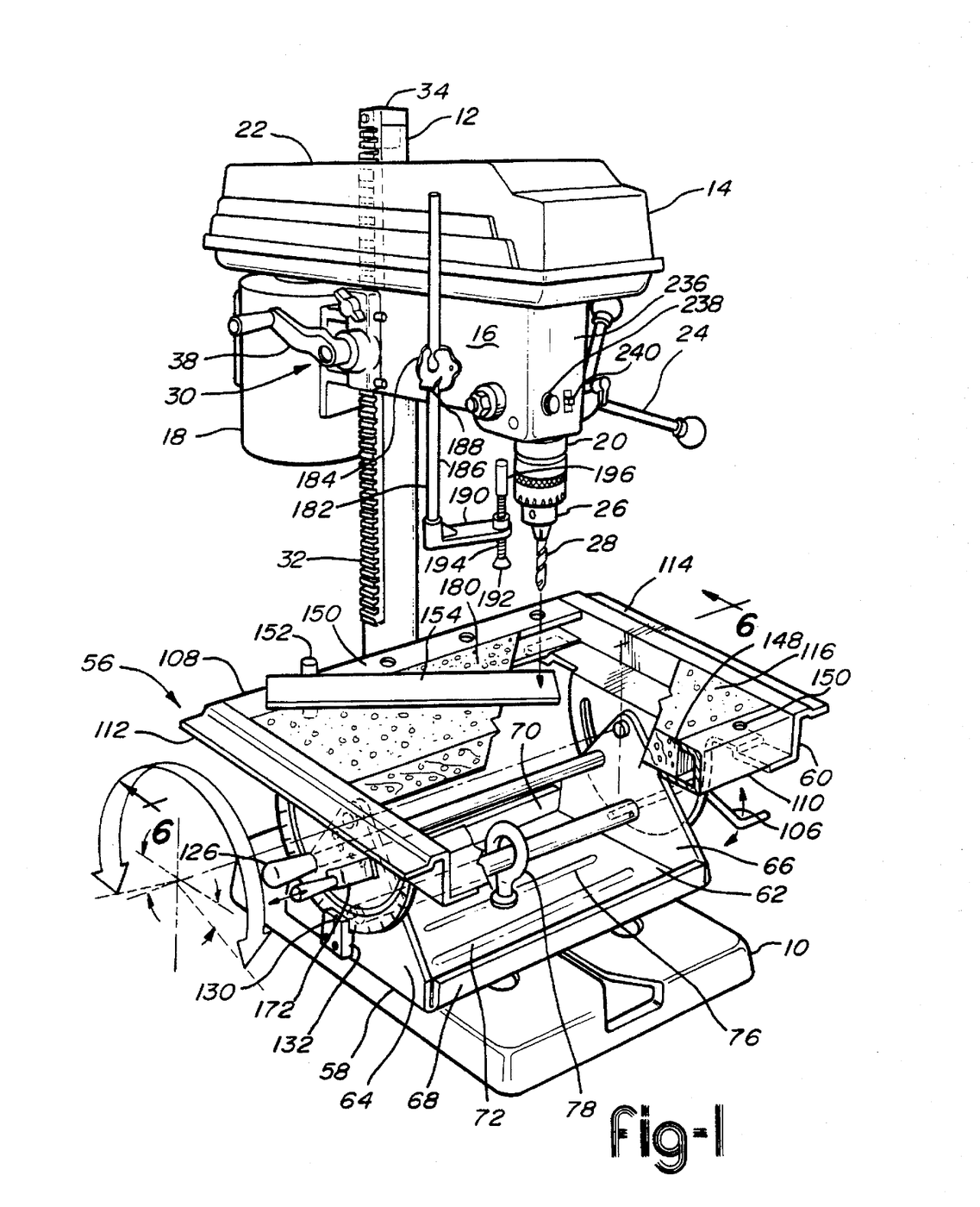


Bench Drill Press with Raising Head and Tilt Table: Brazell, 1997
Most home drill presses kept the head fixed and moved the work relative to it. Kenneth M. Brazell and colleagues at Ryobi patented the reverse in 1997, US 5,634,748. A cast iron base sits on the work bench, a column rises from it, and the whole drill head, with its motor and quill, is raised and lowered along the column by a crank and a rack, or swung round it. A tilt table made of stamped and folded sheet steel locks to the base with one cam and eyebolt, slides two ways and turns on the base, and tilts to drill holes at an angle. Its replaceable ¾" particle board panel supports the stock underneath, preventing tear-out.
Ilọsíwájú
Factory process
Ìlànà
1
1
Base and column
Base and column
Cast the base with a collar near its rear end to take the column, a transverse slot with a funnel-shaped entrance at the front for the table's lock, and two keyhole slots whose round ends take standard ½ inch carriage bolts for clamping vices. Fix the column in the collar.
Àwọn ohun èlò fún ìgbésẹ̀ yìí:
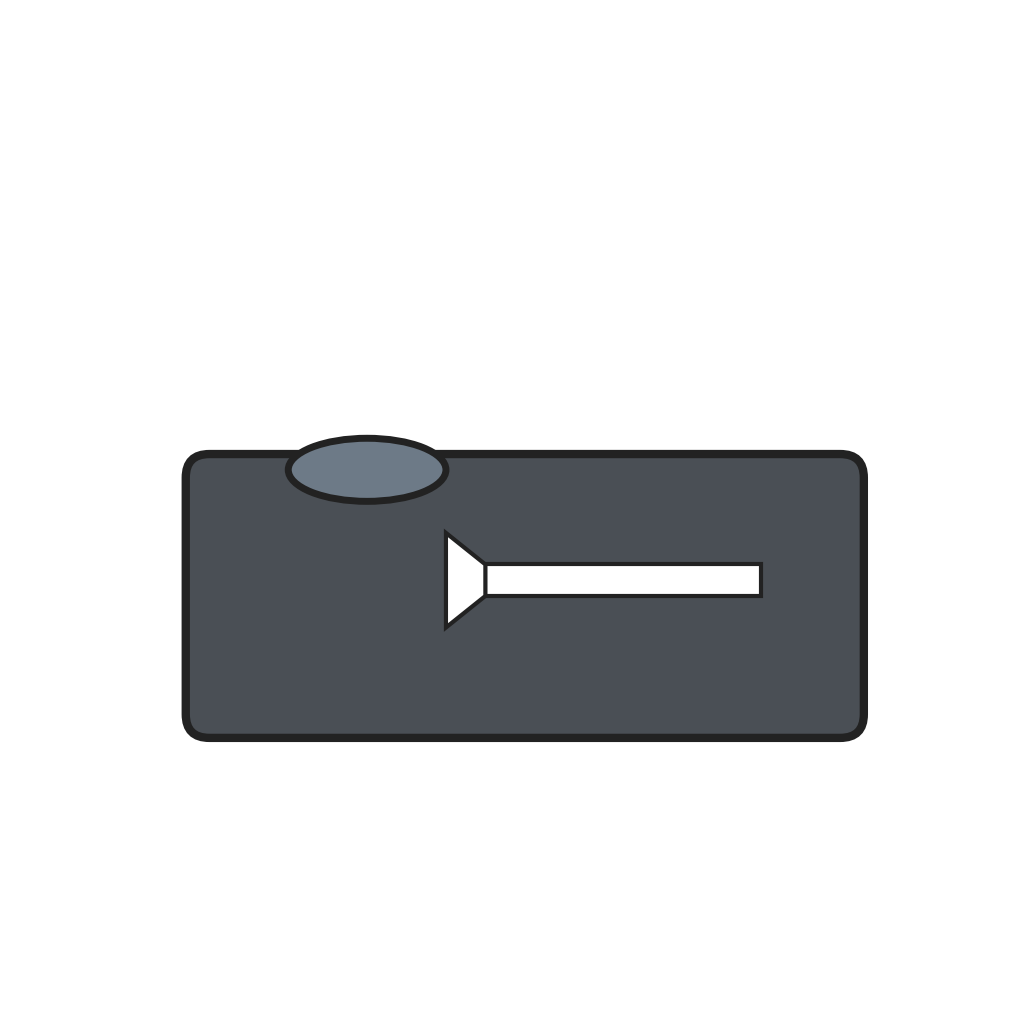 Ìpìlẹ̀ irin dídà ẹ̀rọ ìlu òpó1 ẹyọ
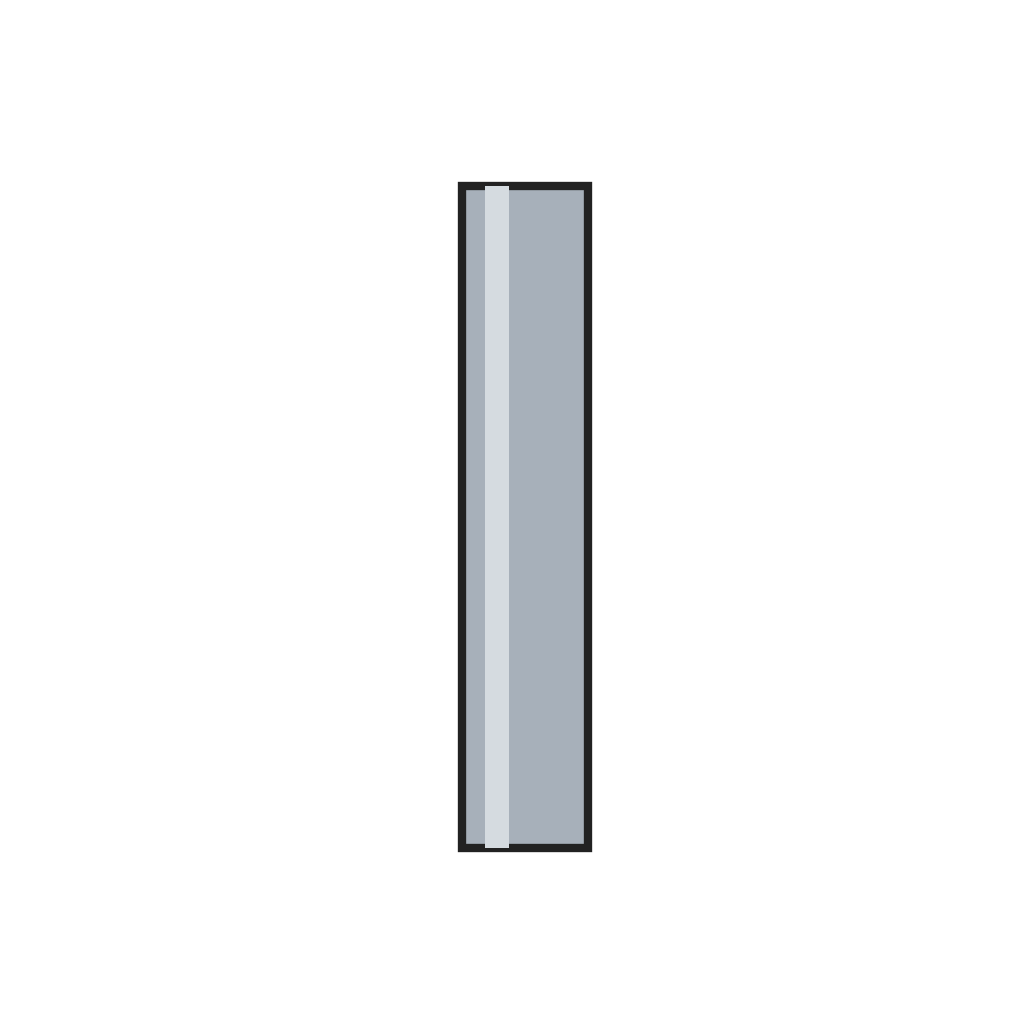 Òpó ẹ̀rọ ìlu1 ẹyọ
2
2
Rack on a turning cap
Rack on a turning cap
Screw the rack to a cap that fits over the top of the column. Two opposite pins in the column ride in an annular slot in the cap, so the cap turns but cannot lift off. The rack runs down most of the column's length.
Àwọn ohun èlò fún ìgbésẹ̀ yìí:
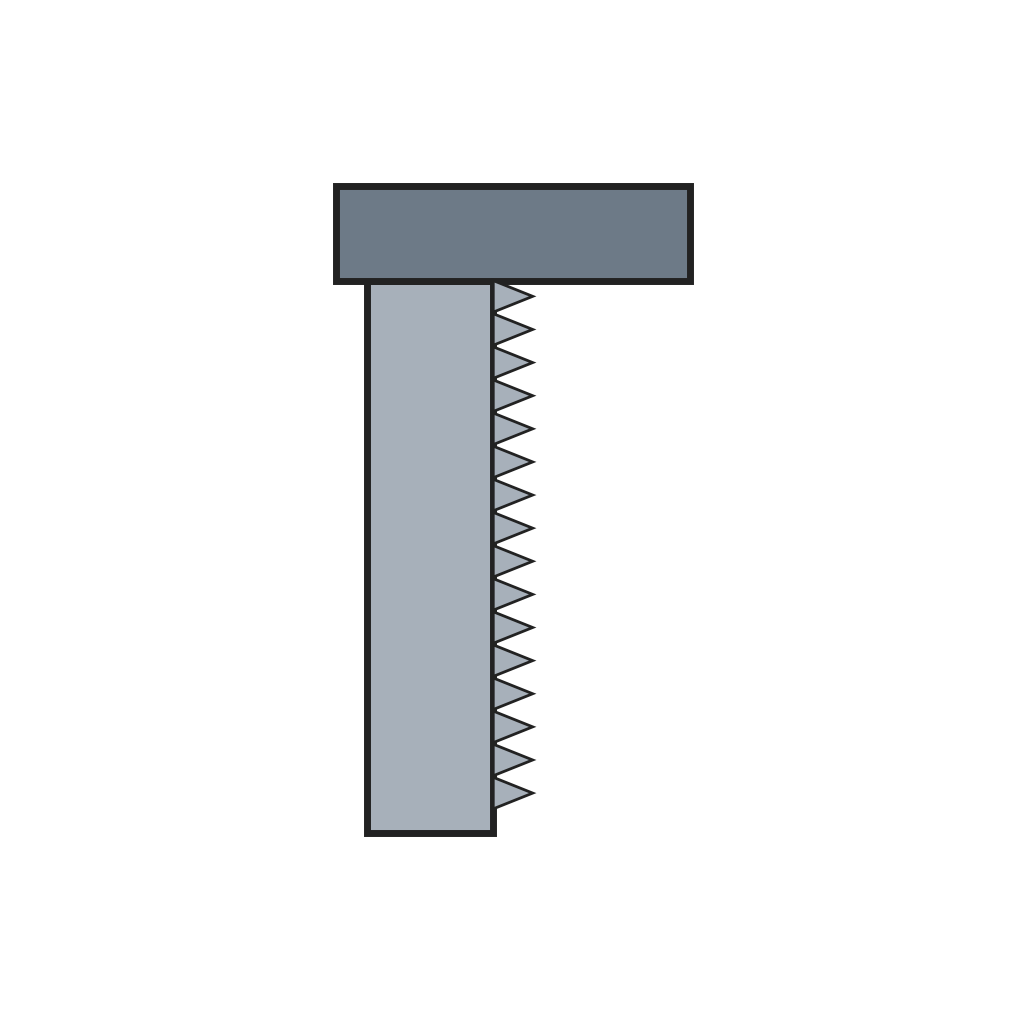 Ọ̀pá oníeyín òpó pẹ̀lú fìlà yíyí1 ẹyọ
3
3
Head frame
Head frame
Make the head frame with a split C-section round the column, two clamping flanges and a slot through which the rack passes. A crank on the frame turns a pinion in the rack to raise and lower the head; a knobbed locking member through the flanges clamps the frame to the column. A spring-loaded indexing pin through a bracket on the rack drops into a bore in the column to lock the head over the centre of the base.
Àwọn ohun èlò fún ìgbésẹ̀ yìí:
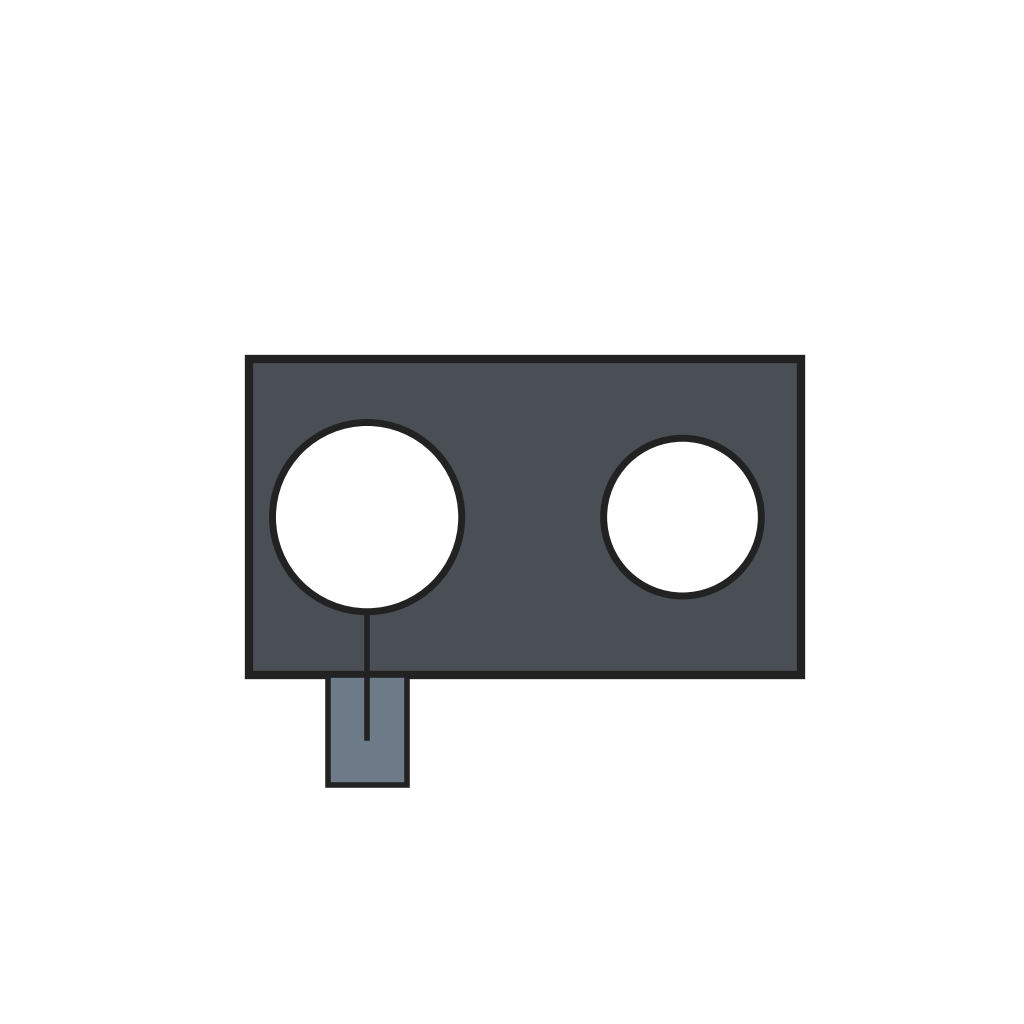 Férémù orí ẹ̀rọ ìlu pẹ̀lú ìdìmú òpó tí a là1 ẹyọ
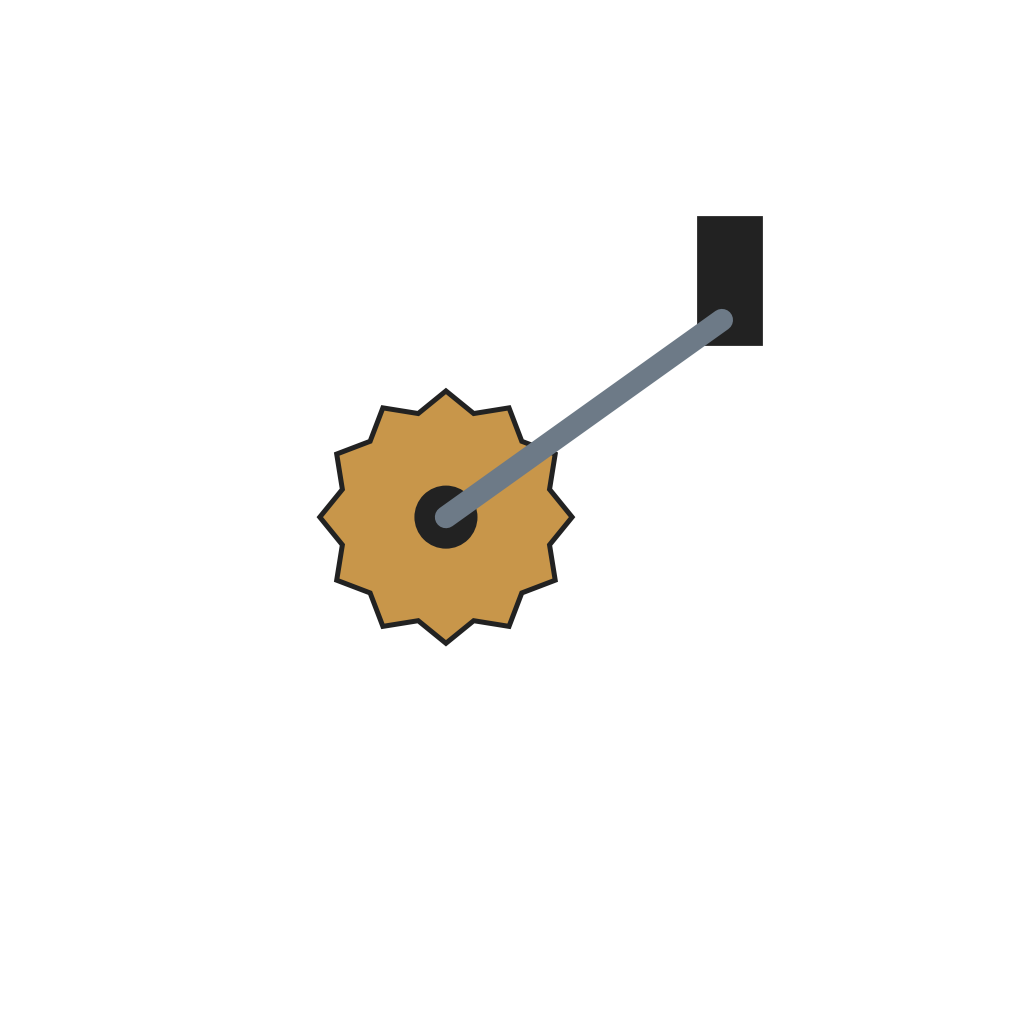 Ọwọ́ àyídà àti pinion ìgbéga orí1 ẹyọ
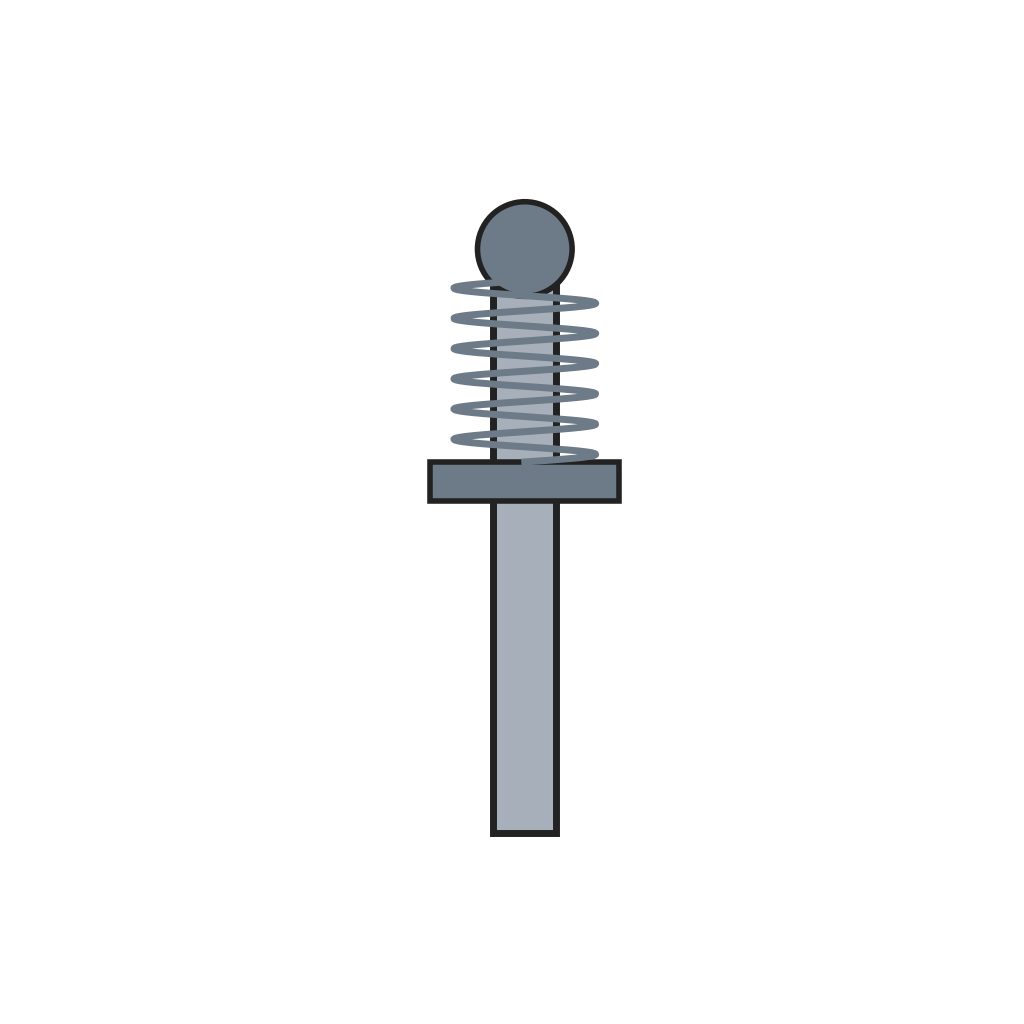 Ìṣó ìtọ́ka sípírínì1 ẹyọ
4
4
Motor and belt
Motor and belt
Mount the motor on a bracket that slides on a clamping rod and a parallel follower rod in a boss on the frame, on the opposite side of the column from the quill. A belt connects the motor to the quill; loosen the lock knob and slide the motor to tension the belt. A cover encloses the drive and its speed-change mechanism, with a clearance opening for the column. The on/off switch, speed control knob and light switch sit on the face of the frame.
Àwọn ohun èlò fún ìgbésẹ̀ yìí:
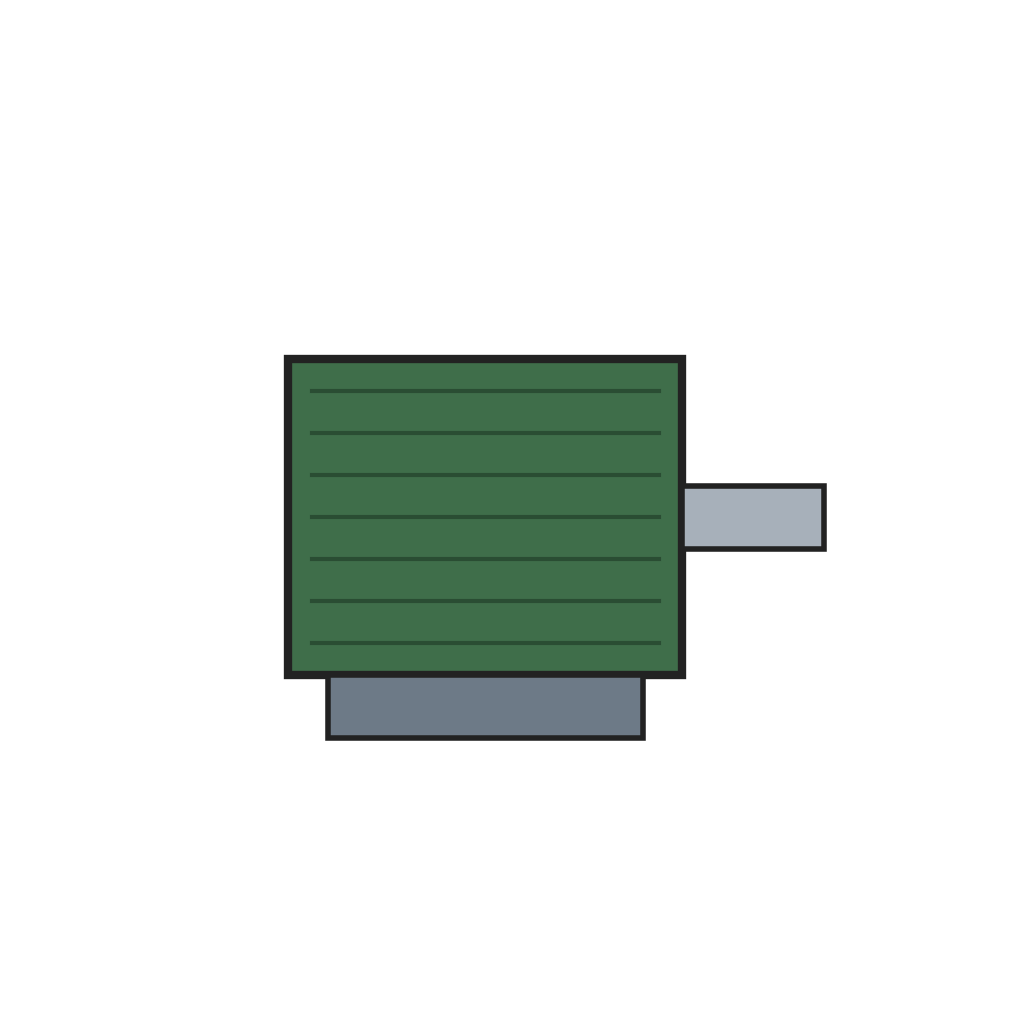 Mọ́tò iná mànàmáná1 ẹyọ
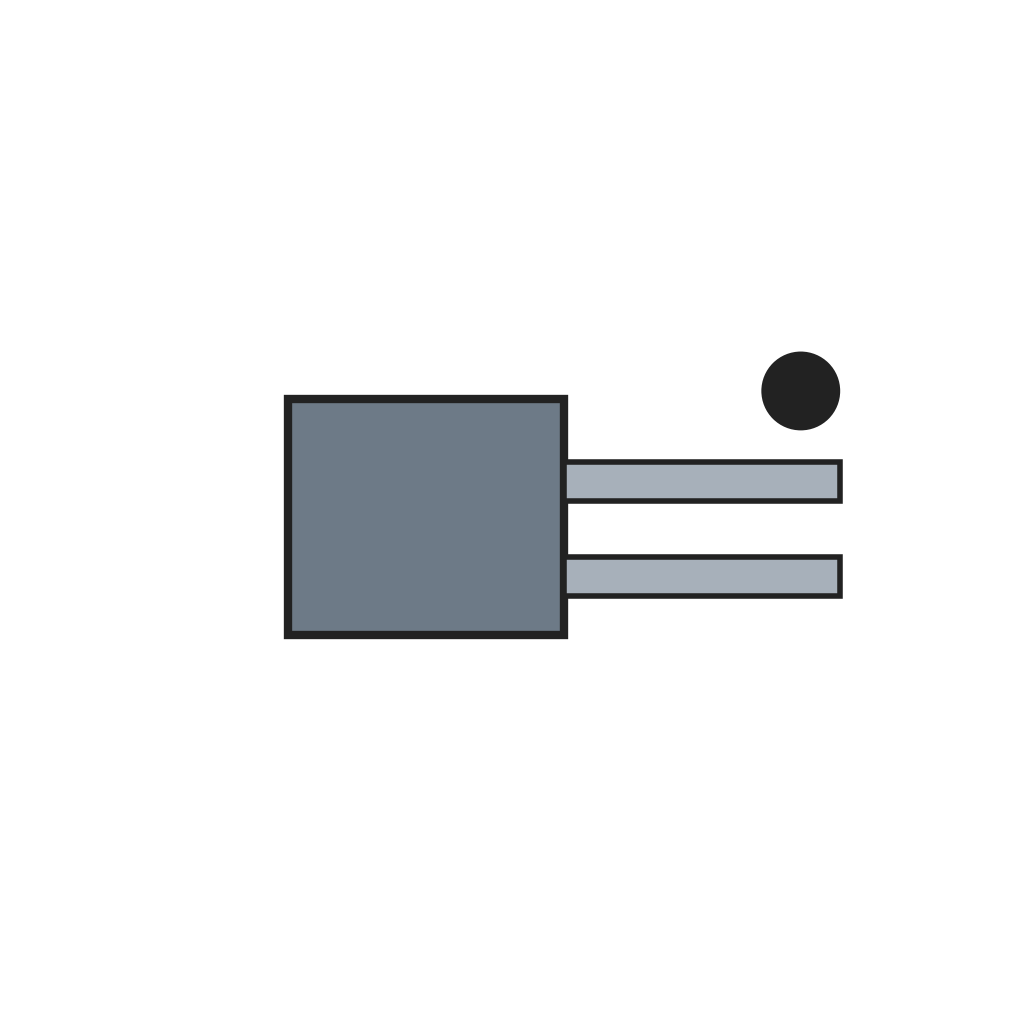 Àmúró mọ́tò yíyọ̀1 ẹyọ
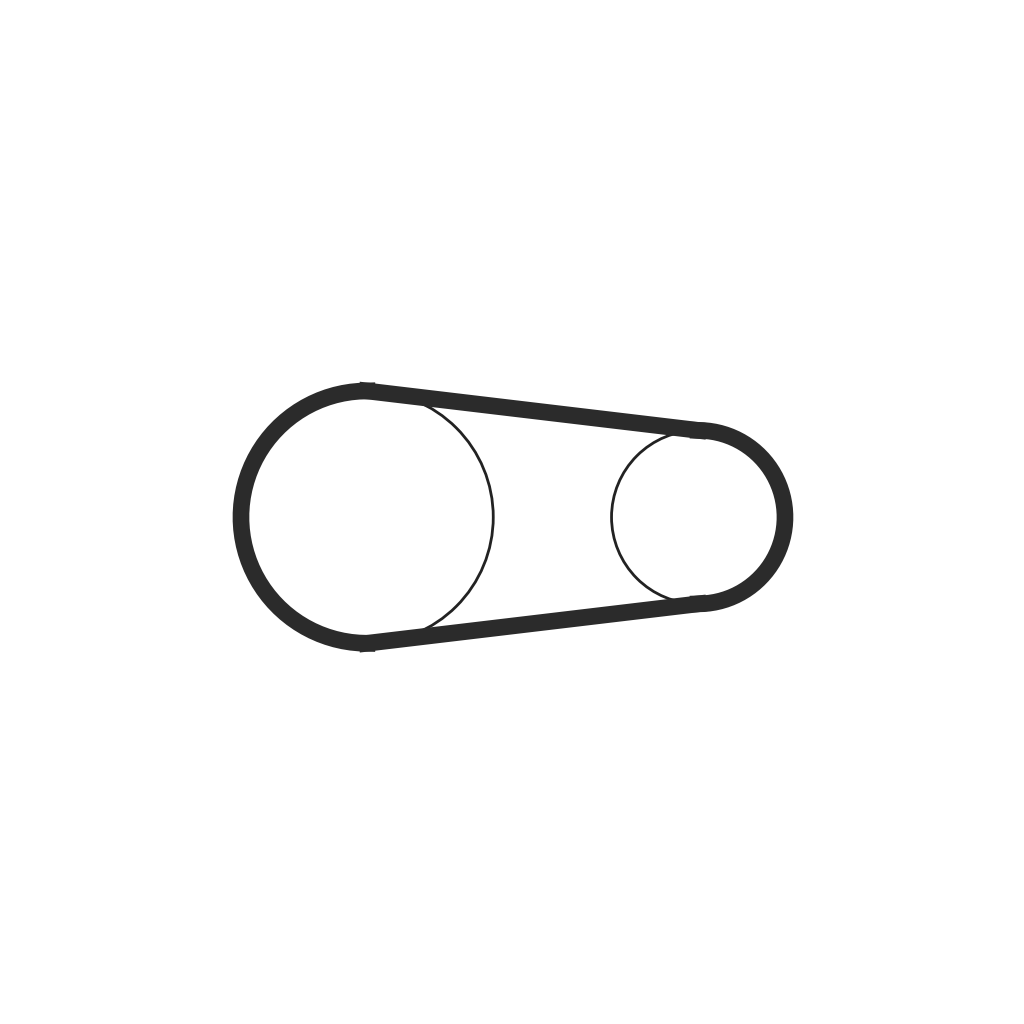 Bẹ́líìtì ìwakọ̀1 ẹyọ
5
5
Quill and chuck
Quill and chuck
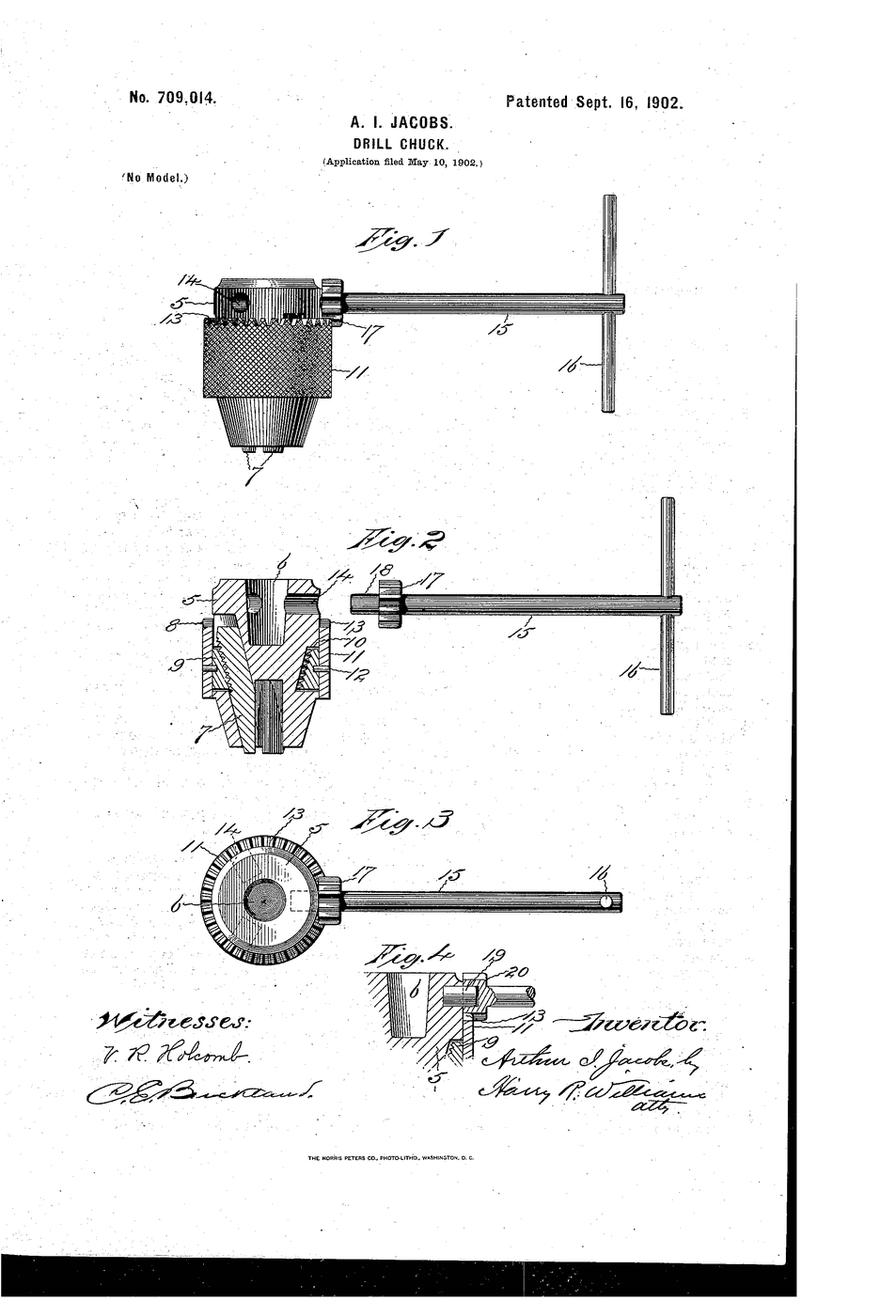
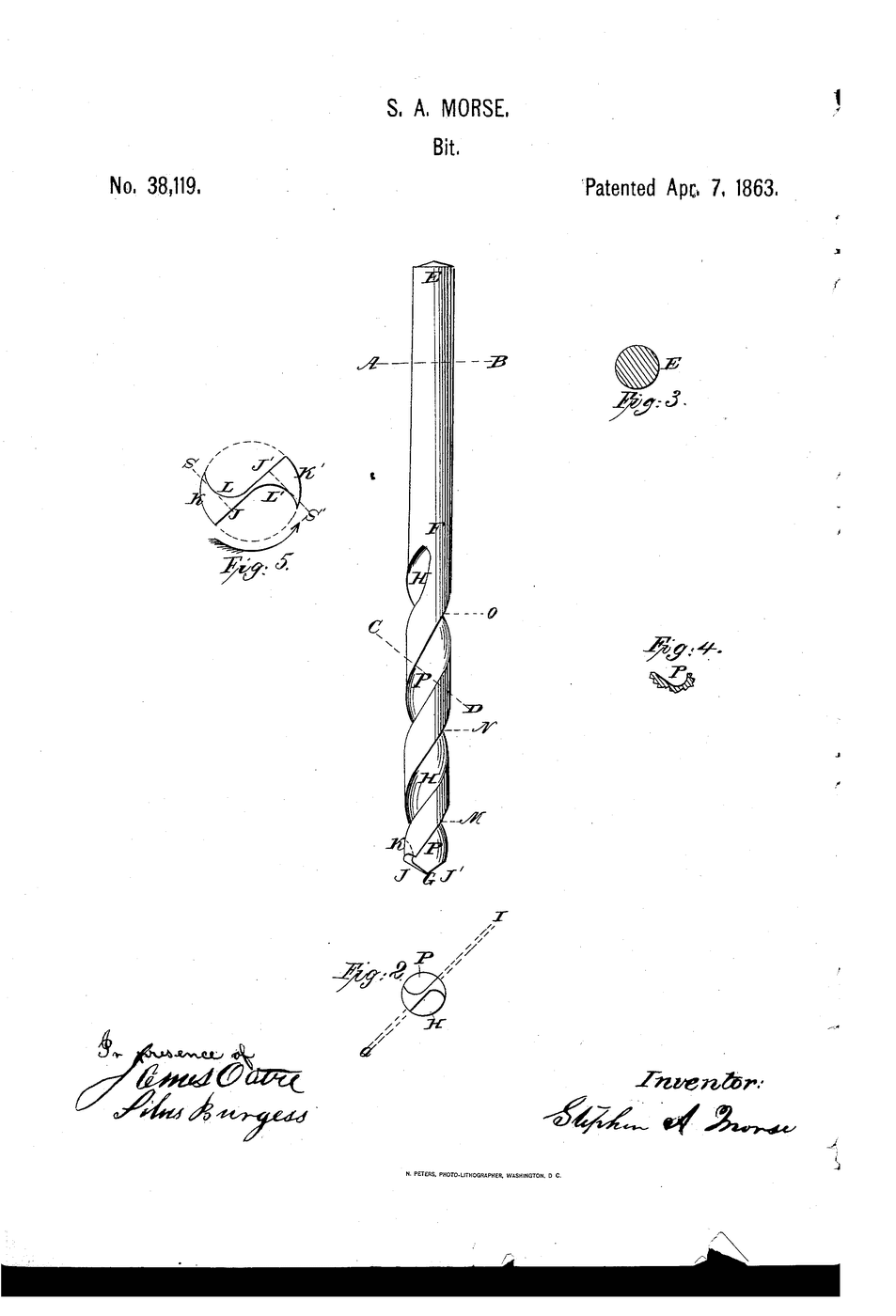
Fit the quill in the frame with a hand wheel that moves it up and down, and fit the chuck on its end to take the shanks of drill bits and other tools.
Àwọn ohun èlò fún ìgbésẹ̀ yìí:
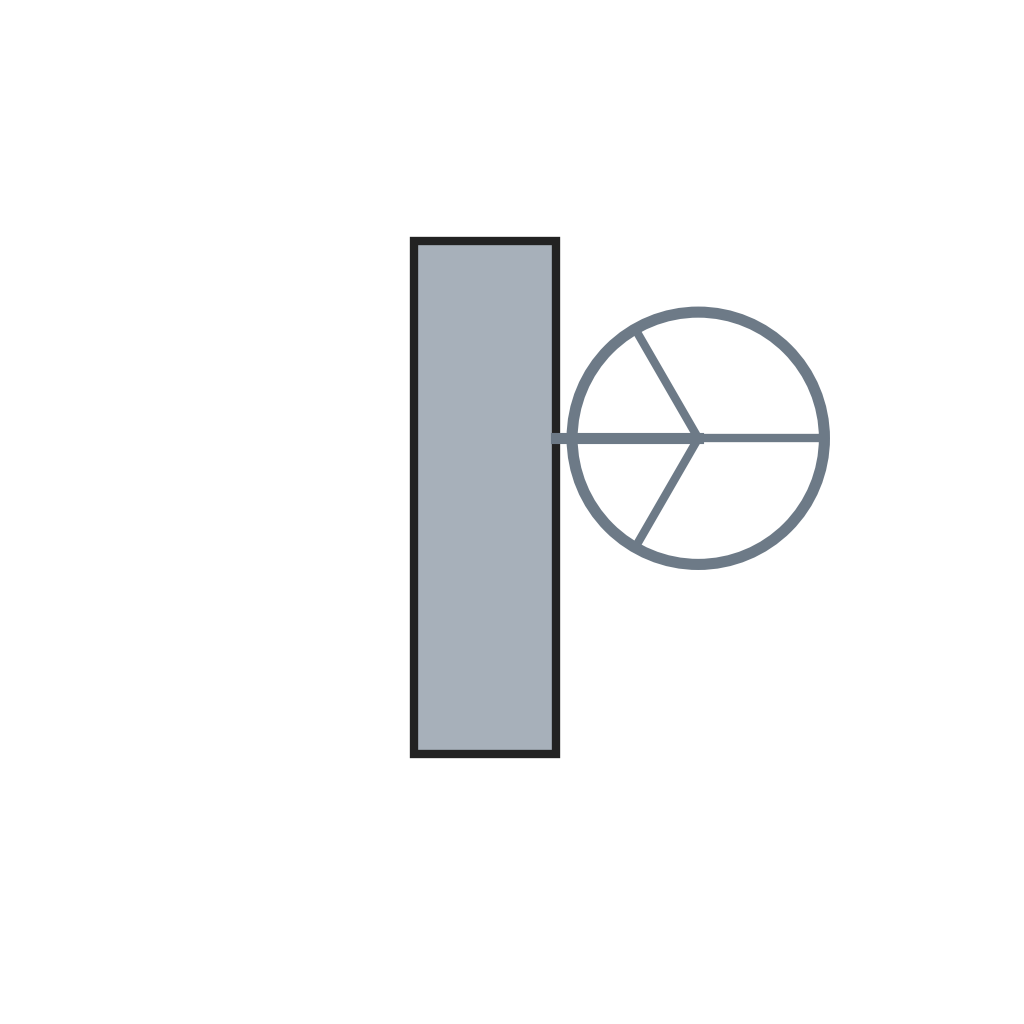 Quill ẹ̀rọ ìlu pẹ̀lú àgbá ọwọ́ ìfúnni1 ẹyọ
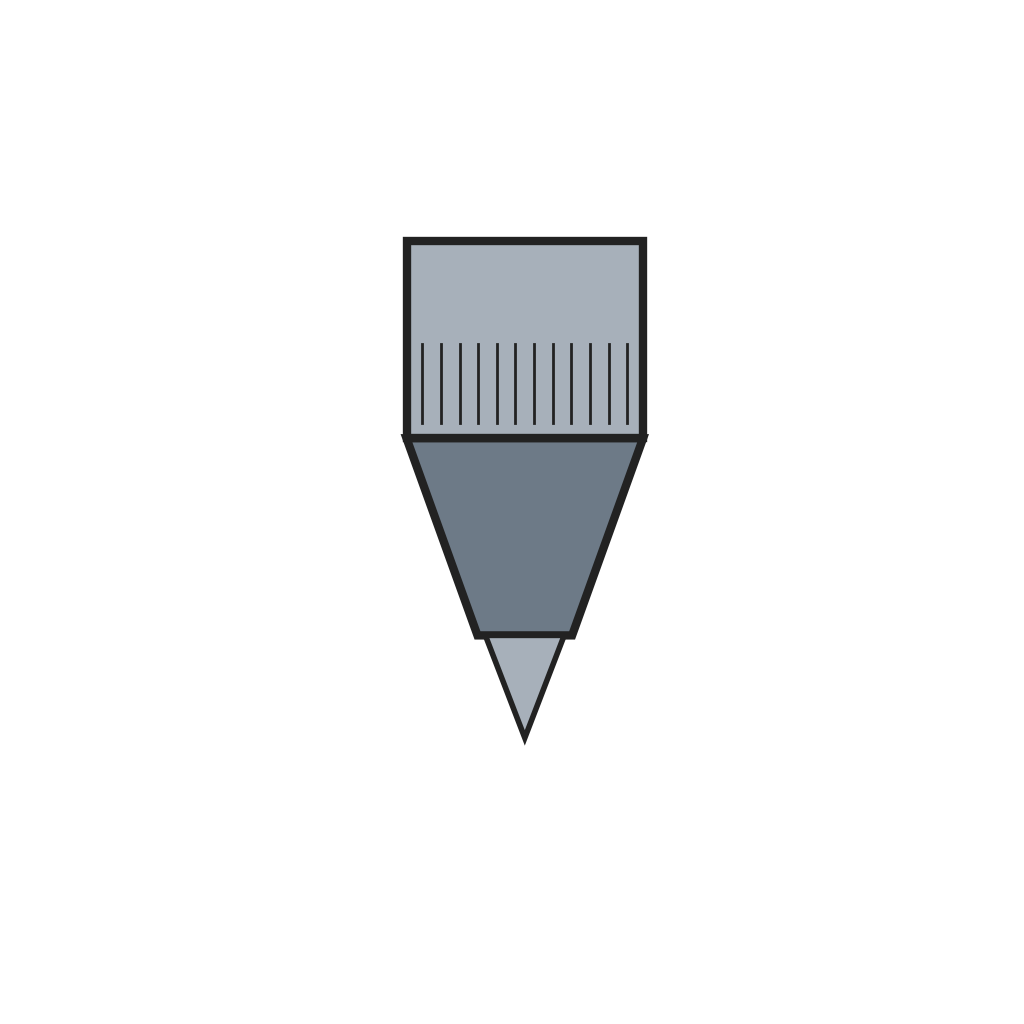 Chuck ẹ̀rọ ìlu1 ẹyọ
6
6
Tilt table
Tilt table
Stamp and fold the supporting base from 3.2 mm steel plate, with a flat base, two upright trunnions, side walls, stiffener ribs and a longitudinal slot. Pivot the table frame between the trunnions on its two sector disks, and lay the particle board panel in it. Pass an eyebolt through the slot and the base's transverse slot, with a nylon nut underneath. An eccentric camshaft between the trunnions runs through the eye; turning its crank lifts the eyebolt and clamps the table to the base, and turning it back frees the table to slide or turn.
Àwọn ohun èlò fún ìgbésẹ̀ yìí:
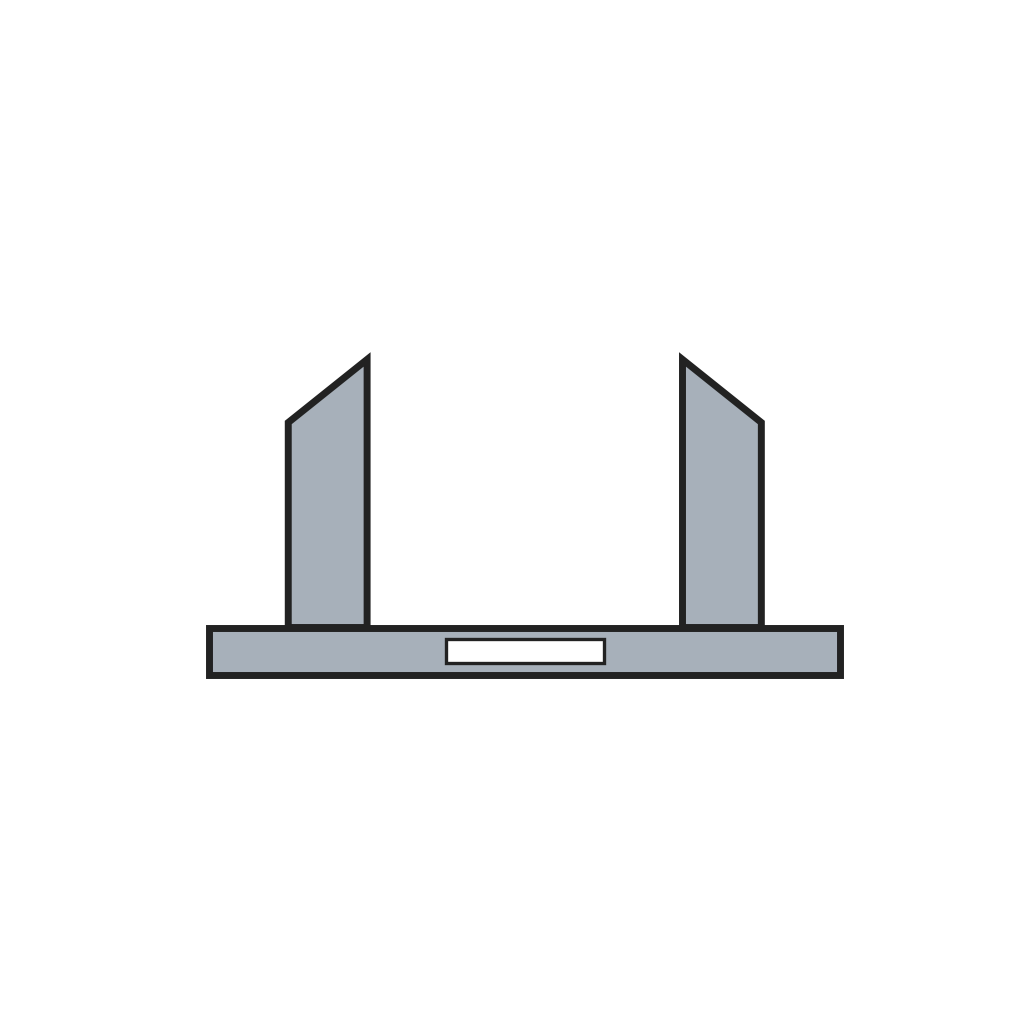 Ìpìlẹ̀ ìtìlẹ́yìn tábìlì títẹ̀1 ẹyọ
 Pẹpẹ irin rírọ̀1 ẹyọ
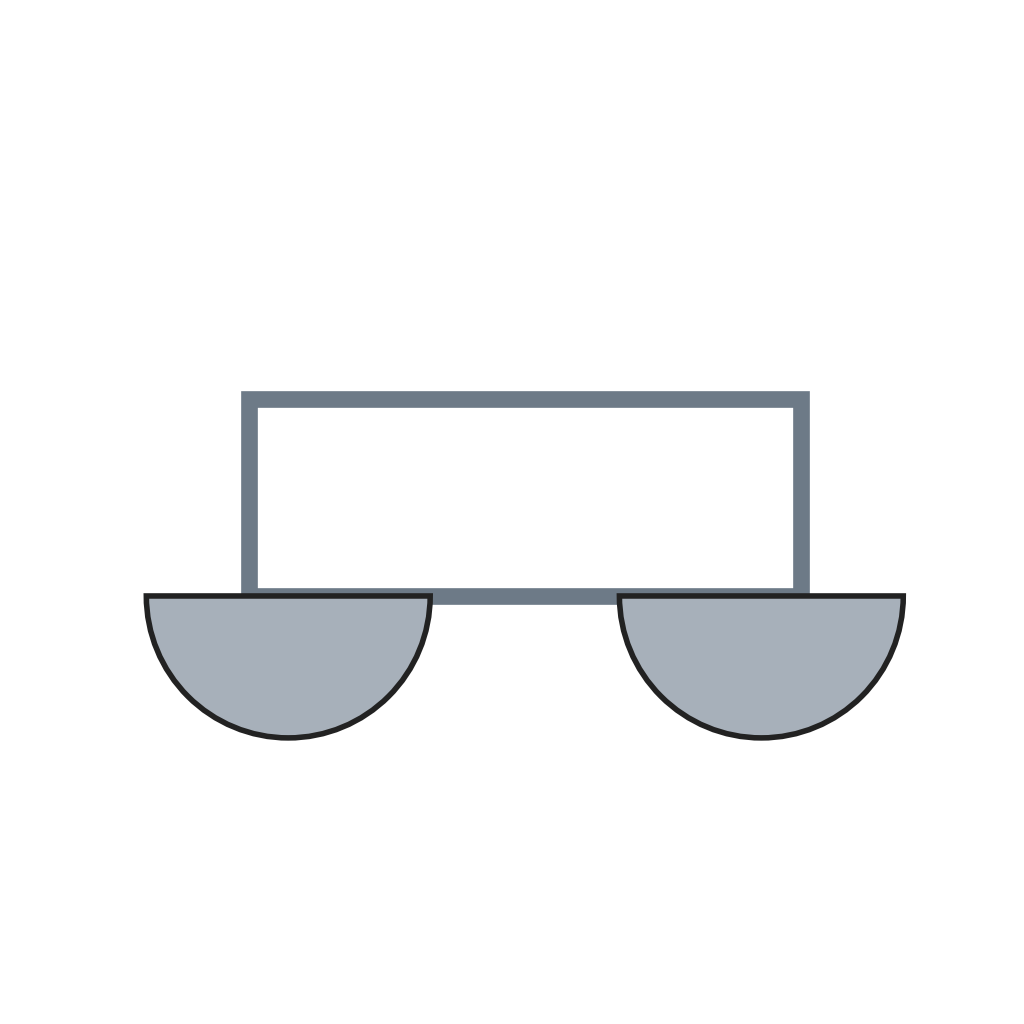 Férémù yíyí tábìlì títẹ̀1 ẹyọ
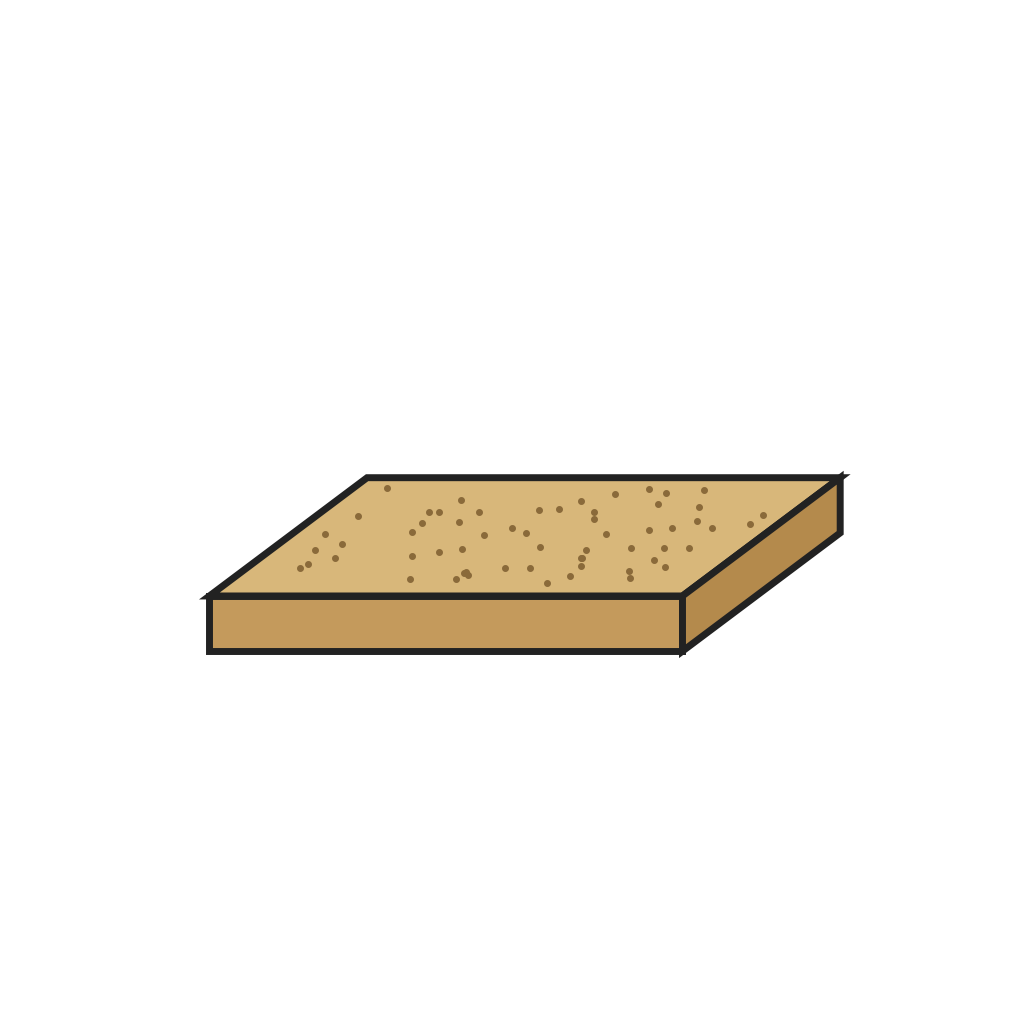 Pátákó tábìlì particle board1 ẹyọ
 Bọ́ọ̀lù oníyíká1 ẹyọ
 Ẹ̀ẹ̀kù nylon1 ẹyọ
 Ọ̀pá kámù ìtì tí kò sí ní àárín1 ẹyọ
Àwọn ohun-èlò
18- Àyè
- 1 ẹyọÀyè
- Àyè
- Àyè
- 1 ẹyọÀyè
- 1 ẹyọÀyè
- 1 ẹyọÀyè
- 1 ẹyọÀyè
- 1 ẹyọÀyè
- Àyè
- 1 ẹyọÀyè
- Àyè
- Àyè
- 1 ẹyọÀyè
- 1 ẹyọÀyè
- Àyè
Ìtọ́nisọ́nà yìí ń ṣe
Blueprint tó jọra
Àwọn blueprint wọ̀nyí pín ìmọ̀ — ọ̀nà, ohun-èlò tàbí ìlànà

CC0 Àgbègbè Gbogbogbò
Blueprint yìí ti jáde lábẹ́ CC0. O lè ṣe àdàkọ, yí padà, pín, àti lò láìsí ìyọ̀ǹda.
Ṣàtìlẹ́yìn Olùṣẹ́dá nípa rírà àwọn ọjà nipasẹ̀ Blueprint wọn Ẹ̀san Olùṣẹ́dá tí àwọn Olùtajà gbé kalẹ̀, tàbí ṣẹ̀dá àtúnṣe tuntun ti Blueprint yìí kí o sì fi sínú Blueprint rẹ gẹ́gẹ́ bí ìsopọ̀ láti pín owó-wíwọlé.