IṢẸ́ ỌNÀ
ẸWÀ ÀTI ÌLERA
IṢẸ́ ỌWỌ́
ÀṢÀ ÀTI ÌTÀN
ÌṢERÉ
ÀYÍKÁ
OÚNJẸ ÀTI OHUN MÍMU
REVERSE ENGINEERING
SÁYẸ́ǸSÌ
ERÉ ÌDÁRAYÁ
ÌMỌ̀-Ẹ̀RỌ
ÀWỌN OHUN WÍWỌ̀
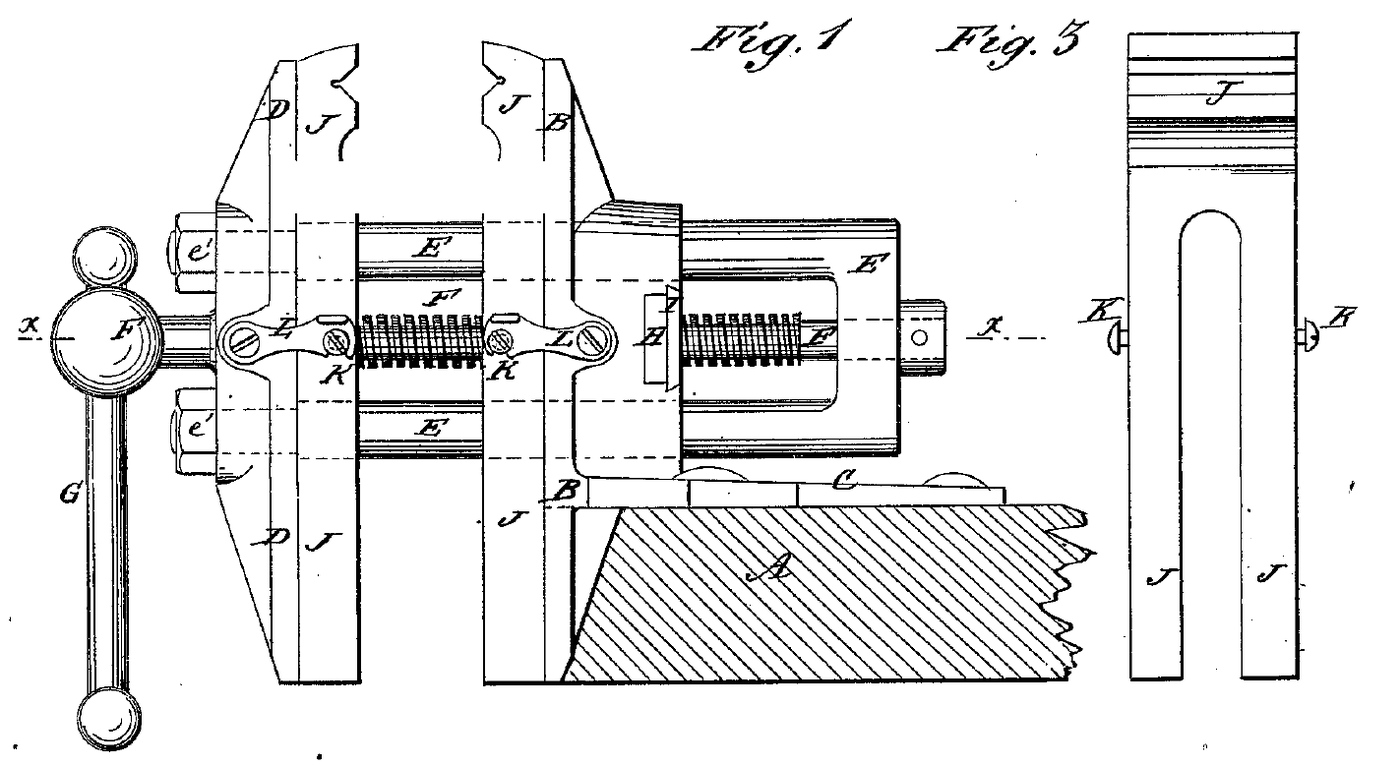


Bench Vise with Parallel Double Slide: Grimmitt, 1879
Thomas Grimmitt of Rockford, Illinois, patented this bench vise in 1879, US 214,907. The fixed jaw is bolted to the bench by a plate formed on its back. The movable jaw is fixed to the open ends of a U-shaped double slide whose arms pass through both jaws, so the two jaws always stay exactly parallel. A screw with a sliding lever handle, swivelled to the slide, works in a nut in the fixed jaw and moves the front jaw both ways. Detachable notched wooden jaws slip over the slide and screw to hold rectangular or round work, and the vise can be fitted on top of the bench for carriage and wagon work or reversed underneath for carpenters' and cabinet-makers' work.
Àárín
Workshop process
Ìlànà
1
1
Jaws and plate
Jaws and plate
Make the inner jaw with a plate formed on its rear side, holed for the bolts that secure it to the bench, and the outer movable jaw of the same general form. Make both jaws double, so the plate can be fixed to the top of the bench or, reversed, to its underside with the lower jaw ends flush with the bench top.
Àwọn ohun èlò fún ìgbésẹ̀ yìí:
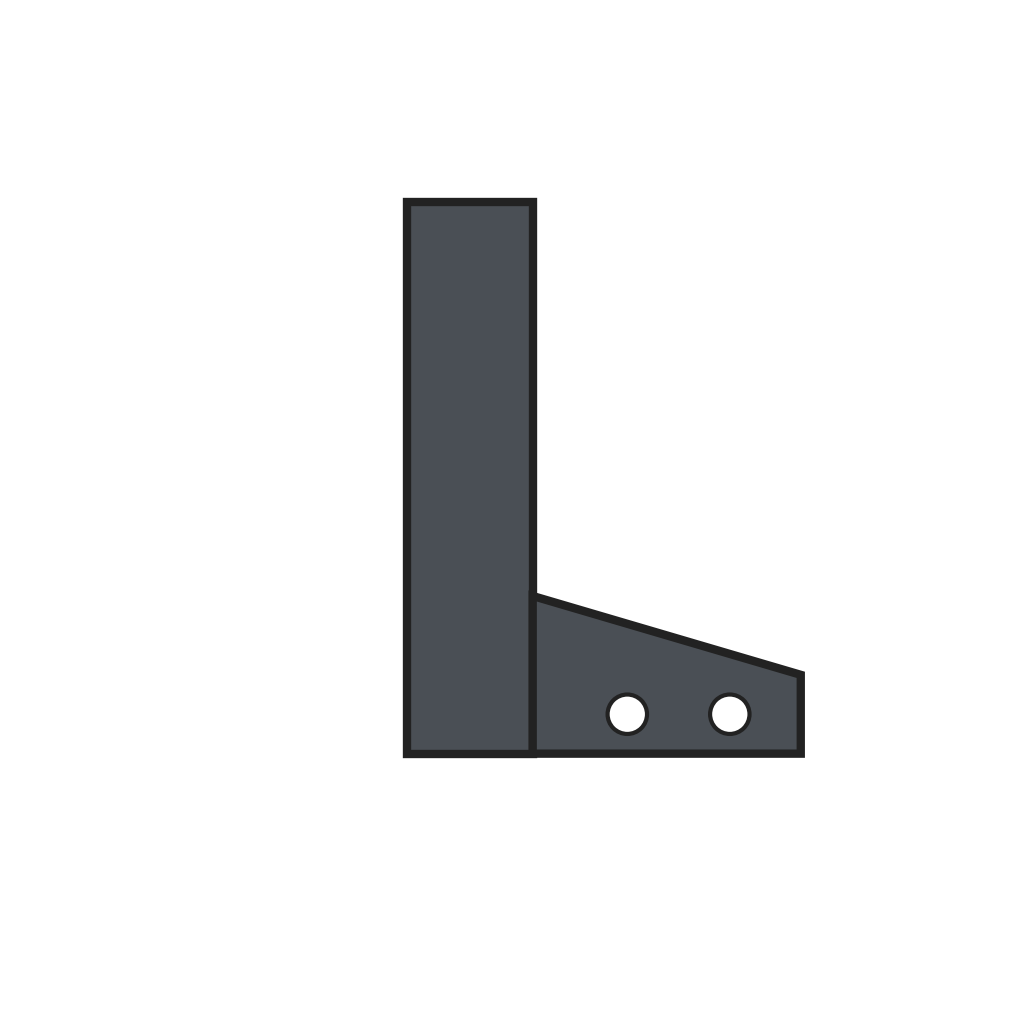 Ẹ̀rẹ̀kẹ́ vise tí kò yí pẹ̀lú àwo bẹ́ǹṣì1 ẹyọ
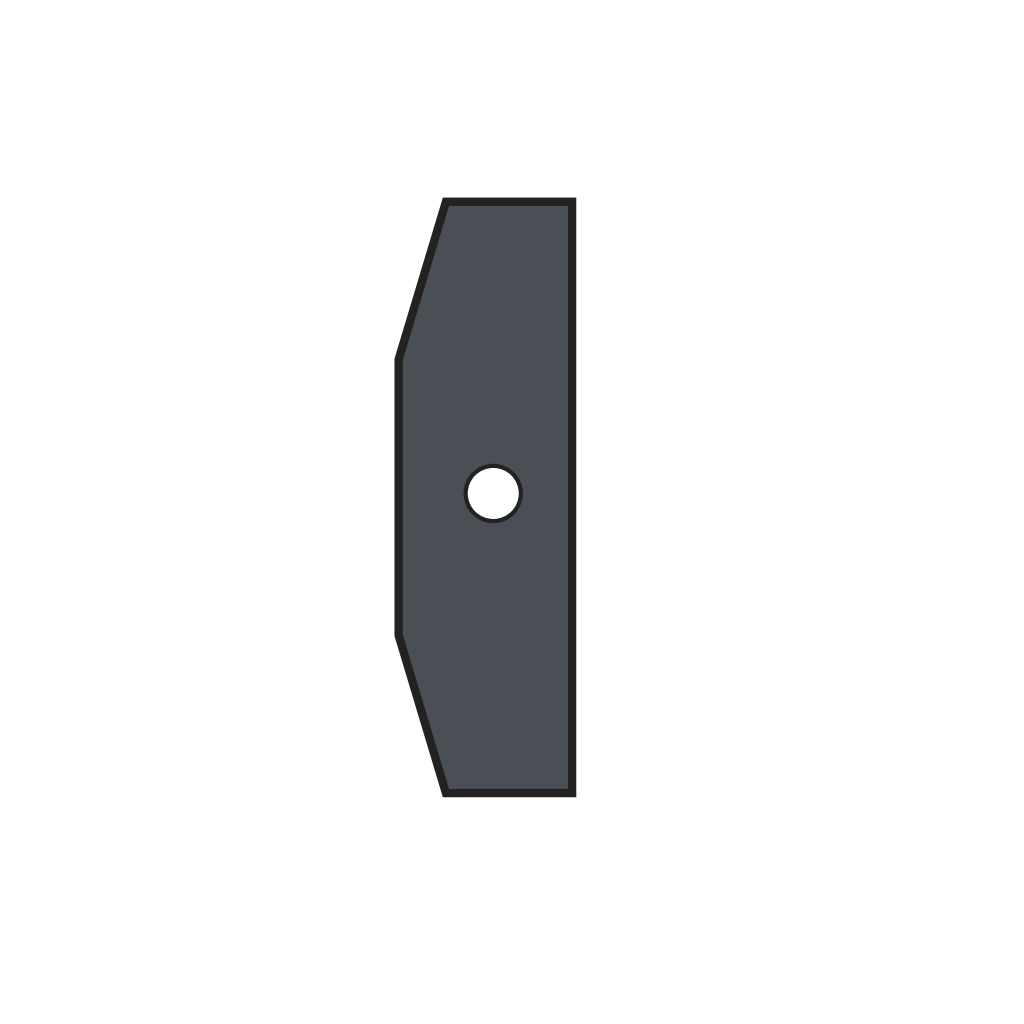 Ẹ̀rẹ̀kẹ́ vise tí ó ń gbéra1 ẹyọ
2
2
Double slide
Double slide
Pass the arms of the U-shaped double slide through holes in both jaws and secure their ends to the outer jaw with nuts, so the outer jaw is always held exactly parallel to the inner one.
Àwọn ohun èlò fún ìgbésẹ̀ yìí:
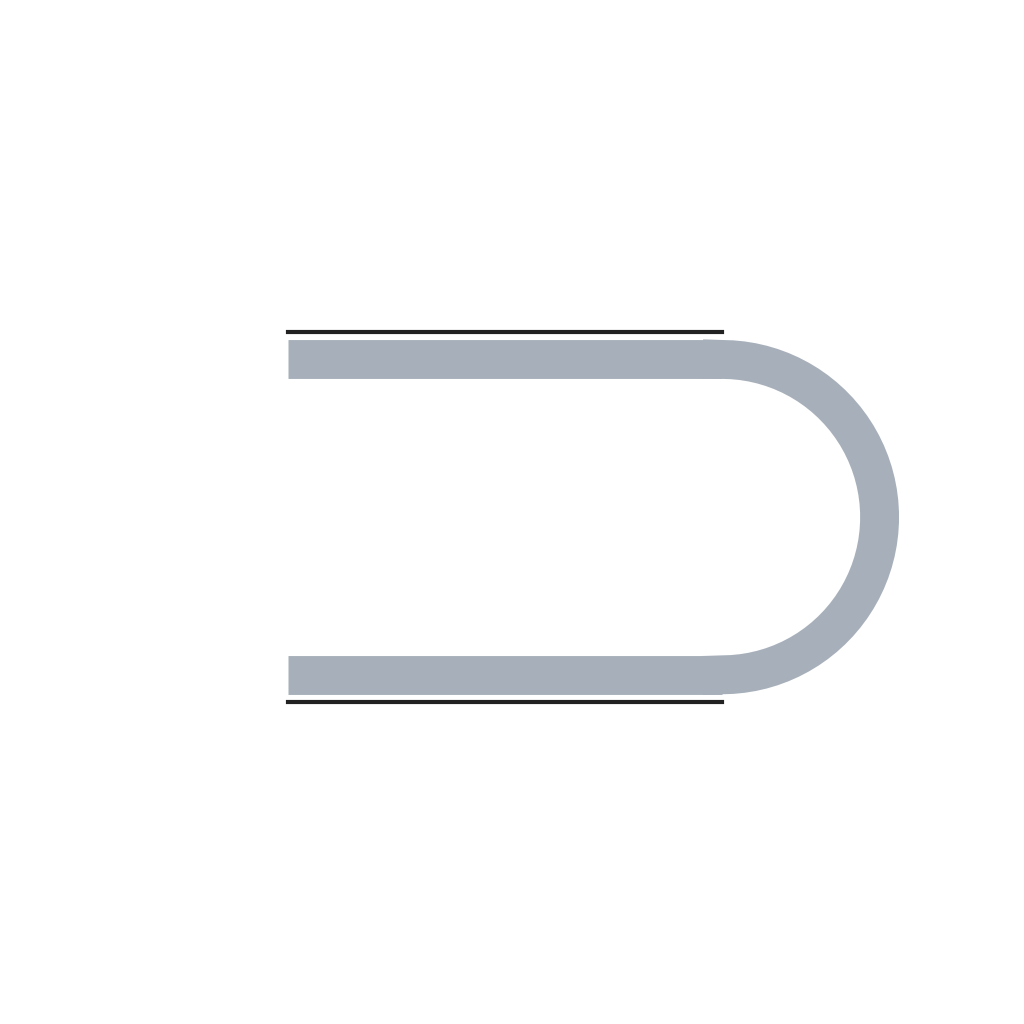 Ìyọ̀ méjì onírísí U1 ẹyọ
3
3
Screw and nut
Screw and nut
Pass the screw through a hole in both jaws midway between the slide's arms, swivel its forward end to the slide at the centre of its bend, and slide a lever handle through its outer head. The screw works in a nut set in a cross-notch at the back of the inner jaw, held by a dovetailed plate slid into the notch's sides.
Àwọn ohun èlò fún ìgbésẹ̀ yìí:
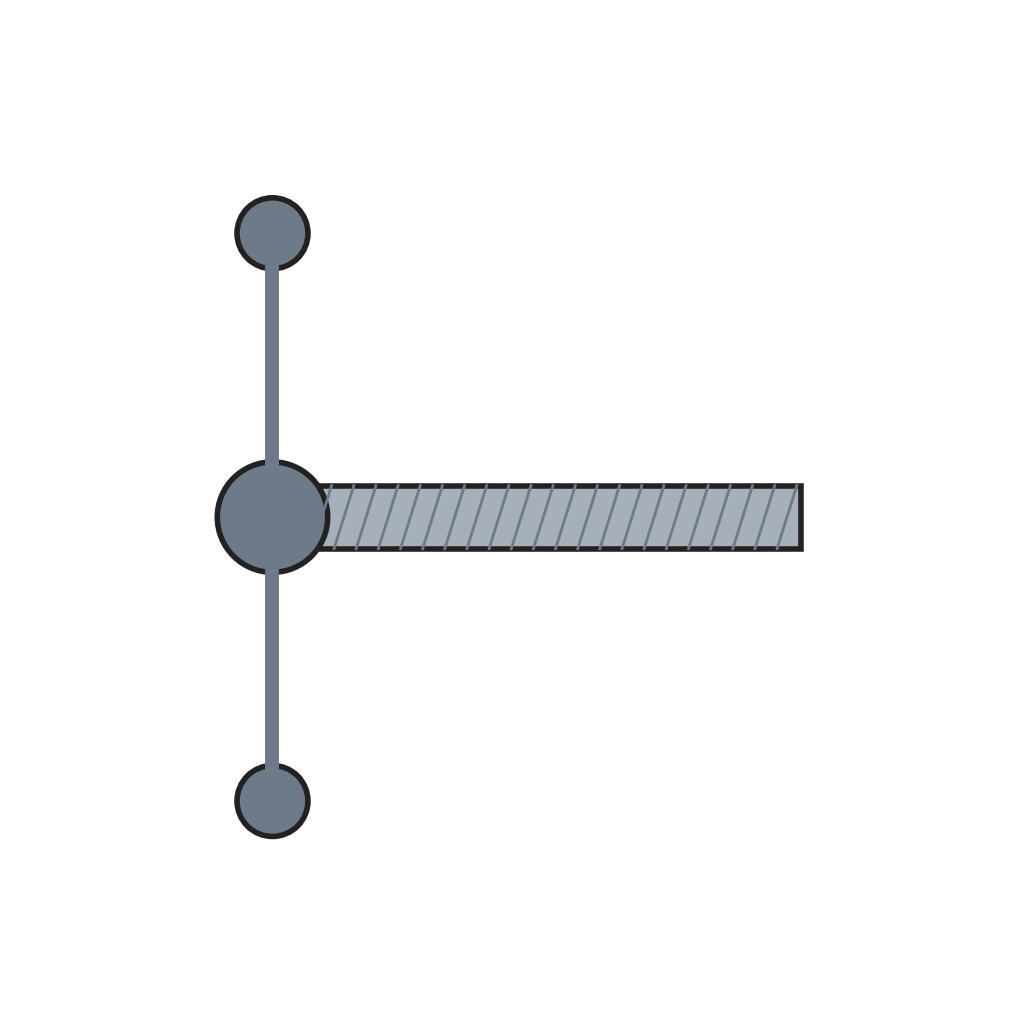 Skru vise pẹ̀lú ọwọ́ lífà tí ó ń yọ̀1 ẹyọ
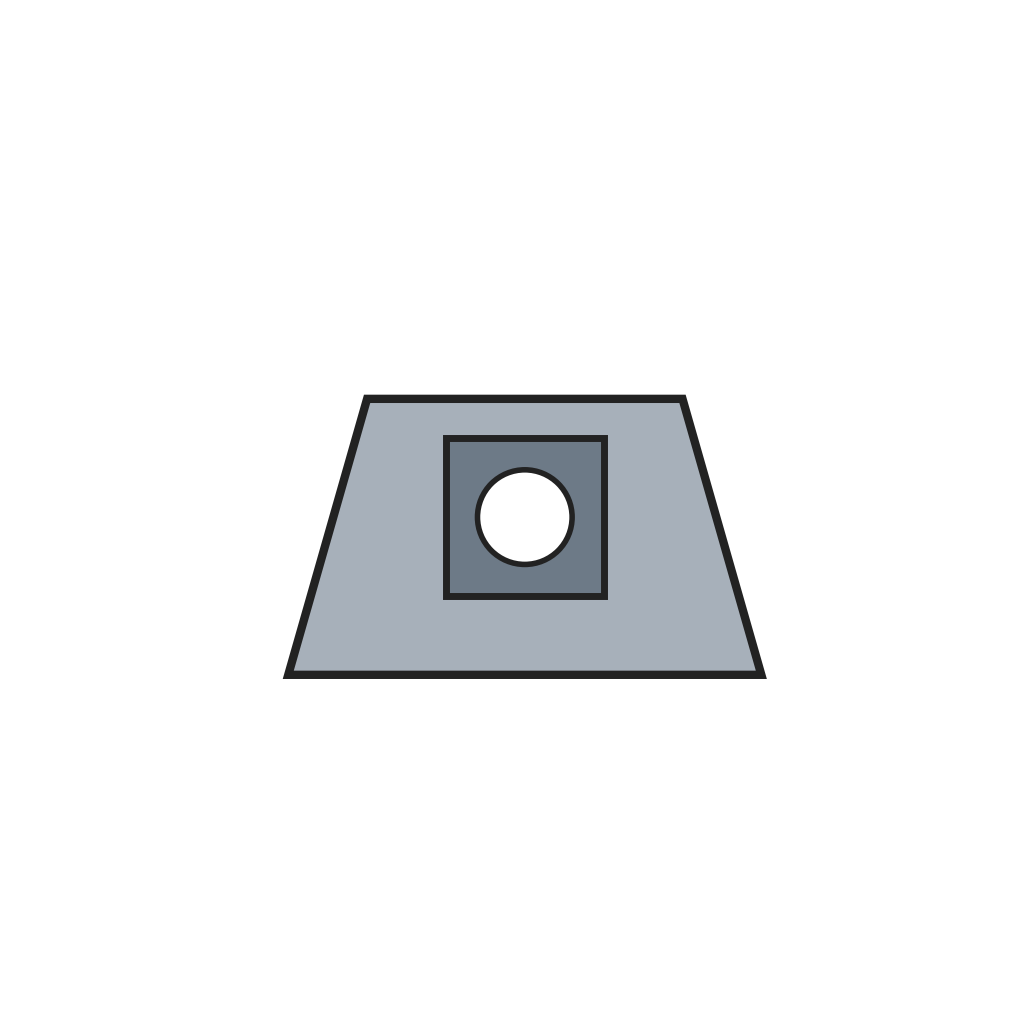 Nọ́ọ̀tì vise pẹ̀lú àwo ìrù-ẹyẹ1 ẹyọ
4
4
Wooden jaws
Wooden jaws
Slot the wooden jaws from their lower ends so they slip down over the slide's arms and the screw between the metal jaws. Notch their faces for rectangular or round work, and hold them to the metal jaws with hooks pivoted on the metal jaws' side edges that catch screws or pins on the wooden jaws.
Àwọn ohun èlò fún ìgbésẹ̀ yìí:
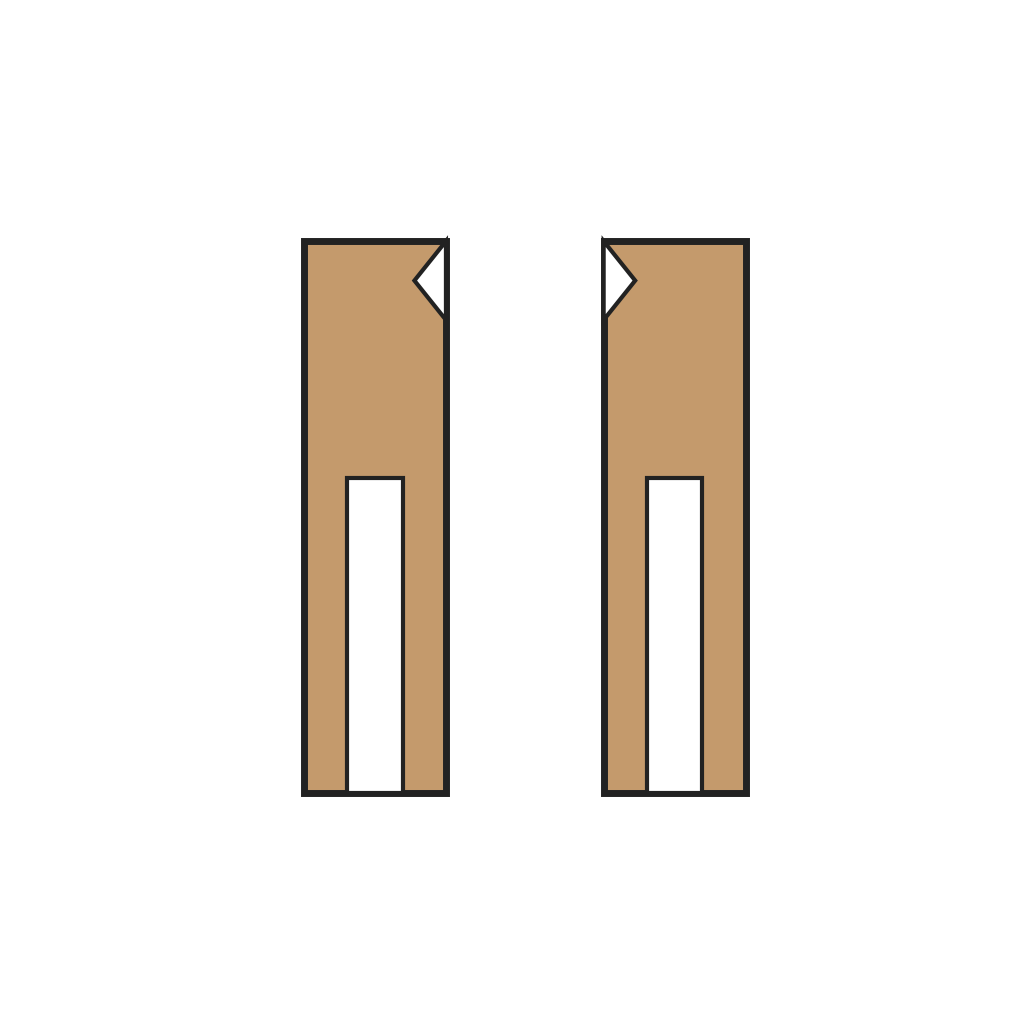 Àwọn ẹ̀rẹ̀kẹ́ igi onílà ti vise tí a lè yọ1 ẹyọ
Àwọn ohun-èlò
6- Àyè
- 1 ẹyọÀyè
- Àyè
Ìtọ́nisọ́nà yìí ń ṣe
Blueprint tó jọra
Àwọn blueprint wọ̀nyí pín ìmọ̀ — ọ̀nà, ohun-èlò tàbí ìlànà
CC0 Àgbègbè Gbogbogbò
Blueprint yìí ti jáde lábẹ́ CC0. O lè ṣe àdàkọ, yí padà, pín, àti lò láìsí ìyọ̀ǹda.
Ṣàtìlẹ́yìn Olùṣẹ́dá nípa rírà àwọn ọjà nipasẹ̀ Blueprint wọn Ẹ̀san Olùṣẹ́dá tí àwọn Olùtajà gbé kalẹ̀, tàbí ṣẹ̀dá àtúnṣe tuntun ti Blueprint yìí kí o sì fi sínú Blueprint rẹ gẹ́gẹ́ bí ìsopọ̀ láti pín owó-wíwọlé.