IṢẸ́ ỌNÀ
ẸWÀ ÀTI ÌLERA
IṢẸ́ ỌWỌ́
ÀṢÀ ÀTI ÌTÀN
ÌṢERÉ
ÀYÍKÁ
OÚNJẸ ÀTI OHUN MÍMU
REVERSE ENGINEERING
SÁYẸ́ǸSÌ
ERÉ ÌDÁRAYÁ
ÌMỌ̀-Ẹ̀RỌ
ÀWỌN OHUN WÍWỌ̀
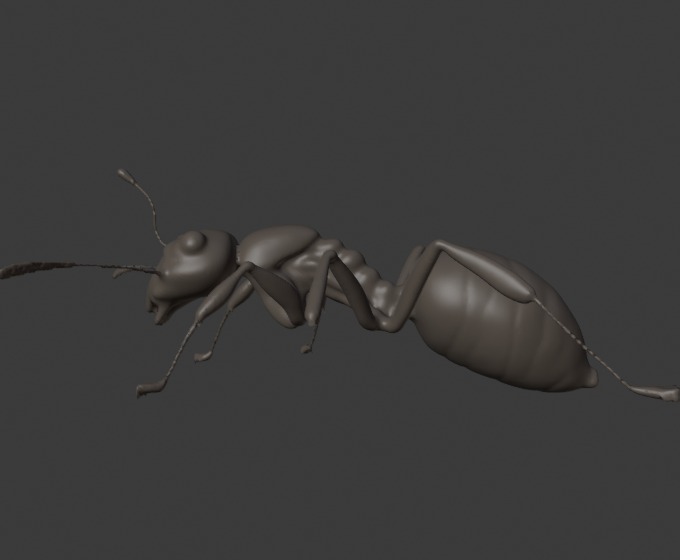

Black Garden Ant (Lasius niger)
A realistic 3D model of the black garden ant, Lasius niger — Europe's most common ant. The full body is here: the head with its mandibles and elbowed antennae, the segmented mesosoma, the pinched petiole waist and the large ridged gaster, on six properly jointed legs. Built by 3DBonanza with an image-to-3D model (Hunyuan3D) driven from a reference photo, then cleaned to one watertight mesh at a printable ~90 mm. Spin it in 3D on the page or slice it straight to G-code.
Olùbẹ̀rẹ̀
2 hours
Ìlànà
1
1
The ant, Lasius niger
The ant, Lasius niger
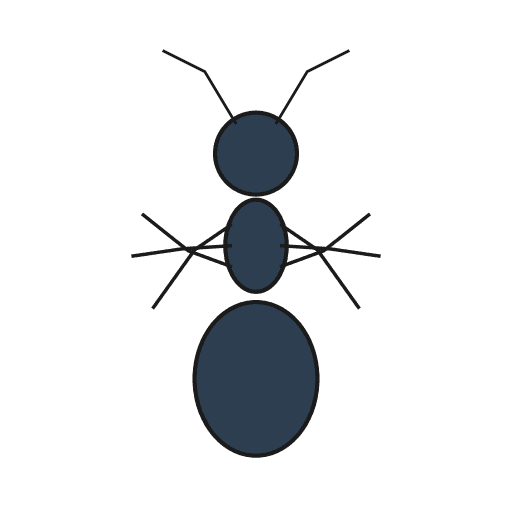
The black garden ant reads from its silhouette: three body sections joined by a thin waist, six legs and two elbowed antennae. The head carries the mandibles and antennae, the mesosoma carries all six legs, and the narrow petiole joins it to the large gaster. Real workers are 3-5 mm; this model is enlarged to ~90 mm.
2
2
The model in 3D
The model in 3D
Spin the ant in the viewer. It was generated with Hunyuan3D image-to-3D from a reference photo, then imported, joined into one watertight mesh, decimated to ~120k triangles and scaled to ~90 mm. Editable in free Blender.
Àwọn irinṣẹ́ tí a nílò:
 Kọ̀ǹpútà Tábìlì
3
3
Print it
Print it
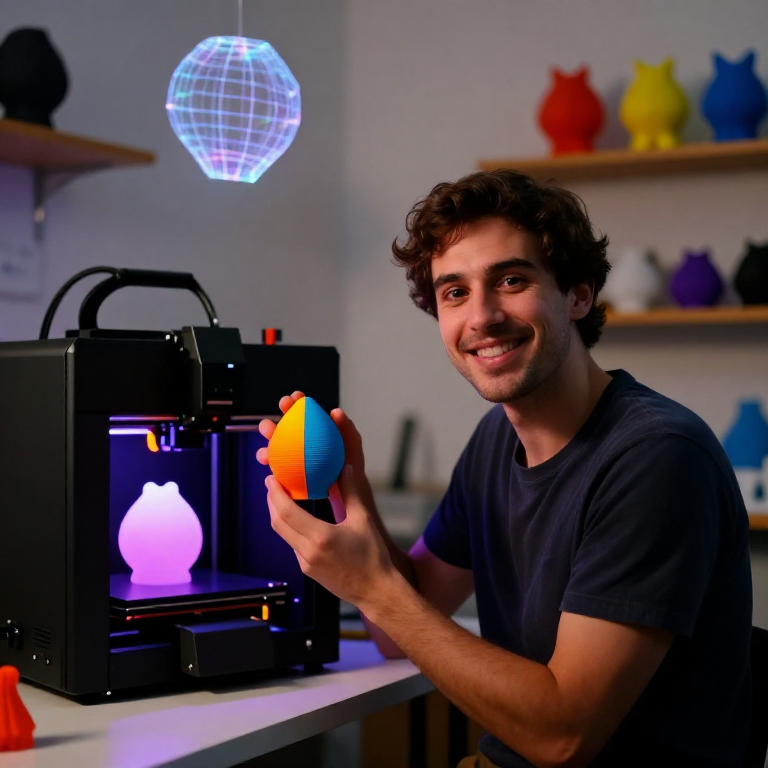
Print in black or dark brown to match the ant. The legs and antennae are the challenge: print at 0.12-0.15 mm layers with supports under the legs, antennae and the gaster, or lay it on one side. Scale it up if the legs come out too fragile.
Àwọn ohun èlò fún ìgbésẹ̀ yìí:
 Okùn PLA - dúdú1 ohun èlò
Àwọn irinṣẹ́ tí a nílò:
 Ẹ̀rọ ìtẹ̀ 3D
Àwọn ohun-èlò
1- 1 ohun èlòÀyè
Àwọn irinṣẹ́ tó nílò
2- Àyè
Àwọn fáìlì àpẹrẹ
1Ìtọ́nisọ́nà yìí ń ṣe
CC0 Àgbègbè Gbogbogbò
Blueprint yìí ti jáde lábẹ́ CC0. O lè ṣe àdàkọ, yí padà, pín, àti lò láìsí ìyọ̀ǹda.
Ṣàtìlẹ́yìn Olùṣẹ́dá nípa rírà àwọn ọjà nipasẹ̀ Blueprint wọn Ẹ̀san Olùṣẹ́dá tí àwọn Olùtajà gbé kalẹ̀, tàbí ṣẹ̀dá àtúnṣe tuntun ti Blueprint yìí kí o sì fi sínú Blueprint rẹ gẹ́gẹ́ bí ìsopọ̀ láti pín owó-wíwọlé.